HD-OPM Archive
Hashtags

#hormesis

22 posts

Olive oil's brief FMD dip resembles exercise's transient, hormetic endothelial effect

Jul 02, 2024 · Louis Nervegna ♥ 19 · 💬 25 ↩ 6 Blood vessels, circulation & endothelium

Responding to Esselstyn's reliance on a short-term study of refined olive oil impairing endothelial function, the poster notes exercise causes the same transient dip followed by rebound. Quoted exercise physiology papers describe an immediate FMD nadir followed by normalization or supranormalization, and he says over 30 RCTs show olive oil improves FMD long term.

Mild mitochondrial stress from statins is hormetic, not harmful

Nov 17, 2025 · Louis Nervegna ♥ 25 · 💬 11 Statins

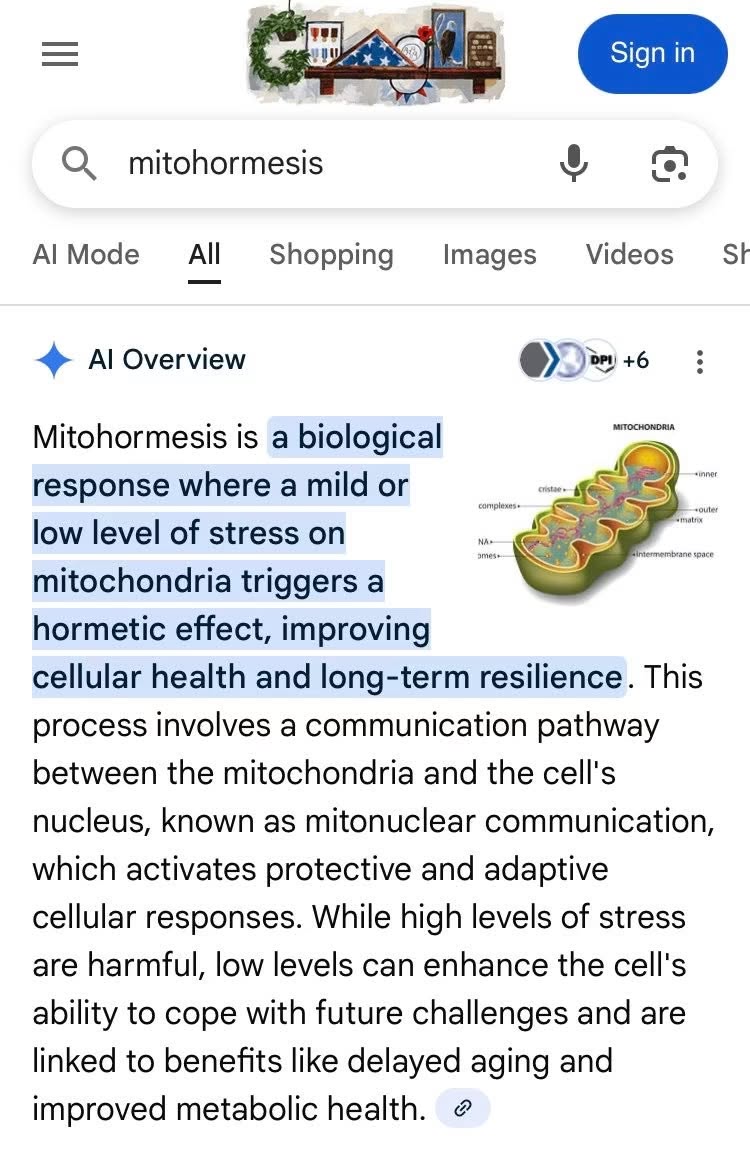
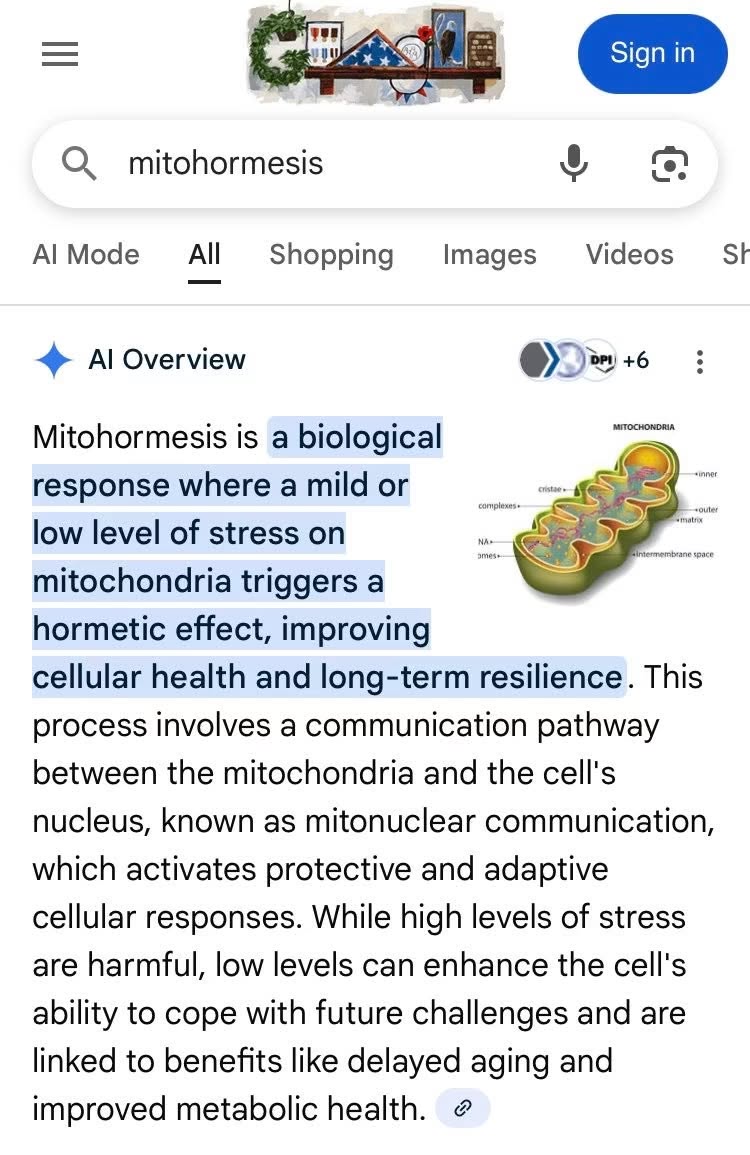
Louis argues that mild mitochondrial toxicity from statins, metformin, exercise and calorie restriction is mitohormesis, which is beneficial at low doses. He says influencer claims that statins damage mitochondria misrepresent this.

Esselstyn's olive oil FMD claim challenged: exercise also dips FMD short term but helps

Aug 12, 2024 · Louis Nervegna ♥ 22 · 💬 11 Blood vessels, circulation & endothelium

A video clip shows Gil Carvalho challenging Caldwell Esselstyn's claim that olive oil damages arteries because it temporarily suppresses flow-mediated dilation (FMD). The poster notes exercise does the same temporarily and is hormetic, and says over 30 human RCTs show olive oil improves FMD and endothelial function long term.

Statins activate AMPK via mild mitochondrial stress, which Louis argues is beneficial

Nov 23, 2023 · Louis Nervegna ♥ 19 · 💬 12 ↩ 5 Statins

Louis argues statins do not harmfully impair mitochondria; instead, like metformin, they mildly stress mitochondria and activate the longevity-linked AMPK pathway (mitohormesis), possibly contributing to cardiovascular benefit. He cites a 2006 Circulation study showing statins activate AMPK in vitro and in vivo, leading to endothelial NO synthase activation. The extension to lifespan and mitohormesis is his interpretation.

Statins activate AMPK, the same longevity pathway as metformin

Nov 11, 2025 · Louis Nervegna ♥ 20 · 💬 11 ↩ 1 Statins

Louis argues that statins do not harmfully impair mitochondria; the mild stress they cause is hormetic and activates AMPK, much like metformin, which may help explain statins' benefits beyond LDL lowering. He cites a Circulation paper showing statins activate AMPK in vitro and in vivo, leading to endothelial NO synthase activation.

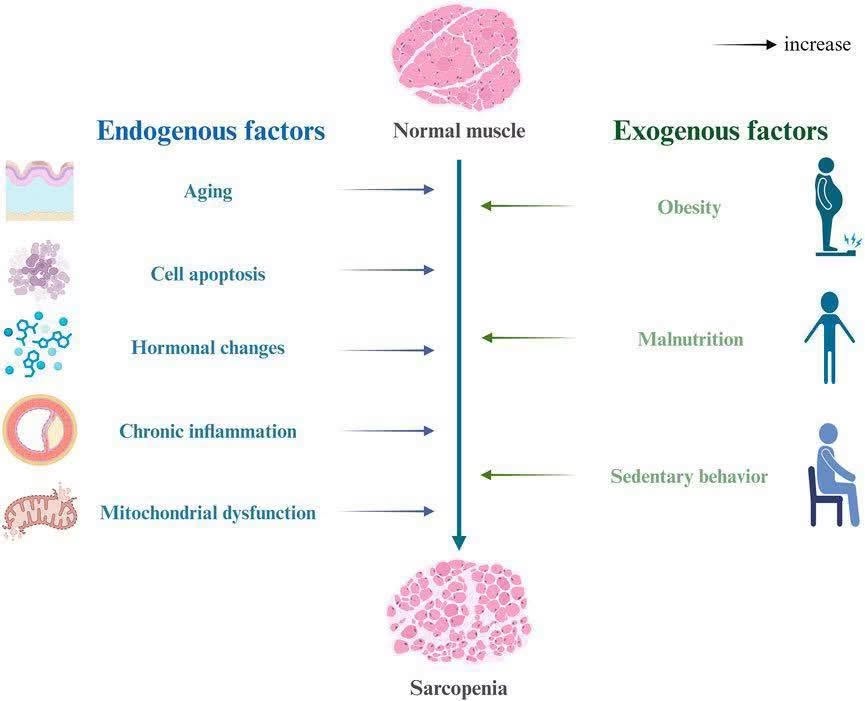
Statin muscle pain is common in some, severe damage is rare; statins may aid sarcopenia

Jan 02, 2025 · Louis Nervegna ♥ 7 · 💬 15 Statins

Louis argues statins are not toxic to muscle in most people. Myalgia occurs in some, possibly with a genetic susceptibility, while rhabdomyolysis is very rare (about 1 in 100,000, or 1 in 10,000 conservatively). Switching statins (e.g., to pravastatin or pitavastatin) or using non-statin LDL drugs can help, and low-dose statins are being studied as a treatment for sarcopenia.

Statins create mild mitochondrial stress that triggers protective mitohormesis

Nov 11, 2025 · Louis Nervegna ♥ 13 · 💬 7 ↩ 2 Statins

Louis explains that mild mitochondrial toxicity is not necessarily harmful and can be beneficial through mitohormesis, the mechanism he links to metformin, statins, exercise and calorie restriction. He cites a review proposing mitohormesis as another pleiotropic effect of statins and stresses that dose matters.

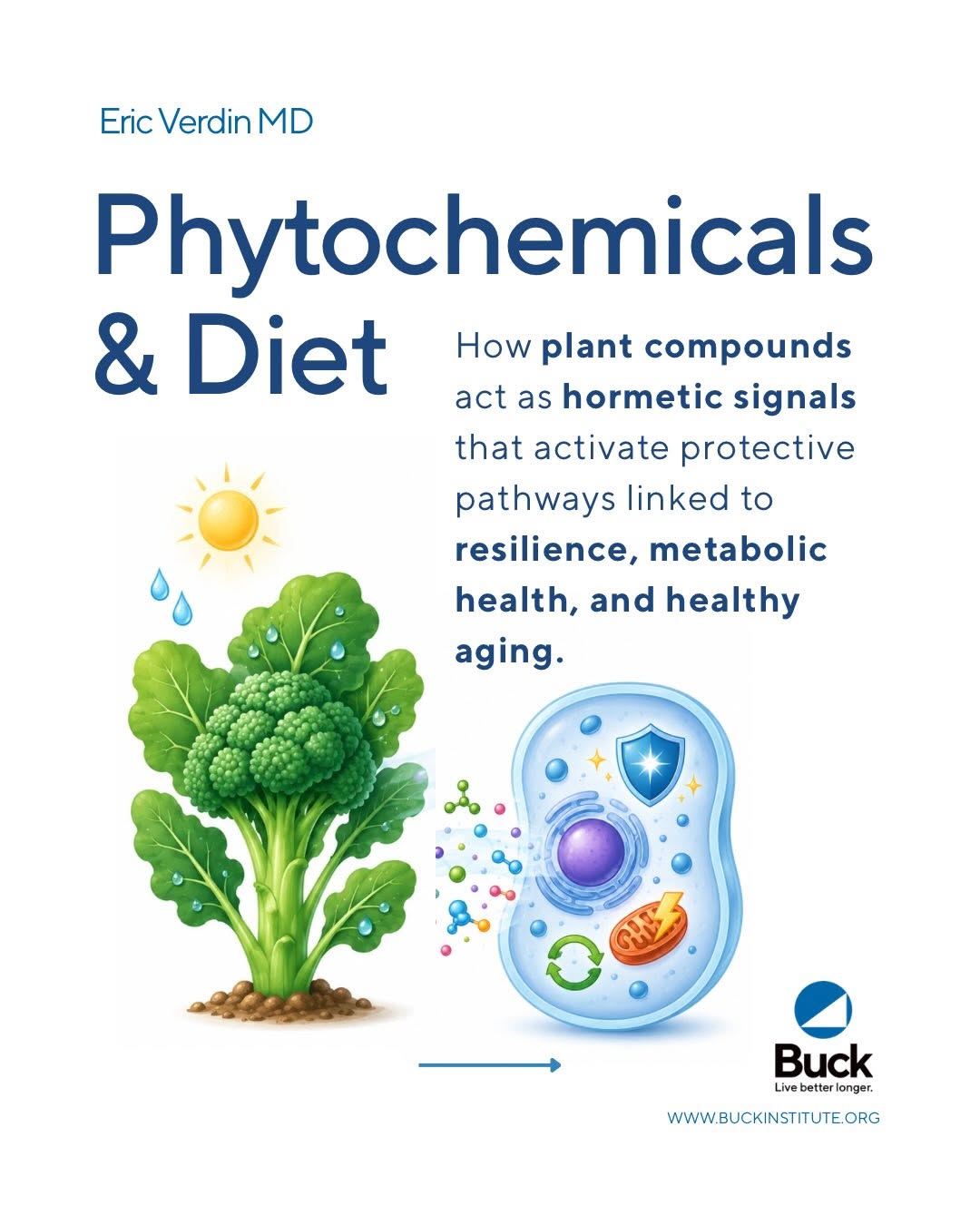
Plant phytochemicals act as hormetic signals linked to resilience and healthy aging

May 11, 2026 · Louis Nervegna ♥ 9 · 💬 1 Mediterranean, DASH, MIND & plant-forward diets

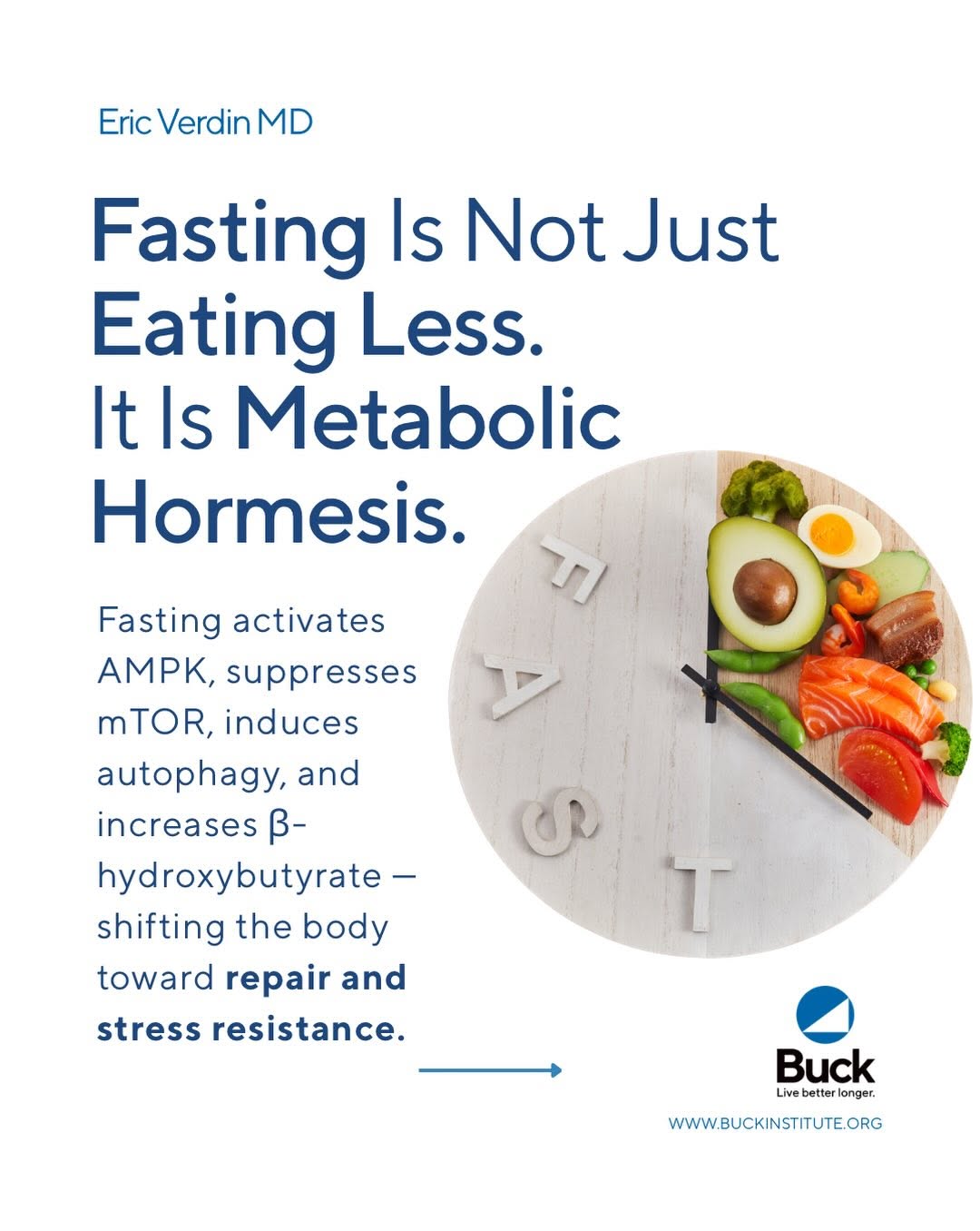
Eric Verdin's post, shared by Louis, describes phytochemicals such as sulforaphane, EGCG, quercetin, curcumin, fisetin and resveratrol as protective compounds that interact with pathways for antioxidant defense, autophagy, mitochondria and inflammation. It frames this as one reason diverse plant-rich diets associate with healthier aging.