Researchers have discovered yet another mechanism by which metformin lowers blood glucose.
It causes bacteria in the GI tract to consume more sugar, reducing the amount that is taken up into the bloodstream.
 Scientific AmericanPopular drug metformin transforms your gut into a sugar sinkResearchers are finally learning the mechanism behind one of the most prescribed medicines in the U.S., primarily used to treat or prevent type 2 diabetesscientificamerican.com
Quoted:
Now researchers have discovered that the substance [metformin] essentially transforms a person’s gut cells into a sugar sink, resulting in lowered levels of glucose.
Evidence of this mechanism stretches as far back as 1989, when French metabolic researcher Jean Girard and his colleagues published a paper describing how metformin increased the amount of glucose rats absorbed in their intestines.
Later, radiologists discovered that metformin can cause patients’ guts to “light up like a beacon” during a positron-emission tomography scan, O’Rahilly says. (This version of the test used a tracer molecule that goes to tissues consuming sugar.) Gradually metabolic scientists began to think this gut absorption of sugar could be important, and they revisited the old research. Not long after, University of Cambridge mitochondrial biologist Judy Hirst found that at very high levels, the drug blocks mitochondria from using oxygen.
For their new study, Northwestern University mitochondrial biologist Navdeep Chandel and his team wanted to figure out how these two ideas fit together: that metformin both causes the gut to absorb more glucose and blocks mitochondria’s oxygen use. Cell respiration, in which cells convert sugars into usable energy, happens inside mitochondria. So Chandel’s group complemented mitochondrial complex I, an enzyme necessary for cell respiration, with a yeast enzyme that isn’t affected by metformin and that they knew could perform some of the same functions in mice’s guts. In those mice, respiration continued as expected, but metformin didn’t reduce blood sugar levels. They concluded that when accumulated at high-enough levels, metformin, by blocking oxygen use, prompts gut cells to switch to a different metabolic pathway that uses much more sugar to produce energy.
This result is counterintuitive, especially considering metformin’s potential connection to antiaging effects. “All these people always say that for longevity, I want to boost my mitochondria,” Chandel says. “If anything, [metformin is] inhibiting mitochondria reversibly, transitively.”
“The broader lesson,” he adds, “is that inhibiting mitochondria may be beneficial when it is done in the right cells, for the right amount of time, without exposing the whole body to the broad toxicity of a mitochondrial inhibitor.” The new work was reported in Nature Metabolism.
My note:
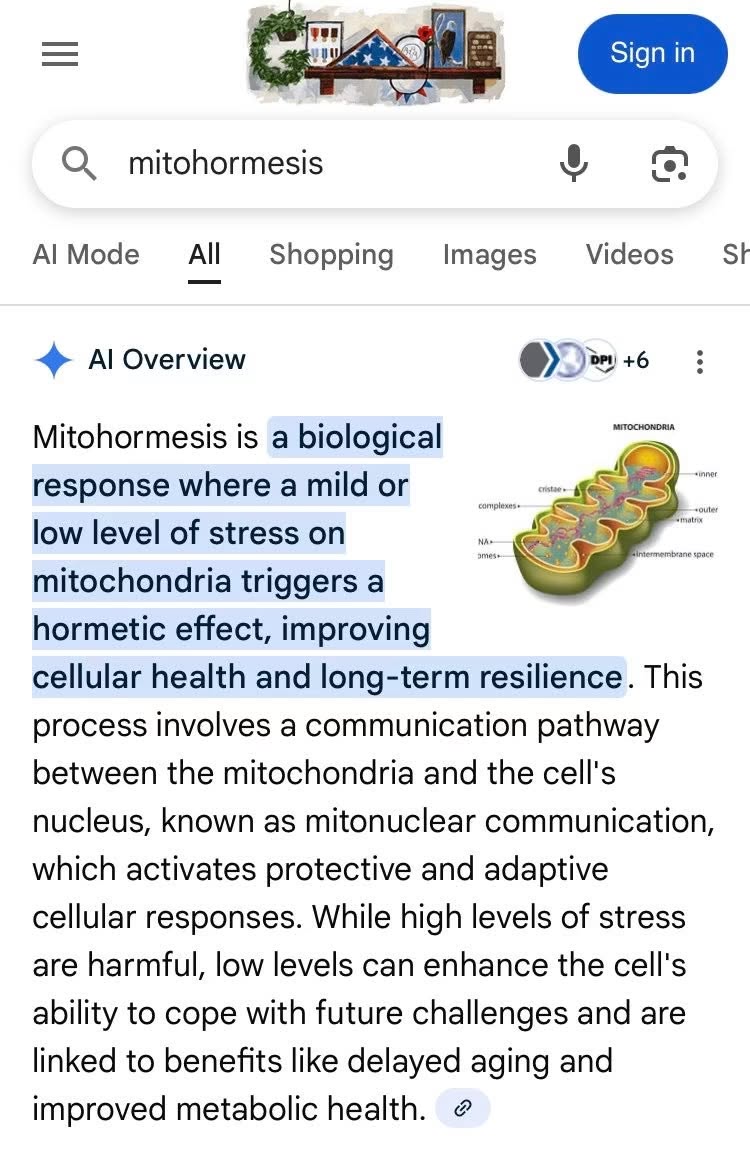
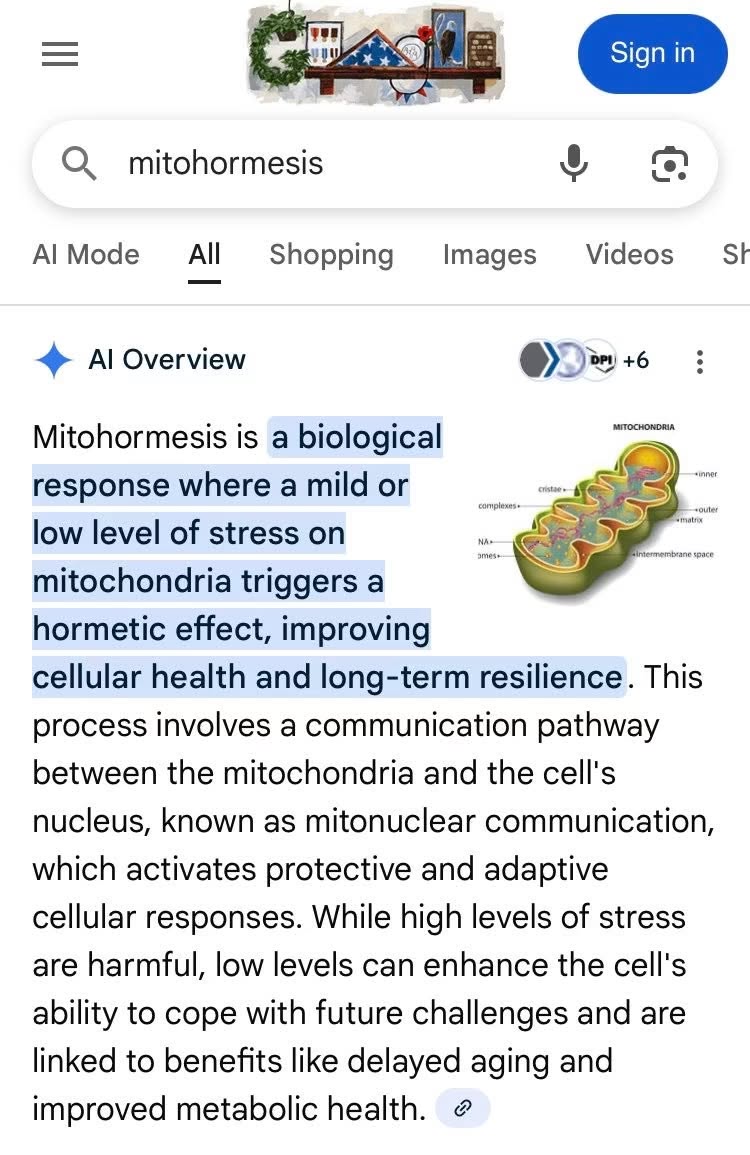
Regarding the comments in the article about metformin reducing mitochondrial function and how this impacts “anti-aging”, it is now pretty well understood that this mitochondrial inhibition is mild and hormetic when it occurs in human cells inside the human body. It turns on defensive pathways in the cell (e.g. AMPK) that contribute to its blood glucose lowering effect and are thought to have health benefits, especially in diabetics.
#metforminHD #glucoseHD #microbiomeHD #mitochondriaHD #hormesisHD