Rapid Heart Beat (Tachycardia)
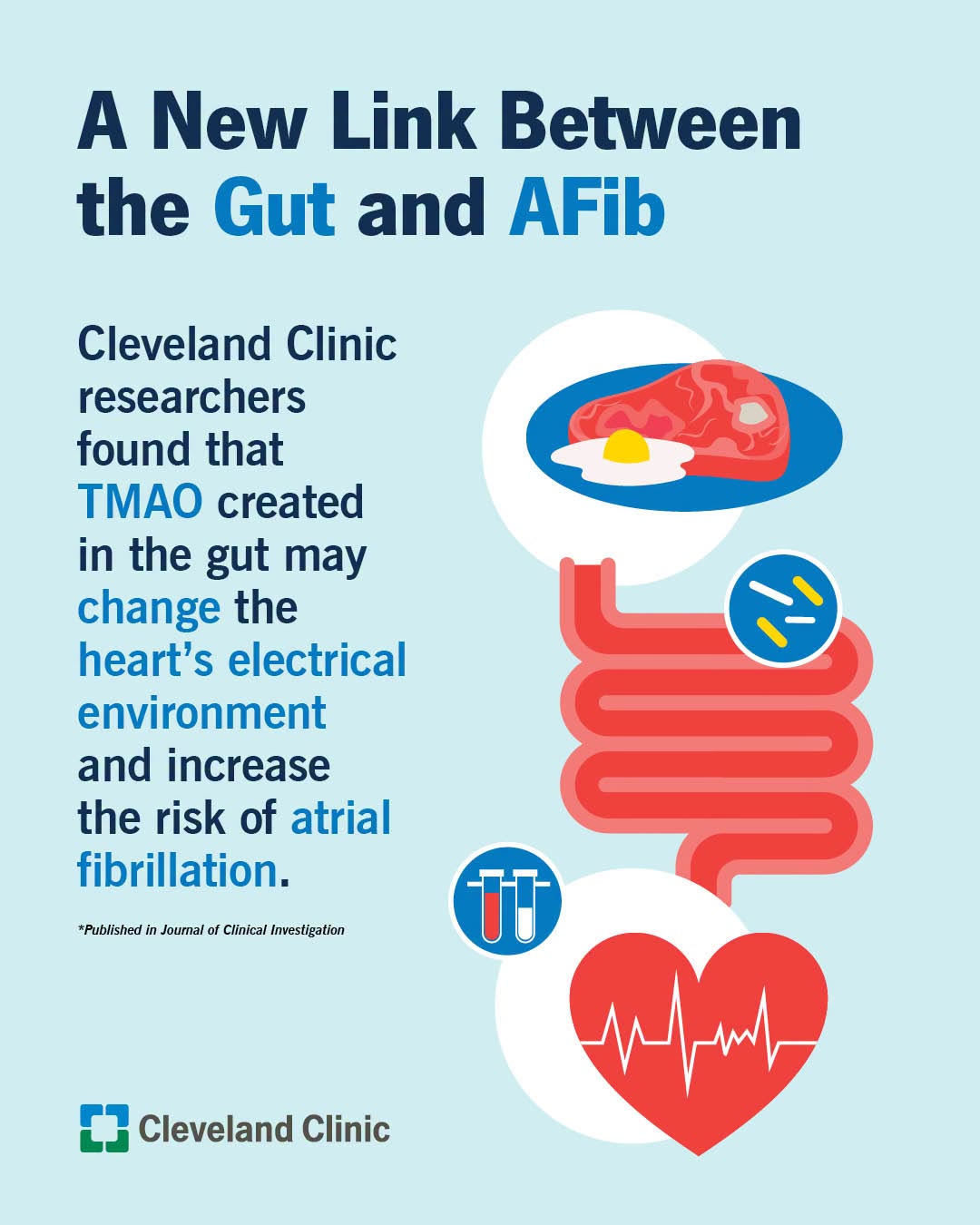
The most common cause of frequent bouts of rapid heart beats is atrial fibrilation (AFib).
mayoclinic.orgLink to mayoclinic.orgmayoclinic.orgQuoted from the Mayo Clinic:
“Atrial fibrillation, also called AFib: This is the most common type of tachycardia. Chaotic, irregular electrical signals start in the upper chambers of the heart, called the atria. These signals trigger a fast heartbeat. A-fib may be temporary. But some episodes won't end unless treated.”
Another common cause is blockage in the coronary arteries.
This can be a sign of significant atherosclerotic disease.
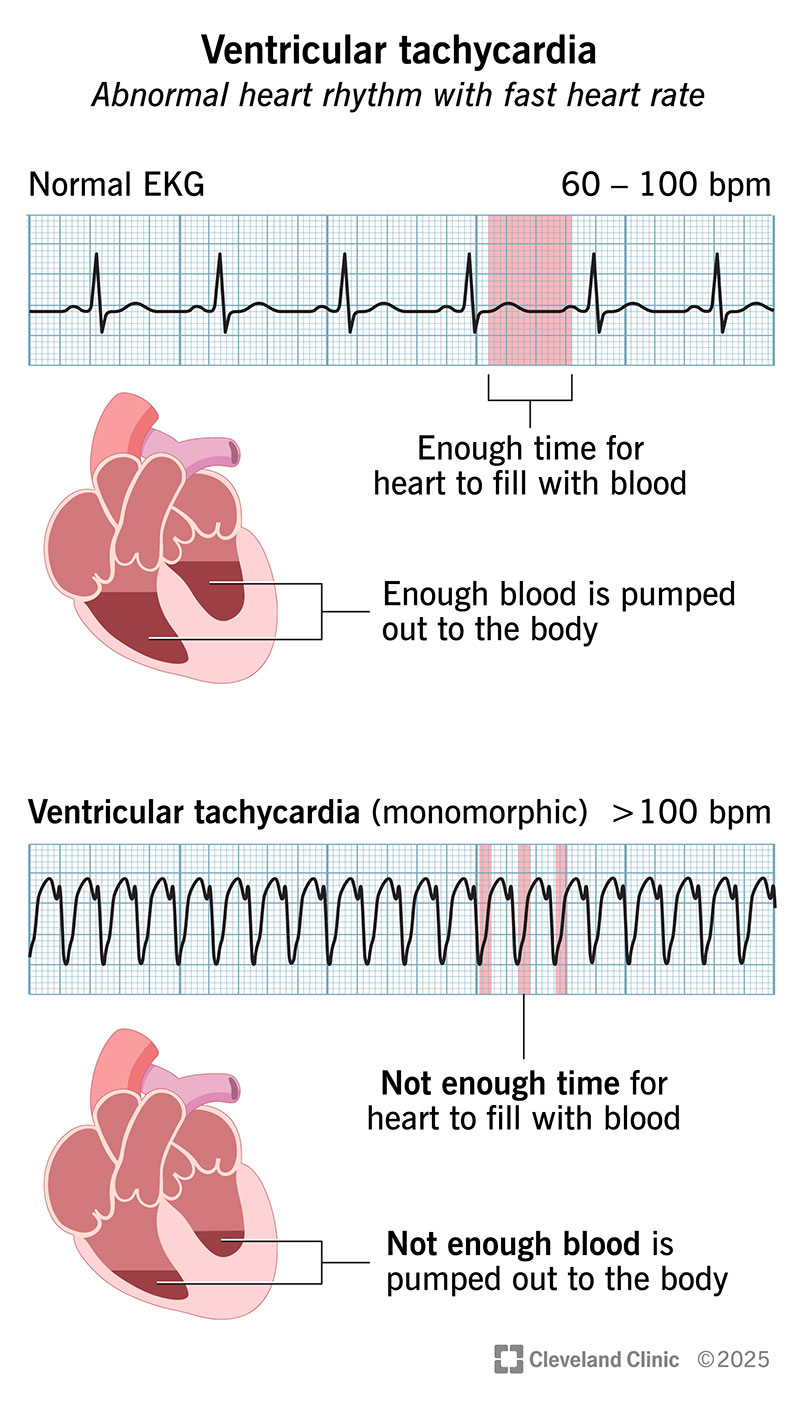
Quoted from the Cleveland Clinic:
“What is the most common cause of ventricular tachycardia?
Ischemic heart disease is the most common cause. This is also known as coronary heart disease or coronary artery disease. It means your heart muscle can’t get enough blood and oxygen because of blockages in the coronary arteries. This usually happens because of atherosclerosis.”
You should see your cardiologist as soon as possible if you experience these symptoms.