HD-OPM Archive
Topics › Lp(a)

Higher Lp(a) is linearly associated with lower risk of fatty liver in NHANES data

Louis Nervegna · Mar 16, 2025 · ♥ 16 reactions · 1 comments · original Facebook post
Lp(a)Weight, visceral & liver fat
AI summary & key facts

Louis shares a Scientific Reports cross-sectional analysis of 2,308 NHANES participants finding a significant linear negative association between Lp(a) and NAFLD, suggesting Lp(a) could serve as a biomarker of NAFLD risk. He notes that at this point only the inverse relationship is known, and the headline claim that high Lp(a) might protect against fatty liver is speculative.

High Lp(a) might actually protect against fatty liver.

This is a very interesting new paper that was just published.

At this point, all we know is that there is a strong inverse relationship between Lp(a) and risk of developing NAFLD.

Quoted:

“There is a significant linear negative association between Lp(a) levels and the risk of NAFLD, suggesting that Lp(a) may serve as a potential biomarker for assessing NAFLD risk.”
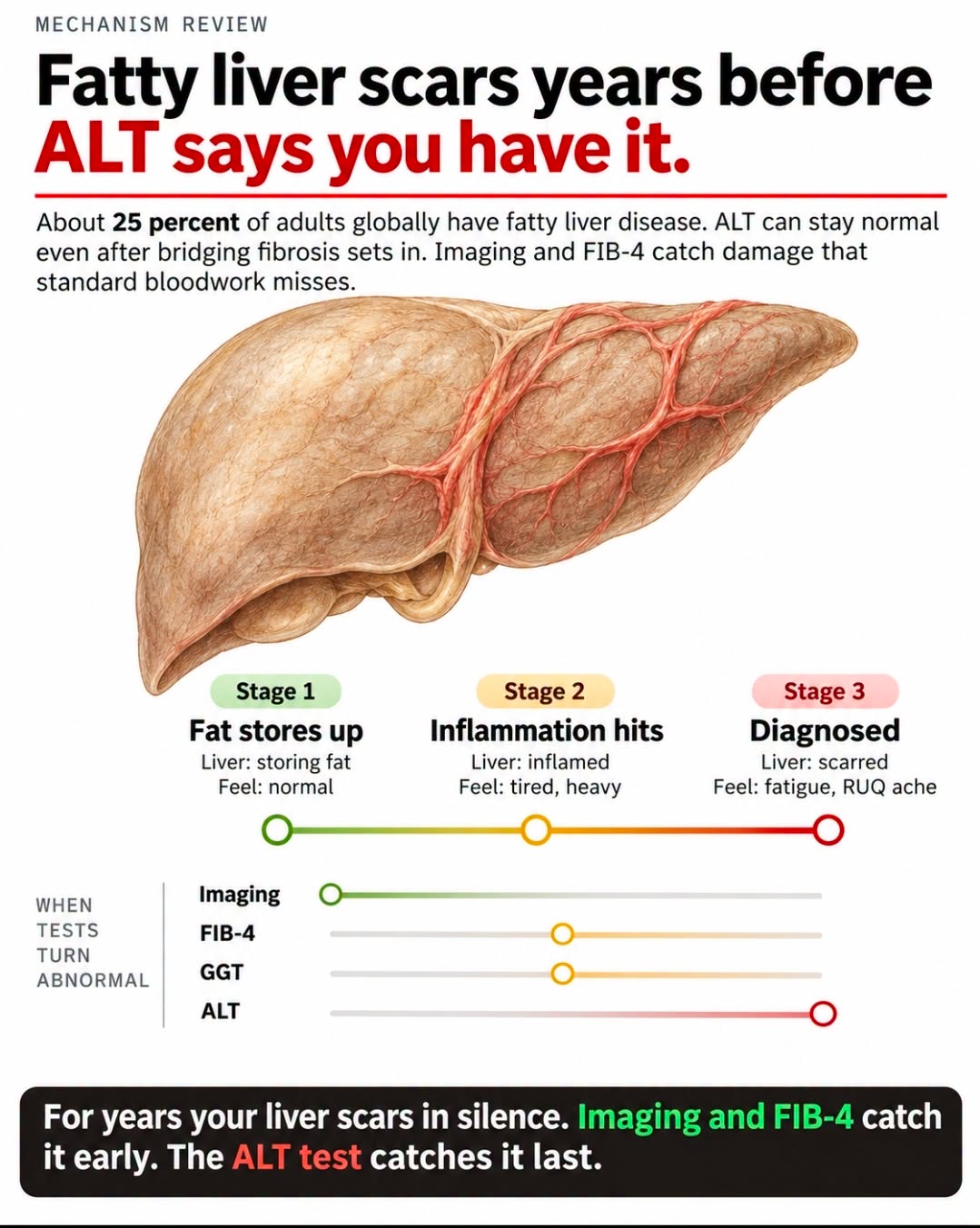
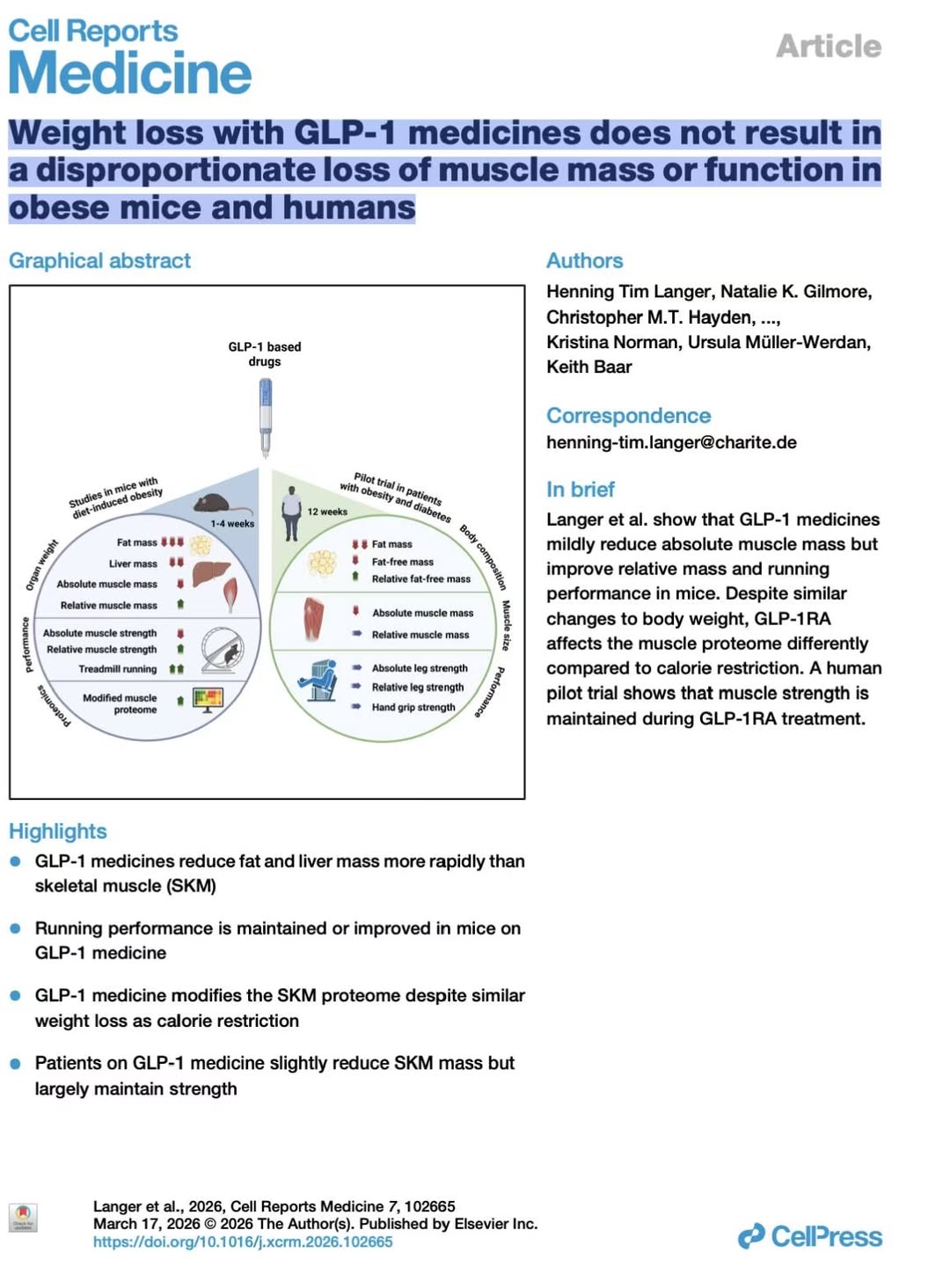
Paper · Sci Rep · 2025There is a linear negative correlation between lipoprotein(a) and non-alcoholic fatty liver diseaseThis study aimed to investigate the relationship between lipoprotein(a) [Lp(a)] levels and non-alcoholic fatty liver disease (NAFLD), and to analyze its linear association and subgroup differences. This cross-sectional analysis was based on data from 2308 participants in the National Health and Nutr...nature.com

Research cited

#fattyliver#liver#nhanes
← newer: Resistance exercise preserves muscle during calorie restrictolder: JAMA 2025 trial of high-dose vitamin D in early multiple scl →