HD-OPM Archive
Topics › Insulin resistance & diabetes

Big glucose spikes from oats signal insulin resistance; only losing visceral fat cures it

Louis Nervegna · Mar 01, 2025 · ♥ 23 reactions · 8 comments · original Facebook post
Insulin resistance & diabetesWeight, visceral & liver fatLow-carb, keto & carnivore
AI summary & key facts

Louis argues that large glucose spikes from low-to-moderate GI carbs suggest prediabetes or diabetes, and that cutting carbs only masks the problem unless enough weight is lost to clear liver and pancreas fat. He adds that visceral fat can hide in people with normal BMI, that Asians develop insulin resistance at lower visceral fat levels, and summarizes Roy Taylor's very-low-calorie diet trials.

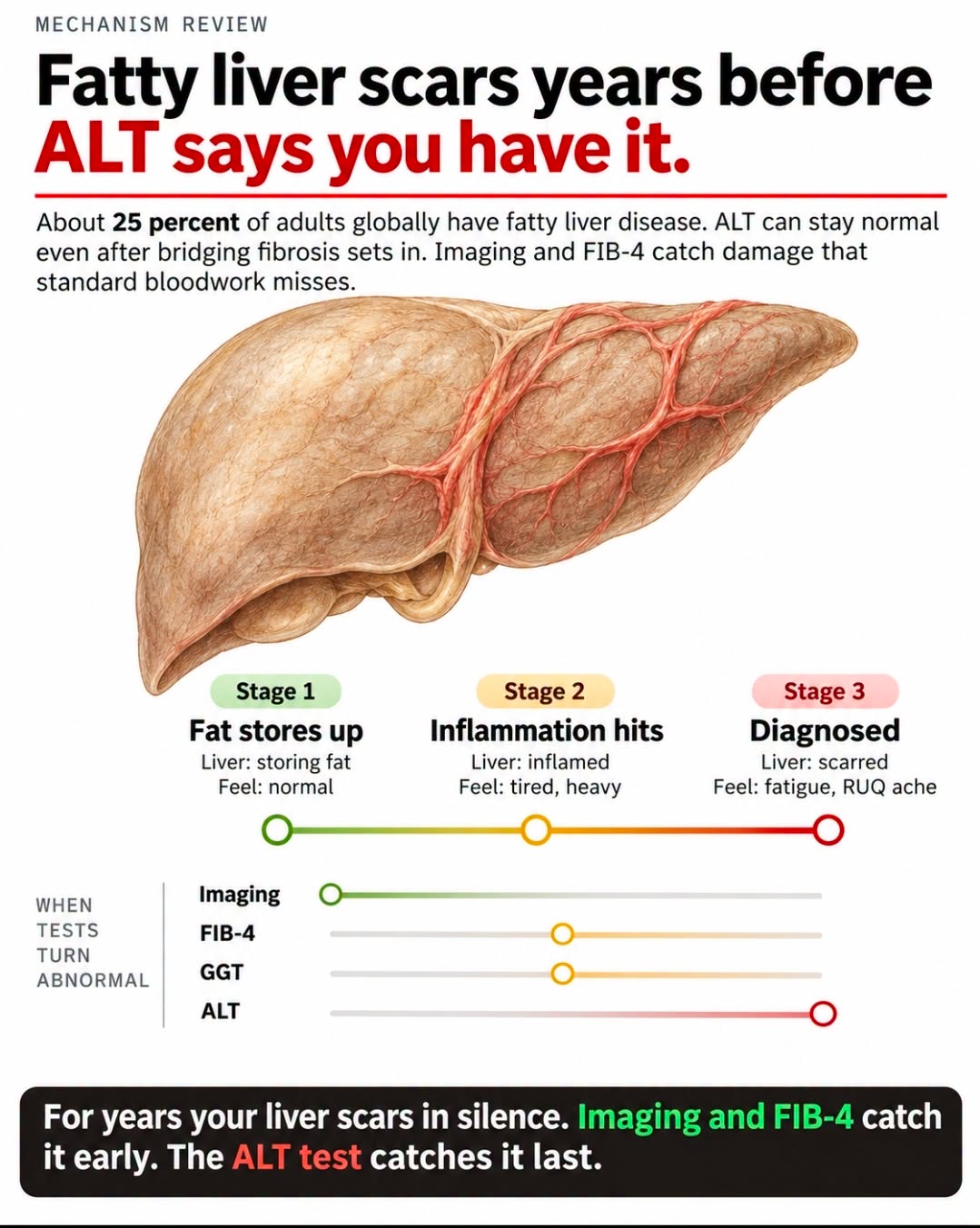
If you are getting really big blood sugar spikes from mild to moderate GI carb foods like slow-cook steel cut oats, then you are probably prediabetic or diabetic or very close. The only way to truly cure that is to eliminate the fat in your liver and pancreas.

Eliminating carbs can work in the short term to control your blood sugar, but it will not cure you unless it is also accompanied by enough weight loss to clear your liver and pancreas of fat. Eliminating all carbs without weight loss just covers up the problem. If you don’t lose the visceral fat, the insulin resistance will likely continue to get worse underneath the surface over time, and you will find it harder and harder to control your blood sugar even on a zero carb diet.

You must get very lean to truly eliminate insulin resistance. Low carb diets can work for weight loss (studies have clearly shown that), but you must lose the weight to truly see the benefit. There are lots of other diets that can work as well. Find one that works for you.

Don’t assume that you have very little visceral fat just because your weight is relatively normal. Some people are “skinny fat”, meaning they have significant visceral fat despite having a normal BMI. These skinny-fat people can benefit from dieting to lose the visceral fat, combined with a resistance training program to replace the lost weight with muscle. Keep in mind that race and genetics play a major role in how much visceral fat it takes to cause insulin resistance. For example, asians develop insulin resistance at considerably lower levels of viscersl fat than caucasians.

↪ Roy Taylor trials: 15 kg weight loss cleared liver and pancreas fat, reversing diabetes

↪ Roy Taylor's trial: diet-induced weight loss restores pancreas function in type 2 diabetes

↪ Liver fat is the biggest driver of insulin resistance in most people, per a Harvard expert

↪ Roy Taylor trial: clearing liver and pancreas fat via 8-week low-calorie diet reversed T2D
Research cited

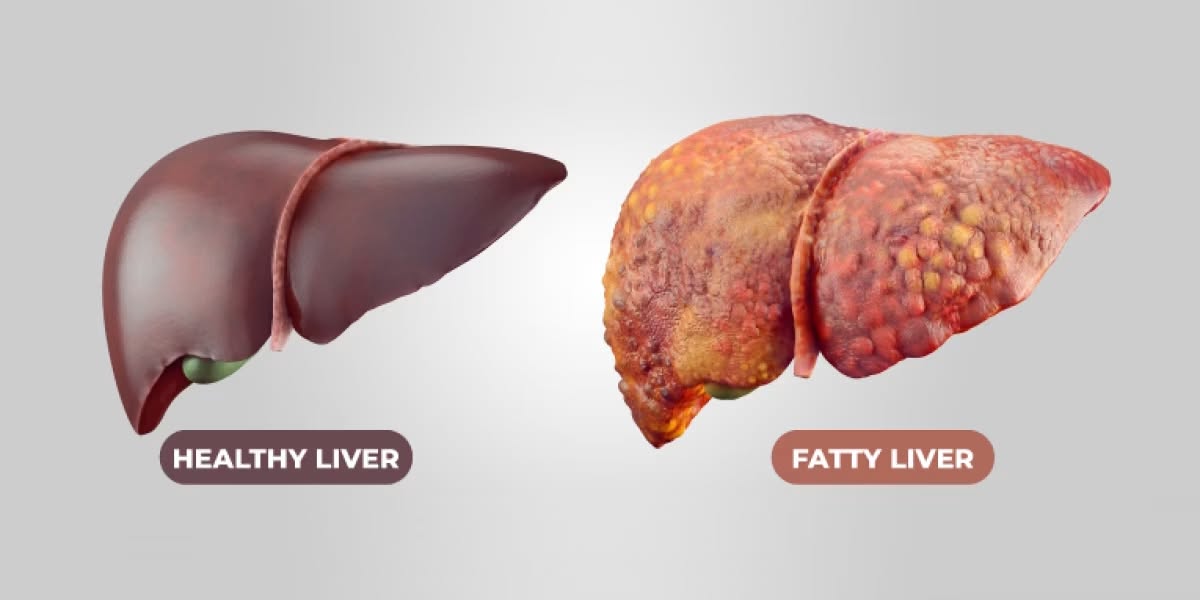
The solution to diabetes, fatty liver, and metabolic disease is simple:

Lose your visceral fat

(This is the fat in your abdomen that is intermixed with your organs, underneath the ab muscles.)

This will REVERSE all 3 of these diseases.

How much is enough to reverse these diseases? It varies from person to person. But on average, it requires about 30lbs of weight loss.

Roy Taylor has proven that this works in large randomized controlled trials:

↪ Roy Taylor's trial: diet-induced weight loss restores pancreas function in type 2 diabetes

↪ Liver fat is the biggest driver of insulin resistance in most people, per a Harvard expert

↪ Roy Taylor trial: clearing liver and pancreas fat via 8-week low-calorie diet reversed T2D
There is no reason to complicate this.

Find a diet that works for you.
Lose 30lbs.

If necessary, use supplements and drugs to help, like the newer GLP1 agonists.

————-

Taylor used a 700 calorie liquid diet to do this. It contained normal proportions of carbohydrate, fat, and protein. Unlimited salad greens and non-starchy vegetables were allowed in addition to the low-calorie shakes. No weight loss drugs were used.

This very low number of calories induced rapid weight loss. The liver was cleared of fat in just a couple weeks, and the pancreas in about 8 weeks. This regenerated the pancreas and cured the patients of their diabetes, fatty liver, and metabolic syndrome.

After that, the patients were transitioned to a normal calorie traditional Mediterranean diet for maintenance.

The patients remained cured long term, as long as they continued to keep their visceral fat low.

#visceralfat#weightloss#insulinresistance#insulin#liver#bloodsugar#fattyliver#muscle
← newer: Loyal says its IGF-1-lowering dog lifespan drug will be avaiolder: The Minnesota Coronary Experiment did not show that omega-6 →