HD-OPM Archive
Hashtags

#epigenetics

9 posts

Dietary fiber as a longevity intervention: 15-30% lower mortality at 25-29 g/day

Dec 28, 2025 · Gokhan Can ♥ 23 · 💬 12 Carbs, fiber, sugar & whole grains

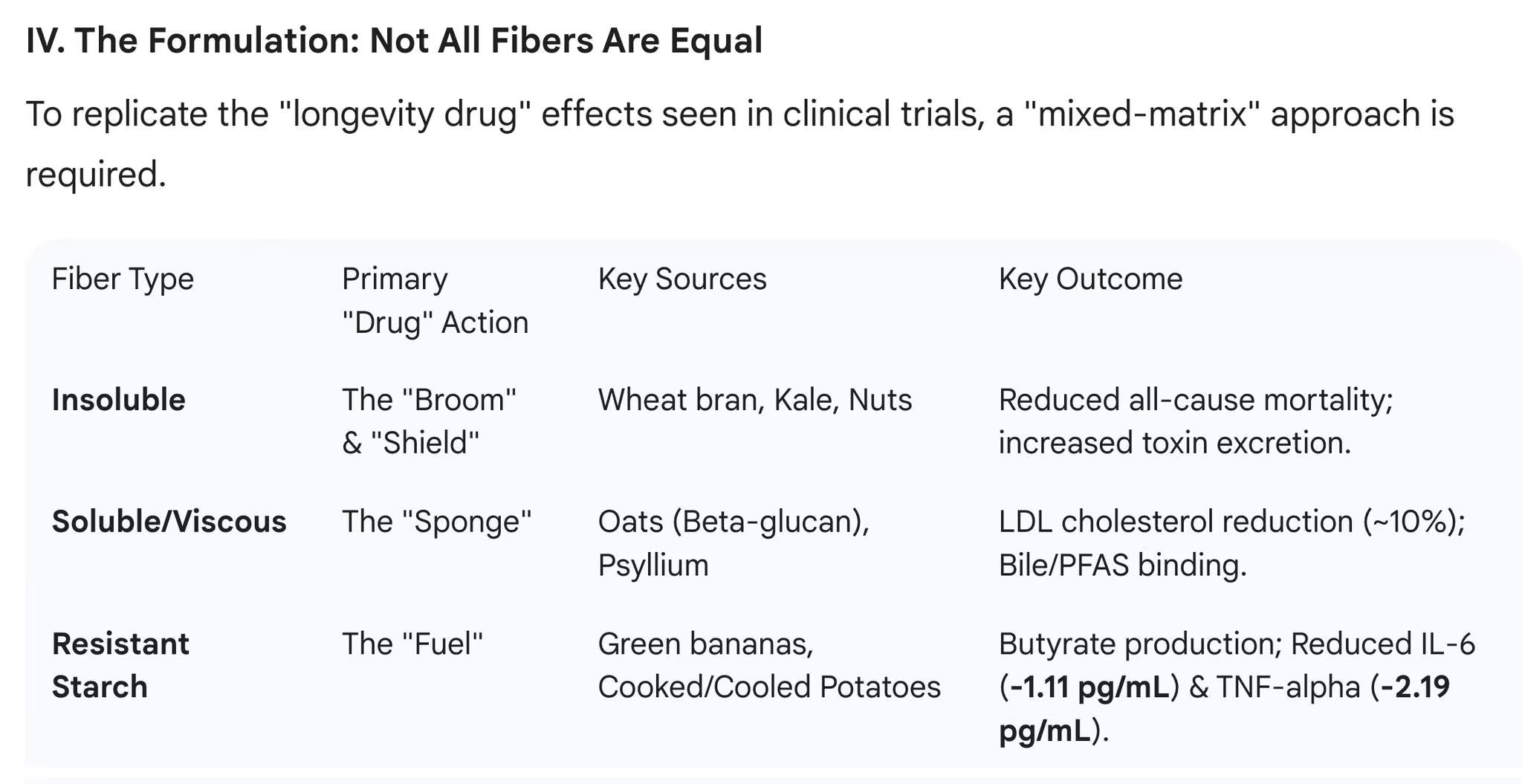
Long summary arguing fiber is a bioactive longevity tool. The WHO-commissioned Reynolds 2019 meta-analysis found 15-30% lower all-cause mortality at 25-29 g/day, with benefits continuing per extra 8 g; newer NHANES data suggest diminishing returns past ~30 g/day. It describes mechanisms including butyrate-driven epigenetic effects and gut barrier reinforcement against toxins such as microplastics.


Alpha-ketoglutarate (AKG): longevity data in worms and mice, plus anti-thrombotic effects

Mar 02, 2024 · Gokhan Can ♥ 13 · 💬 13 Supplements & vitamins

Summarizes the case for the supplement AKG, which extended lifespan in worms by about 50% and healthspan in aged mice, apparently by mildly suppressing mitochondrial function and mimicking calorie restriction. The linked EBioMedicine paper suggests AKG inhibits thrombosis and inflammation. The human evidence for cardiovascular benefit is limited and the author notes he personally uses it.

First epigenetic reprogramming trial in the eye; cardiovascular use is speculative

Jun 11, 2026 · Louis Nervegna ♥ 26 · 💬 8 ↩ 1 Aging & longevity

Louis comments on the start of a clinical trial using Yamanaka-factor epigenetic reprogramming to restore youthful cell states in the eye. The eye is the testing site because it is isolated from the body by the blood-ocular barrier, limiting cancer risk. He says if it works and is safe, cardiovascular regeneration could follow, which is speculation.

Cholesterol as a master regulator of blood stem cells, driving inflammatory hematopoiesis

Oct 19, 2025 · Gokhan Can ♥ 7 · 💬 4 Inflammation & CRP

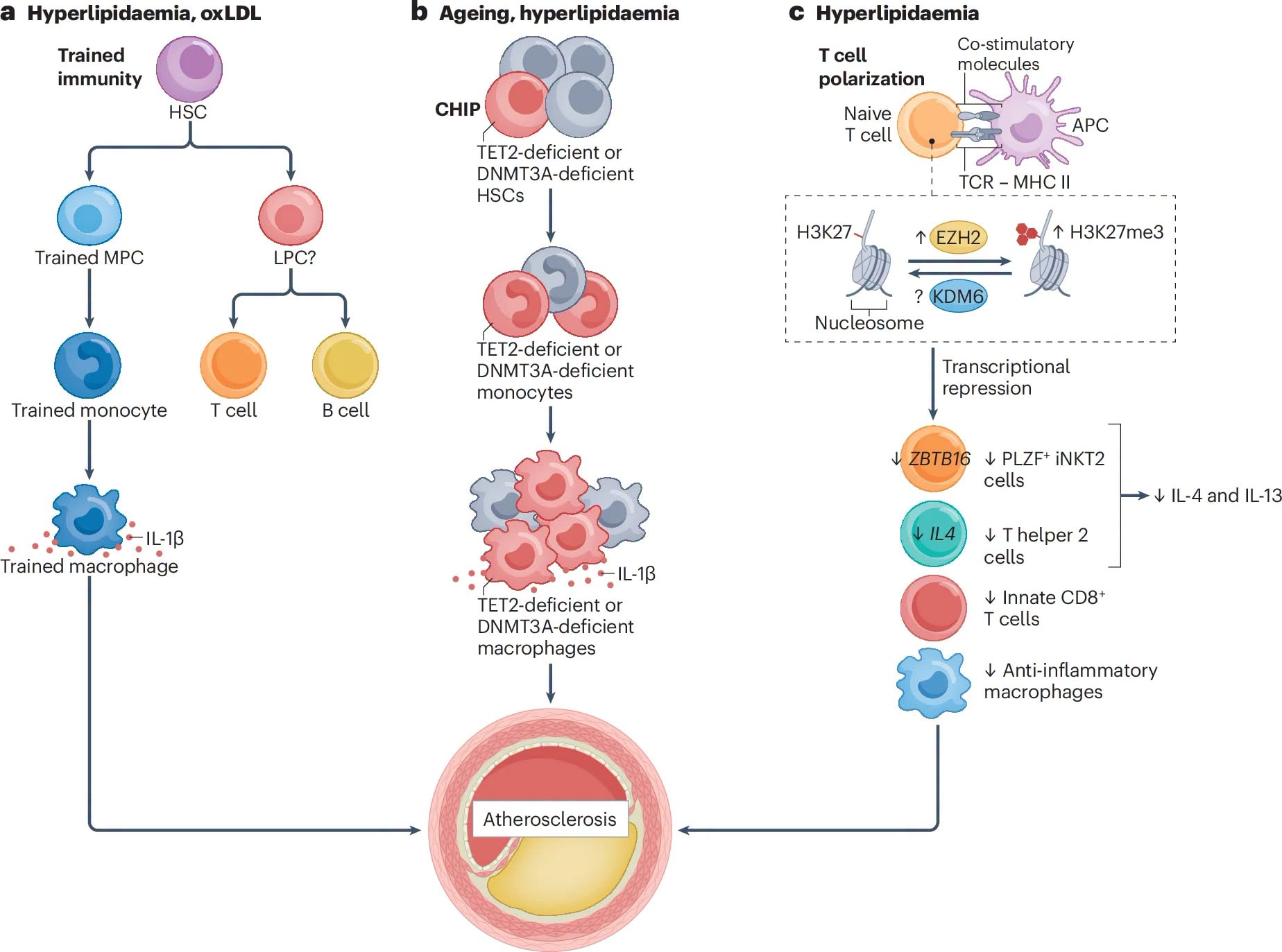
Review of preclinical evidence that high LDL pulls hematopoietic stem cells out of dormancy, causing proliferation, oxidative stress, telomere shortening, impaired repopulation and lasting epigenetic changes that program blood and immune cells toward chronic inflammation. This offers a molecular basis for residual inflammatory risk after cholesterol is treated.