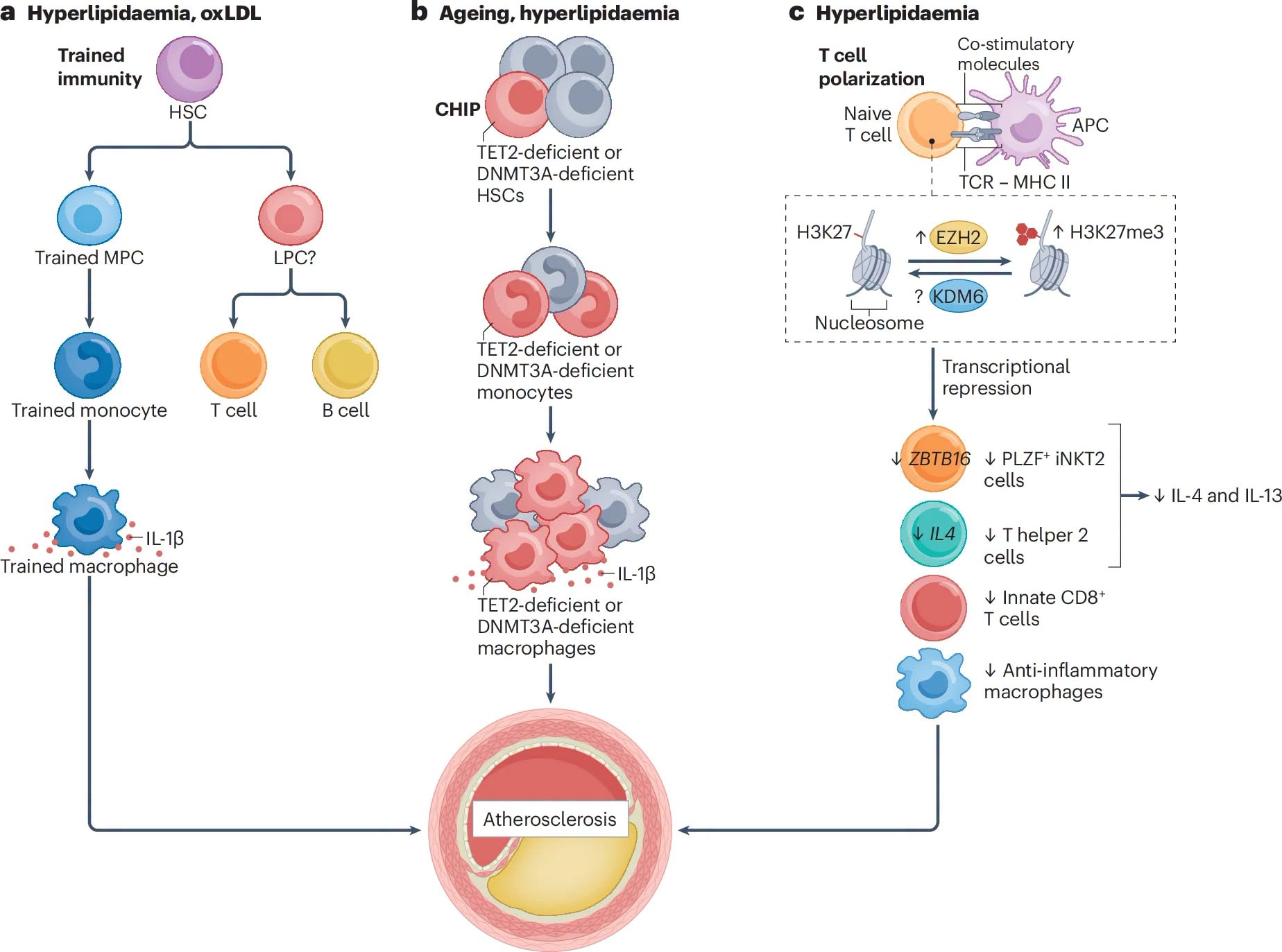
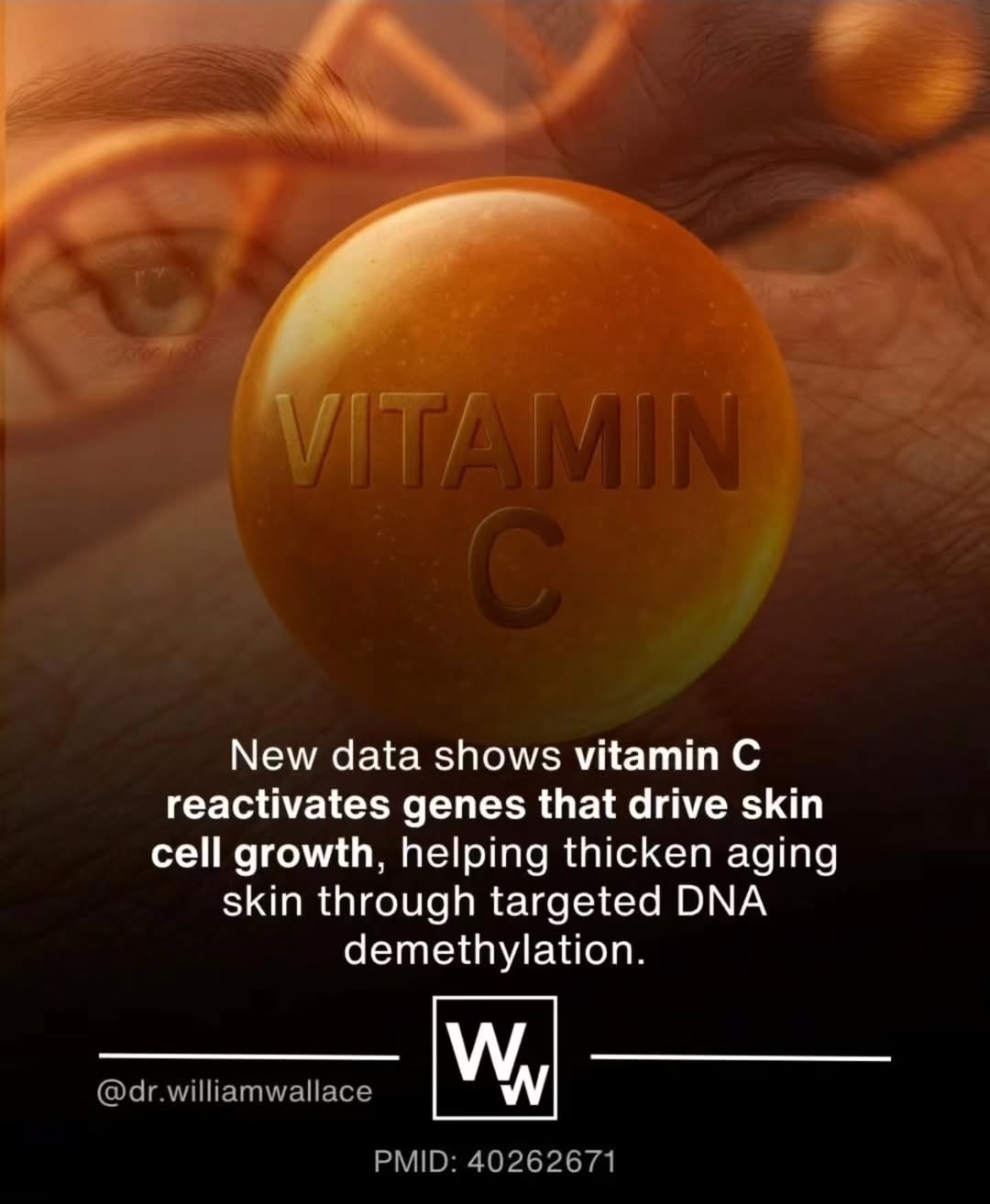
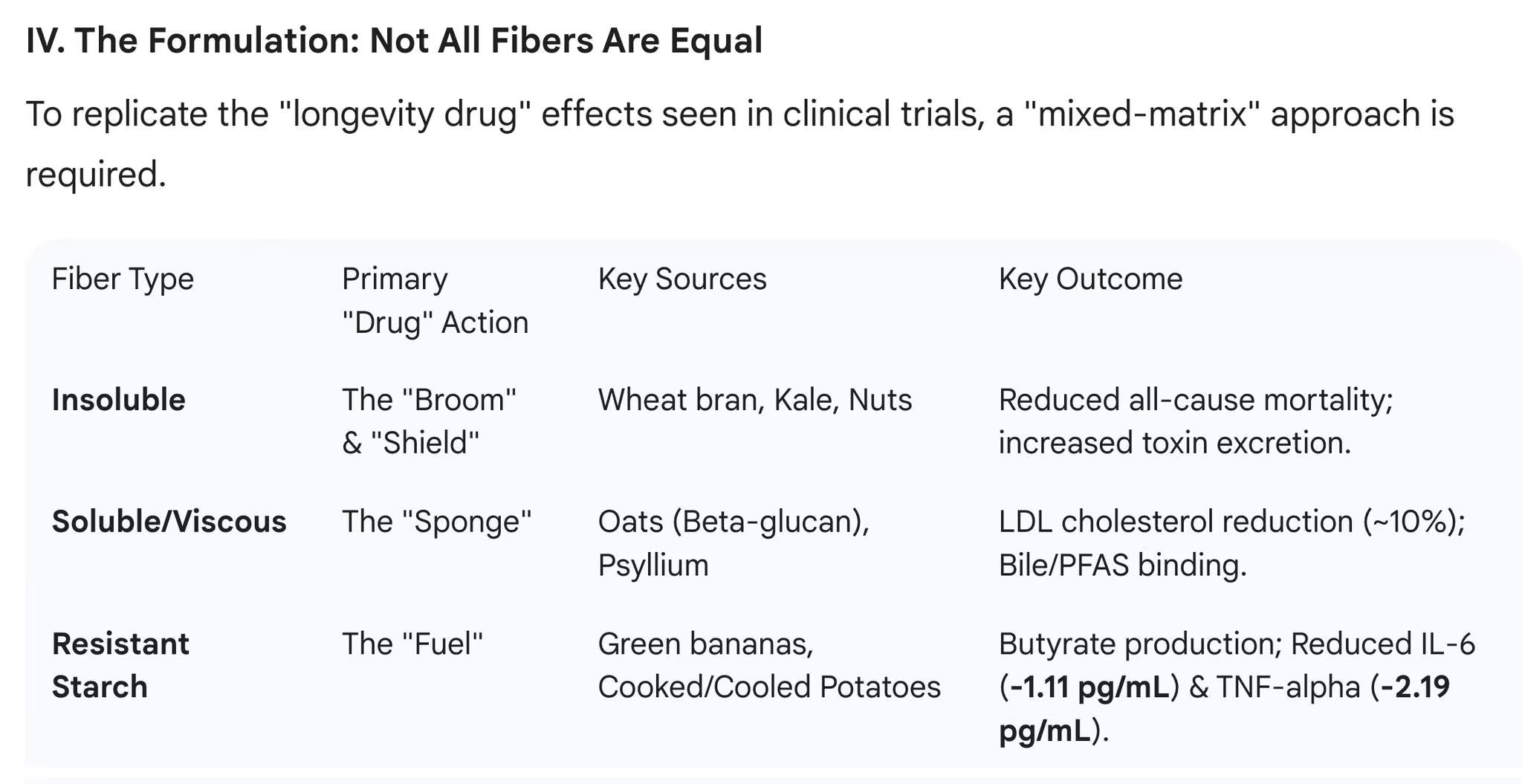
We now have the ability to reverse the epigenetic age of cells in vitro, and also to a limited degree in animal experiments.
There is even a small human trial testing the technology in advanced glaucoma: ↪ First epigenetic reprogramming trial in the eye; cardiovascular use is speculative.
This work is still in its infancy, but it may one day revolutionize cardiology.
Link to journal article:
Paper · Nat Rev Cardiol · 2026Epigenetic regulation in atherosclerosis and its therapeutic potentialnature.comQuoted:
“In this Review, we provide an overview of epigenetic regulation in atherosclerosis, focusing on how these dynamic, reversible modifications orchestrate gene expression in vascular endothelial cells, vascular smooth muscle cells and immune cells. We highlight how technological advances and the integration of multimodal datasets have progressed this research field and describe the cell-specific contributions of genetically associated loci. Finally, we discuss preclinical study findings and the translational efforts towards the development of epigenetic drugs as promising interventions to attenuate atherosclerotic plaque progression and inflammation, shedding light on the challenges of specificity, delivery and long-term safety. Achieving clinical applicability will enable precision medicine approaches to transform atherosclerosis therapy.”
“Epigenetics can be used in the clinic for prognostic applications, including DNA methylation-based scores and epigenetic clocks; moreover, targeting epigenetic enzymes and regulatory pathways offers options for improved tailored therapy in cardiology.”
#epigeneticsHD #epigeneticclockHD #agingHD #longevityHD #cvdHD #epigeneticreprogrammingHD