HD-OPM Archive
Hashtags

#ushapedcurve

14 posts

Centenarians' higher LDL reflects survivorship bias, not a benefit of high LDL

Oct 15, 2025 · Louis Nervegna ♥ 8 · 💬 36 LDL, ApoB & lipid panel

Louis explains that centenarians tend to have higher LDL simply because higher LDL is common in the general population; they reach 100 because of protective genes that let them survive despite high LDL. Low LDL is uncommon in Western countries, genetics is the main determinant of reaching 100, and low LDL may delay cardiovascular death but will not by itself get someone to 100.

Low LDL in cancer patients reflects reverse causality: tumours scavenge LDL

May 25, 2026 · Louis Nervegna ♥ 17 · 💬 12 LDL, ApoB & lipid panel

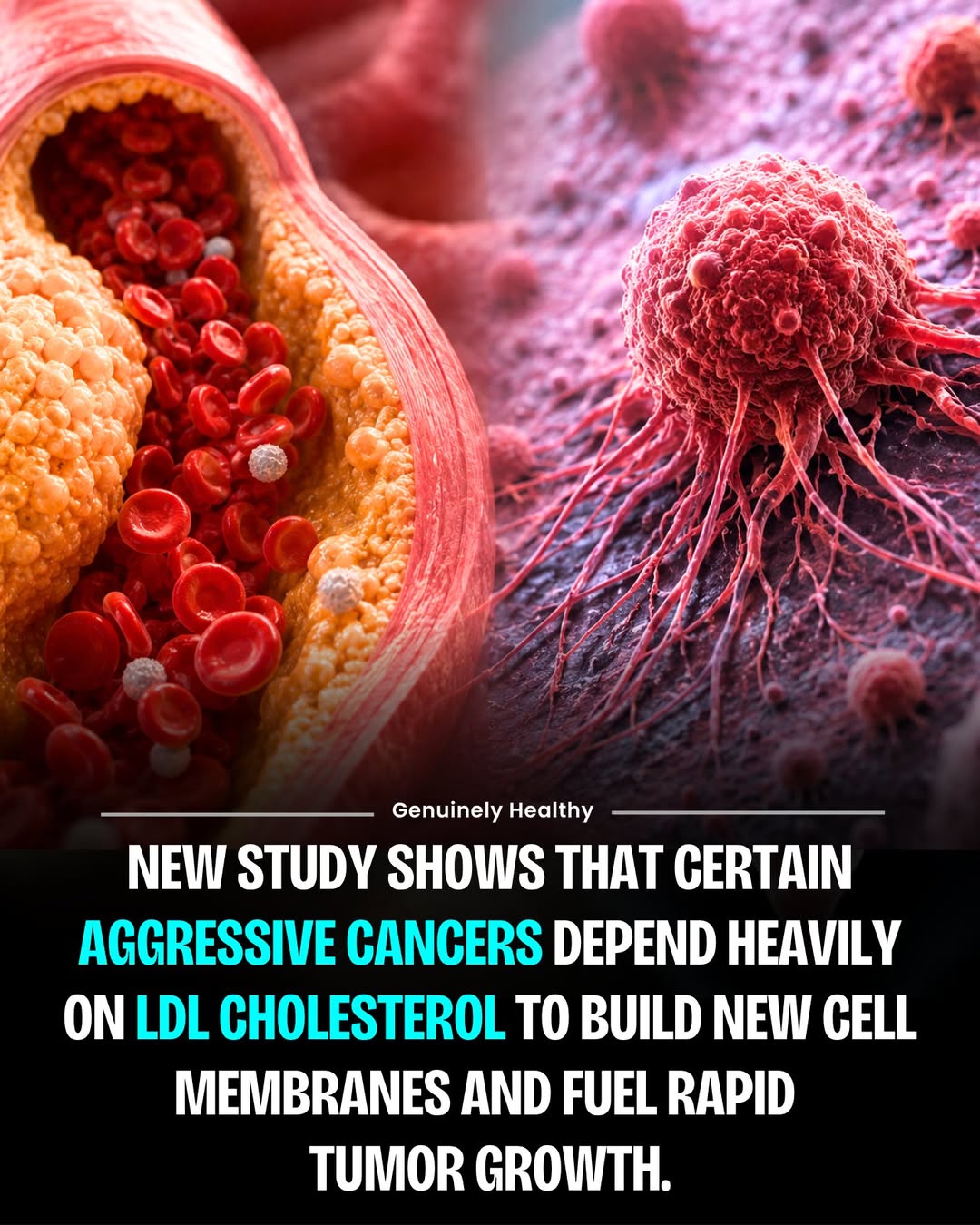
Louis explains that rapidly dividing tumour cells take up circulating LDL, so LDL falls in people with cancer and observational data show low LDL with higher cancer mortality. The shared 2026 Science Advances study found aggressive breast cancers with TP53 mutations depend on cholesterol, and blocking PI5P4K enzymes trapped cholesterol and disrupted mTOR signalling.

Mendelian randomization: lifelong lower LDL tracks linearly with lower heart disease risk

Oct 10, 2026 · Louis Nervegna ♥ 13 · 💬 8 LDL, ApoB & lipid panel

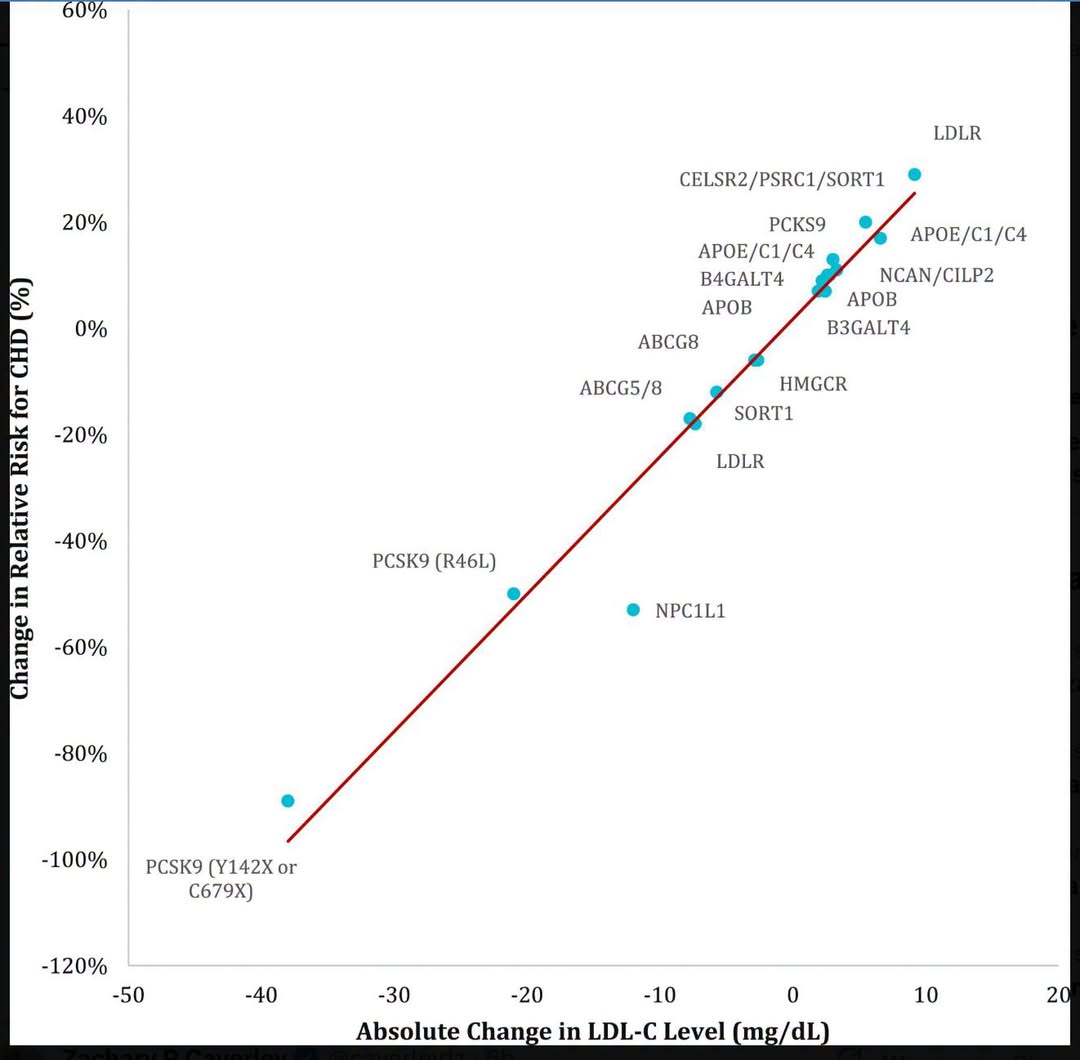
The post explains a chart from a European Atherosclerosis Society consensus statement showing that genetic variants affecting LDL through different pathways (LDLR, PCSK9, APOB, HMGCR, NPC1L1, SORT1, ABCG5/8) change coronary risk in proportion to the LDL change. This matches the linear relationship seen in statin trials. The poster also shows how to convert relative risk reductions into lifetime absolute risk.

Why high cholesterol 'protects' in observational data: reverse causation, not low-LDL harm

Sep 06, 2026 · Louis Nervegna ♥ 14 · 💬 7 LDL, ApoB & lipid panel

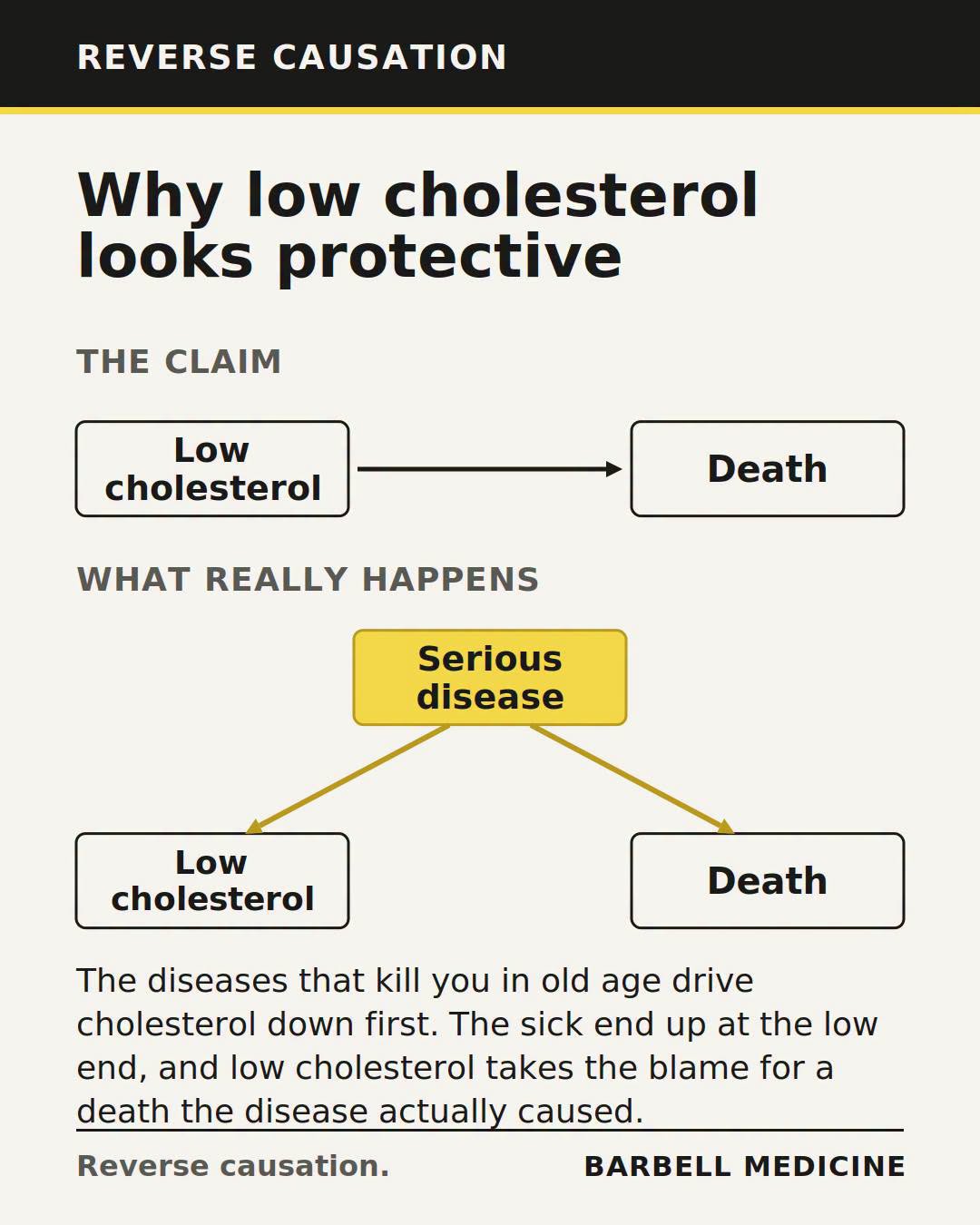
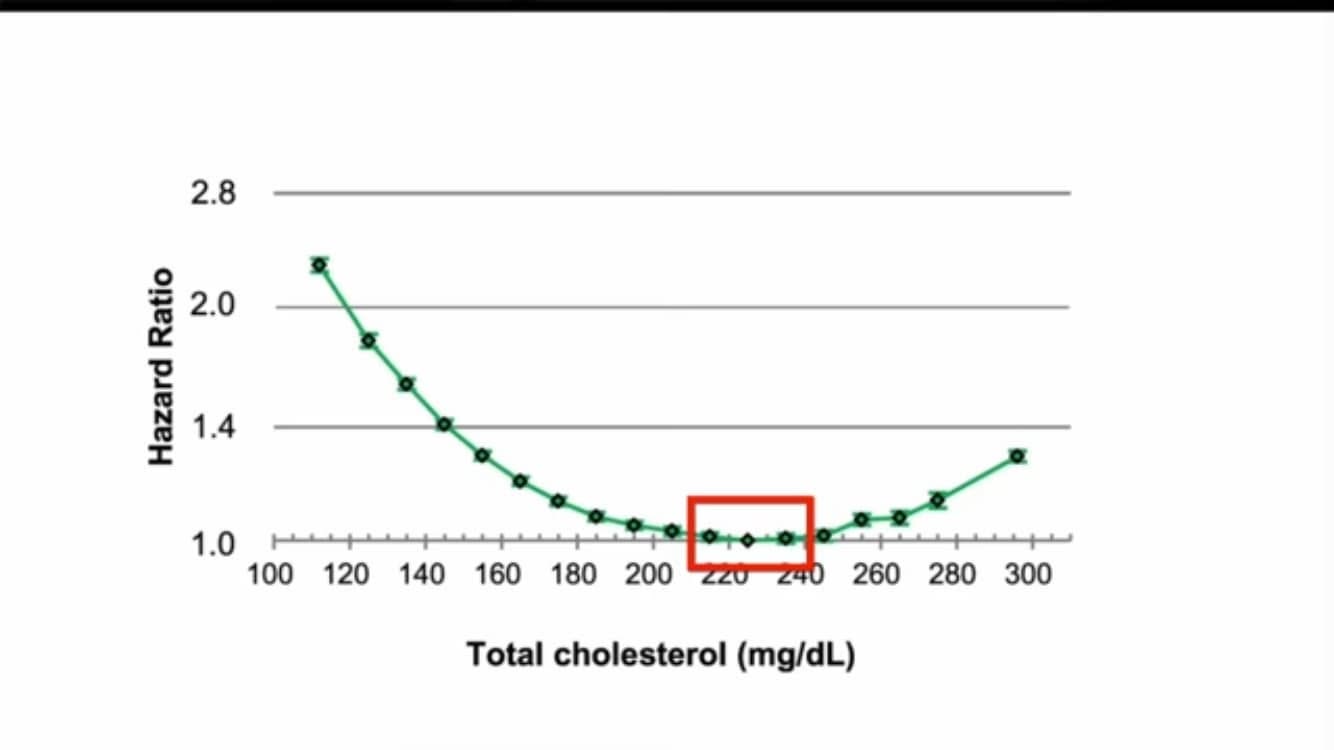
Louis quotes a Barbell Medicine explanation that low cholesterol in sick, older people reflects disease lowering cholesterol, not the reverse. Genetically low LDL lowers heart disease with normal cancer risk and lifespan, and lowering LDL on purpose cuts heart risk proportionally. The small diabetes risk is concentrated in people already near the metabolic edge.

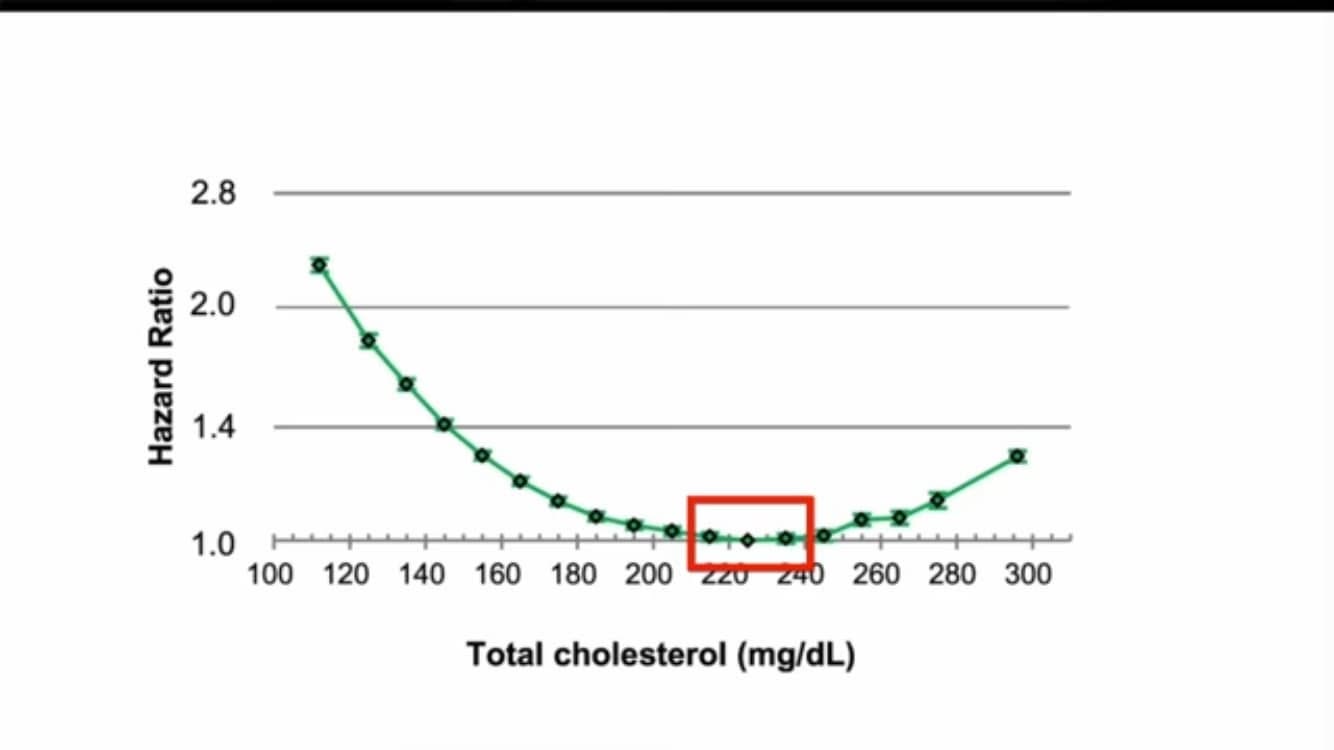
U-shaped ApoB-mortality curve turns linear after adjusting for bilirubin and malnutrition

Jun 01, 2024 · Louis Nervegna ♥ 13 · 💬 5 ↩ 1 LDL, ApoB & lipid panel

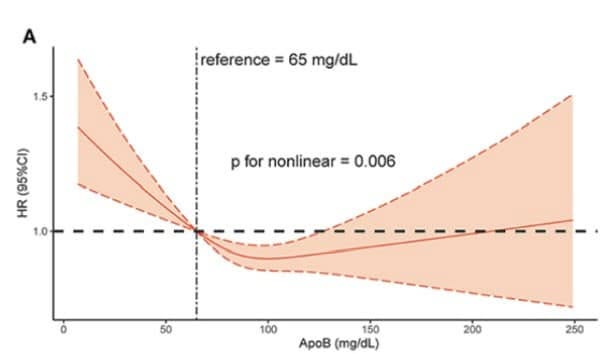
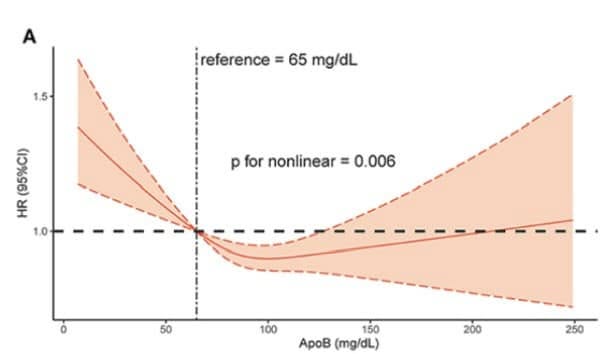
Louis explains a 2022 Chinese cohort of about 36,500 people showing the commonly observed U-shaped relationship between ApoB and all-cause mortality disappears once comorbidities, bilirubin and malnutrition are corrected for. Low ApoB at older ages appears to be a consequence of illness and wasting rather than a cause of death, consistent with RCT and Mendelian randomization evidence that the low-end increase is not causal.

U-shaped ApoB-mortality curve turns linear after adjustment in 36,500 people

Jan 13, 2025 · Louis Nervegna ♥ 10 · 💬 2 LDL, ApoB & lipid panel

Louis explains that the U-shaped curve between ApoB or LDL and mortality is not causal at low levels per RCTs and Mendelian randomization. A 2022 Chinese cohort of 36,500 showed the curve becomes linear after correcting for comorbidities, bilirubin and wasting-related malnutrition. He clarifies that 'metabolic vulnerability' is a broad set of age-related disease processes, not simply insulin resistance, and is the source of the reverse causality.

Low LDL's link to cancer is reverse causality: cancer lowers cholesterol, not vice versa

Dec 21, 2023 · Louis Nervegna ♥ 5 · 💬 1 LDL, ApoB & lipid panel

Louis explains why observational studies linking low LDL to cancer are not causal. Citing a Circulation review on reverse causality, he notes cholesterol declines before cancer diagnosis (likely from cancer-related inflammation), statin RCTs show no increase in cancer, and Mendelian randomization with an average of 52 years of lifetime exposure shows no higher cancer rates in people with genetically lower cholesterol.

200+ studies and 2 million participants show LDL drives atherosclerosis dose-dependently

Oct 28, 2026 · Louis Nervegna ♥ 1 LDL, ApoB & lipid panel

A shared post rebuts a claim that LDL research is incomplete and flawed. It cites over 200 prospective cohort, genetic and randomized studies involving over 2 million participants, 20 million person-years and 150,000+ cardiovascular events that consistently show a dose-dependent LDL-ASCVD relationship. It also addresses the U-shaped curve claim and Mendelian randomization.