This is one of the main reasons why LDL levels drop in patients with cancer.
Rapidly dividing tumor cells scavenge circulating LDL to build new cell membranes and fuel aggressive growth.
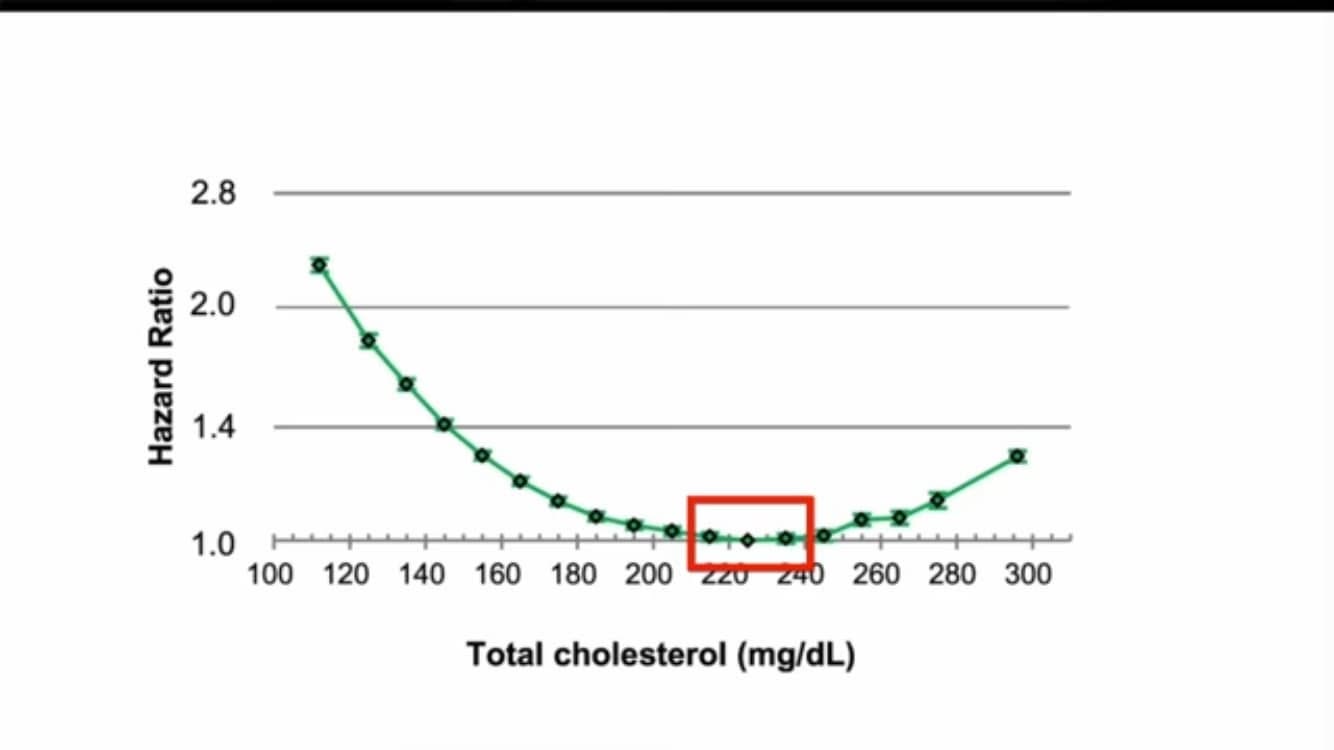
It is one of the reasons why observational studies often associate low LDL with higher mortality, particularly higher cancer mortality.
This is called “reverse causality”. The low LDL is not causing the cancer. It is the other way around. The cancer is causing the low LDL. See this post: ↪ Mendelian randomization shows genetically lower LDL does not raise cancer risk.
#ldlHD #cancerHD #ldlcancerHD #statinscancerHD #ushapedcurveHD #lowldlHD #reversecausalityHD
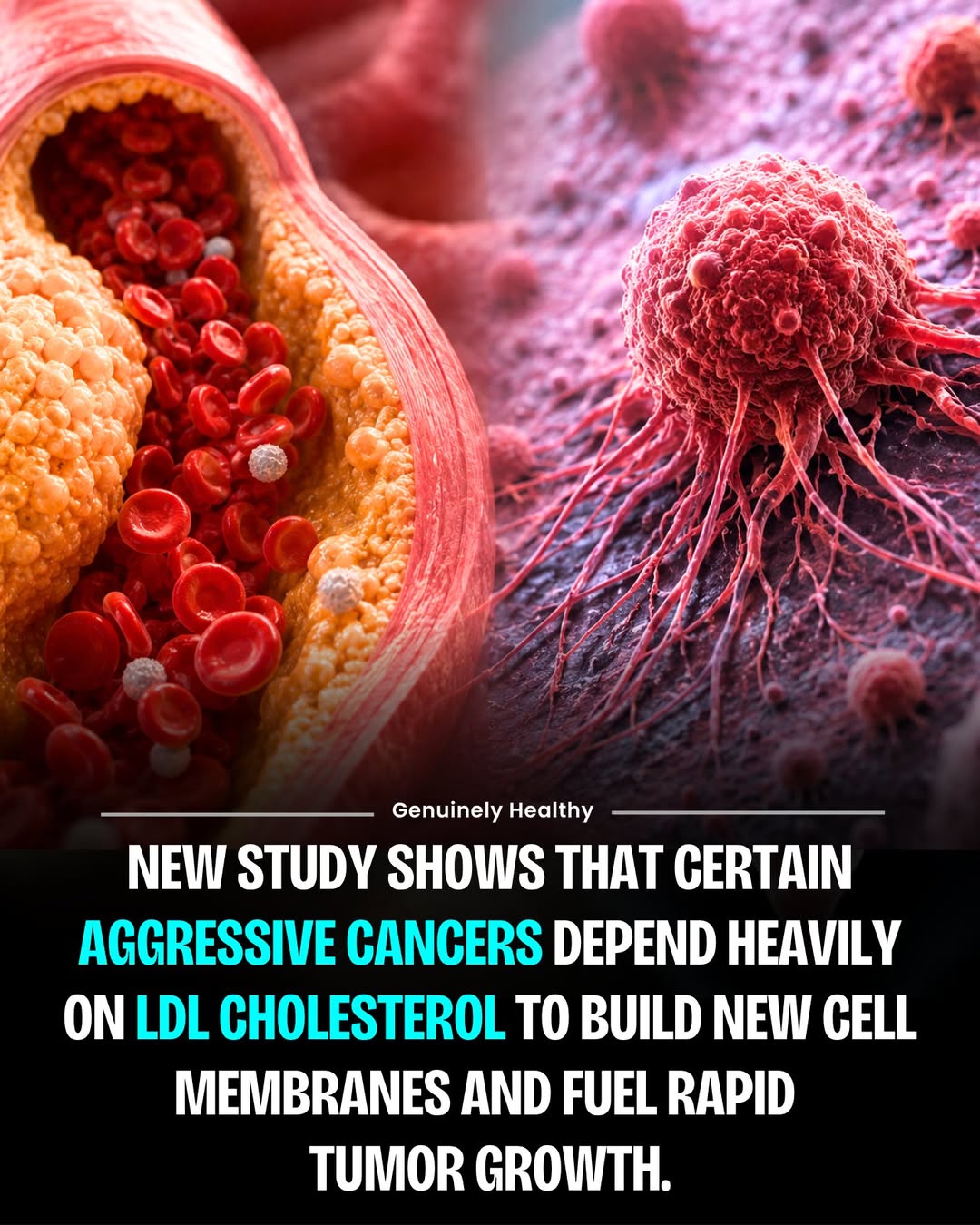
A 2026 study published in the journal Science Advances by researchers at Sanford Burnham Prebys Medical Discovery Institute and the University of Illinois Chicago found that aggressive cancers such as triple-negative breast cancer and HER2-positive breast cancer heavily depend on LDL (“bad”) cholesterol to fuel rapid growth. The researchers discovered that tumors with TP53 gene mutations consume and produce extra cholesterol to build cell membranes and activate growth pathways that help cancer spread faster than normal cells.
The study identified a group of lipid enzymes called PI5P4Ks that help move cholesterol inside cancer cells. When these enzymes were blocked, cholesterol became trapped inside lysosomes, preventing activation of the cancer-driving mTOR pathway. Researchers believe this approach could lead to new treatments that target how cancer cells use cholesterol, especially in difficult-to-treat breast cancers with TP53 mutations.