HD-OPM Archive
Hashtags

#vitamins

30 posts

New vitamin K2 trial slowed arterial calcification but did not reduce plaque, video argues

Aug 31, 2026 · Gokhan Can ♥ 23 · 💬 38 Supplements & vitamins

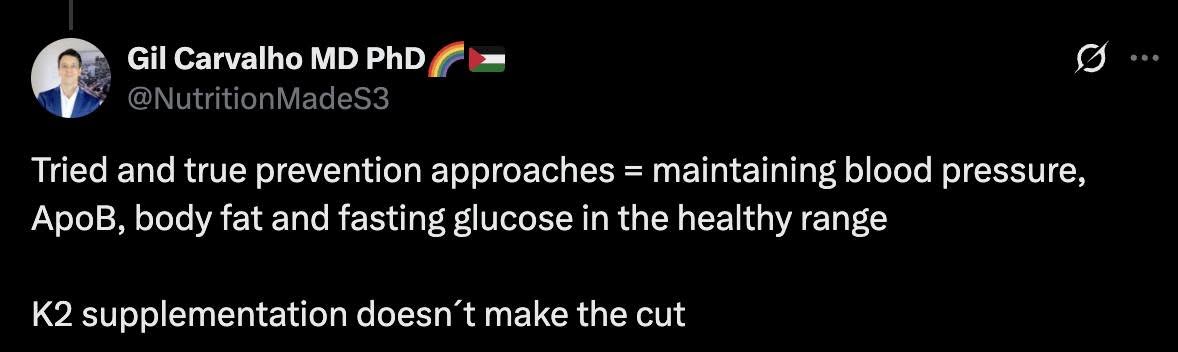
Summarises a Gil Carvalho video on a randomized trial of vitamin K2: calcification progressed more slowly, but total plaque did not fall, the plaque was just less calcified. Carvalho argues calcium stabilises plaque, so slowing calcification without reducing plaque could even be harmful, and no evidence shows K2 reduces heart attacks or strokes, so he advises relying on proven therapies, diet and exercise.
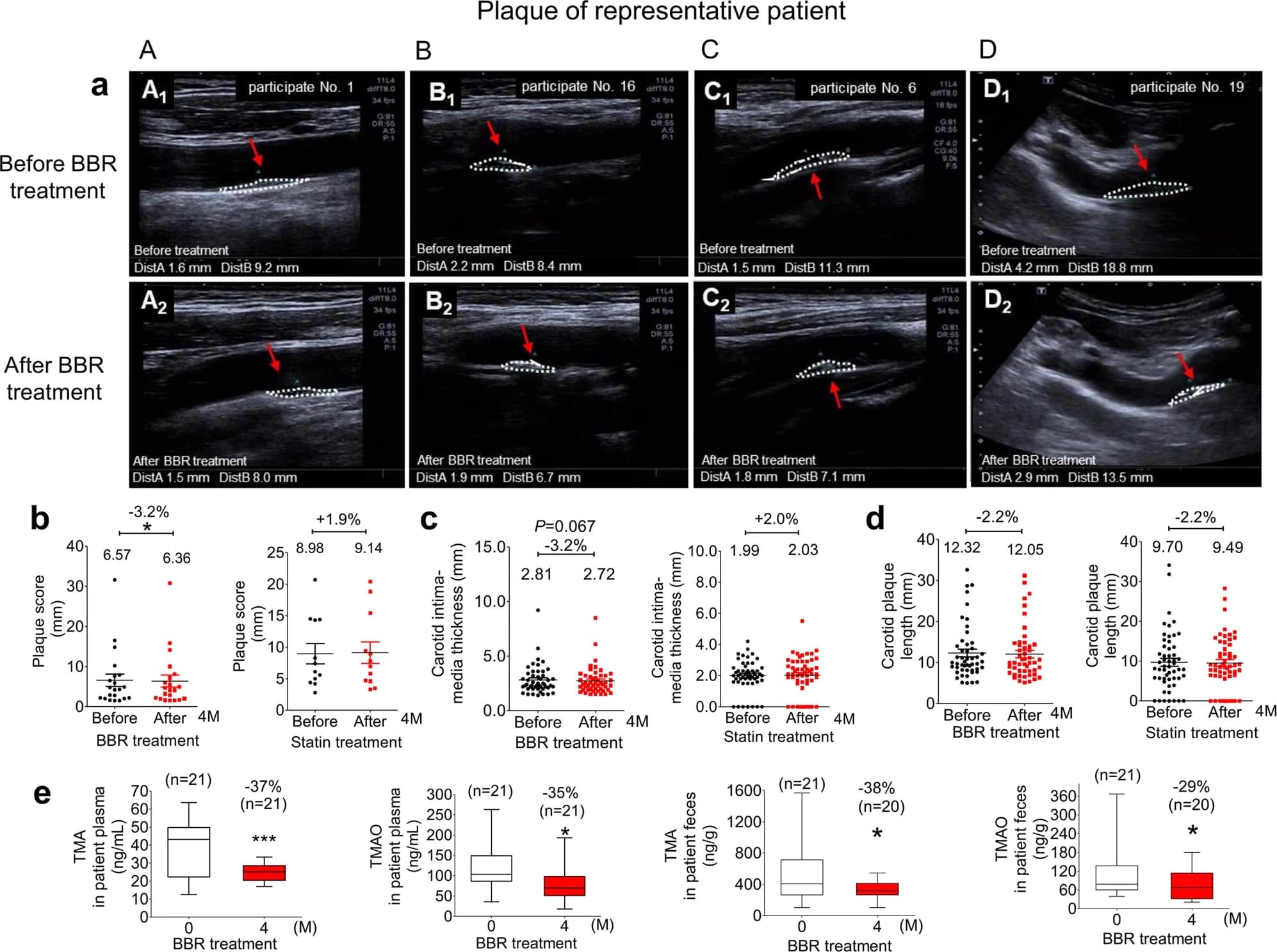
Berberine lowered plaque score 3.2% and TMAO in a small 21-patient trial

Jun 10, 2024 · Louis Nervegna ♥ 18 · 💬 23 Gut microbiome

Louis highlights a small human trial in which berberine reduced atherosclerotic plaque score, with a proposed mechanism of lowering gut-derived TMAO by acting on TMAO-producing gut bacteria. The sample is small and the comparison group was not randomized to the same degree as a large trial, so this is hypothesis-generating.

Dr Carvalho: evidence for vitamin K2 supplements and arterial calcium is weak

Nov 16, 2025 · Gokhan Can ♥ 19 · 💬 27 Supplements & vitamins

Summarises a Carvalho video: arterial calcium is a marker of long-standing plaque, not the cause of risk, so lowering a calcium score can mislead, just as statins raise calcium while lowering risk. No large properly powered trials show K2 reduces heart attacks or strokes, and he warns of false reassurance. The admin adds that supplement use is fine but expectations should stay grounded.

Vitamin K2 slows coronary calcium mainly in severe calcification; event benefit unproven

Dec 02, 2025 · Gokhan Can ♥ 18 · 💬 16 ↩ 1 Supplements & vitamins

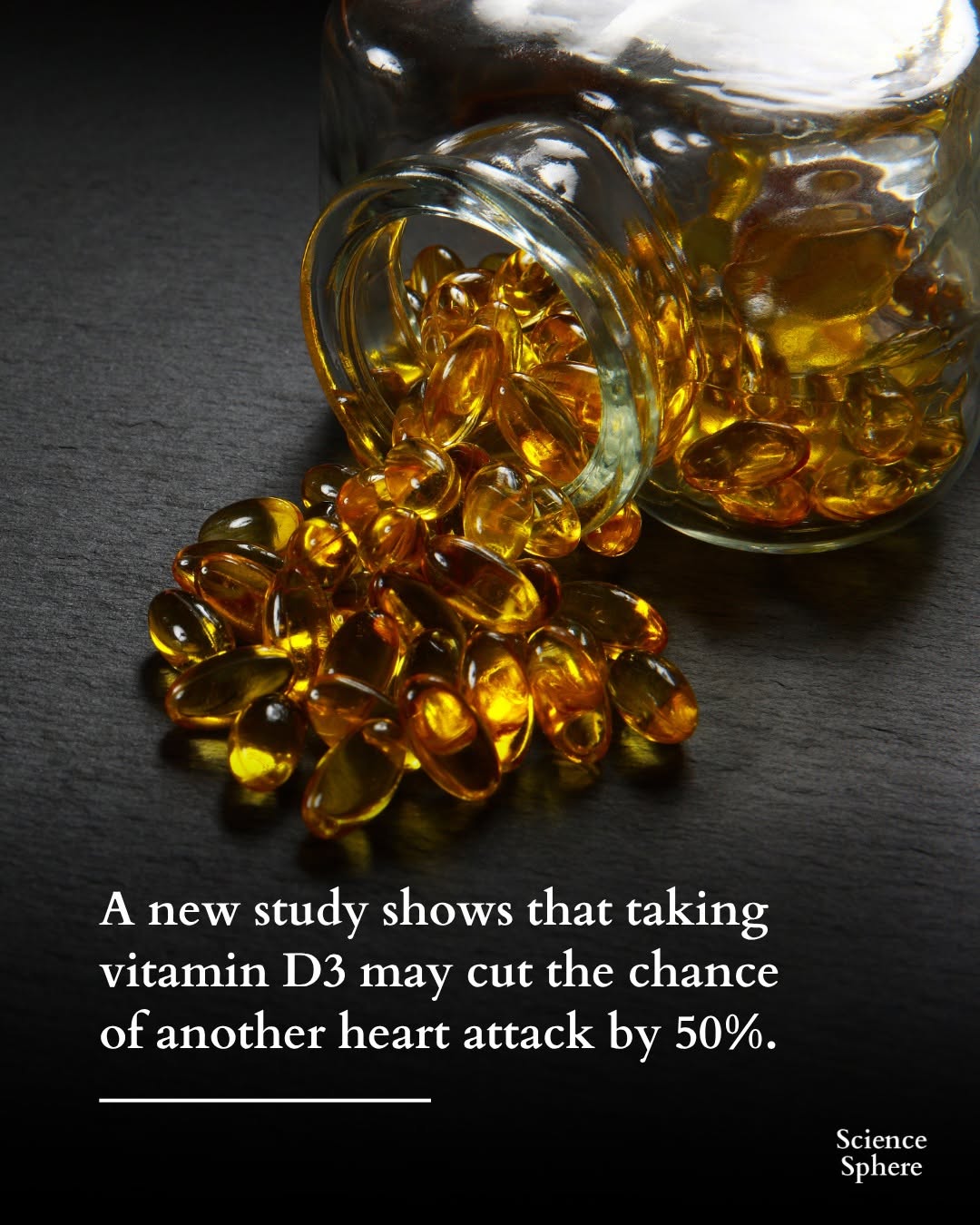
Review of vitamin K2 (with or without vitamin D) and CAC. A 2023 meta-analysis of 14 RCTs (n=1,533) found a -17.3 Agatston units/year pooled difference. The largest RCT (389 men, 720 ug MK-7 + 1000 IU D vs placebo for 2 years) missed significance overall but slowed CAC at baseline CAC >=400; some CKD trials were null. Not yet a standard therapy.

Conventional produce beats no produce: natural plant carcinogens dwarf pesticide residues

May 09, 2026 · Louis Nervegna ♥ 17 · 💬 10 Nuts, fish, coffee, tea, cocoa & other foods

Louis argues that, while organic is fine if affordable, eating conventionally grown fruit and vegetables is much better than skipping them. He cites Ames's PNAS papers showing 99.99% by weight of dietary pesticides are plants' own natural defense chemicals, and that natural carcinogens in produce far exceed synthetic residues.

Peter Attia's current supplement stack

Nov 23, 2023 · Gokhan Can ♥ 8 · 💬 14 Supplements & vitamins

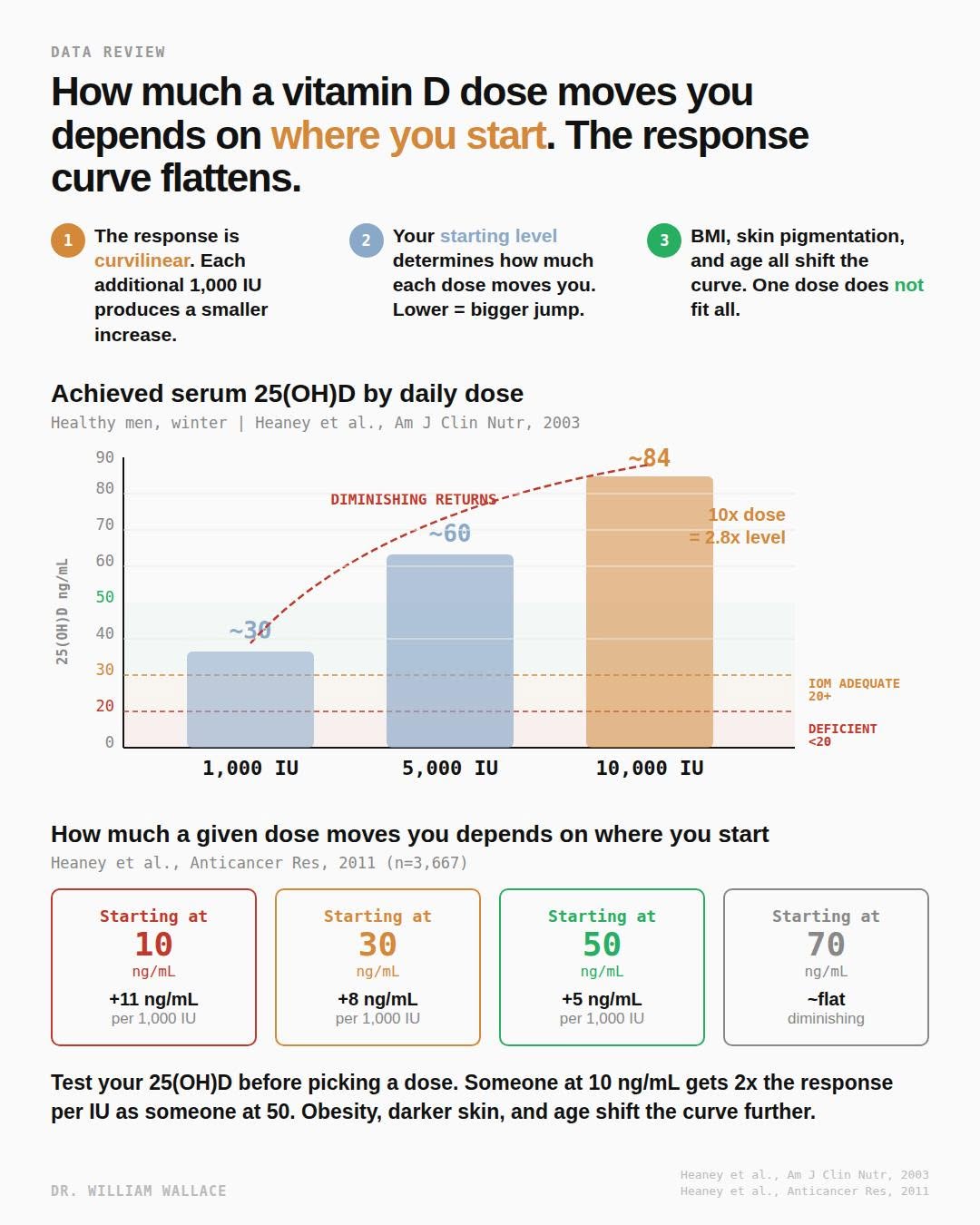
Summarizes the supplements Peter Attia says he takes: B6, high-EPA fish oil aimed at a red-cell EPA+DHA level near 12%, vitamin D 5,000 IU, several forms of magnesium, methylfolate and B12 to keep homocysteine below nine, and baby aspirin. This is a personal regimen, not evidence.

Rhonda Patrick's morning and evening supplement list

May 18, 2024 · Gokhan Can ♥ 11 · 💬 5 Supplements & vitamins

Reposts a list of the supplements Rhonda Patrick takes, including multivitamin, fish oil, vitamin D, K2, ubiquinol, cocoa extract, sulforaphane, berberine and urolithin A, plus evening magnesium and more fish oil. It is a personal regimen with no supporting studies attached, so it is context rather than evidence.

Multivitamin cohort study found 4% higher mortality, but bias makes it uninformative

Aug 11, 2024 · Gokhan Can ♥ 8 · 💬 1 Supplements & vitamins

Peter Attia's critique of a study of over 390,000 adults in three US cohorts followed up to 27 years found daily multivitamin users had 4% higher mortality, inconsistent across follow-up and not dose-dependent. Healthy and sick user biases and confounding mean it neither proves a benefit nor shows harm, and multivitamins can correct deficiencies.

Vitamin C has not reduced heart attacks or strokes and plaque data are mixed

Apr 12, 2026 · Gokhan Can ♥ 5 · 💬 1 Supplements & vitamins

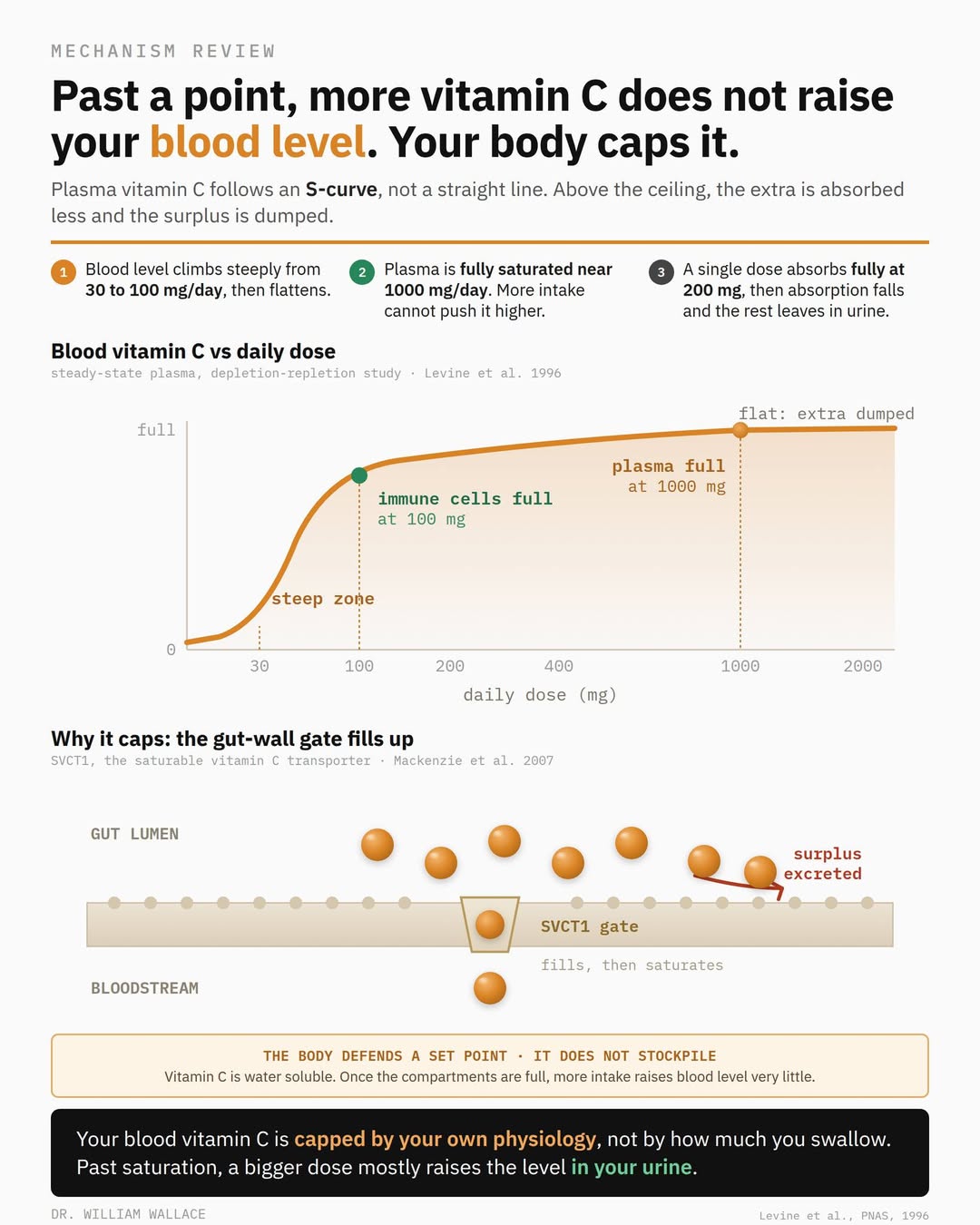
Admin summarises that vitamin C alone has been tested widely without reducing hard outcomes (MACE), and plaque-reversal data are mixed: supportive in animals, better/worse/no effect in human trials. He does not advise it as a heart-disease cure, though physiological doses appear safe; he takes 250 mg/day to avoid deficiency. Links an (largely AI-generated, author-vetted) summary document.