This is unsettling.
Vitamin D2 supplementation actually LOWERS blood levels of the active 25(OH)D form of vitamin D produced by the liver.
It is this 25(OH)D form that is necessary for most of the benefits.
Louis shares a FoundMyFitness summary that vitamin D2 can reduce circulating 25(OH)D (about 18 nmol/L or 7 ng/mL), enough to move someone from sufficient to insufficient, because D2 enhances breakdown of D3. D3 raises serum levels more effectively, and the post suggests 2,000-4,000 IU daily for most adults.
This is unsettling.
Vitamin D2 supplementation actually LOWERS blood levels of the active 25(OH)D form of vitamin D produced by the liver.
It is this 25(OH)D form that is necessary for most of the benefits.
Supplementing with vitamin D2 may actually lower levels of active vitamin D in the body.
Supplementing with vitamin D2 reduced the primary circulating form of vitamin D3 by ~18 nmol/L (7 ng/mL), which is enough to move from sufficient to an insufficient range.
This is due to the fact that vitamin D2 enhances the breakdown of vitamin D3 in the body.
While vitamin D2 comes from plants and vitamin D3 comes from animal sources or sunlight, research consistently shows that D3 raises serum vitamin D levels by 40% or more (10 or more ng/dL) compared to vitamin D2.At a biological level, vitamin D3 demonstrates clear advantages over D2 for immune function and muscle function.
About half the global population has insufficient vitamin D levels, mainly because sunscreen use, darker skin pigmentation, geographic latitude, and aging significantly reduce the skin’s ability to produce vitamin D3 from sunlight. Consequently, supplementation is often necessary to achieve optimal vitamin D3 status.
If you supplement, choose vitamin D3 over D2. For most adults, 2,000–4,000 IU per day is sufficient to raise plasma vitamin D levels from deficiency into the optimal sufficient range.
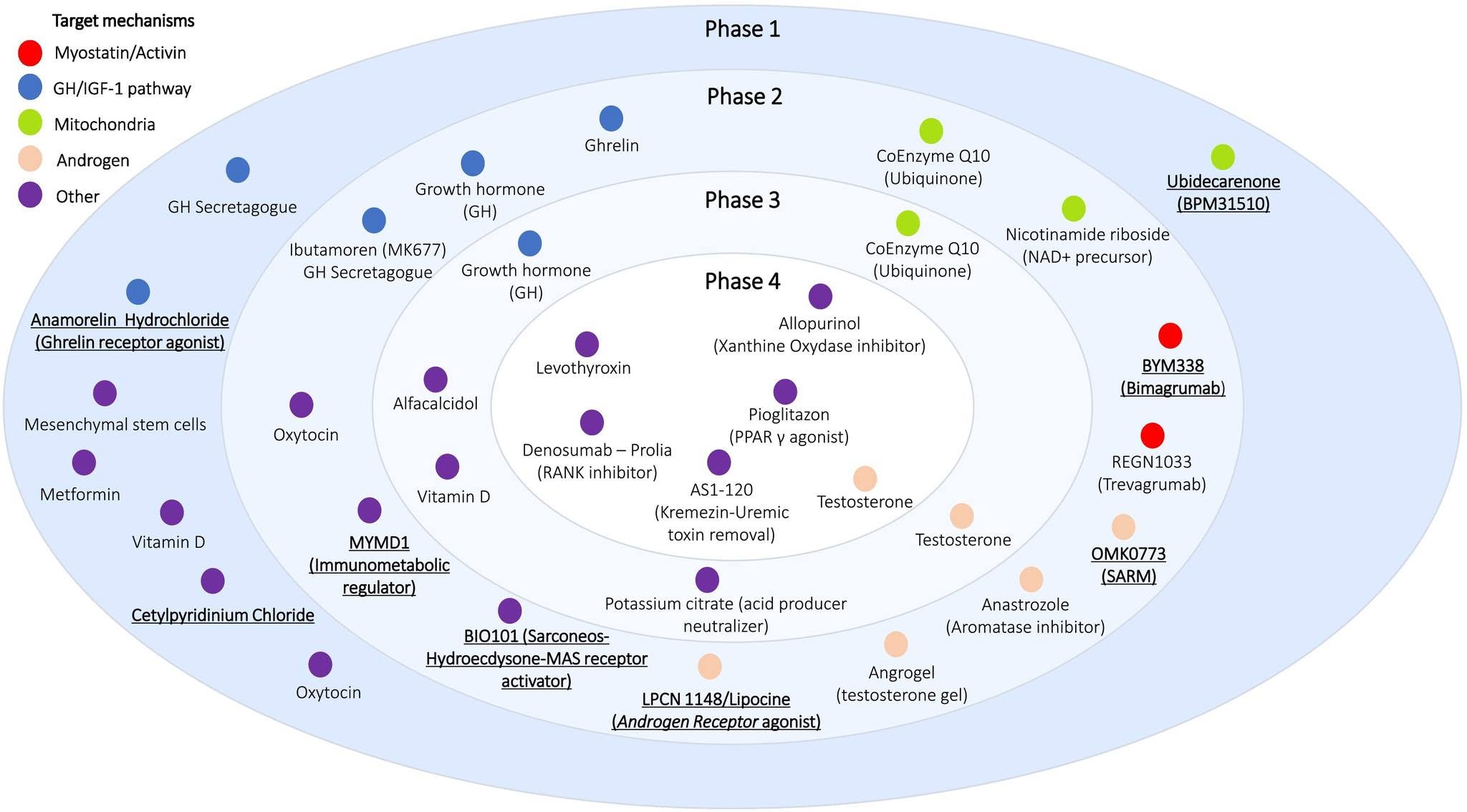
A review summary (Rolland et al., Metabolism, Dec 2023) of drug options for age-related muscle loss. No drug has regulatory approval for sarcopenia, few trials enrolled diagnosed patients, and non-drug measures remain first-line.
Summarizes a FoundMyFitness episode on magnesium, stressing that many people do not get enough and that deficiency can have wide-ranging health effects. It gives recommended intakes and argues that the RDA is a minimum to avoid deficiency disease.
Summarizes the supplements Peter Attia says he takes: B6, high-EPA fish oil aimed at a red-cell EPA+DHA level near 12%, vitamin D 5,000 IU, several forms of magnesium, methylfolate and B12 to keep homocysteine below nine, and baby aspirin. This is a personal regimen, not evidence.
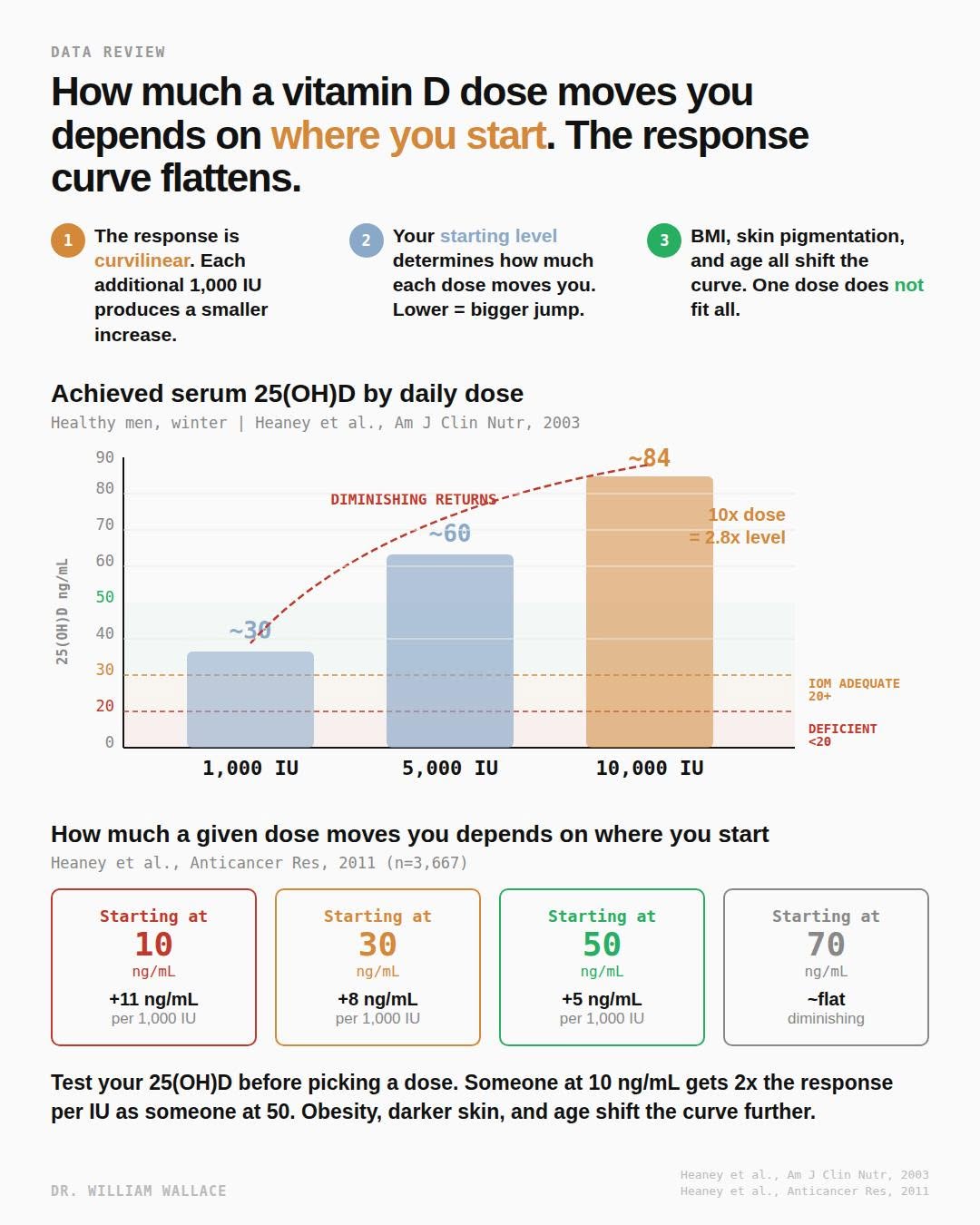
A summary of vitamin D dose-response (Heaney 2003): the rise from 1000 IU shrinks as baseline rises, flattening around 70 ng. Useful rule of thumb for dosing.
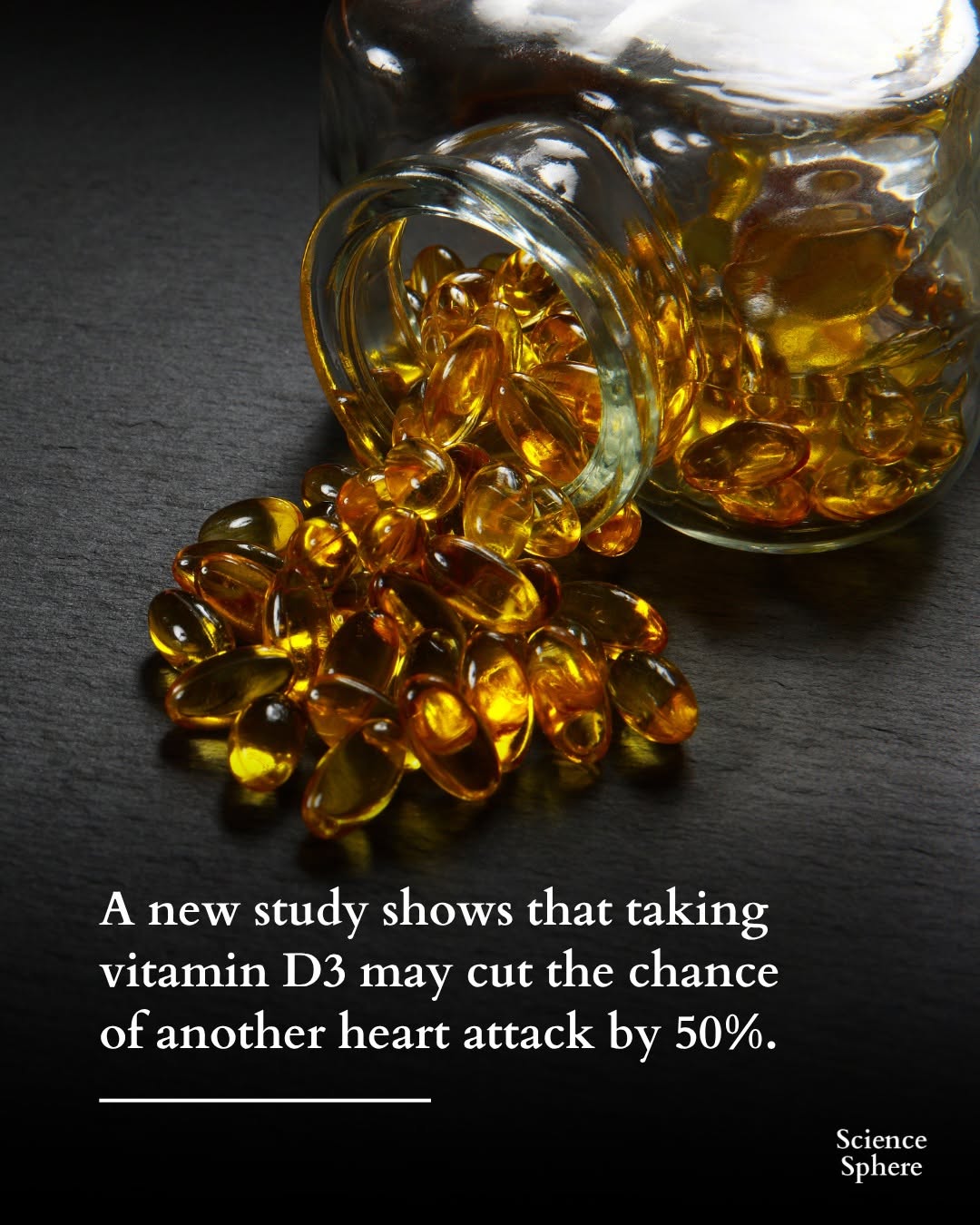
A shared summary describes an Intermountain Health trial of 630 recent heart attack survivors in which vitamin D3 was dosed individually to keep blood levels above 40 ng/mL. Repeat heart attacks were lower, though total major cardiovascular events were not, and larger trials are needed.

A shared summary of a University of Surrey, John Innes Centre and Quadram Institute study reporting that vitamin D2 supplementation can reduce D3 levels below those of people taking no supplements. D3 is the more effective form.