(no text — see the shared post below)
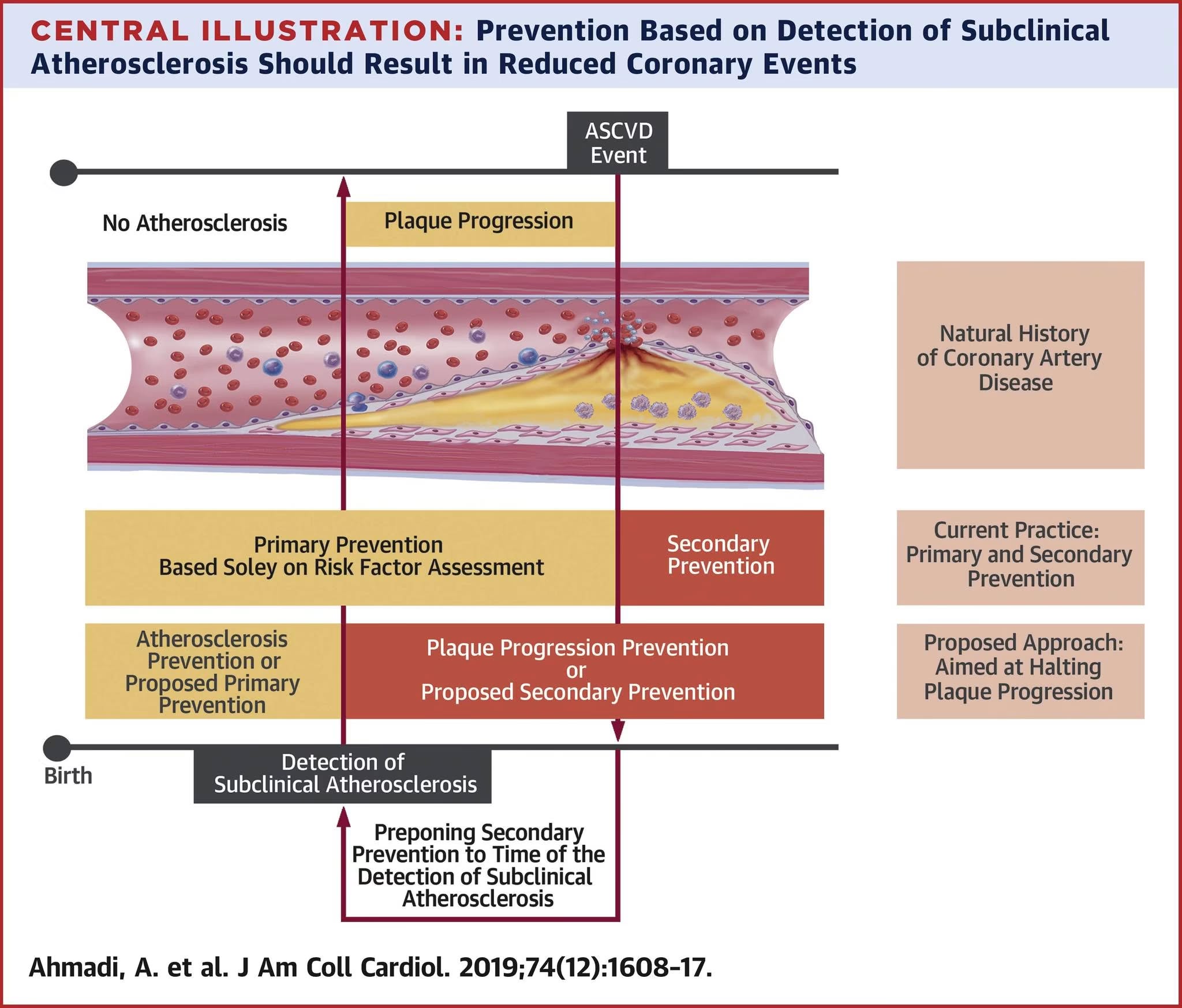
A nice article explaining the 12 step process by which atherosclerosis forms and a heart attack ultimately occurs.
Step 1: Endothelial Dysfunction – The Trouble Begins
Step 2: Lipoprotein Entry into the Intima – When the Gate Opens
Step 3: Retention by Proteoglycans – Stuck Where It Shouldn’t Be
Step 4: Modification of Retained Lipoproteins – From Harmless to Harmful
Step 5: Activation of Innate Immunity – Sounding the Alarm
Step 6: Foam Cell Formation – When Cleanup Backfires
Step 7: Smooth Muscle Cell Migration and Cap Formation – Building the Wall
Step 8: Formation of the Necrotic Core – Death in the Arterial Wall
Step 9: The Adaptive Immune Response – When the Immune System Gets Personal
Step 10. Plaque Growth and Angiogenesis – When Plaques Feed Themselves
Step 10.5: Calcification – When Plaque Turns to Stone
Step 11: Plaque Rupture or Erosion – The Moment of Crisis
Step 12: Thrombus Formation and Clinical Events – When the Silent Process Speaks
#cvdcauseHD #heartattackHD