HD-OPM Archive
Hashtags

#heartattack

104 posts

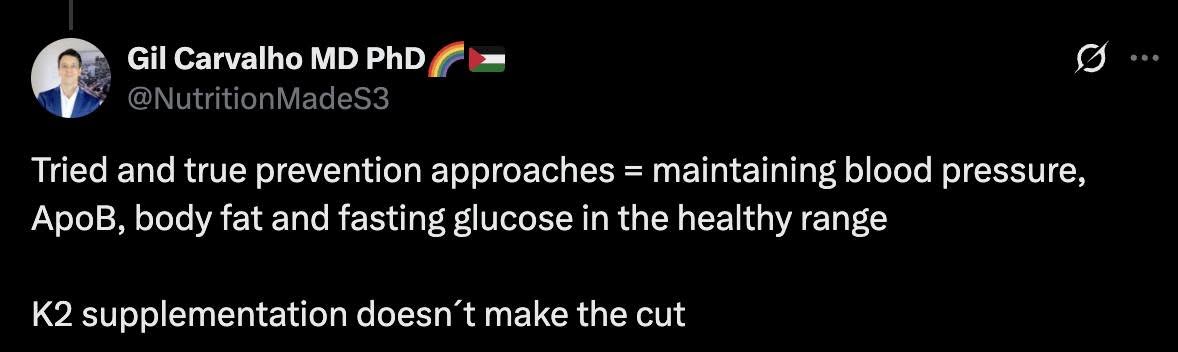
New vitamin K2 trial slowed arterial calcification but did not reduce plaque, video argues

Aug 31, 2026 · Gokhan Can ♥ 23 · 💬 38 Supplements & vitamins

Summarises a Gil Carvalho video on a randomized trial of vitamin K2: calcification progressed more slowly, but total plaque did not fall, the plaque was just less calcified. Carvalho argues calcium stabilises plaque, so slowing calcification without reducing plaque could even be harmful, and no evidence shows K2 reduces heart attacks or strokes, so he advises relying on proven therapies, diet and exercise.
At high risk of a heart attack? Find a good cardiologist and add, don't replace, treatment

Feb 26, 2024 · Louis Nervegna ♥ 46 · 💬 15 ↩ 2 Myths, misinformation & controversies

Louis advises high-risk people to follow a good cardiologist rather than social media claims, which often cherry-pick one study out of many. He argues the window to experiment has passed once risk is high, and that natural or alternative approaches are safest as additions, with treatment reduced later with the cardiologist if risk markedly improves. It is opinion, not research.

Dr Carvalho: evidence for vitamin K2 supplements and arterial calcium is weak

Nov 16, 2025 · Gokhan Can ♥ 19 · 💬 27 Supplements & vitamins

Summarises a Carvalho video: arterial calcium is a marker of long-standing plaque, not the cause of risk, so lowering a calcium score can mislead, just as statins raise calcium while lowering risk. No large properly powered trials show K2 reduces heart attacks or strokes, and he warns of false reassurance. The admin adds that supplement use is fine but expectations should stay grounded.

Heart attack clots form on ruptured unstable plaque, not in plaque-free arteries

Mar 17, 2025 · Louis Nervegna ♥ 29 · 💬 12 Heart attack, stroke & procedures

Louis argues that although most heart attacks are caused by clots, clots form when unstable plaque ruptures, so people with near-zero plaque have near-zero risk of clot-caused heart attacks. Blood thinners like aspirin are proven to lower risk in people with considerable plaque but are unlikely to help, and may harm, those with little or no plaque.

Red yeast rice vs statins: lovastatin removed, other monacolins remain, no outcome RCTs

Feb 11, 2024 · Louis Nervegna ♥ 22 · 💬 15 Supplements & vitamins

Louis explains that the FDA forced US red yeast rice products to remove lovastatin (monacolin K), the first statin, approved in 1986 as Mevacor, yet they still lower cholesterol through related monacolins. Some people intolerant of statins tolerate it, but it is unregulated with variable potency and lacks large long-running RCTs proving fewer heart attacks and strokes, so it is a gamble for high-risk people.

Johns Hopkins arginine RCT stopped early: 6 deaths vs 0 in heart-attack survivors

Nov 29, 2023 · Louis Nervegna ♥ 13 · 💬 25 ↩ 3 Supplements & vitamins

Louis warns that L-arginine supplements, taken to raise nitric oxide, can be dangerous after a heart attack. A Johns Hopkins randomized trial of 153 heart attack survivors given 3 g arginine three times daily was stopped after six months when six deaths occurred in the arginine group and none on placebo. Citrulline, which the body converts to arginine, might carry a similar concern, which is his speculation.

Strategies for lowering TMAO: diet, supplements and repurposed drugs

Aug 29, 2025 · Gokhan Can ♥ 22 · 💬 18 ↩ 1 Gut microbiome

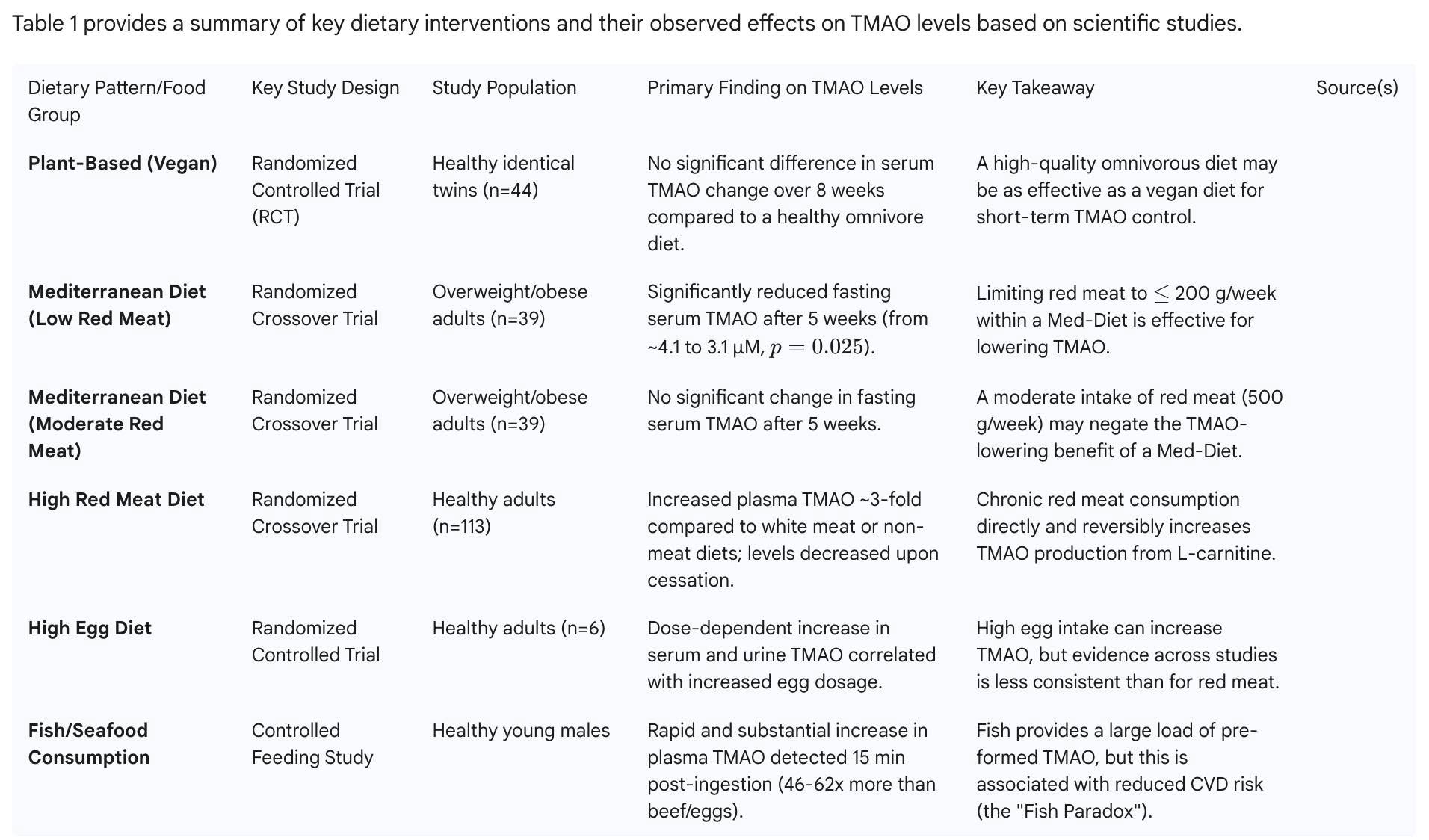
A written review of how TMAO forms from choline and carnitine via gut bacteria and the liver, and how to lower it. It points to less red meat and egg yolk, a fiber-rich Mediterranean-style diet, polyphenols and allicin, and statins and metformin. Gokhan says TMAO is not his top concern but worth knowing; he mentions a small human berberine trial that lowered TMAO and plaque.

Does a CAC scan change outcomes? Two 2026 randomized trials say not for the average person

Sep 04, 2026 · Louis Nervegna ♥ 8 · 💬 31 Plaque, CAC & CT angiography

Louis asks whether CAC scanning changes whether you have a heart attack; for some it is a wake-up call, but for the average person it does not seem to change outcomes. The shared text cites a Danish trial of 30,000 men (no reduction in death, MI or stroke at seven years, more serious bleeding) and the US CorCal trial of nearly 6,000 people (same event rates as a risk calculator).

PROVE IT-TIMI 22: atorvastatin 80 mg early after a heart attack cut 30-day events 28%

Jul 31, 2024 · Louis Nervegna ♥ 21 · 💬 11 Statins

The post explains why high-intensity atorvastatin is started right after a heart attack: in PROVE IT-TIMI 22, 30-day death/MI/rehospitalization was lower with atorvastatin 80 mg than pravastatin 40 mg. The rapid effect is attributed to pleiotropic effects (anti-inflammatory, plaque and endothelial stabilization), though LDL lowering itself may contribute.

SCOT-HEART: CT angiography cut 5-year coronary death or MI risk 41% in chest pain patients

Jan 03, 2026 · Gokhan Can ♥ 12 · 💬 18 Plaque, CAC & CT angiography

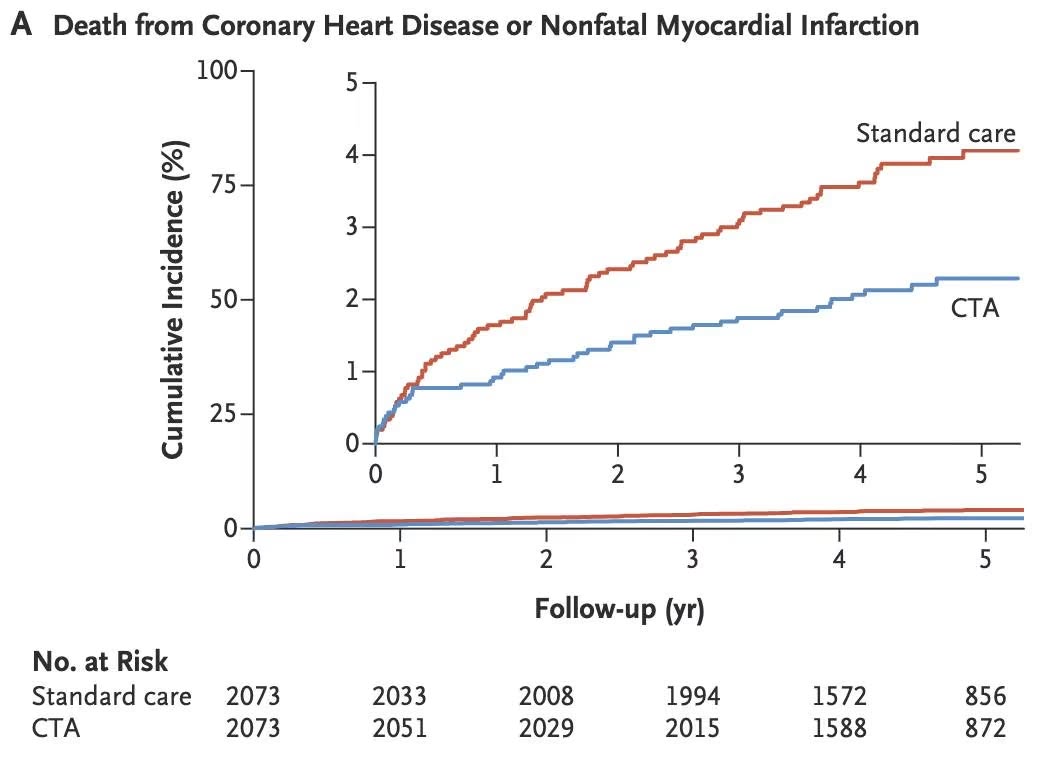
Summarises SCOT-HEART (4,146 patients with stable chest pain, standard care vs standard care plus coronary CTA). CTA guidance lowered coronary death or nonfatal MI to 2.3% from 3.9%, mainly by directing aspirin and statin use to patients with plaque. Total procedures were similar by year 5; results apply to chest-pain patients only.

High-dose atorvastatin after heart attack cut events ~30% in 30 days (PROVE IT-TIMI 22)

Jan 25, 2025 · Louis Nervegna ♥ 12 · 💬 16 Statins

Louis explains why patients are immediately given atorvastatin 80 mg after a heart attack: PROVE IT-TIMI 22 showed an almost 30% reduction in death, repeat heart attack or rehospitalization within 30 days versus a lower-potency statin. The speed suggests pleiotropic effects (anti-inflammatory, plaque and endothelial stabilizing) rather than LDL lowering. Lipophilic statins at maximum dose work best in this setting.

Mutated blood stem cells (CHIP) may be a major cause of heart disease, doubling MI risk

Apr 08, 2024 · Louis Nervegna ♥ 14 · 💬 13 Inflammation & CRP

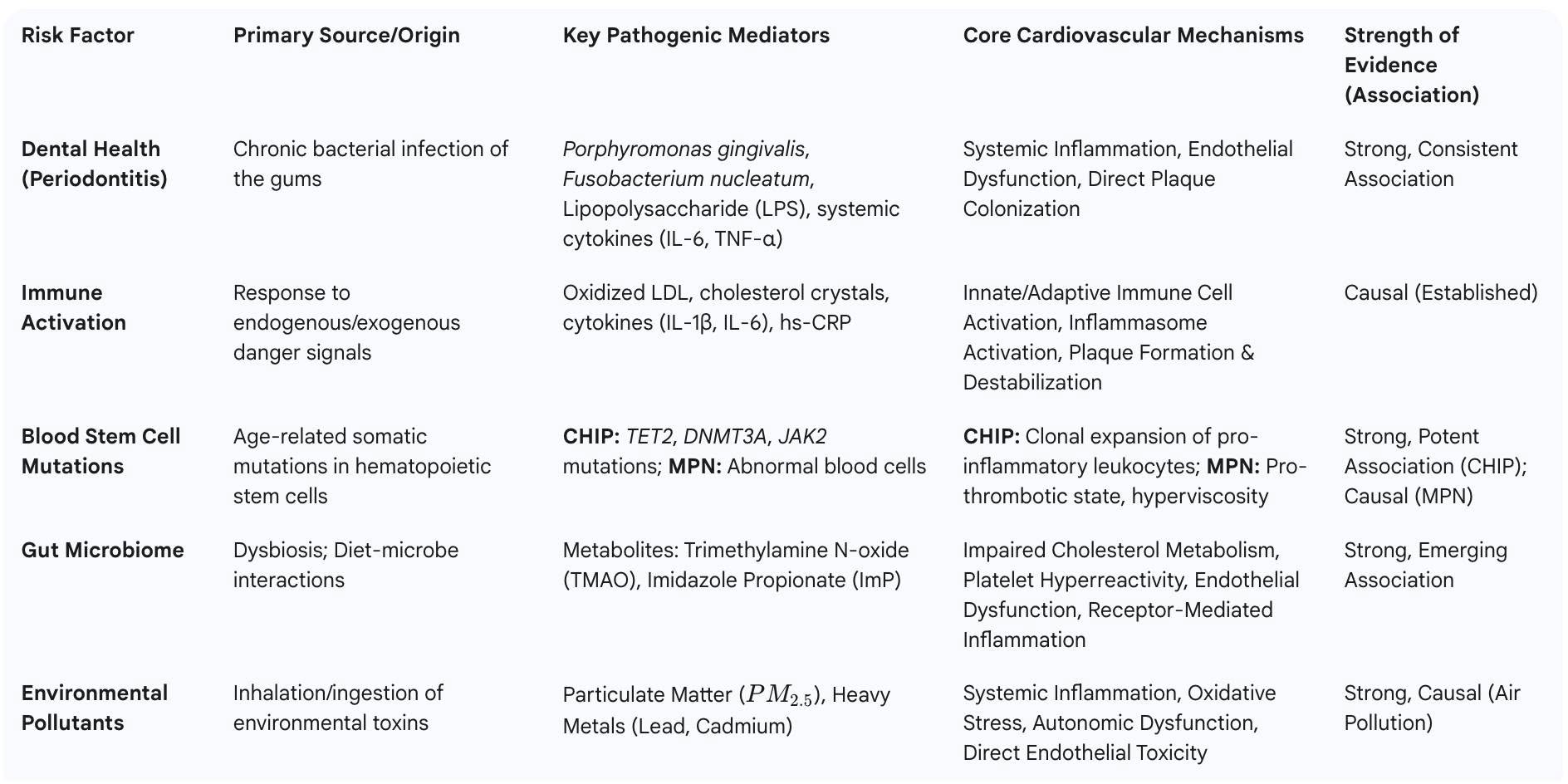
Louis explains clonal hematopoiesis (CHIP): age-related mutations in bone-marrow stem cells yield white blood cells that drive inflammation and plaque growth, and the same mutations link to leukemia. A quoted report says CHIP carriers had a 54% higher chance of dying within a decade, from heart attacks and strokes, and mouse transplants of CHIP-mutated cells produced fast-growing, inflamed plaques. Louis credits Gokhan Can for pointing him to this.

Heart attacks peak in the early morning; bedtime dosing of BP drugs may help

Jun 27, 2026 · Louis Nervegna ♥ 14 · 💬 14 Heart attack, stroke & procedures

Louis explains that most heart attacks occur shortly after waking, when cortisol surges, vessels tighten and blood pressure spikes. He suggests taking blood pressure medication, aspirin and statins at bedtime, and corrects his post to say people are found dead in the 'bathroom' rather than 'toilet', since defecation syncope is much rarer than a standard heart attack.

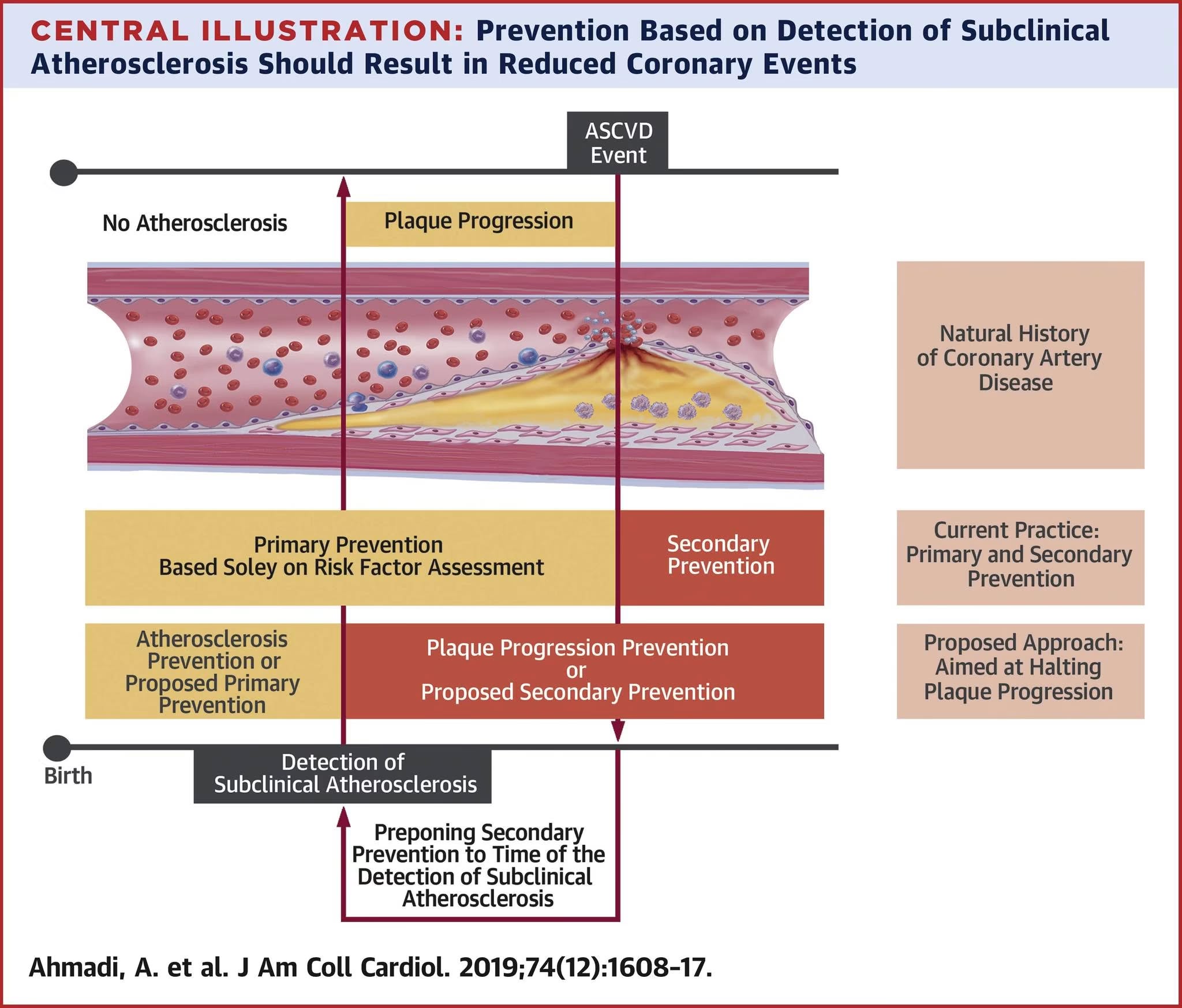
JACC review: rapid plaque progression precedes rupture and LDL below 70 mg/dL halts it

Jan 02, 2026 · Gokhan Can ♥ 19 · 💬 5 Plaque, CAC & CT angiography

Summarises a 2019 JACC review arguing plaque progression is a necessary, modifiable step between subclinical atherosclerosis and MI, and that preventive strategy should shift toward imaging and aggressively treating subclinical disease. It reports data from PROSPECT, PARADIGM, GLAGOV and PESA showing progression stops at LDL <70 mg/dL and regression needs lower.

Baby aspirin during and after Covid may be worth discussing if you have heart disease

Jan 06, 2024 · Louis Nervegna ♥ 14 · 💬 12 Infections & vaccines

Louis suggests people with heart disease who get Covid ask their doctor about baby aspirin during infection and for a few weeks after. Infections temporarily raise heart attack and stroke risk through inflammation, and Covid raises clot risk more than other infections. A linked 2022 meta-analysis found aspirin use associated with lower Covid mortality without more bleeding.

Selenium plus CoQ10 trial: over 50% lower CV death, benefit persisted 10-12 years

Dec 18, 2023 · Louis Nervegna ♥ 14 · 💬 12 Supplements & vitamins

Louis reshares a post quoting Life Extension on a trial where older people took selenium plus coenzyme Q10 for four years and had more than half the cardiovascular mortality. Follow-up showed 49% lower CV death at 10 years and 41% at 12 years, including in subgroups with heart disease, diabetes and hypertension. He suggests adding about 200 ug selenium to CoQ10. The source is a supplement-company magazine and the trial is not named.

Statins for all could halve heart attacks yet add only 10-20 days to life over 5 years

May 14, 2024 · Louis Nervegna ♥ 11 · 💬 11 Statins

Louis works through why universal statin use could cut lifetime heart attack and stroke risk from about 20% to 10% while extending average lifespan by only days over 5 years: only about 10% of heart attacks and strokes are fatal, and only 1 in 5 US deaths are from them, so the reduction in overall deaths is about 50 times smaller. His arithmetic suggests a 0.022% to 0.094% reduction in overall deaths over 5 years. Note that this is a population-averaged back-of-envelope calculation.

Platelet reactivity score (PRESS) predicts cardiovascular events in PAD patients

Aug 20, 2024 · Gokhan Can ♥ 6 · 💬 19 Aspirin, antiplatelets & blood thinners

NYU researchers developed PRESS, combining platelet aggregation responses and RNA sequencing, to detect platelet hyperreactivity. In PAD patients, hyperreactive platelets predicted more major adverse cardiac or limb events within 30 days of revascularization, and PRESS above the median carried a 90% higher risk of major events over 18 months. It might help target aspirin.

The 12-step biology of atherosclerosis, from endothelial dysfunction to heart attack

Apr 01, 2025 · Louis Nervegna ♥ 20 · 💬 6 Plaque, CAC & CT angiography

Louis shares an article laying out the 12 steps by which atherosclerosis forms and leads to a heart attack. The steps run from endothelial dysfunction and lipoprotein entry into the intima, through retention, modification, immune activation, foam cells, necrotic core, plaque growth and calcification, to plaque rupture or erosion and thrombus formation.

About 95% of acute-thrombosis heart attacks involve soft plaque, not calcified plaque

Oct 03, 2026 · Louis Nervegna ♥ 9 · 💬 9 Plaque, CAC & CT angiography

The post says about 64% of heart attacks from acute thrombosis come from rupture of soft lipid-rich plaque and about 25% from erosion of soft plaque, while only about 5% involve calcified nodules. Because statins and other lipid-lowering drugs stabilize and reverse soft plaque, the poster argues they address the plaque type most responsible for heart attacks.

Flu and respiratory infections raise heart attack risk; ask your doctor about baby aspirin

Sep 11, 2024 · Louis Nervegna ♥ 13 · 💬 8 Infections & vaccines

Louis shares MedPage Today coverage of another study confirming that infections like flu temporarily raise heart attack and stroke risk. He suggests that people with CVD ask their doctor about daily baby aspirin during illness and for a period afterward. The proposed mechanism is increased metabolic demand plus inflammatory and coagulation effects that destabilize plaque.

How to convert a CAC score into a 10-year heart attack or stroke risk

Jun 01, 2024 · Louis Nervegna ♥ 12 · 💬 5 Plaque, CAC & CT angiography

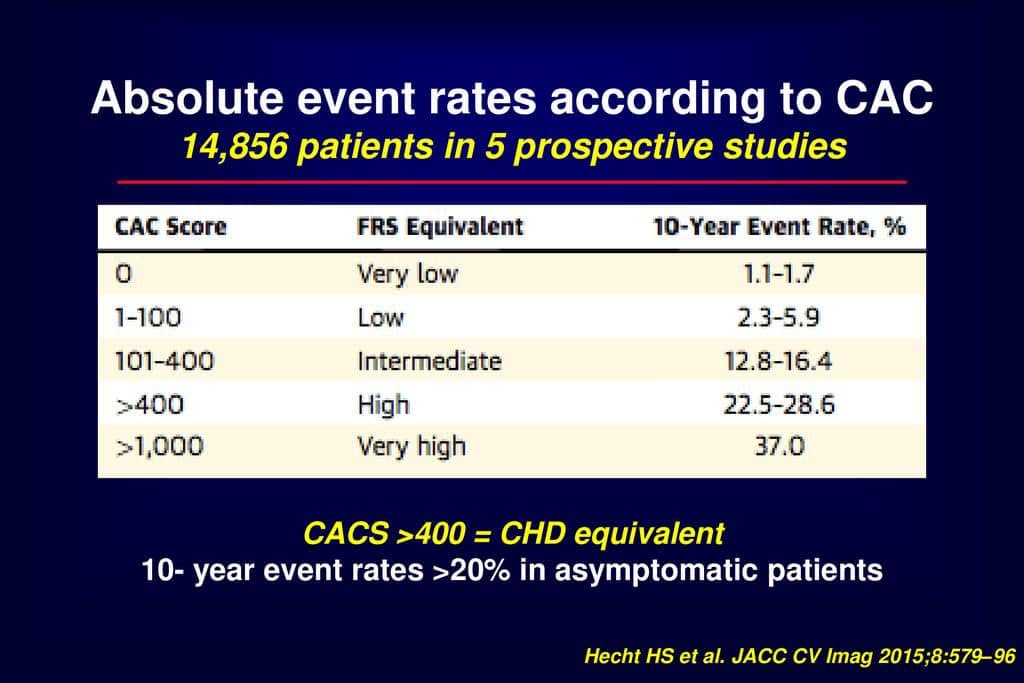
Louis shares a chart for converting a coronary artery calcium score into a 10-year risk of heart attack or stroke, referencing a JACC Cardiovascular Imaging review of CAC scanning. The linked review describes CAC as the most robust predictor of coronary events in asymptomatic primary prevention, particularly in intermediate-risk people.

Selenium plus CoQ10 for 4 years halved CV mortality, with benefit lasting 12 years

Dec 03, 2023 · Louis Nervegna ♥ 9 · 💬 6 ↩ 2 Supplements & vitamins

Louis quotes a Life Extension article on a trial of older people taking selenium plus coenzyme Q10 for four years, with over 50% lower cardiovascular death. Follow-ups showed 49% lower CV death at 10 years and 41% at 12 years, persisting in subgroups with heart disease, diabetes and hypertension. Source is a supplement company magazine; the trial is not named.

Lifestyle changes may cut sudden cardiac arrest risk 40-63%, per 2025 UK study in a video

Jun 01, 2025 · Gokhan Can ♥ 10 · 💬 2 Heart attack, stroke & procedures

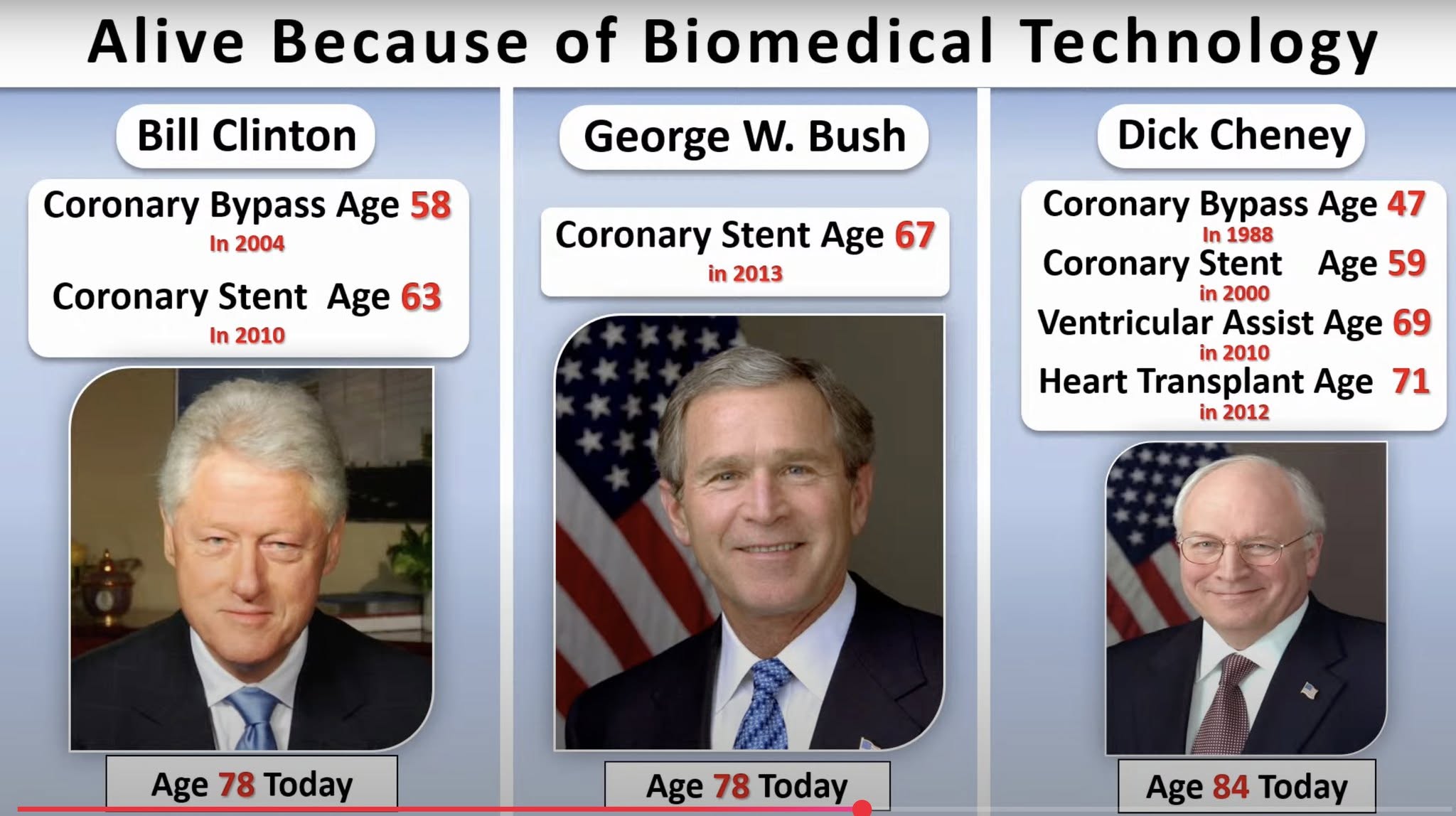
A video segment from Life Extension founder Bill Faloon discusses a 2025 UK study finding that modifiable factors such as physical activity and social engagement reduce sudden cardiac arrest risk by 40-63%, while unemployment and smoking raise it. He also contrasts today's heart disease treatment with that available to past presidents.

Statins cause under 10% of reported muscle pain, analysis of 23 RCTs finds

Jun 29, 2026 · Louis Nervegna ♥ 6 · 💬 2 Statins

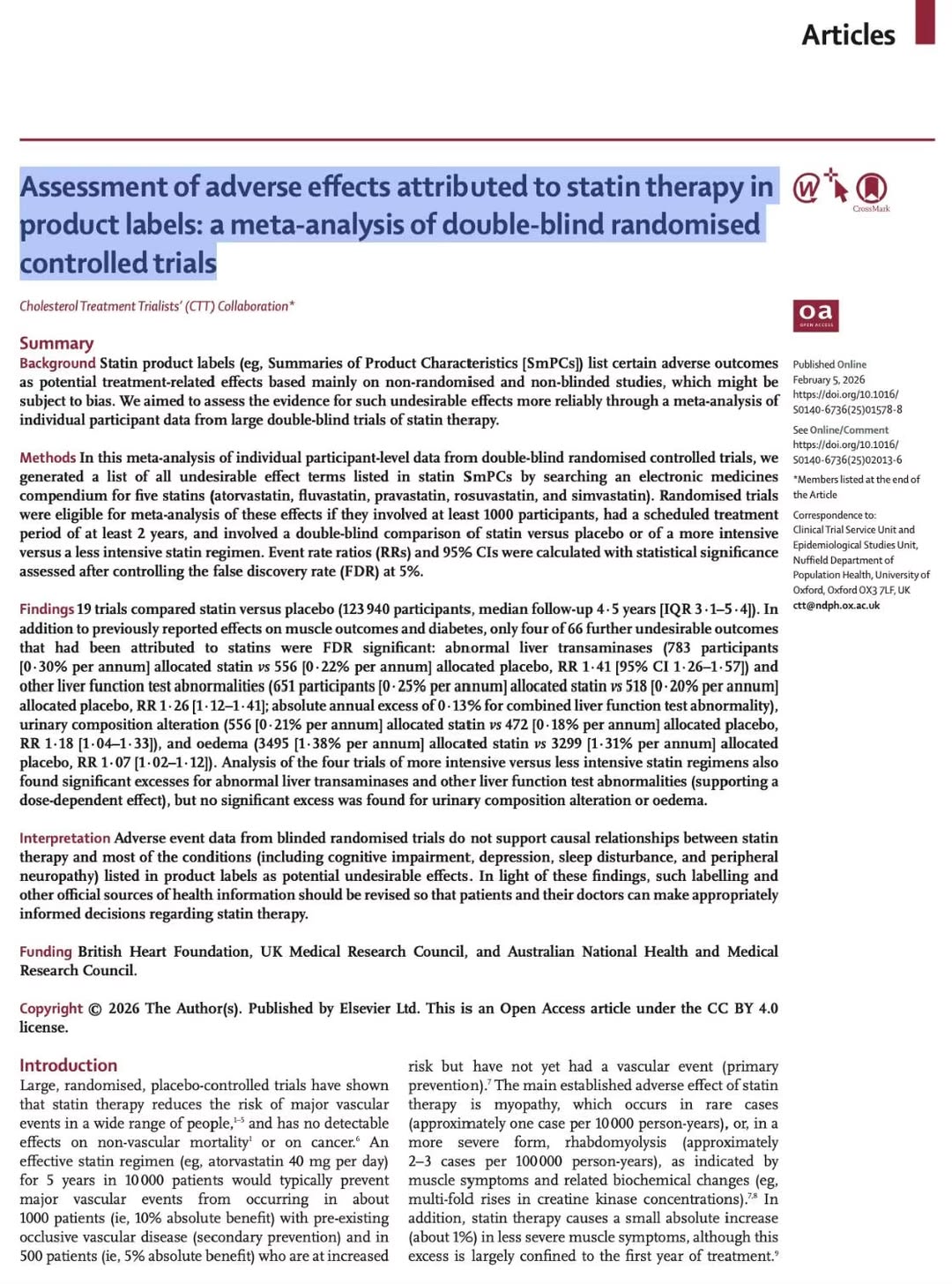
Louis shares the Oxford/CTT Lancet analysis of 23 large randomized trials (155,000 people) showing muscle pain is common with or without a statin. Over 90% of muscle pain reported on statins was not caused by the drug, and true statin-related cases occurred mainly in the first year, more with high-intensity dosing.

Atorvastatin 80 mg after heart attack cut death, repeat MI or readmission ~30% at 30 days

Oct 25, 2024 · Louis Nervegna ♥ 11 Statins

Louis reposts a note explaining why patients are put on atorvastatin 80 mg right after a heart attack. In PROVE IT-TIMI 22, intensive therapy cut death, repeat MI or rehospitalization by almost 30% within 30 days versus a lower-potency statin. He attributes the speed to pleiotropic effects such as anti-inflammatory and plaque-stabilizing actions rather than LDL alone.

Infections temporarily raise heart attack and stroke risk; vaccines may do so far less

Oct 14, 2024 · Louis Nervegna ♥ 12 Infections & vaccines

Louis explains that infections such as flu raise short-term heart attack and stroke risk through inflammation and coagulation effects that destabilize plaque, and that the effect fades in a week or two. Vaccines can in theory do this to a much smaller degree. He suggests asking a doctor about a baby aspirin during and shortly after infection, and avoiding hs-CRP tests during that window.

Vitamin C has not reduced heart attacks or strokes and plaque data are mixed

Apr 12, 2026 · Gokhan Can ♥ 5 · 💬 1 Supplements & vitamins

Admin summarises that vitamin C alone has been tested widely without reducing hard outcomes (MACE), and plaque-reversal data are mixed: supportive in animals, better/worse/no effect in human trials. He does not advise it as a heart-disease cure, though physiological doses appear safe; he takes 250 mg/day to avoid deficiency. Links an (largely AI-generated, author-vetted) summary document.

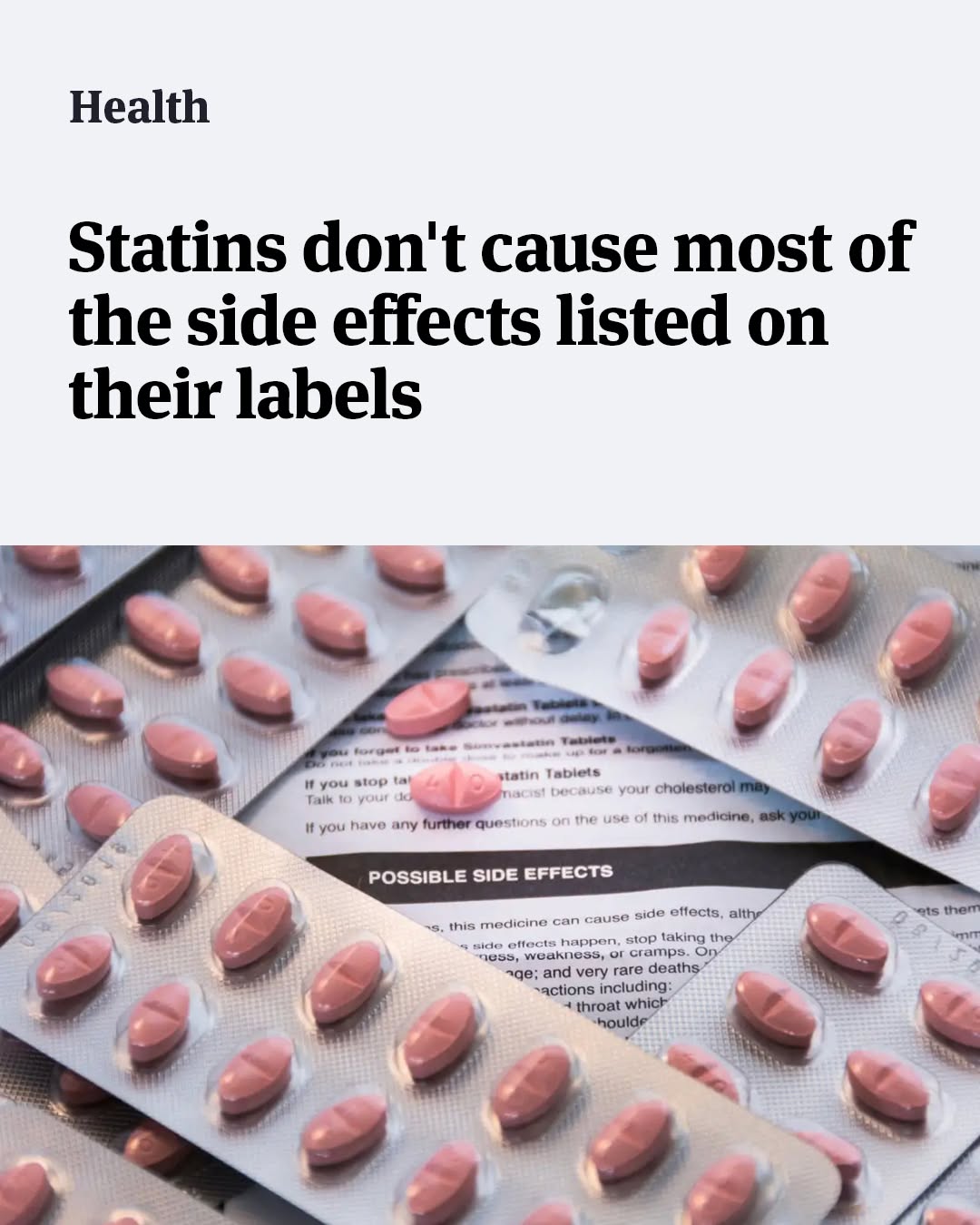
New Scientist: most statin label side effects are not caused by statins

Feb 11, 2026 · Louis Nervegna ♥ 1 · 💬 2 Statins

Shared news report on a rigorous assessment of the evidence concluding that the long list of statin side effects is vastly overstated and that package warnings may be deterring people from life-saving drugs. The investigator quoted says we can now be confident statins do not cause the vast majority of listed issues.

B12 lowers homocysteine but has not cut heart attacks; B vitamins may lower stroke risk

Nov 08, 2026 · Louis Nervegna ♥ 1 Supplements & vitamins

Louis shares a review summary showing B12 supplements reliably lower homocysteine, but large randomized trials did not consistently reduce heart attacks or cardiac deaths. The strongest benefit was for stroke, mainly where foods are not folic-acid fortified, but most trials combined B12 with folic acid and B6. Routine B12 solely for CVD prevention is not supported, though it is essential if deficient.