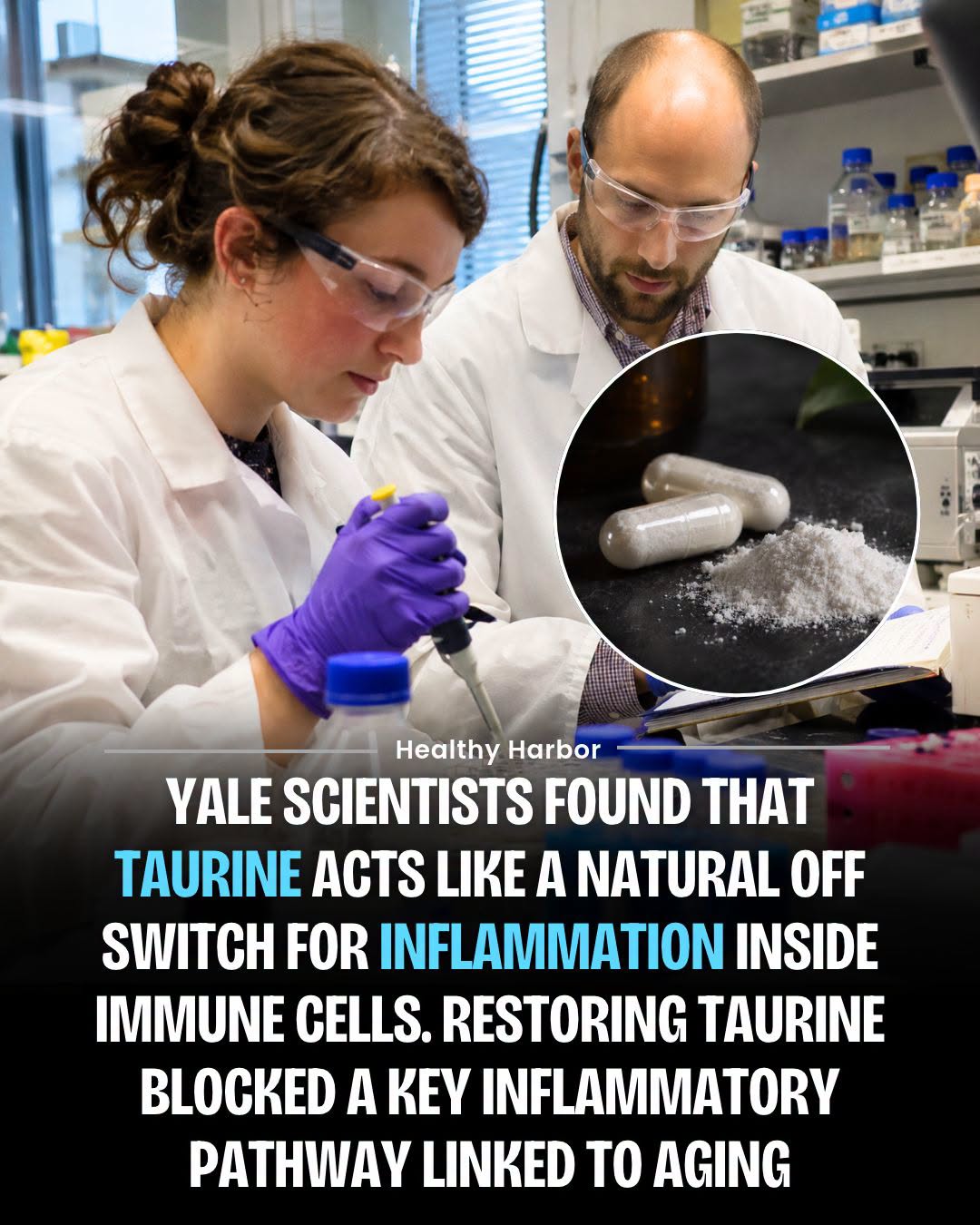
Rafael de Cabo’s group at the NIA has just published a paper in Nature challenging the idea that taurine levels decline with age, in humans and other animals like monkeys and mice.
He is claiming that this data implies taurine does not play a major role in aging.
This is a direct challenge to the results of a very high-profile Columbia University study published 2 years ago, which showed the opposite. See the old posts below:
↪ Taurine deficiency may drive aging; Columbia study spans worms, mice, monkeys and humans
↪ Taurine and cardiovascular disease: anti-inflammatory and vascular effects
facebook.com/share/p/16qAntQJ6m
facebook.com/share/p/1RtDoTbnR1
The de Cabo results look more robust because most of the data was collected longitudinally, as opposed to the Columbia paper where a lot of the data was obtained cross-sectionally (at only one point in time).
I have not read the actual paper yet, so I haven’t really formed an opinion here.
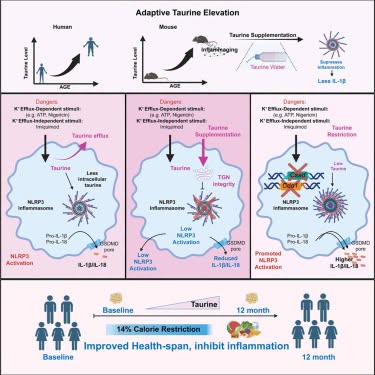
However, I would note that just because taurine levels don’t decline with age, does not mean that supplementation has no value. The Columbia paper included a lot of work that was done interventionally. They gave animals taurine— including mice and primates— and observed benefits.
It looks like there is going to be a big fight here, like what happened with resveratrol.