You may have heard of induced pluripotent stem (IPS) cells. These are stem cells created in a lab from normal cells through a process called epigenetic reprogramming. They have all the same regenerative potential as stem cells found in an embryo, but they are made from normal cells. The epigenetic reprogramming process takes old cells and literally makes them young (embryonic) again.
What you may not know is that vitamin C is used in the lab in the process of creating these IPS cells. Without adding vitamin C to the cells in culture, the process will not work well.
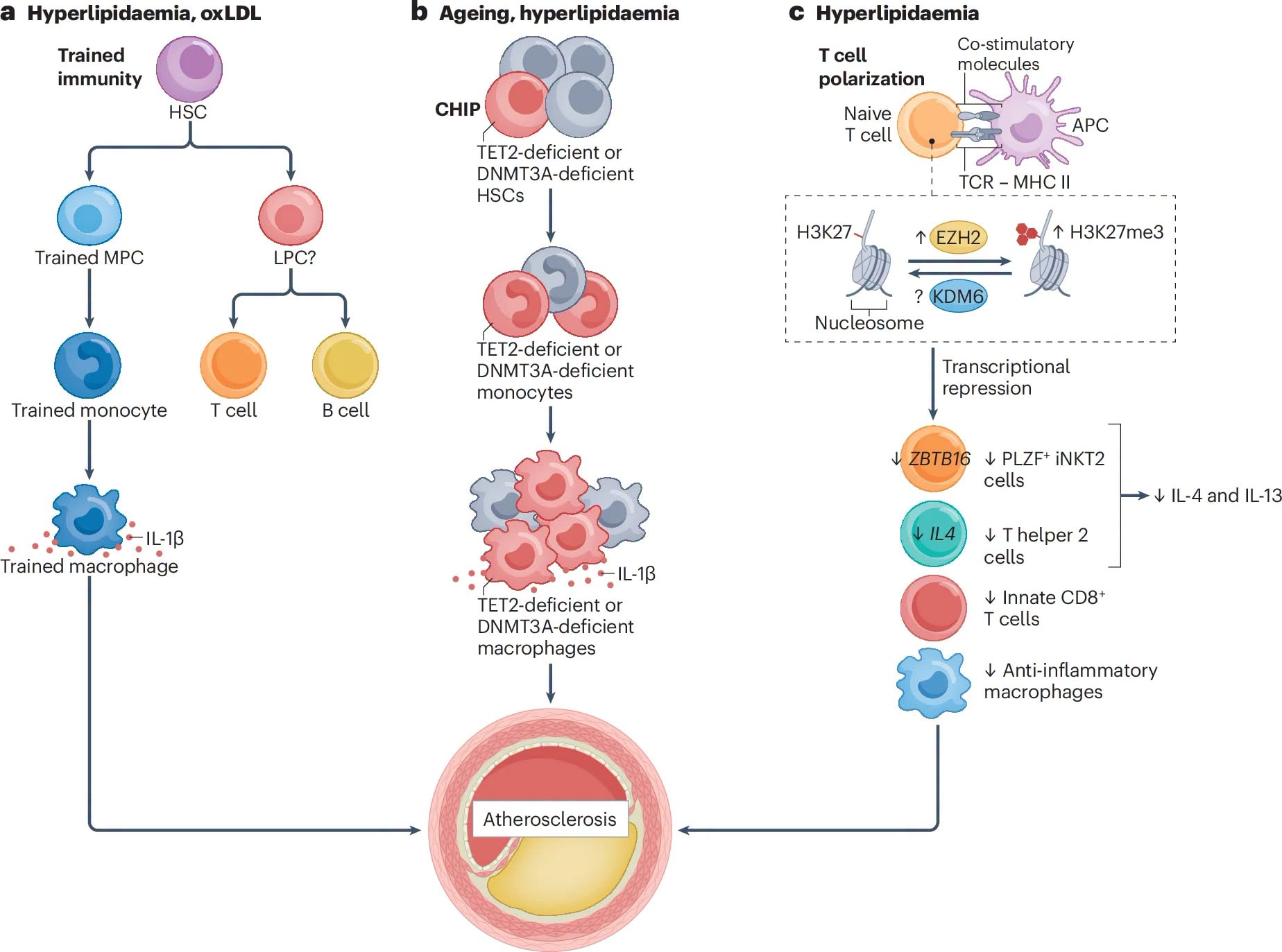
Vitamin C plays a crucial role in epigenetic reprogramming by acting as a cofactor for enzymes involved in DNA and histone demethylation. It influences the epigenome, affecting gene expression, without altering the underlying DNA sequence. This epigenome partially controls the age of the cell.
The cosmetics industry has taken advantage of this fact for many years by putting vitamin C in skin creams. These effects on the epigenome are one of the reasons why vitamin C has a regenerative effect on skin when applied topically in high doses.
It seems unlikely that oral doses could raise blood levels high enough to replicate the epigenetic benefits seen topically. But other methods such as IV adminatration might, and in that case, there is no good reason to believe that these epigenetic benefits would be limited only to skin cells.
#vitamincHD #agingHD #skinHD #stemcellsHD #epigeneticreprogrammingHD #epigeneticclockHD
Epidermal thinning is a hallmark of skin aging, reducing barrier integrity and regenerative potential. This study suggests that vitamin C doesn't merely act as an antioxidant or cofactor for collagen synthesis, but it it may help “flip” epigenetic switches that restore a more youthful gene expression profile in skin.
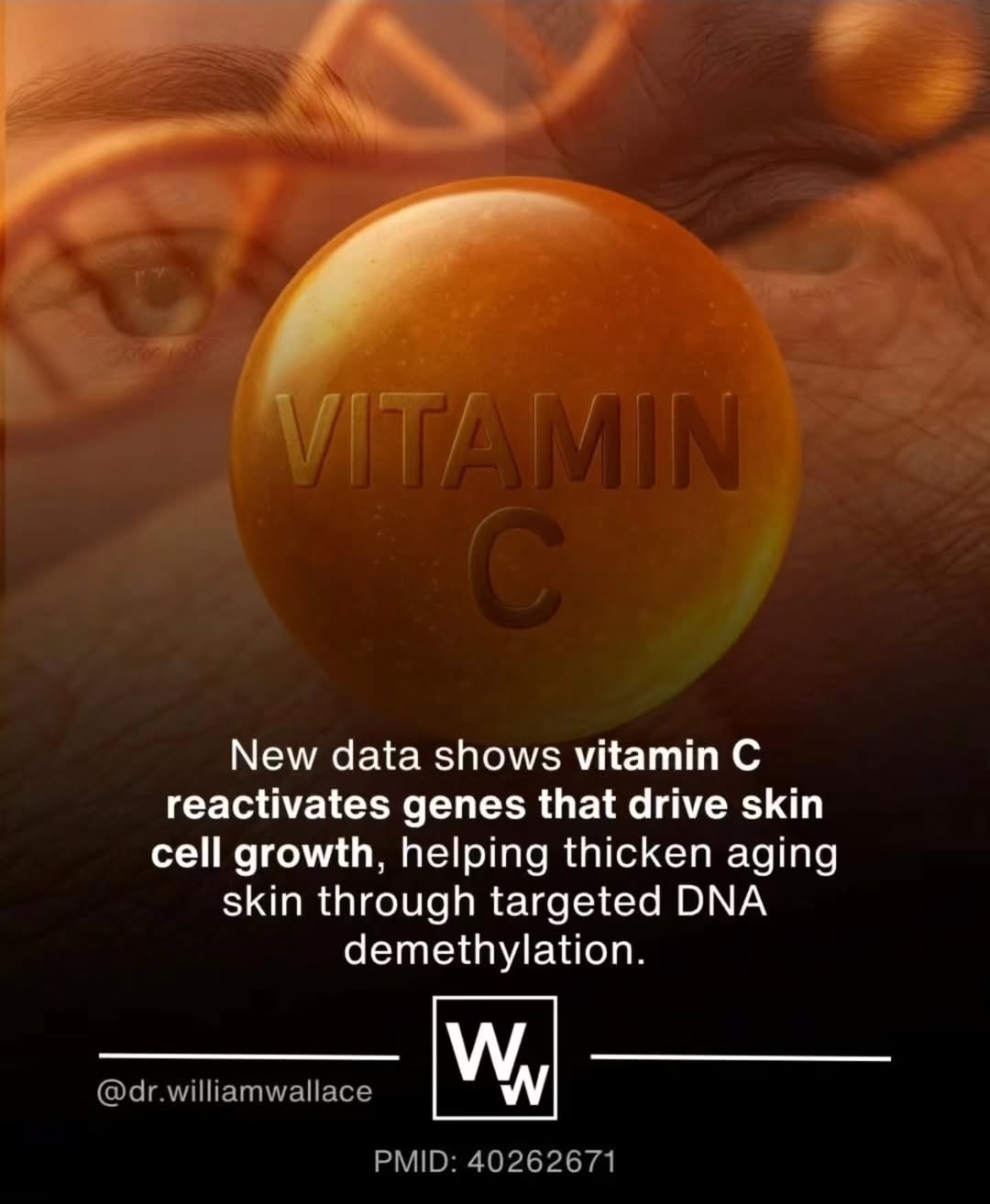
New data published in The Journal of Investigative Dermatology (PMID: 40262671) demonstrated that vitamin C directly enhanced gene expression associated with epidermal thickening. This was mediated through DNA demethylation at promoter regions.
Does this translate to humans?
✅ Maybe, but cautiously. The study used aged human skin cells and validated findings in vitamin C-deficient mice, which showed restored epidermal thickness with ascorbic acid supplementation. These models are closer to clinical relevance than typical in vitro studies (although not definitively conclusive).
However, the study used pharmacologic doses of vitamin C in vitro, and oral absorption in humans is tightly regulated by gut transporters (SVCT1/2), making it unlikely that high oral doses directly reach skin stem cells in similar concentrations.
Practical Application:
🧴 Topical vitamin C (especially stabilized L-ascorbic acid) formulations in the 10–20% range may offer the most direct route to achieve skin-specific gene activation and epidermal remodeling.
🍊 Oral intake still matters: how 200–400 mg/day of vitamin C saturates plasma levels (different than leukocyte - more reflective of long term intake) in healthy adults. That intake supports systemic antioxidant defense and collagen hydroxylation, but topical routes are likely required for targeting epidermal stem cell gene expression directly.
Limitations:
🔹 The in vitro doses required to induce demethylation are difficult to achieve through oral supplementation.
🔹 The study focused on epidermal stem cells, not dermal fibroblasts (so implications are specific to surface skin thickness, not collagen-rich dermal volume).
🔹 Long-term effects, optimal dosing regimens, and combinatory protocols remain untested.
🔹 Epigenetic remodeling may be influenced by individual methylation patterns and genetic polymorphisms.