HD-OPM Archive
Topics › LDL, ApoB & lipid panel

Circulating oxidized LDL does not predict CVD once ApoB is accounted for

Louis Nervegna · Sep 12, 2025 · ♥ 2 reactions · 0 comments · original Facebook post
LDL, ApoB & lipid panelRisk assessment & lab tests
↻ This is a repost. The main version (highest ranked) is Circulating oxidized LDL tests do not predict CVD risk once ApoB is accounted for · Sep 12, 2024.
AI summary & key facts

Louis summarizes why oxidized LDL blood tests are not useful: associations vanish or shrink after adjusting for ApoB particle number, and the oxidation that causes harm occurs inside the arterial wall. Trials of interventions that prevent oxidation of circulating LDL have repeatedly failed to protect against heart disease.

(no text — see the shared post below)

Research cited

Blood tests that measure “oxidized LDL” in circulation do not predict risk for CVD.

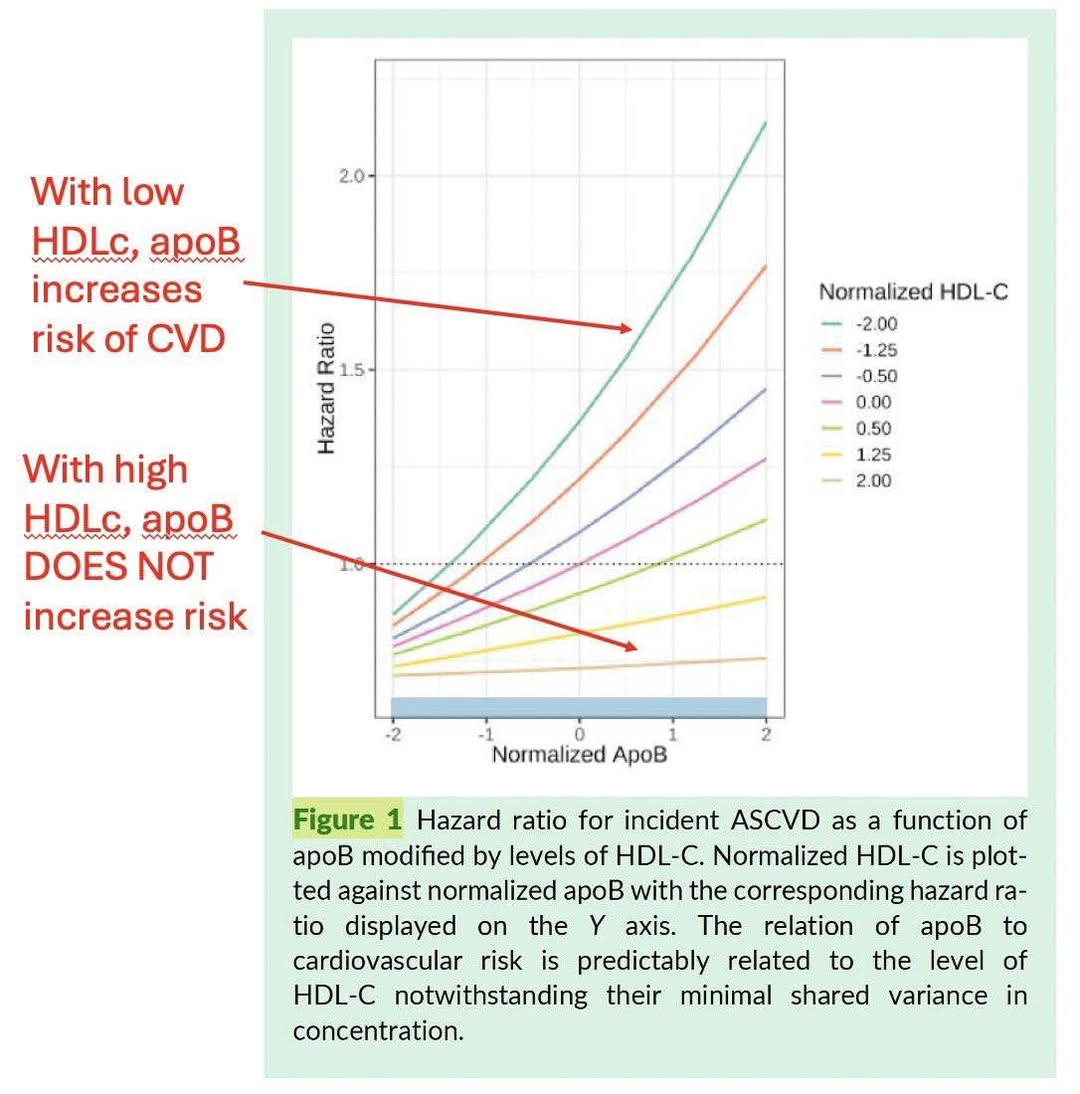
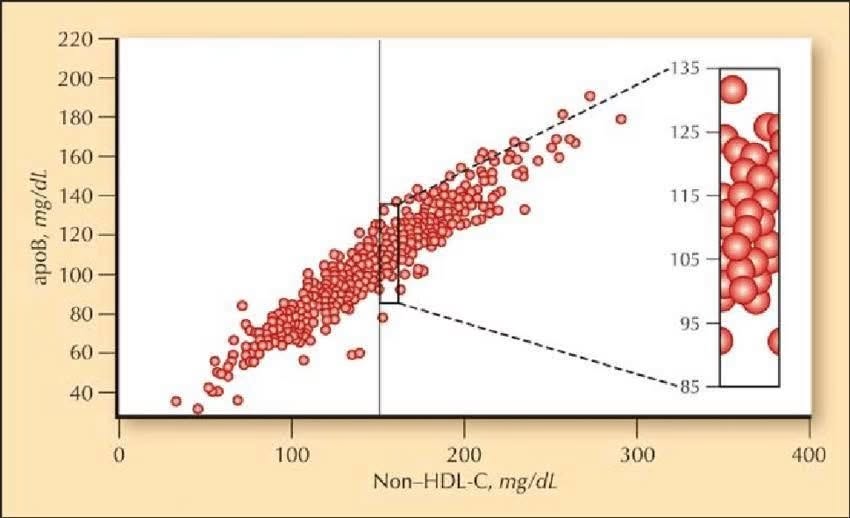
Any association disappears or is greatly attenuated after properly accounting for total ApoB particles (which includes LDL).

The vast majority of LDL oxidation happens only after particles have entered the arterial wall. This is where oxidation of LDL is causal, not while the particles are in circulation.

There is currently no commercial test available that can measure LDL oxidation inside the arterial wall where it matters.

Interventions that prevent oxidation of circulating LDL have repeatedly failed to protect against heart disease in randomized controlled trials.

#oxidizedldlHD #ldlHD #apobHD

← newer: Circulating oxidized LDL is a useless test: measure ApoB insolder: Metformin's glucose-lowering effect involves the gut microbi →