Blood tests that measure “oxidized LDL” in circulation do not predict risk for CVD.
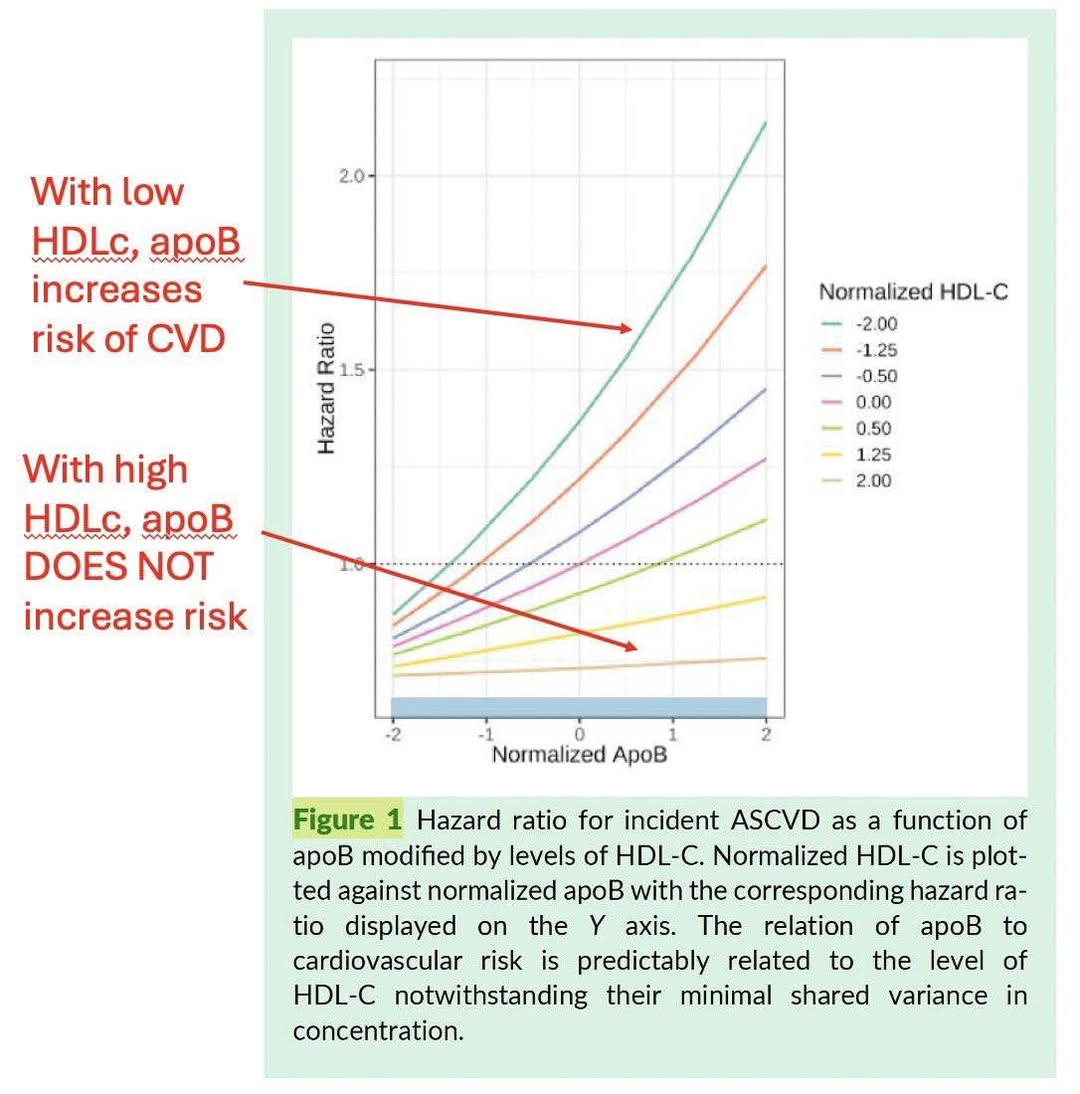
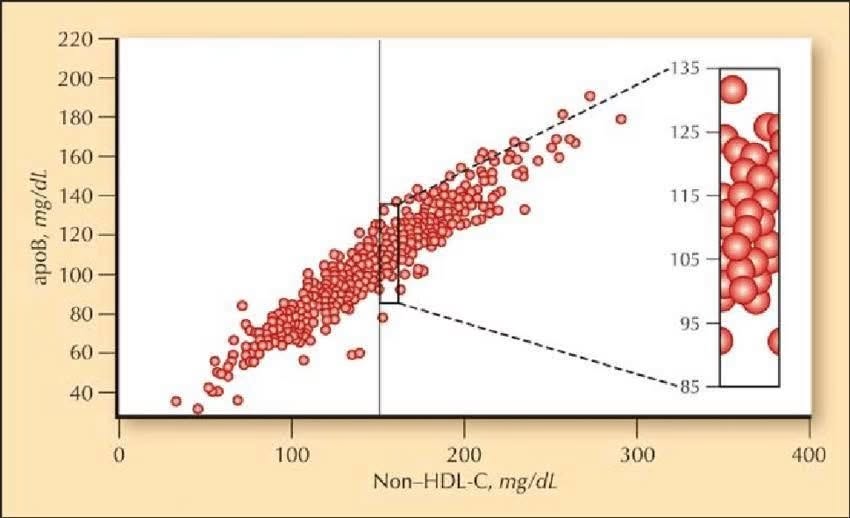
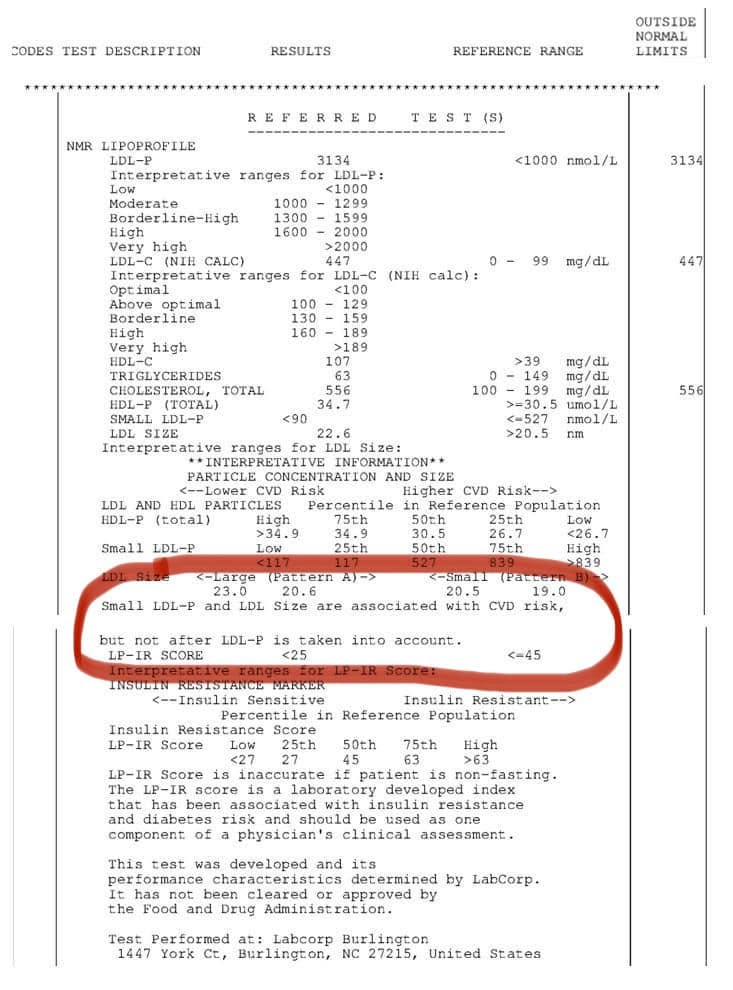
Any association disappears or is greatly attenuated after properly accounting for total ApoB particles (which includes LDL).
The vast majority of LDL oxidation happens only after particles have entered the arterial wall. This is where oxidation of LDL is causal, not while the particles are in circulation.
There is currently no commercial test available that can measure LDL oxidation inside the arterial wall where it matters.
Interventions that prevent oxidation of circulating LDL have repeatedly failed to protect against heart disease in randomized controlled trials.
 ▶