This really works. Doing calf raises after eating can dramatically blunt the ensuing blood sugar spike.
When you raise and lower your heels while seated, your calf muscles—particularly the soleus—activate in a way that facilitates blood sugar transport. This process enhances non-insulin-mediated glucose uptake, allowing muscles to absorb glucose without relying solely on insulin. For individuals with Type 2 diabetes or insulin resistance, this provides a crucial workaround when insulin signaling is impaired.
See this link for more information on why this works:
 Diabetes In Control. A free weekly diabetes newsletter for Medical Professionals.Sitting Calf Raises and Diabetes ControlExplore how sitting calf raises can aid diabetes control by improving circulation and muscle strength, offering a simple yet effective exercise option.diabetesincontrol.com
#glucoseHD #calfraisesHD #calfHD
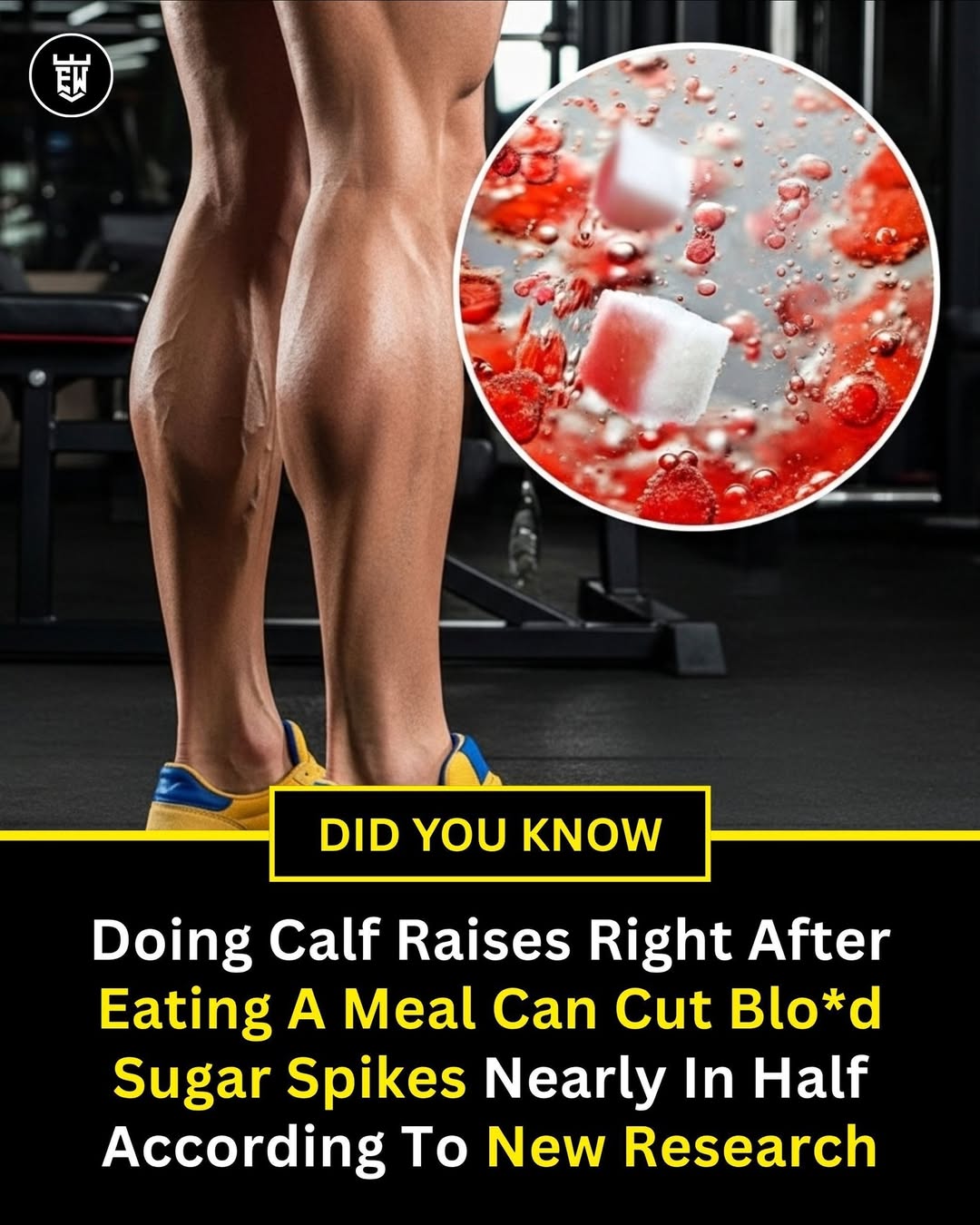
One of the simplest moves in fitness might be a secret weapon for your metabolism. Scientists have found that doing calf raises after a meal can reduce post-meal blo*d sugar spikes by as much as 52 percent, no equipment, no workout plan, just movement.
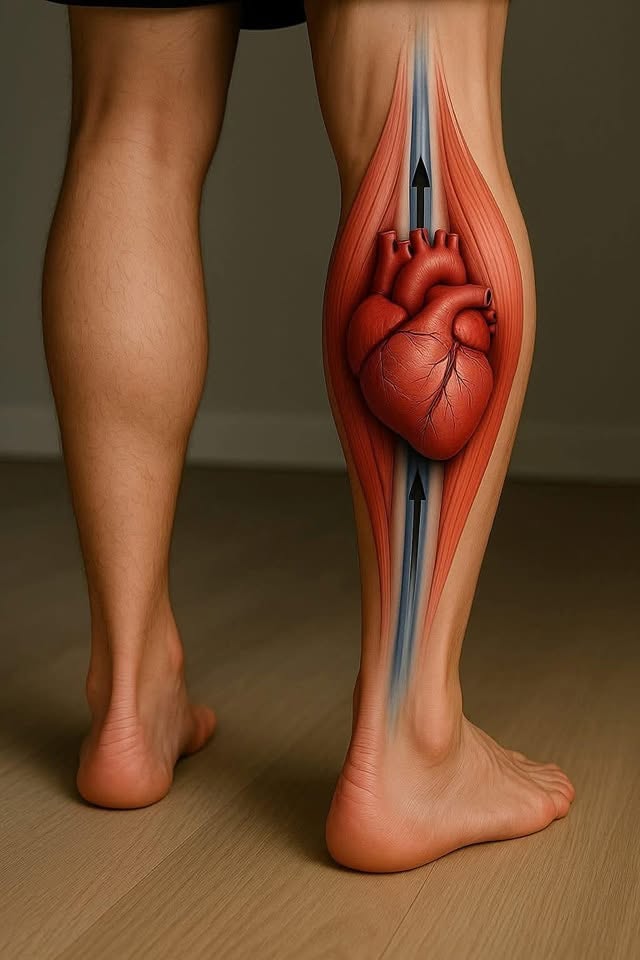
Here’s how it works. After eating, your blood sugar naturally rises as your body digests and absorbs food. But when you perform calf raises, the muscles in your lower legs , especially the soleus, a deep muscle responsible for endurance and circulation, start using glucose for energy. That activity helps clear sugar from the bloodstream and sends it straight into muscle tissue for fuel.
In the study, participants who did slow, consistent calf raises for a few minutes after eating had dramatically better blo*d sugar control compared to those who sat still. Even small, steady contractions were enough to activate what researchers call the “soleus pump,” a mechanism that helps regulate glucose levels and improve circulation.
The best part? You don’t need a gym or gear. You can do it standing in your kitchen, while brushing your teeth, or even sitting down, just lift your heels repeatedly and let your calves do the work.
It’s a reminder that the body was never built for stillness. Sometimes, the smallest movements have the biggest impact.
Because fitness isn’t just about sweat, it’s about strategy.
#ScienceDiscovery #HealthFacts #SmartFeed #BoneZone #ExplainingTheWorld