Intermittent fasting reversed type 2 diabetes, in a small 36 person randomized trial.
Around half the participants achieved remission in just 3 months, and were able to stop all medications. They maintained this remission for over a year.
The intermittent fasting worked in more advanced cases as well. More than half the people who achieved remission had diabetes for over 6 years.
The average weight loss in the trial was 13lbs (5.9kg).
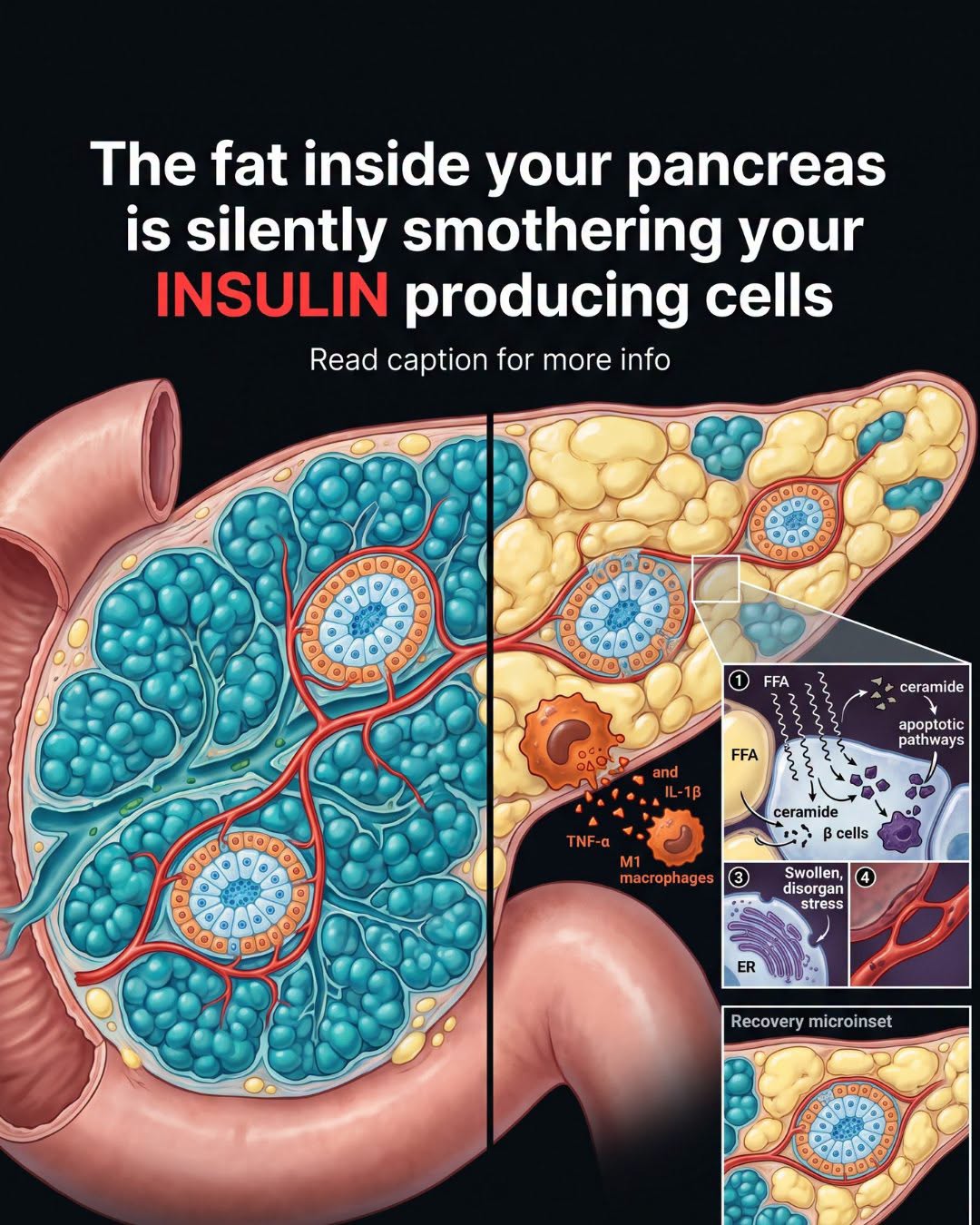
My note: The participants who went into remission in this trial almost certainly achieved a major reduction in ectopic fat in their liver and pancreas. Intermittent fasting (with calorie reduction) is an excellent way to clear the liver and pancreas of fat.
Link to full study:
Paper · J Clin Endocrinol MetabJ Clin Endocrinol Metab articleacademic.oup.comQuoted:
The researchers conducted a 3-month intermittent fasting diet intervention among 36 people with diabetes and found almost 90% of participants, including those who took blood sugar-lowering agents and insulin, reduced their diabetes medication intake after intermittent fasting. Fifty-five percent of these people experienced diabetes remission, discontinued their diabetes medication and maintained it for at least one year.
The study challenges the conventional view that diabetes remission can only be achieved in those with a shorter diabetes duration (0-6 years). Sixty-five percent of the study participants who achieved diabetes remission had a diabetes duration of more than 6 years (6-11 years).
“Diabetes medications are costly and a barrier for many patients who are trying to effectively manage their diabetes. Our study saw medication costs decrease by 77% in people with diabetes after intermittent fasting,” Liu said.
Quoted:
On completing the 3-month intervention plus 3-month follow-up, 47.2% (17/36) of participants achieved diabetes remission in the CMNT group, whereas only 2.8% (1/36) of individuals achieved remission in the control group (odds ratio 31.32; 95% CI, 2.39-121.07; P < 0.0001). The mean body weight of participants in the CMNT group was reduced by 5.93 kg (SD 2.47) compared to 0.27 kg (1.43) in the control group. After the 12-month follow-up, 44.4% (16/36) of the participants achieved sustained remission, with an HbA1c level of 6.33% (SD 0.87). The medication costs of the CMNT group were 77.22% lower than those of the control group (60.4/month vs 265.1/month).
#fastingHD #diabetesHD #liverfatHD #pancreasfat #visceralfatHD #weightlossHD #insulinresistanceHD #reversediabetesHD #liverfatsummaryHD