Our daily dose of #coffee (news) give us today: Study identifies coffee is like 🏋🏃🏽exercise!
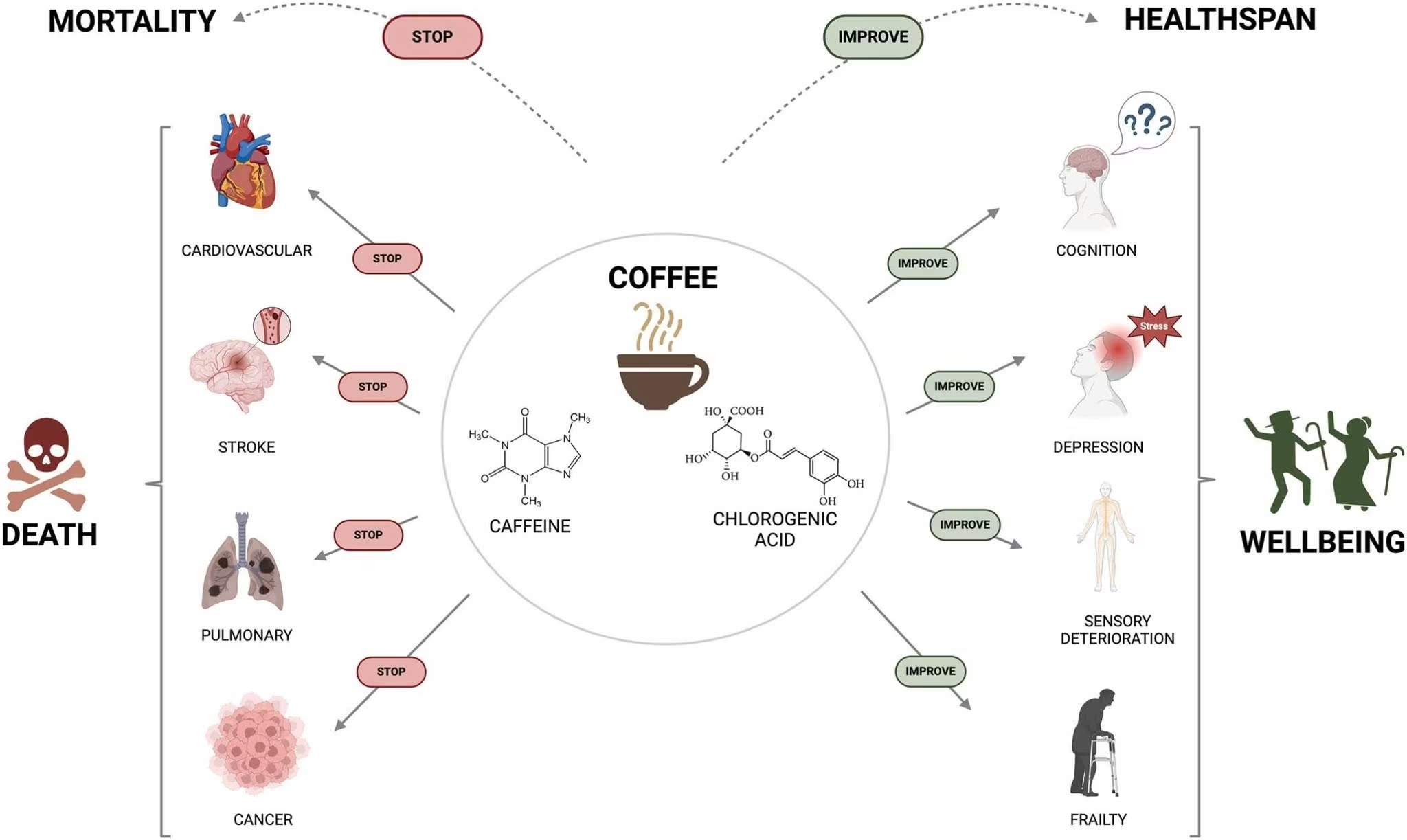
Yes, you read that right, your morning joe with its plethora of coffee polyphenols (chlorogenic, caffeic, ferulic, p‑coumaric acids, kahweol, cafestol, etc.) binds the nuclear receptor NR4A1 at low micromolar concentrations and act as inverse agonists in cell models.
🤔 WHUT?
NR4A1 is already known to regulate genes involved in metabolism, inflammation, and cellular stress responses; it is upregulated by exercise and muscle contraction and links to improved glucose and fat handling.
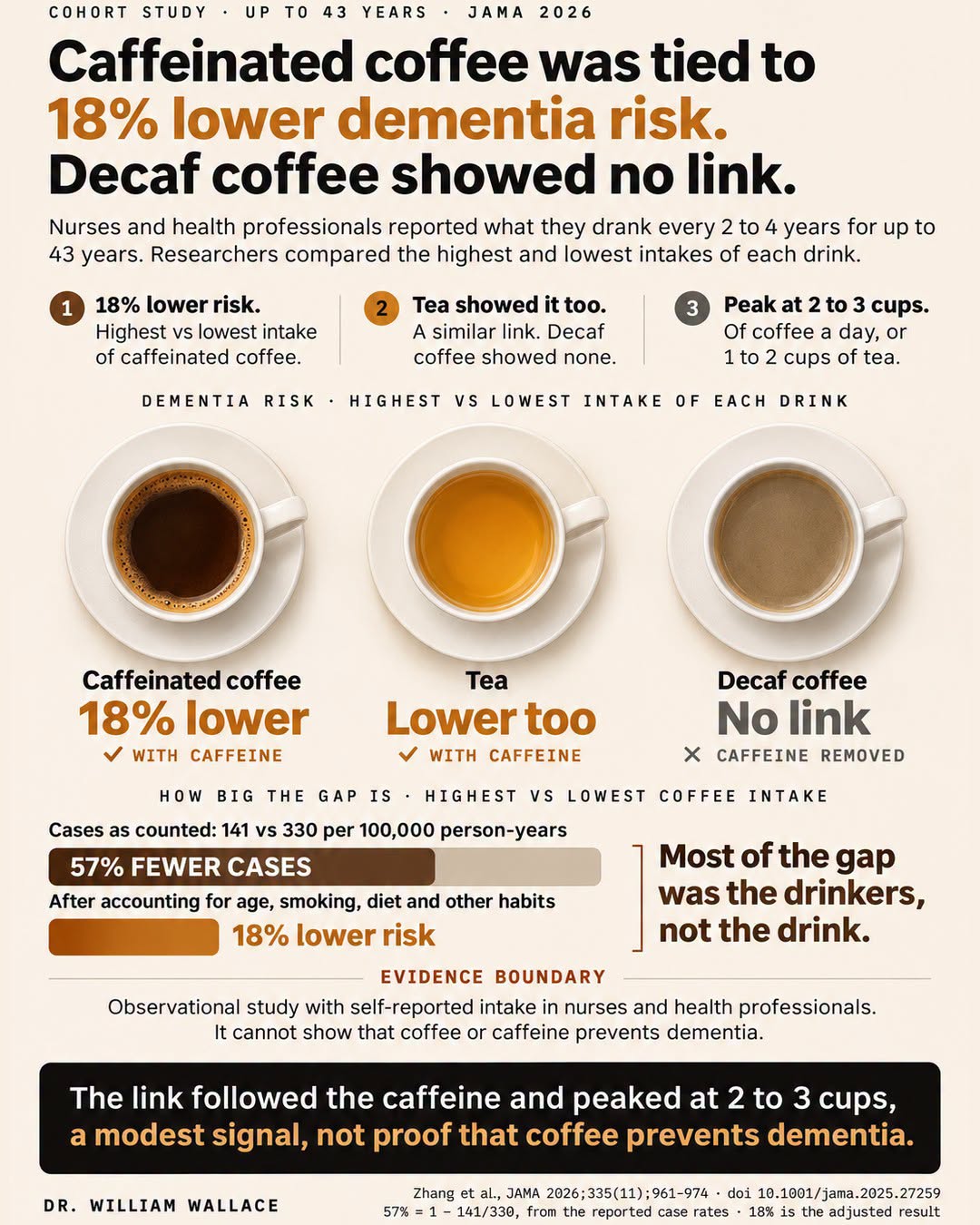
The work thus offers a plausible molecular target (NR4A1) through which habitual coffee intake could contribute to lower all‑cause mortality and cardiometabolic risk seen in epidemiology.
It supports the idea that non‑caffeine components of coffee (polyphenols, diterpenes) are biologically active and may be at least as important as caffeine for long‑term health effects.
Not the author is #HailMary ... well, almost 👇🏽
SuppVersity | Hailemariam, A., Upadhyay, S., Oany, A. R., Tsui, W. N. T., Srivastava, V., Sivaram, G., Churion, K., Chapkin, R. S., Davidson, L. A., … Safe, S. (2026). Brewed coffee and its components act through orphan nuclear receptor 4A1 (NR4A1). Nutrients, 18(6), 877. doi:10.3390/nu18060877