HD-OPM Archive
Hashtags

#lowldl

23 posts

Tissues make their own cholesterol: even very low LDL-C does not impair hormone production

Sep 17, 2026 · Louis Nervegna ♥ 15 · 💬 11 LDL, ApoB & lipid panel

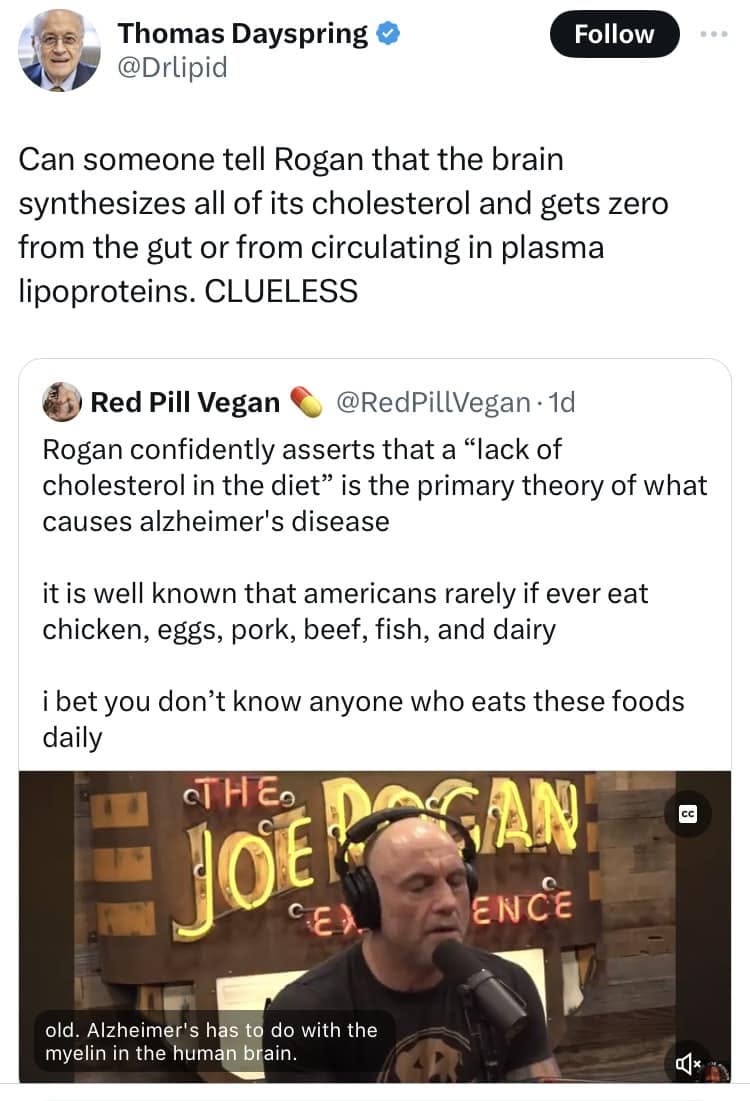
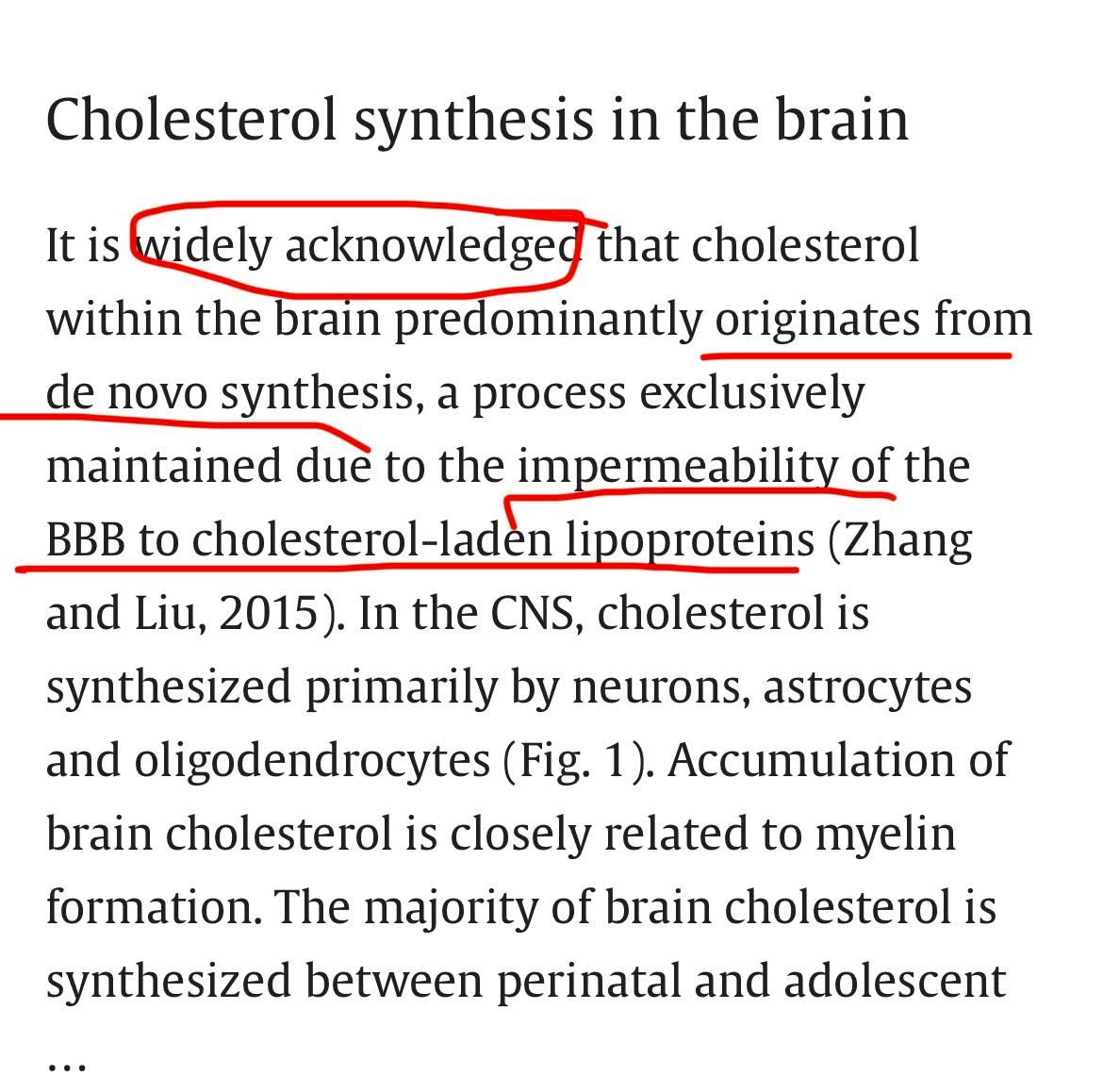
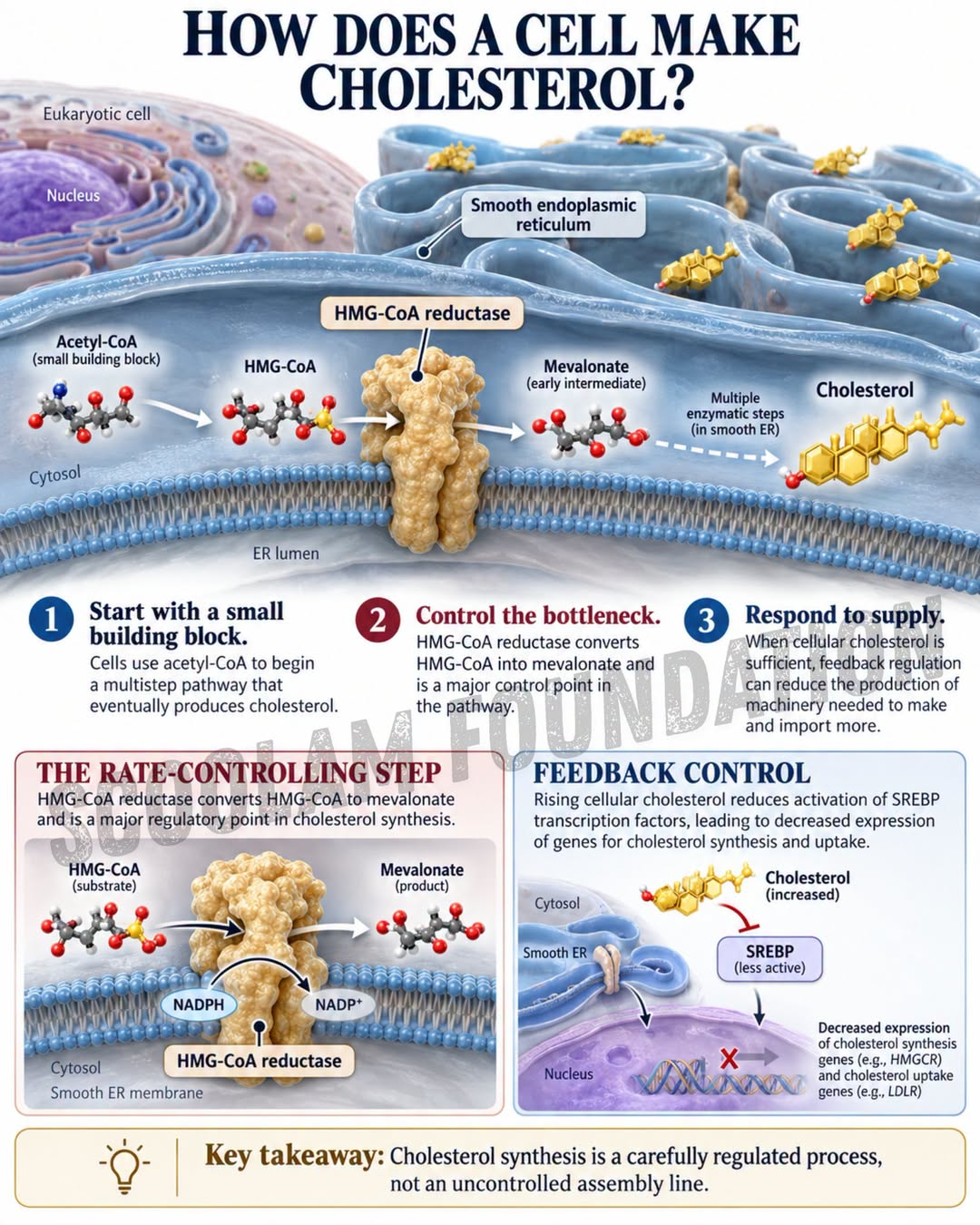
Louis explains that the blood holds only a small fraction of the body's cholesterol and that tissues, including the brain, mostly synthesize what they need. The steroid hormone demand supplied by blood is only tens of milligrams a day, easily met at very low LDL-C. He cites FOURIER and ODYSSEY OUTCOMES, in which LDL-C below 15-20 mg/dL did not impair adrenal or gonadal hormone production or vitamin D.

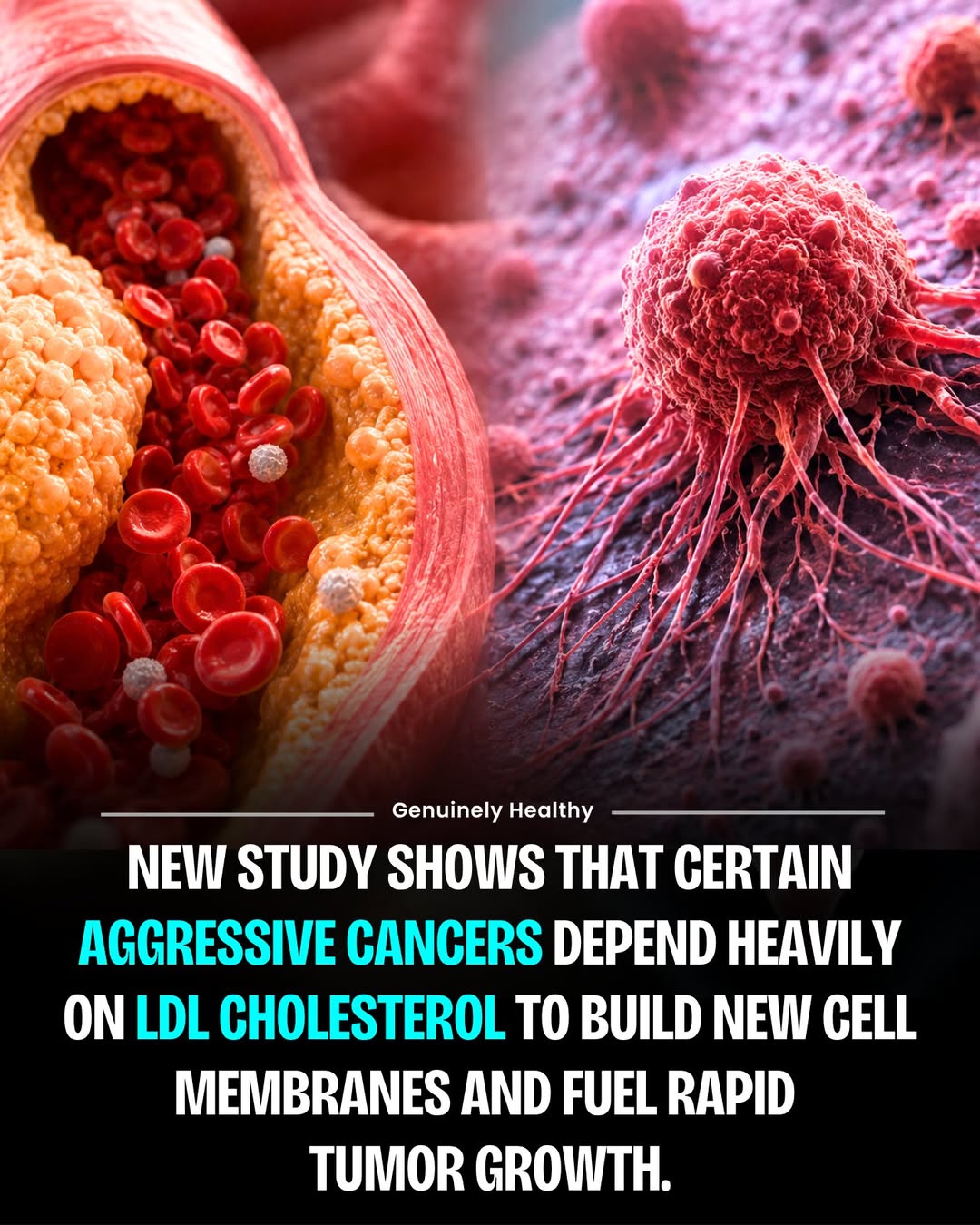
Low LDL in cancer patients reflects reverse causality: tumours scavenge LDL

May 25, 2026 · Louis Nervegna ♥ 17 · 💬 12 LDL, ApoB & lipid panel

Louis explains that rapidly dividing tumour cells take up circulating LDL, so LDL falls in people with cancer and observational data show low LDL with higher cancer mortality. The shared 2026 Science Advances study found aggressive breast cancers with TP53 mutations depend on cholesterol, and blocking PI5P4K enzymes trapped cholesterol and disrupted mTOR signalling.

Mendelian randomization: lifelong lower LDL tracks linearly with lower heart disease risk

Oct 10, 2026 · Louis Nervegna ♥ 13 · 💬 8 LDL, ApoB & lipid panel

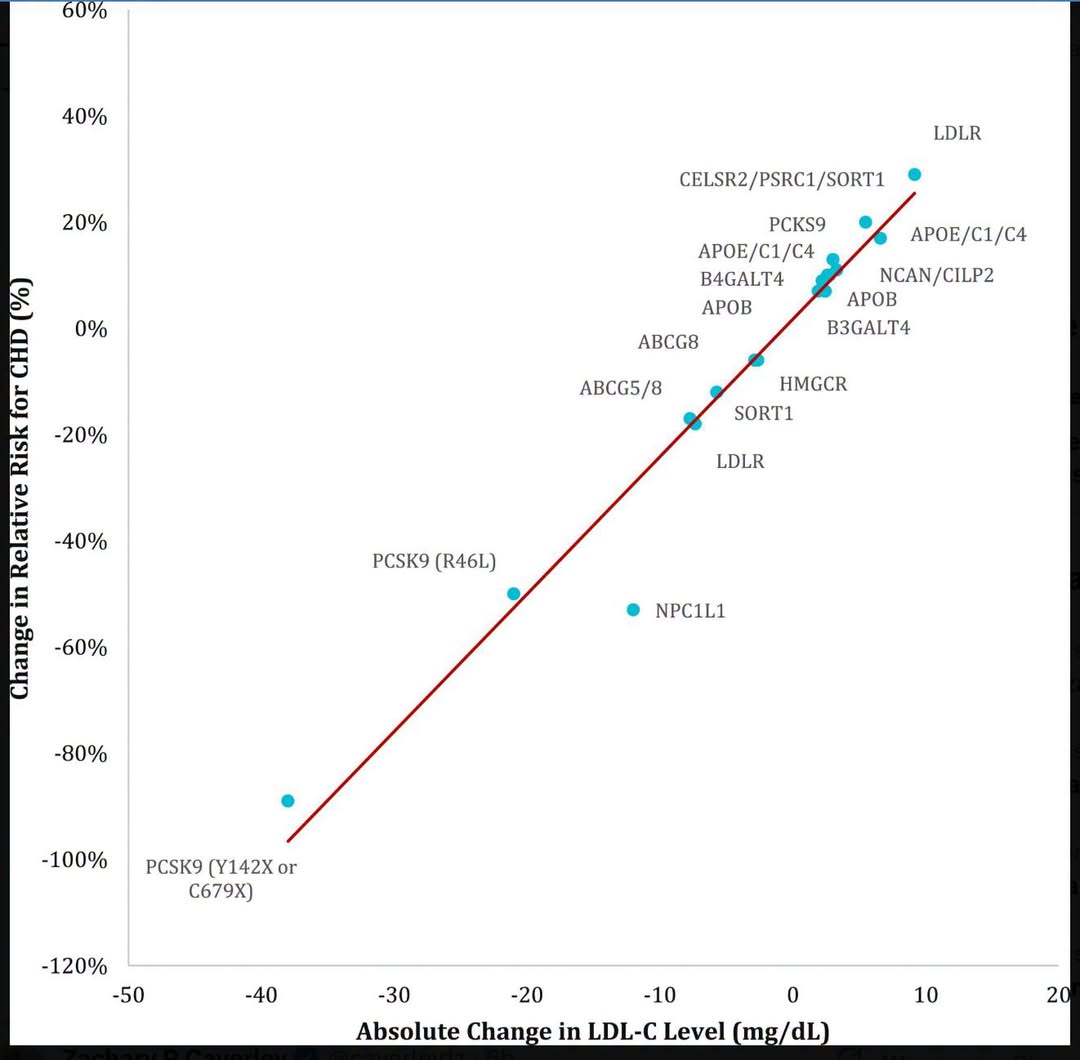
The post explains a chart from a European Atherosclerosis Society consensus statement showing that genetic variants affecting LDL through different pathways (LDLR, PCSK9, APOB, HMGCR, NPC1L1, SORT1, ABCG5/8) change coronary risk in proportion to the LDL change. This matches the linear relationship seen in statin trials. The poster also shows how to convert relative risk reductions into lifetime absolute risk.

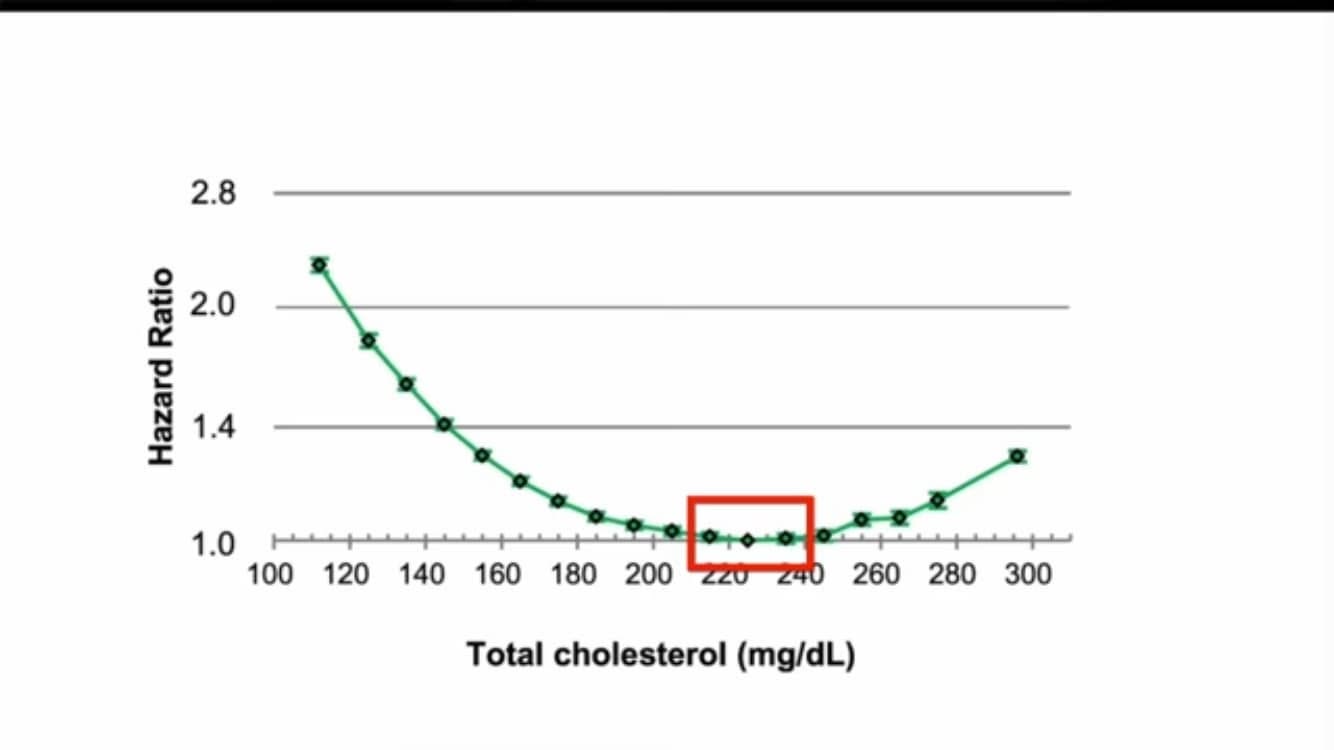
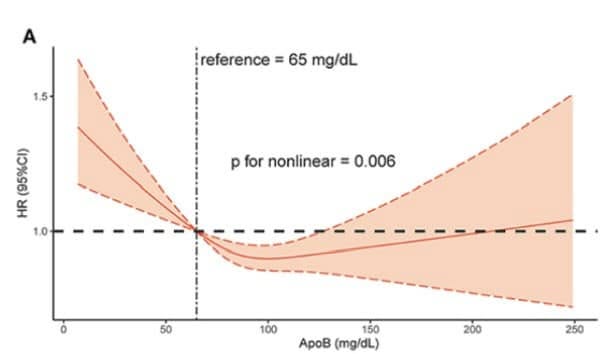
U-shaped ApoB-mortality curve turns linear after adjusting for bilirubin and malnutrition

Jun 01, 2024 · Louis Nervegna ♥ 13 · 💬 5 ↩ 1 LDL, ApoB & lipid panel

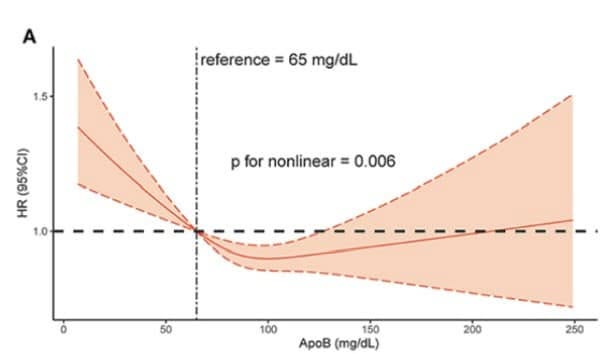
Louis explains a 2022 Chinese cohort of about 36,500 people showing the commonly observed U-shaped relationship between ApoB and all-cause mortality disappears once comorbidities, bilirubin and malnutrition are corrected for. Low ApoB at older ages appears to be a consequence of illness and wasting rather than a cause of death, consistent with RCT and Mendelian randomization evidence that the low-end increase is not causal.

Cholesterol as a master regulator of blood stem cells, driving inflammatory hematopoiesis

Oct 19, 2025 · Gokhan Can ♥ 7 · 💬 4 Inflammation & CRP

Review of preclinical evidence that high LDL pulls hematopoietic stem cells out of dormancy, causing proliferation, oxidative stress, telomere shortening, impaired repopulation and lasting epigenetic changes that program blood and immune cells toward chronic inflammation. This offers a molecular basis for residual inflammatory risk after cholesterol is treated.

U-shaped ApoB-mortality curve turns linear after adjustment in 36,500 people

Jan 13, 2025 · Louis Nervegna ♥ 10 · 💬 2 LDL, ApoB & lipid panel

Louis explains that the U-shaped curve between ApoB or LDL and mortality is not causal at low levels per RCTs and Mendelian randomization. A 2022 Chinese cohort of 36,500 showed the curve becomes linear after correcting for comorbidities, bilirubin and wasting-related malnutrition. He clarifies that 'metabolic vulnerability' is a broad set of age-related disease processes, not simply insulin resistance, and is the source of the reverse causality.

Low LDL's link to cancer is reverse causality: cancer lowers cholesterol, not vice versa

Dec 21, 2023 · Louis Nervegna ♥ 5 · 💬 1 LDL, ApoB & lipid panel

Louis explains why observational studies linking low LDL to cancer are not causal. Citing a Circulation review on reverse causality, he notes cholesterol declines before cancer diagnosis (likely from cancer-related inflammation), statin RCTs show no increase in cancer, and Mendelian randomization with an average of 52 years of lifetime exposure shows no higher cancer rates in people with genetically lower cholesterol.

Nearly every cell makes its own cholesterol, especially brain cells

Oct 29, 2026 · Louis Nervegna ♥ 4 · 💬 2 LDL, ApoB & lipid panel

Louis notes that nearly every nucleated cell synthesizes its own cholesterol rather than relying on blood cholesterol, particularly cells in the brain. The shared explainer describes cholesterol biosynthesis through the mevalonate pathway with HMG-CoA reductase as the rate-limiting step. It frames why circulating cholesterol and tissue cholesterol are largely separate pools.

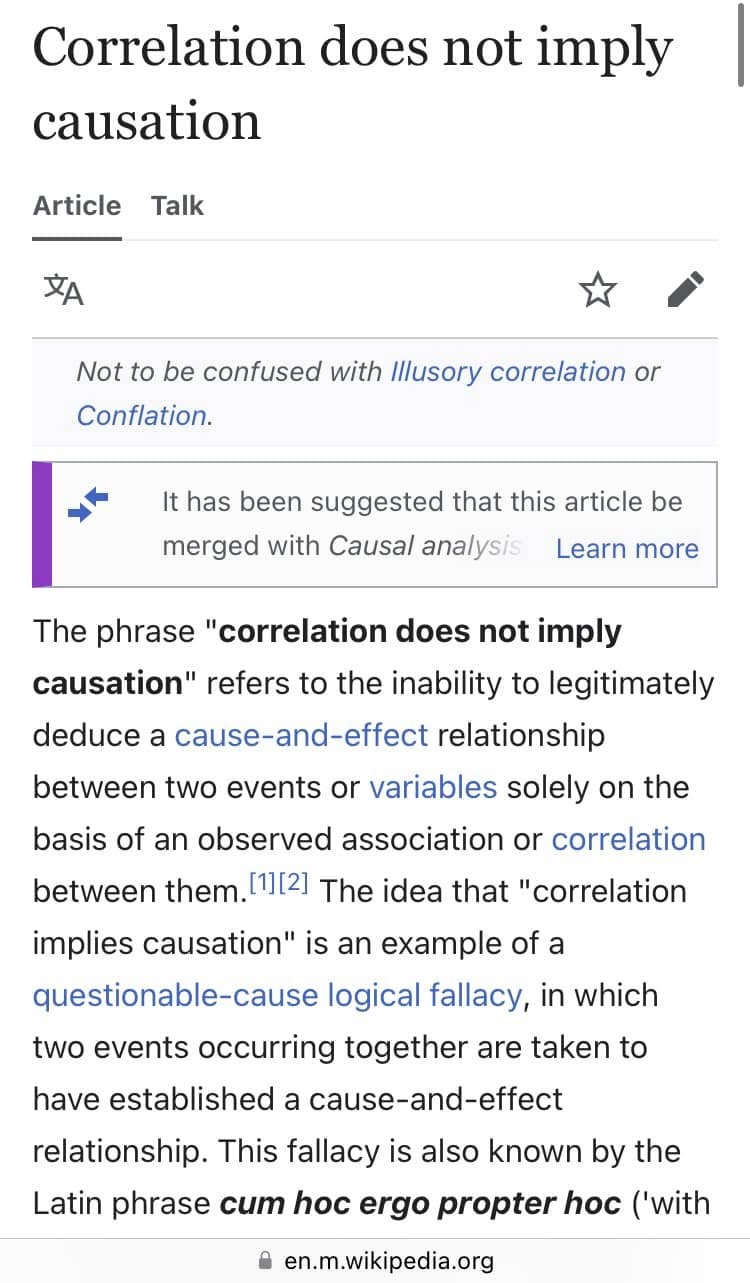
Why low LDL-C correlates with higher mortality: causation versus correlation

Nov 17, 2023 · Gokhan Can ♥ 5 · 💬 1 ↩ 2 LDL, ApoB & lipid panel

Points to a video on how ignoring the difference between correlation and causation can mislead, and argues that the association of low LDL-C with higher mortality is a marker of illnesses such as cancer or liver disease rather than a cause. Also links a paper from the author's cardiologist on causal roles of LDL-C, HDL, triglycerides and inflammation.