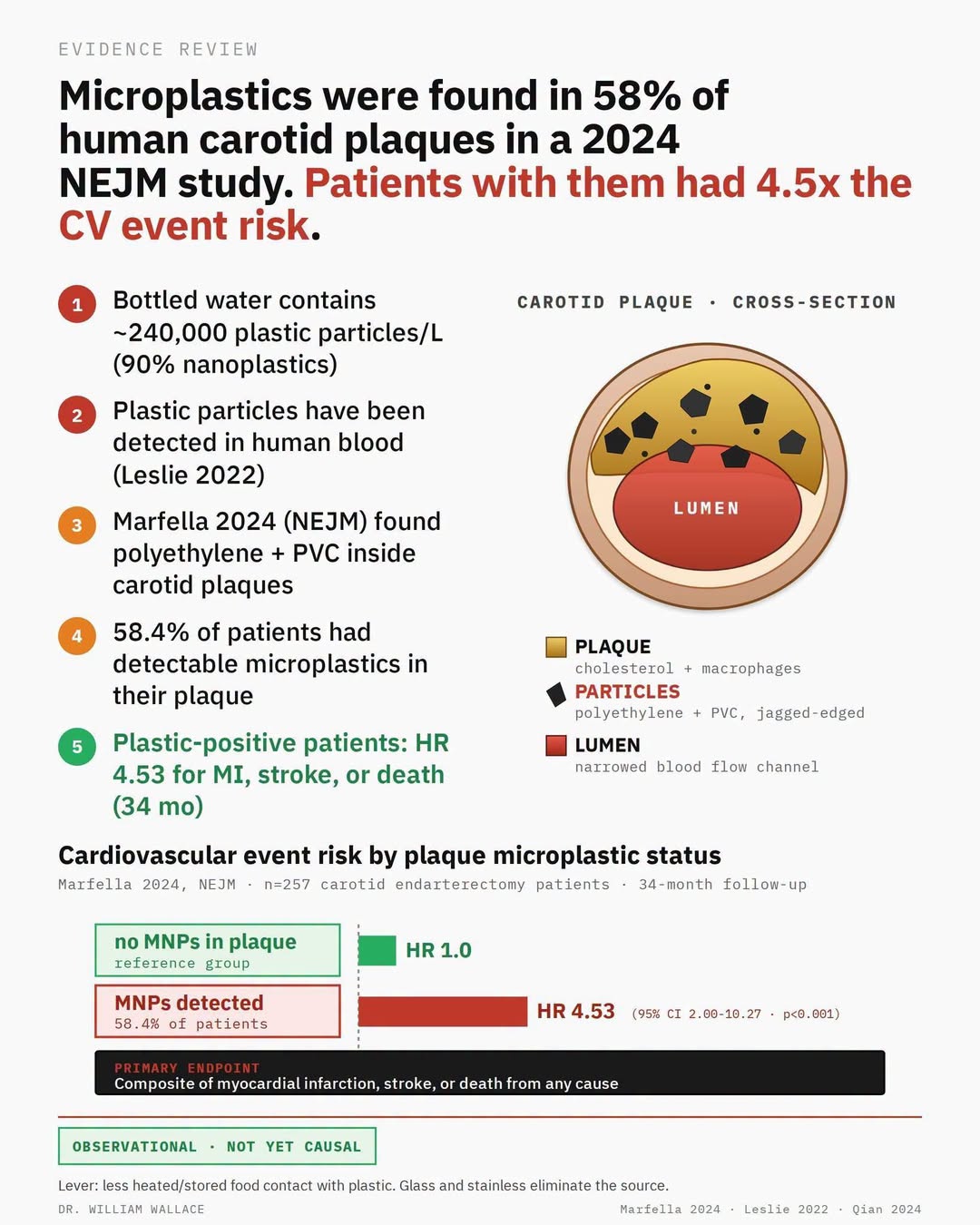
A nice summary of the research to date on microplastics and arterial plaque.
The research on microplastics and heart disease is still very early stage.
Louis shares a summary of microplastics research in blood and plaque. The 2024 NEJM study (Marfella) detected polyethylene in 58% of carotid plaque samples, and those patients had a much higher rate of heart attack, stroke or death. He stresses research is early stage.
A nice summary of the research to date on microplastics and arterial plaque.
The research on microplastics and heart disease is still very early stage.
Microplastics in human tissue stopped being a theoretical concern in 2024. Three studies in top journals over the past two years have moved this from "possibly relevant" to "directly measured in human blood and atherosclerotic plaque."
Marfella and colleagues (2024, New England Journal of Medicine) ran the study that changed the conversation. 304 patients undergoing carotid endarterectomy for asymptomatic carotid artery disease had their excised plaque specimens analyzed for microplastics and nanoplastics using pyrolysis-gas chromatography-mass spectrometry, stable isotope analysis, and electron microscopy.
257 patients completed a mean 33.7-month follow-up. Polyethylene was detected in plaques from 150 patients (58.4%), at a mean concentration of 21.7 µg per milligram of plaque tissue. 31 patients (12.1%) also had measurable polyvinyl chloride. Electron microscopy showed visible, jagged-edged foreign particles inside plaque macrophages. Patients with detectable microplastics in their plaque had a hazard ratio of 4.53 (95% CI 2.00 to 10.27, p<0.001) for the composite outcome of myocardial infarction, stroke, or death from any cause compared to patients without detectable plastics.
Leslie and colleagues (2022, Environment International) provided the upstream evidence. Whole blood from 22 healthy donors was analyzed using double-shot pyrolysis gas chromatography-mass spectrometry. Polyethylene terephthalate, polyethylene, and polymers of styrene were detected and quantified. Mean concentration of plastic particles ≥700 nm was 1.6 µg per milliliter of blood. The authors framed this as the first demonstration that plastic particles are bioavailable for systemic uptake into the human bloodstream.
Qian and colleagues (2024, PNAS) characterized one major exposure source. Using stimulated Raman scattering microscopy capable of detecting particles below 100 nm, they analyzed bottled water samples. Mean concentration was approximately 240,000 particles per liter, of which roughly 90% were nanoplastics smaller than 1 micrometer. Previous methods had only detected microplastics larger than 1 µm, missing this dominant nano-fraction. The authors describe the result as orders of magnitude higher than earlier estimates of microplastic abundance in bottled water.
The pathway these studies sketch out, but do not prove. Plastic particles enter the body through ingestion (water, food packaging, plastic-contact food preparation) and likely inhalation. Particles small enough to cross epithelial barriers reach the bloodstream (Leslie). They distribute systemically and can deposit in vascular tissue (Marfella). Their presence in atherosclerotic plaque is associated with increased risk of cardiovascular events over the following 34 months (Marfella).
What the data does not establish. Marfella 2024 is observational, not interventional. Patients with detectable microplastics in their plaque may differ from patients without on confounders that were not fully measured. The hazard ratio is large enough to take seriously, but causation cannot be inferred from a single observational study. The mechanism by which plaque microplastics might drive cardiovascular events (chronic inflammation, plaque instability) is biologically plausible but not yet directly demonstrated in humans. Independent replication in different populations is needed.
What the data does establish. Plastic particles are reaching human circulation. They are accumulating in human atherosclerotic plaques.The accumulation correlates with future cardiovascular events. The exposure source includes bottled water at concentrations meaningfully higher than previously understood.
The practical implications are not based on the cited papers directly but on the broader microplastic exposure literature. Heated plastic releases more particles than cold plastic. Stored hot food in plastic containers is a higher-exposure route than glass or stainless steel. Plastic water bottles, especially when stored in heat, release more particles than glass-bottled or filtered tap water. Microwaving food in plastic releases meaningfully more particles than reheating in glass or ceramic. None of these levers have been shown to reduce cardiovascular event risk in a clinical trial. They are exposure-reduction strategies based on the assumption that lower exposure is preferable to higher exposure given what the human tissue data now shows.The bigger principle. The microplastic story has moved from environmental to internal medicine in the span of 24 months. The view that microplastics in food and water might one day be measurable in humans has been replaced by 2024 evidence that they are detectable in blood and embedded in cardiovascular plaque, with measurable correlation to hard endpoints.
The 4.5x hazard ratio is not yet causation. It is also too large to ignore.
Marfella et al., New England Journal of Medicine, 2024
Leslie et al., Environment International, 2022
Qian et al., PNAS, 2024
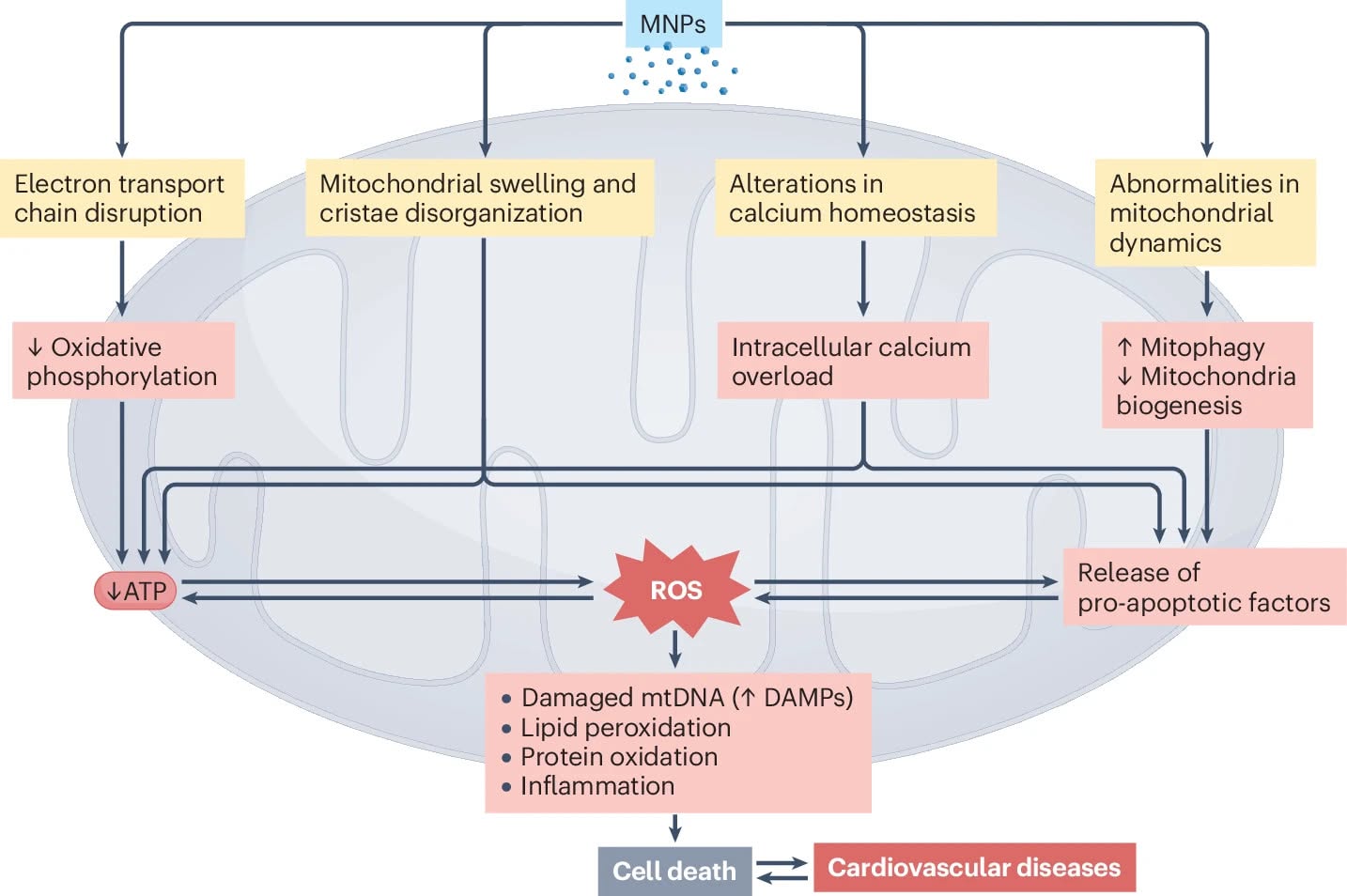
Louis shares a 2026 review of microplastic and nanoplastic effects on cardiovascular health and candidate mechanisms (inflammation, oxidative stress, mitochondrial dysfunction). He stresses the link is still speculative, though biologically plausible.
Summarises a UC Riverside mouse study: atherosclerosis-prone mice given 10 mg/kg/day microplastics for nine weeks. Males had 63% more plaque in the aortic root and 624% more in the brachiocephalic artery; females had no significant increase. Weight and cholesterol were unchanged, suggesting direct endothelial damage and inflammation. Admin suggests high fiber and Finnish sauna as defenses (not from the study).
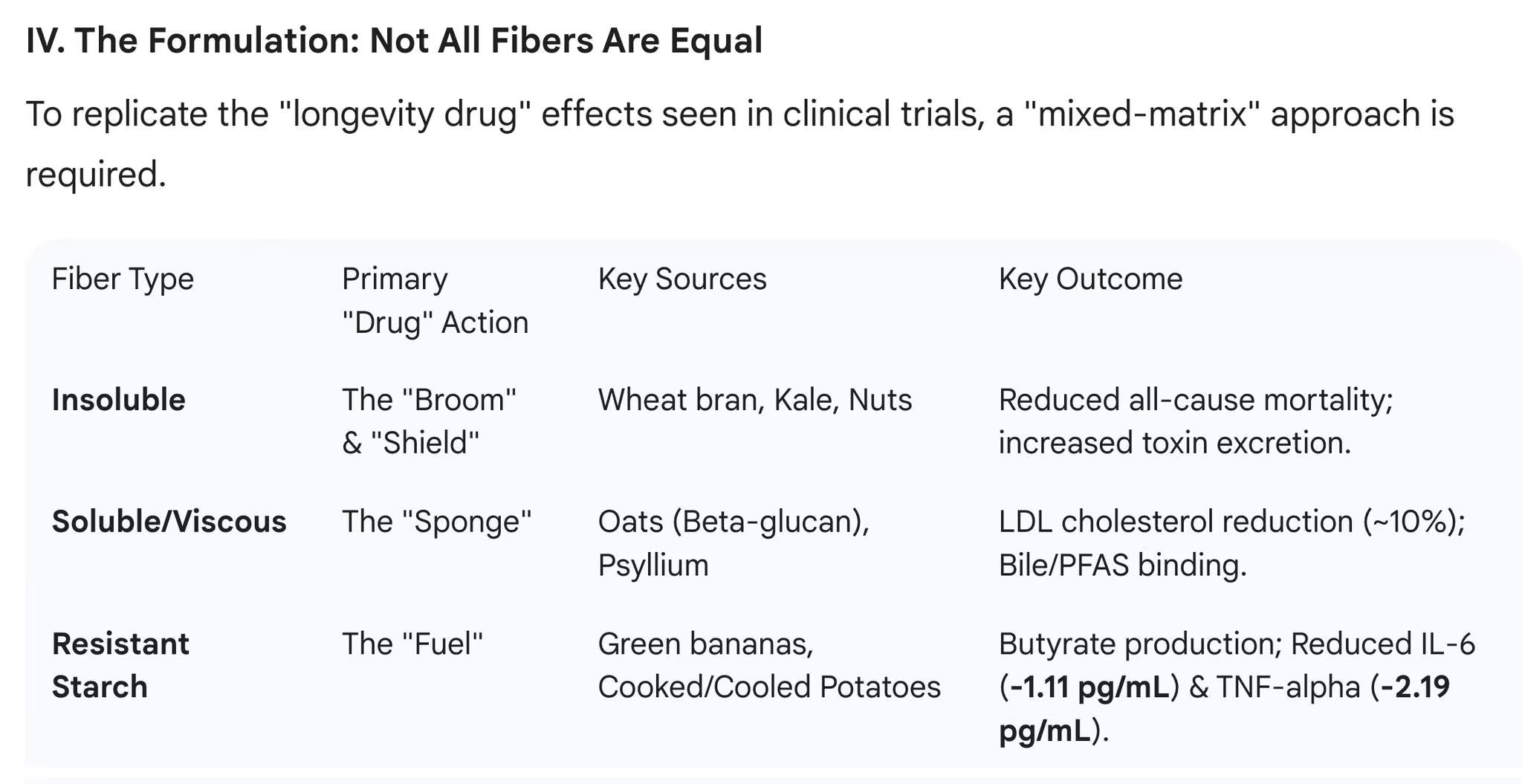
Long summary arguing fiber is a bioactive longevity tool. The WHO-commissioned Reynolds 2019 meta-analysis found 15-30% lower all-cause mortality at 25-29 g/day, with benefits continuing per extra 8 g; newer NHANES data suggest diminishing returns past ~30 g/day. It describes mechanisms including butyrate-driven epigenetic effects and gut barrier reinforcement against toxins such as microplastics.
A news item on a study linking dietary microplastics to early liver damage, gut disruption and glucose problems in mice. Gokhan's own view that microplastics are the new smoking is opinion; the study itself is animal data.
Practical tips from a Bloomberg article: use less single-use plastic, avoid microwaving in plastic, choose glass or stainless steel, wear natural-fiber clothing, use HEPA filters and remove shoes indoors. Complete avoidance is impossible, and links to heart disease are potential.
Louis shares a FoundMyFitness post suggesting that dietary fiber, both fermentable and non-fermentable, can help block larger microplastics from being absorbed, though nano-sized particles can still cross the gut lining. It lists fiber-rich foods such as legumes, nuts, fruit, vegetables and whole grains. No study is cited in the post.