HD-OPM Archive
Hashtags

#atherosclerosis

66 posts

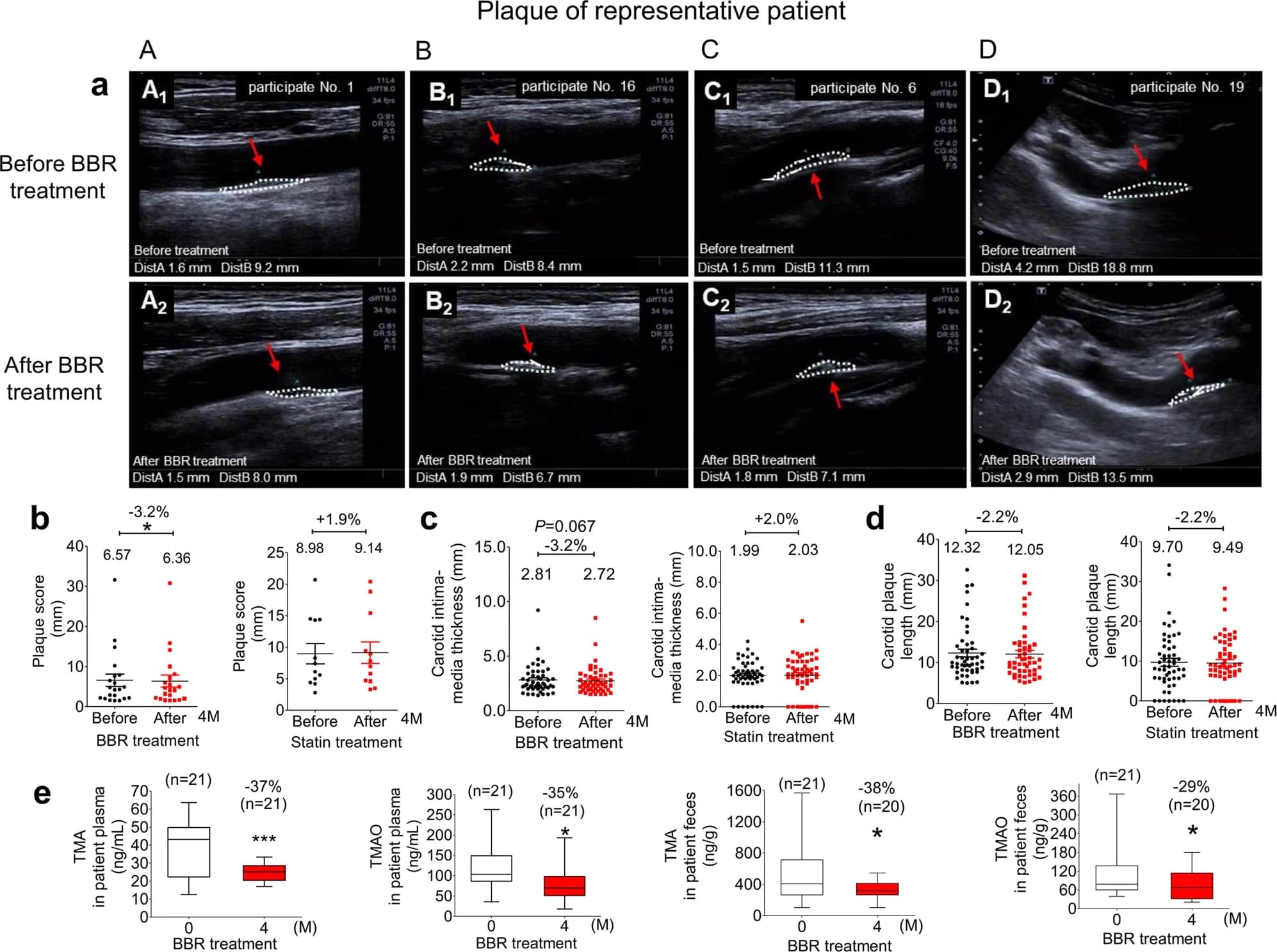
Berberine lowered plaque score 3.2% and TMAO in a small 21-patient trial

Jun 10, 2024 · Louis Nervegna ♥ 18 · 💬 23 Gut microbiome

Louis highlights a small human trial in which berberine reduced atherosclerotic plaque score, with a proposed mechanism of lowering gut-derived TMAO by acting on TMAO-producing gut bacteria. The sample is small and the comparison group was not randomized to the same degree as a large trial, so this is hypothesis-generating.

Tricaprin supplement reversed atherosclerosis in two patients with TGCV

Jan 09, 2025 · Gokhan Can ♥ 18 · 💬 22 Supplements & vitamins

Osaka University research in the European Heart Journal reported that tricaprin, a dietary supplement that promotes lipid breakdown in heart muscle cells, reversed atherosclerotic lesions and relieved chest pain in two diabetic patients with TGCV. This condition involves triglyceride deposits and resists standard treatment. Only two patients were reported.

Pomegranate juice and heart health: CIMT, blood pressure and ACE evidence reviewed

Jan 15, 2025 · Gokhan Can ♥ 15 · 💬 16 Nuts, fish, coffee, tea, cocoa & other foods

A review of pomegranate juice and cardiovascular disease credits its polyphenols (ellagitannins, punicalagins, anthocyanins). It cites a study where juice for up to a year reduced carotid intima-media thickness by up to 35% in carotid stenosis patients while controls rose 10%, and a meta-analysis of 8 RCTs showing lower blood pressure.

Engineered regulatory T cells targeting oxidized LDL cut plaque 70% in mice

Nov 22, 2025 · Gokhan Can ♥ 35 · 💬 7 Inflammation & CRP

Summarises a University of Pennsylvania preclinical study adapting CAR T therapy: Tregs engineered to recognise oxidized LDL dampened arterial inflammation and reduced plaque 70% in cholesterol-prone mice. Unlike cancer CAR-T, the cells suppress rather than destroy; it is a possible add-on for patients at risk despite cholesterol drugs.

JACC review: rapid plaque progression precedes rupture and LDL below 70 mg/dL halts it

Jan 02, 2026 · Gokhan Can ♥ 19 · 💬 5 Plaque, CAC & CT angiography

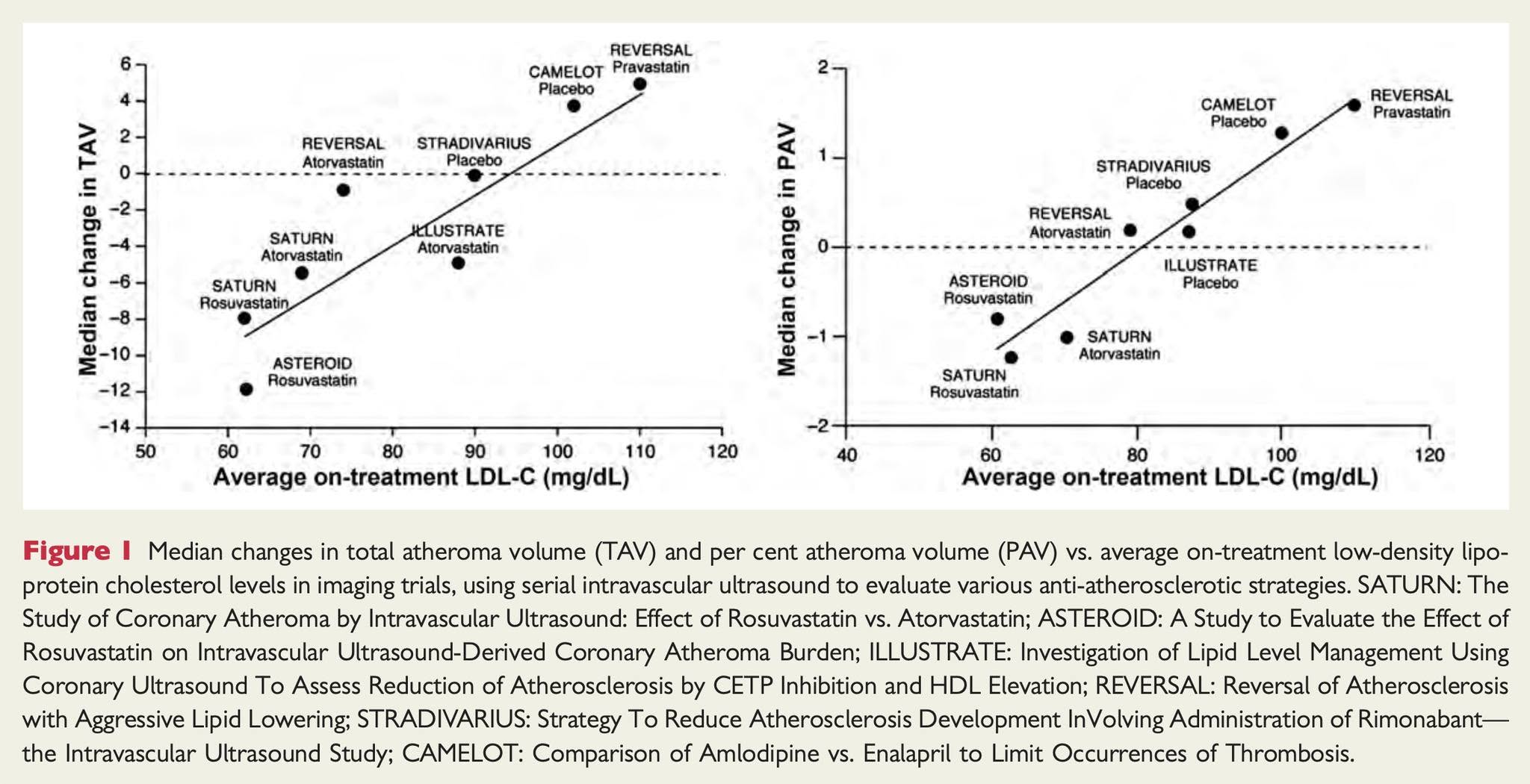
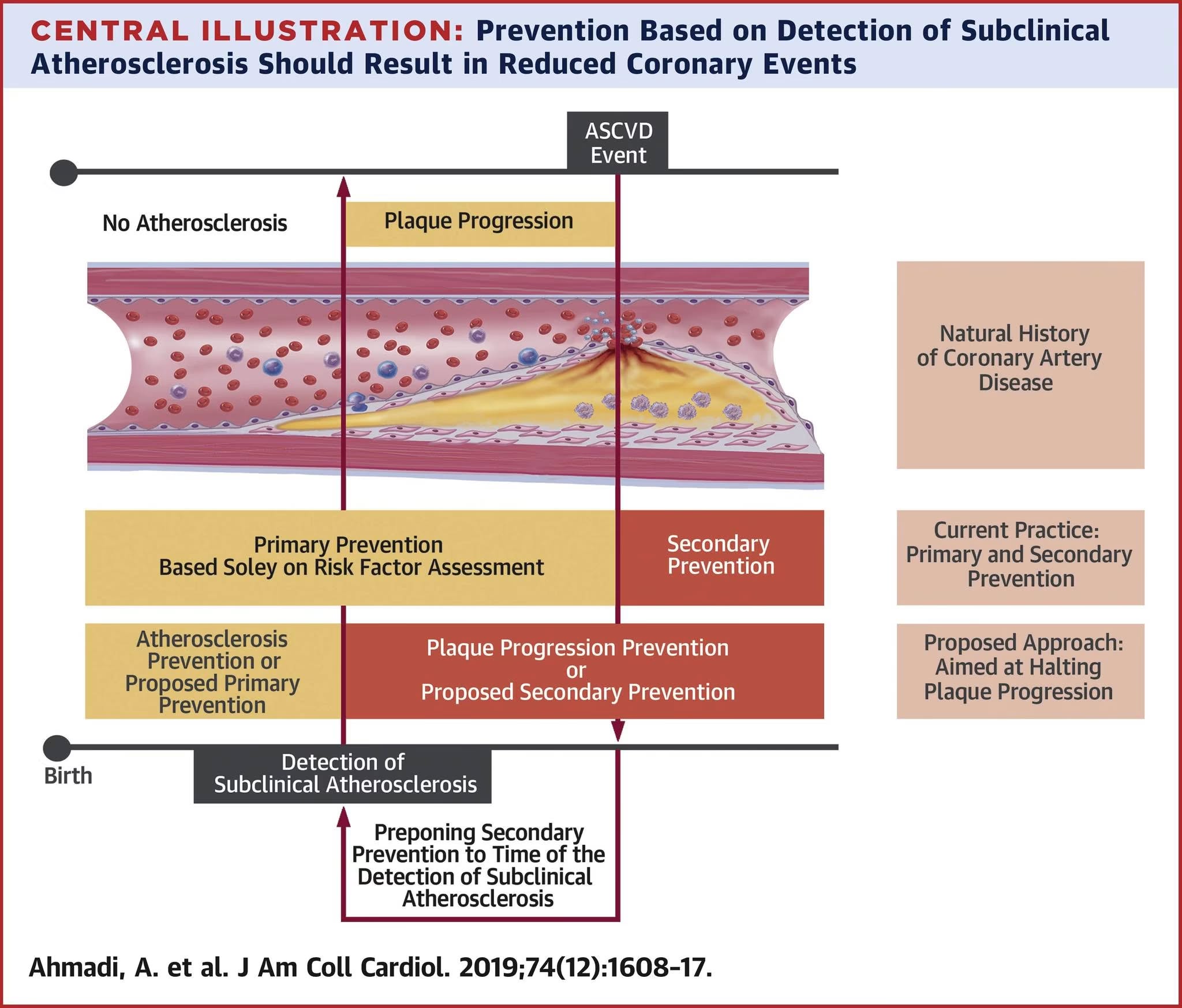
Summarises a 2019 JACC review arguing plaque progression is a necessary, modifiable step between subclinical atherosclerosis and MI, and that preventive strategy should shift toward imaging and aggressively treating subclinical disease. It reports data from PROSPECT, PARADIGM, GLAGOV and PESA showing progression stops at LDL <70 mg/dL and regression needs lower.

Platelet reactivity score (PRESS) predicts cardiovascular events in PAD patients

Aug 20, 2024 · Gokhan Can ♥ 6 · 💬 19 Aspirin, antiplatelets & blood thinners

NYU researchers developed PRESS, combining platelet aggregation responses and RNA sequencing, to detect platelet hyperreactivity. In PAD patients, hyperreactive platelets predicted more major adverse cardiac or limb events within 30 days of revascularization, and PRESS above the median carried a 90% higher risk of major events over 18 months. It might help target aspirin.

Microplastics raised plaque 63% in male mice, with no change in cholesterol or weight

Dec 28, 2025 · Gokhan Can ♥ 13 · 💬 12 Environment (microplastics, pollution, heat)

Summarises a UC Riverside mouse study: atherosclerosis-prone mice given 10 mg/kg/day microplastics for nine weeks. Males had 63% more plaque in the aortic root and 624% more in the brachiocephalic artery; females had no significant increase. Weight and cholesterol were unchanged, suggesting direct endothelial damage and inflammation. Admin suggests high fiber and Finnish sauna as defenses (not from the study).

How LDL causes atherosclerosis: oxidation, inflammation, foam cells and genetics

May 19, 2024 · Gokhan Can ♥ 12 · 💬 9 LDL, ApoB & lipid panel

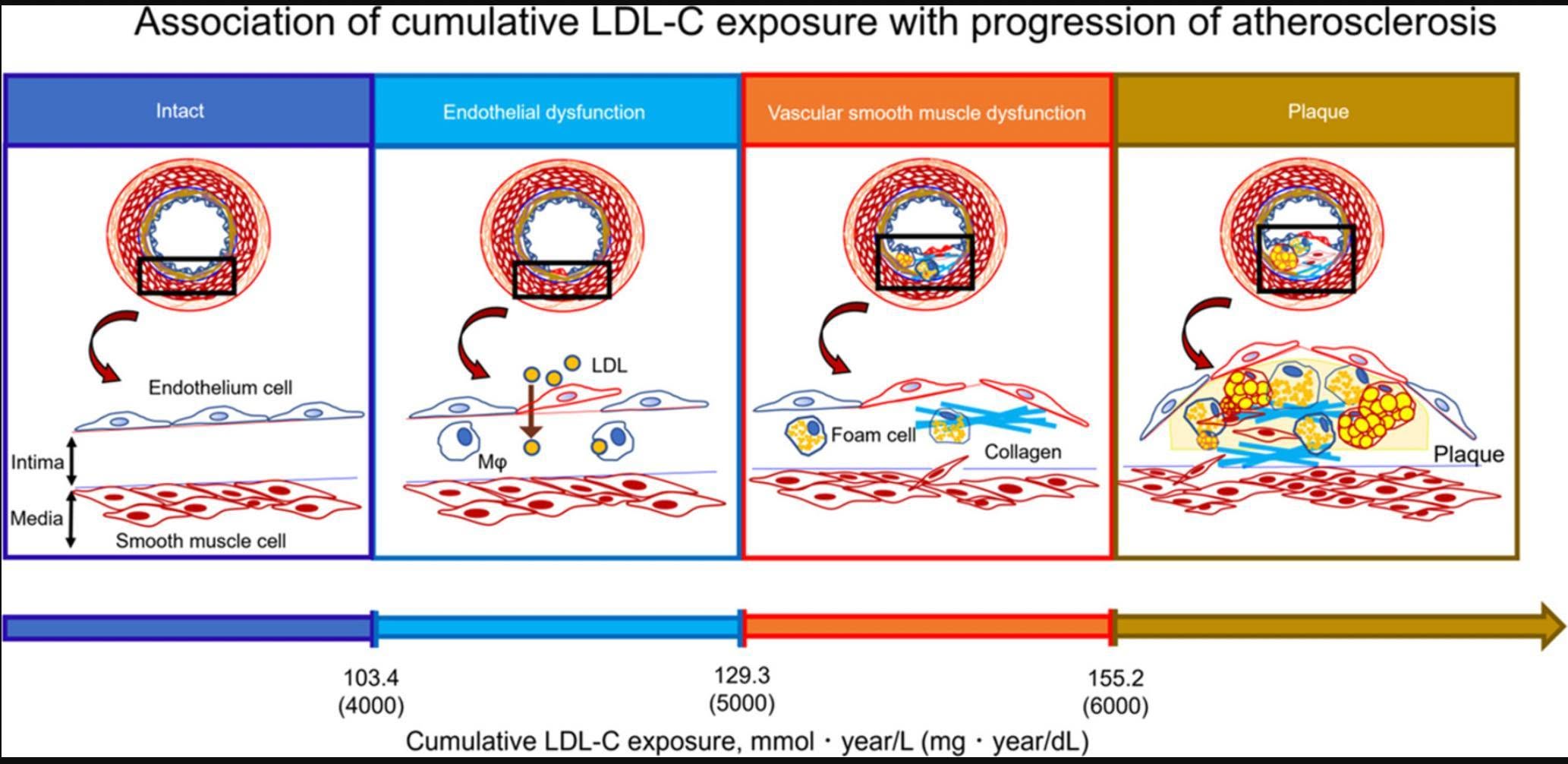
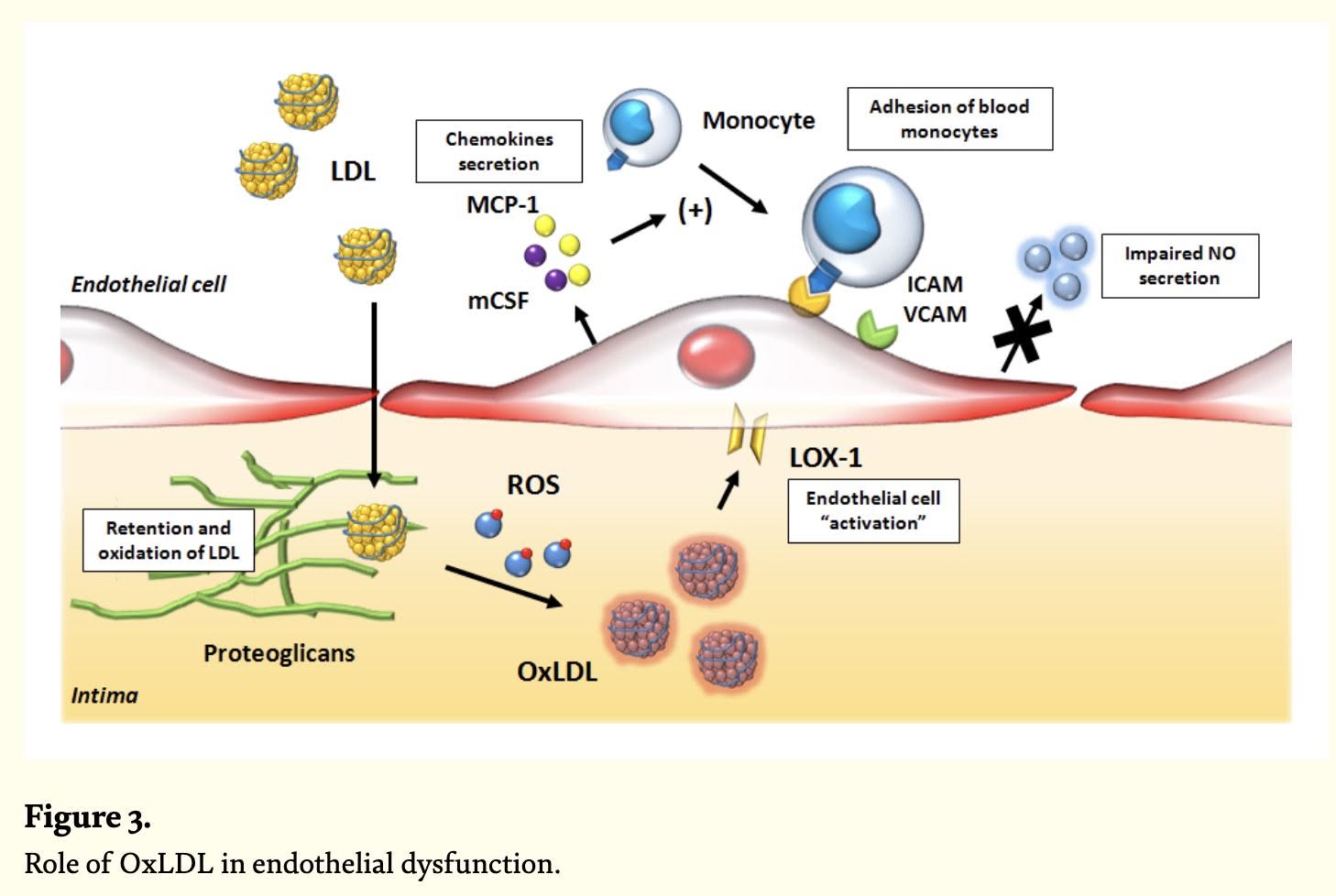
Explains five lines of evidence for a causal role of LDL in atherosclerosis: oxidized LDL in the artery wall, endothelial dysfunction and inflammation, macrophage foam-cell formation, Mendelian randomization and familial hypercholesterolemia, and the benefit of LDL-lowering therapies. Useful as a mechanism overview for readers who doubt that LDL is a cause rather than a bystander.

Mouse and human data suggest atherosclerosis meets criteria for an autoimmune disease

Oct 03, 2026 · Gokhan Can ♥ 13 · 💬 8 Inflammation & CRP

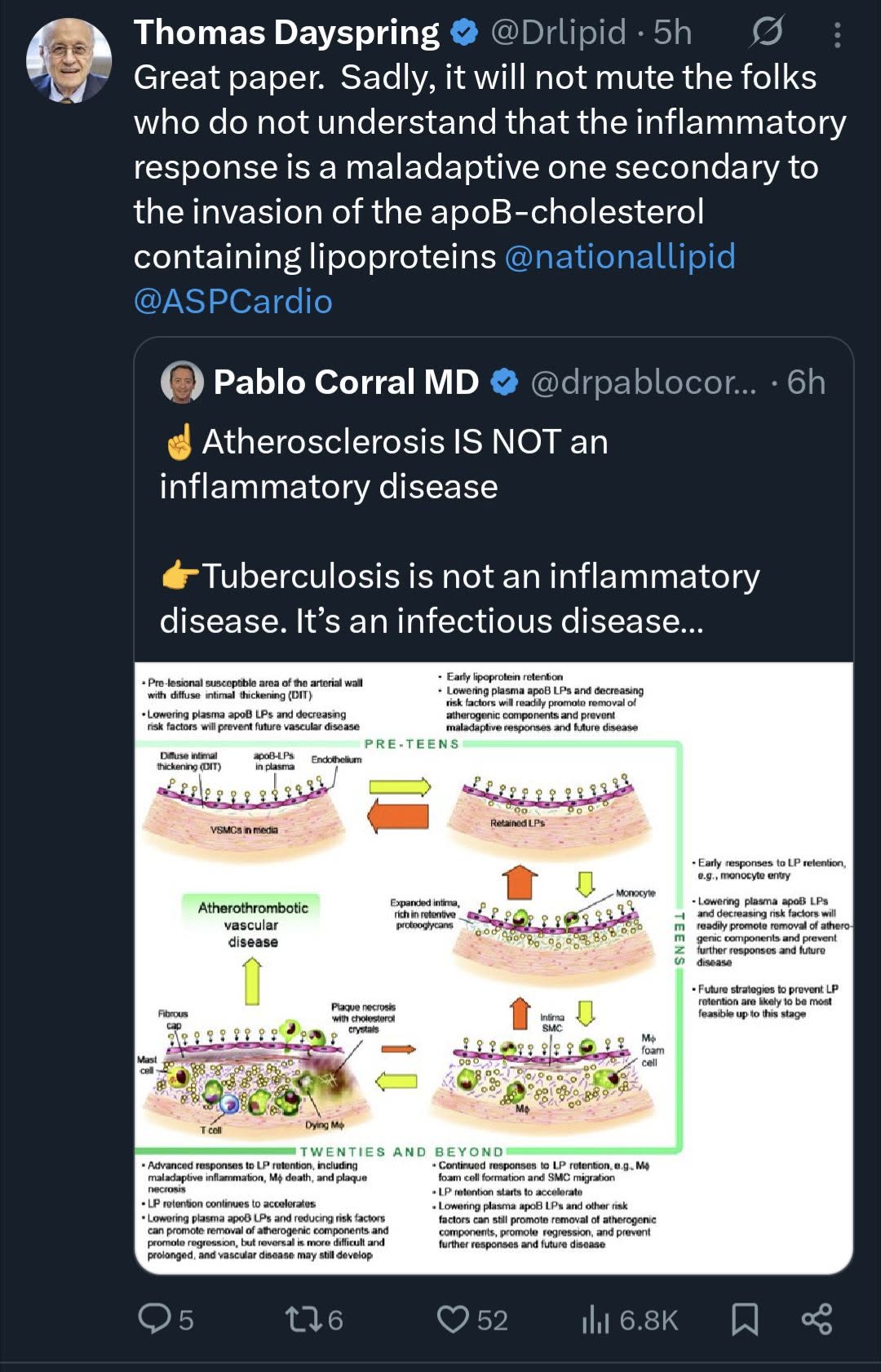
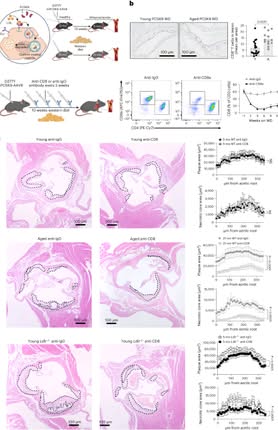
The post highlights a news report of a new study in mice and patients proposing that atherosclerosis meets the criteria for an autoimmune disease. Evidence is mostly from mouse models with supporting human correlational data, so it is early; more work is needed to learn how much of the disease this process drives and whether interrupting it could slow progression.

Imidazole propionate: how gut bacteria make it from histidine and how to lower it

Jul 18, 2025 · Gokhan Can ♥ 9 · 💬 5 ↩ 1 Gut microbiome

A detailed explainer on ImP, a gut-microbial metabolite elevated in type 2 diabetes, atherosclerosis, heart failure, kidney disease and fatty liver. It is made from dietary histidine by specific bacteria in dysbiotic guts and is more tied to microbiome composition than to histidine intake, so a diverse, high-fiber microbiome is protective.

Small dense HDL tied to coronary calcium in insulin resistance; drugs may offset 40%

Nov 26, 2024 · Louis Nervegna ♥ 7 · 💬 4 Insulin resistance & diabetes

Louis highlights a paper in the International Journal of Cardiology reporting that small HDL particles are associated with prediabetes, diabetes and subclinical coronary atherosclerosis. The authors suggest lipid-lowering drugs may reduce up to 40% of the coronary calcification linked to high small HDL. Louis concludes that high HDL is not always good and that people with insulin resistance considering a statin should read the paper.

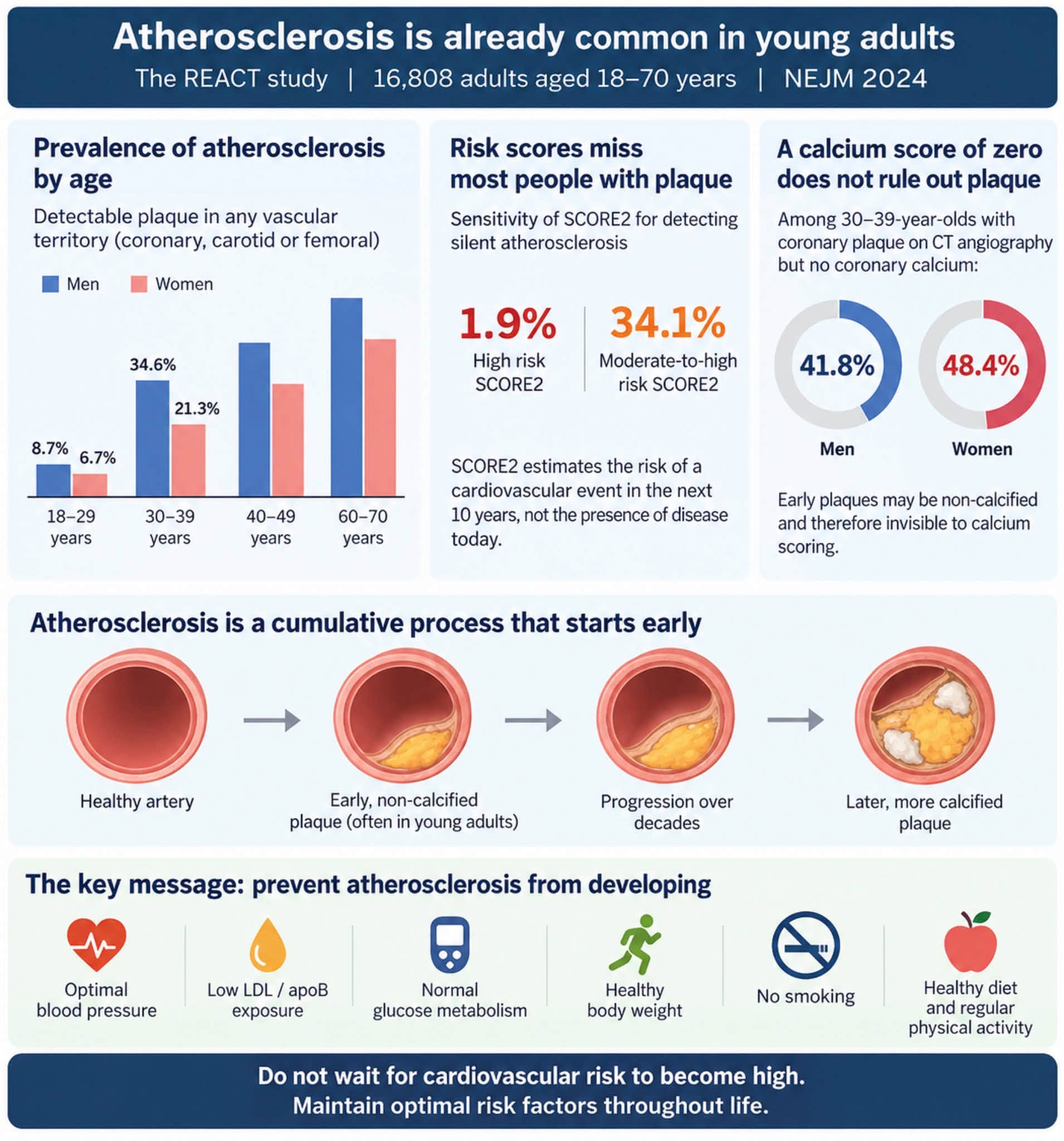
REACT: silent atherosclerosis found in 57% of 16,808 adults, 7-9% of 18-29-year-olds

Sep 26, 2026 · Louis Nervegna ♥ 11 · 💬 2 Plaque, CAC & CT angiography

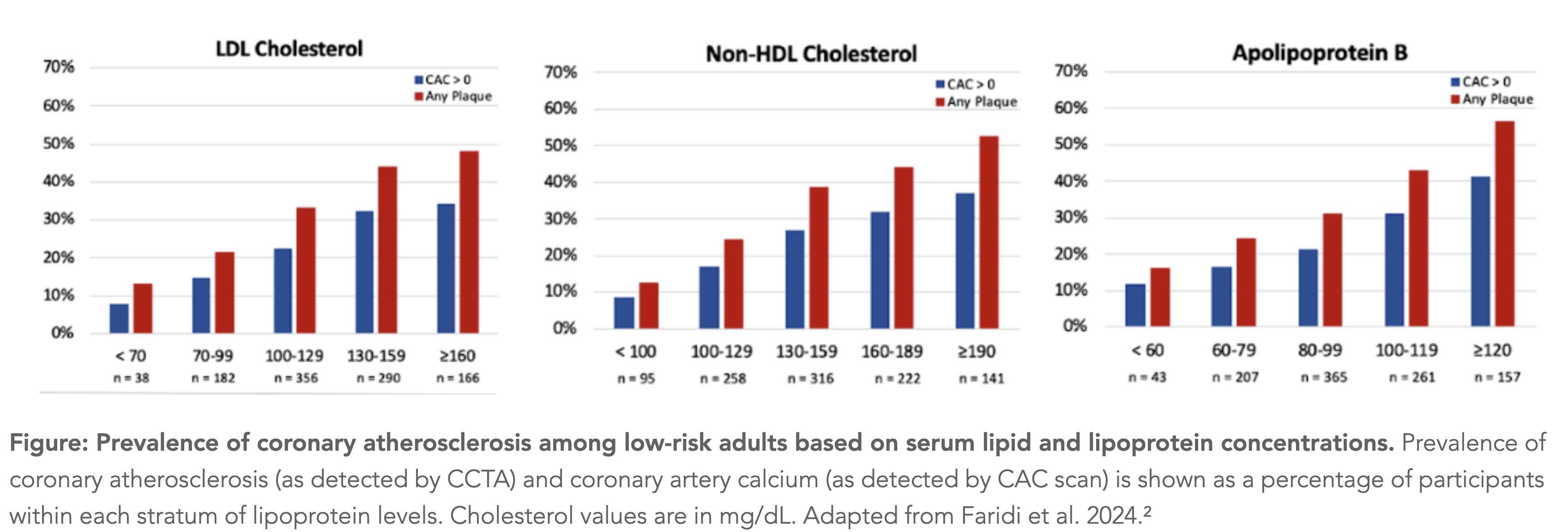
The NEJM REACT study used carotid and femoral ultrasound plus coronary CT angiography in 16,808 adults aged 18-70 without known disease. Plaque was present in 57% overall, appeared in young adults, and a zero calcium score often missed early non-calcified plaque. Ten-year risk scores detected very little silent disease, so keeping risk factors favorable throughout life is the priority.

LDL is necessary but not always sufficient for atherosclerosis, among 25+ risk factors

Mar 25, 2024 · Louis Nervegna ♥ 14 · 💬 2 LDL, ApoB & lipid panel

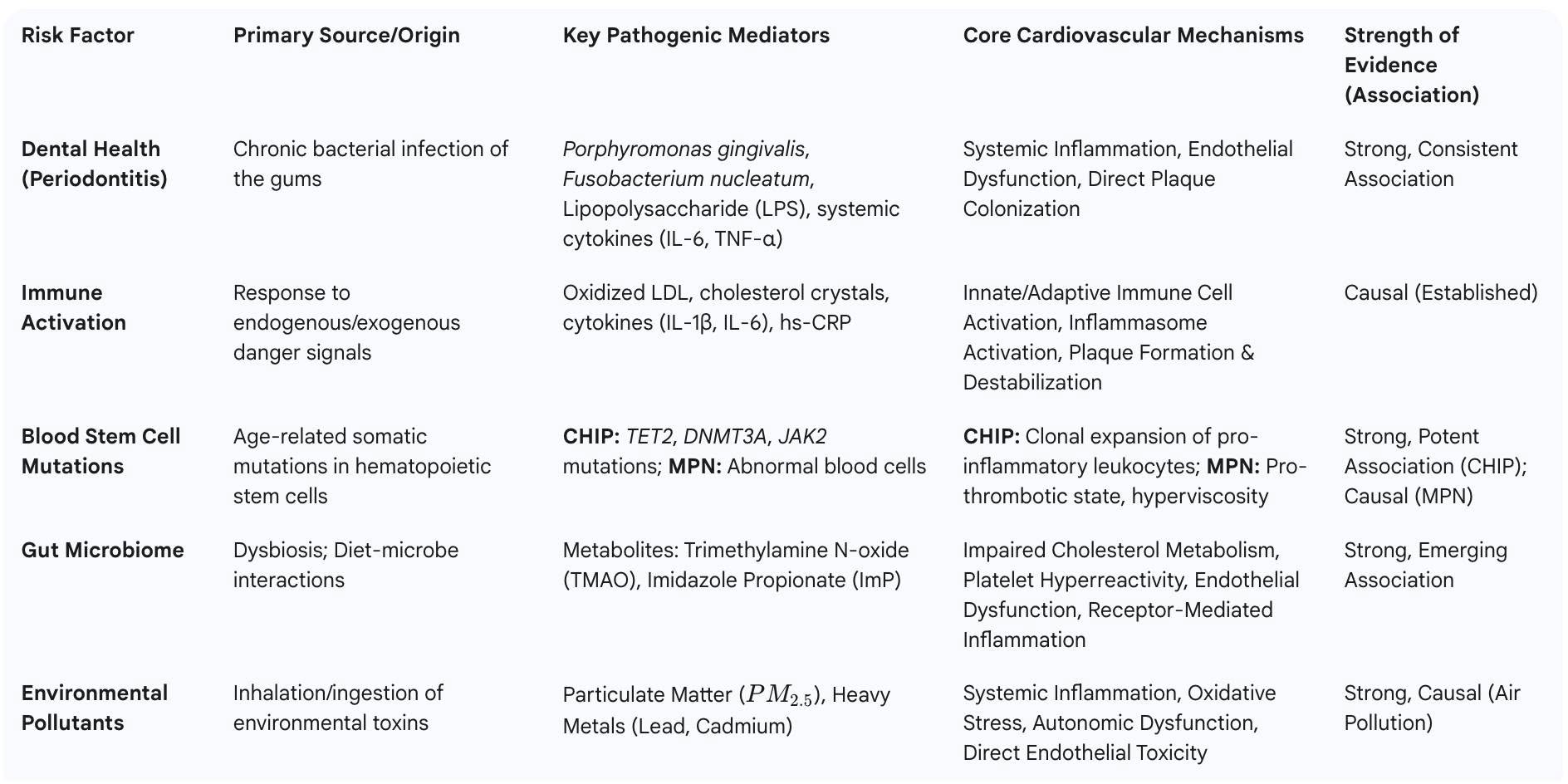
Louis summarizes a Joel Kahn video: there are at least 25 major heart disease risk factors, all of which should be addressed, but LDL is special because it appears necessary for plaque to form. It is not always sufficient, since some people with very high LDL never develop plaque. No other risk factor has been shown to be necessary, which is why cardiologists focus on LDL.

Swapping refined carbs for unsaturated fat lowers LDL: meta-analysis of 60 feeding trials

Oct 08, 2025 · Louis Nervegna ♥ 5 · 💬 2 Fats & oils (saturated fat, seed oils, omega-6, olive oil)

A meta-analysis of 60 controlled human feeding trials found that replacing carbohydrate calories with monounsaturated or polyunsaturated fat lowers LDL cholesterol, while saturated fat raises it. The effect looked largest for polyunsaturated fat, which is why choosing oils and nuts over refined starch and sugar helps the lipid profile.