HD-OPM Archive
Topics › Supplements & vitamins

Omega-3 at 1-2 g/day reduced PMS severity in a 2022 meta-analysis of 8 RCTs

Louis Nervegna · Jun 27, 2026 · ♥ 5 reactions · 1 comments · original Facebook post
Supplements & vitaminsHormones, women's & men's health
AI summary & key facts

Louis shares a 2022 systematic review and meta-analysis of randomized trials in which 1,000-2,000 mg/day of omega-3 (EPA plus DHA) reduced premenstrual syndrome severity more than placebo. Benefits covered mood and physical symptoms and grew with longer use, though the authors caution about heterogeneity.

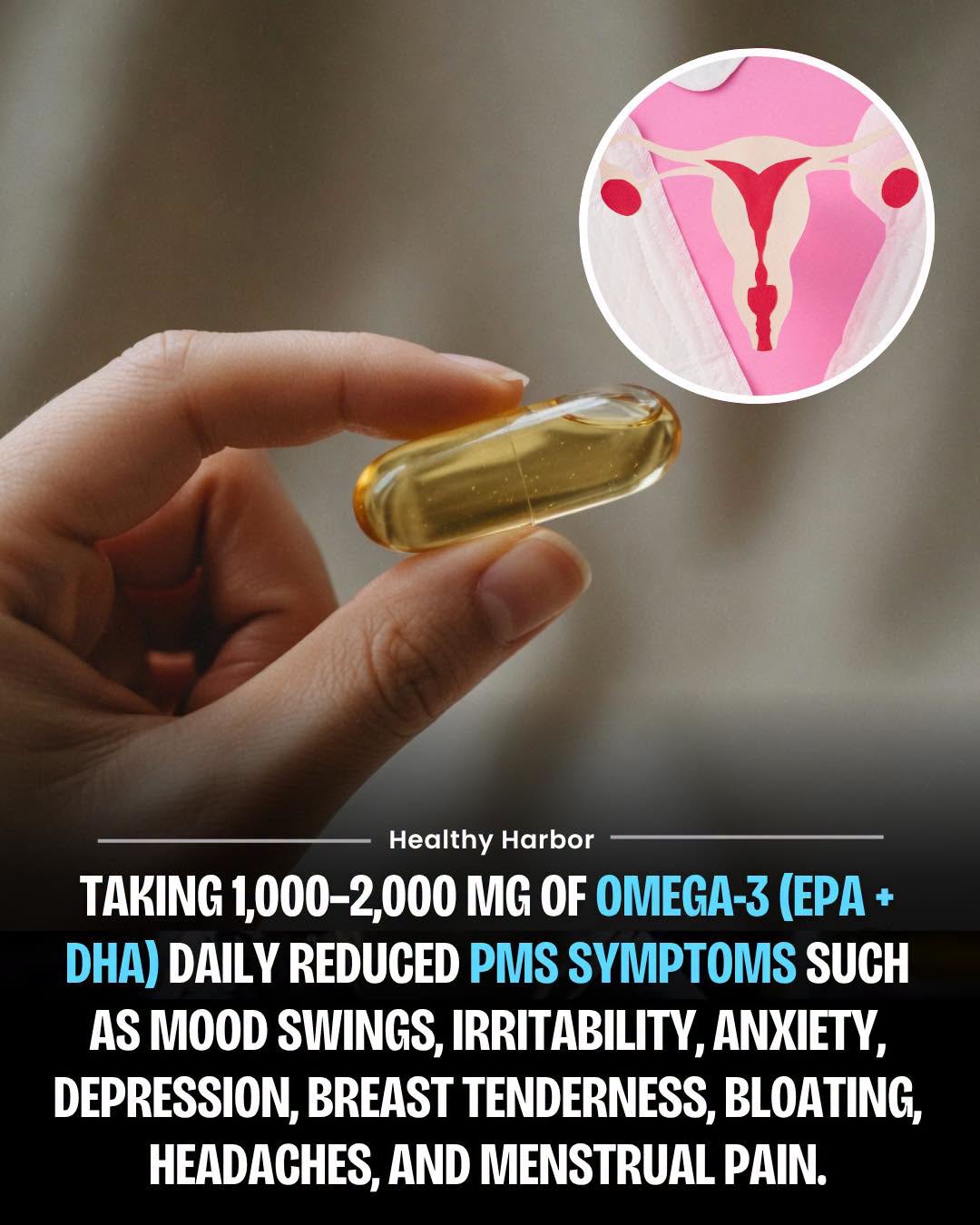
In a meta-analysis of randomized trials published in 2022, a dose of 1-2g of omega 3 supplements reduced PMS severity and improved symptoms.

Link to full study:

Paper · J Obstet Gynaecol Res · 2022Effect of omega-3 fatty acids on premenstrual syndrome: A systematic review and meta-analysis.Conclusion: Omega-3 fatty acids could reduce the severity of PMS. However, we should caution in the conclusion in affirming the beneficial effects of n-3 PUFAs on PMS, since the heterogeneity is evident in the analysis. The efficacy of the treatment was enhanced by increase of the treatment duration.pubmed.ncbi.nlm.nih.gov

#omega3HD #fishoilHD #pmsHD #menstruationHD

Research cited

A systematic review and meta-analysis published in the Journal of Obstetrics and Gynaecology Research analyzed eight randomized controlled trials to evaluate whether omega-3 fatty acids improve premenstrual syndrome (PMS) symptoms. Women who took 1,000–2,000 mg of omega-3 fatty acids (EPA + DHA) daily had a greater reduction in overall PMS severity than those taking a placebo. The benefits included improvements in emotional symptoms such as mood swings, irritability, anxiety, depressed mood, and difficulty concentrating, as well as physical symptoms including menstrual cramps, breast tenderness, bloating, headaches, and fatigue.

The analysis also found that the duration of supplementation influenced the results. Most studies provided omega-3 supplements for two to three consecutive menstrual cycles, and symptom improvement became more pronounced with continued use. Women receiving omega-3 experienced reductions in both psychological and physical symptoms, with longer treatment producing greater benefits.

PMID: 35266254

No photo description available.
← newer: Heart attacks peak in the early morning; bedtime dosing of Bolder: High-dose DHA did not slow cognitive decline in 2-year APOE4 →