Glutathione Supplements
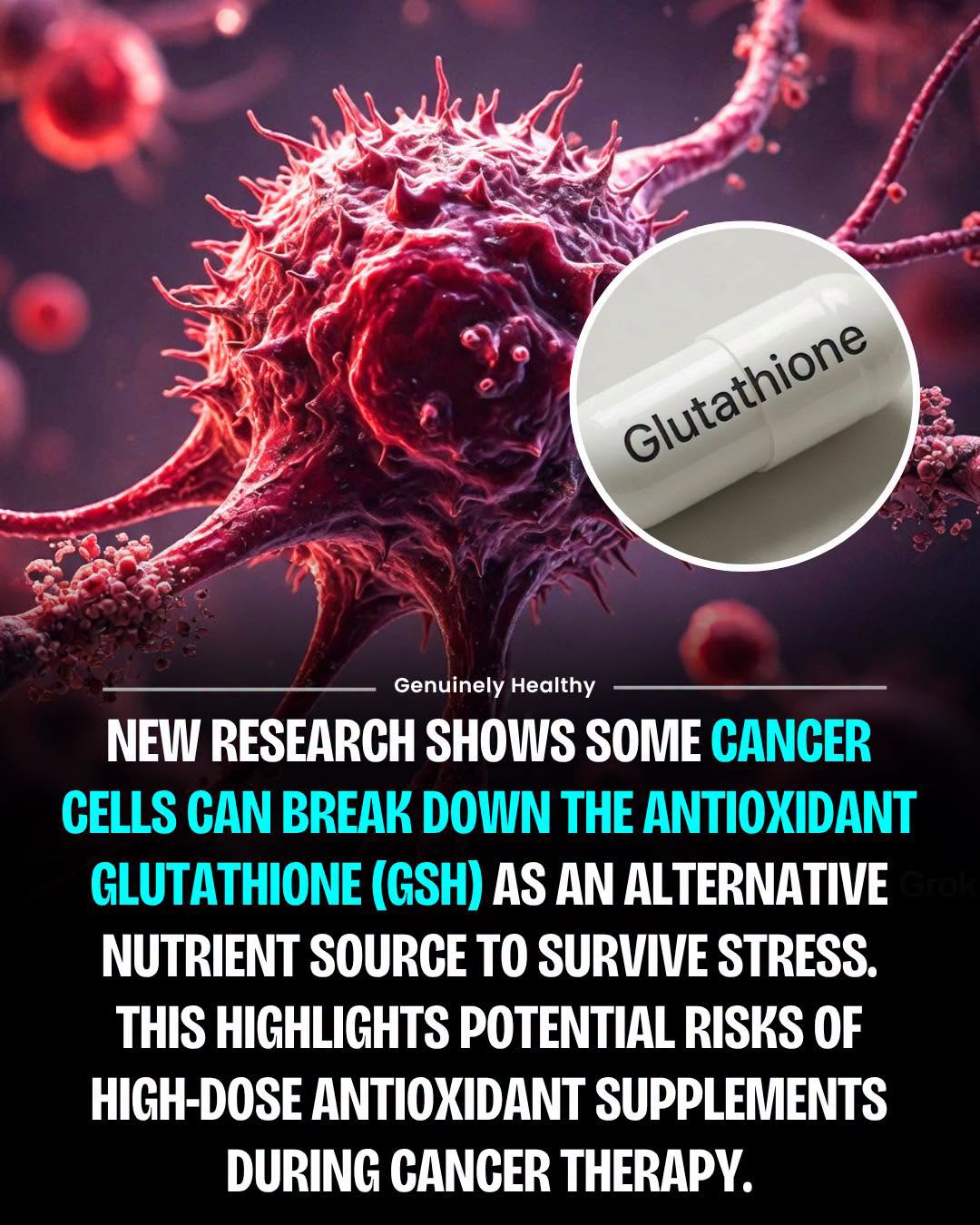
Taking glutathione as a supplement is probably a BAD idea in the long term.
Glutathione produces its health benefits by operating INSIDE the cell.
When you take glutathione exogenously as a supplement, it mostly gets broken down. But it can also end up raising levels OUTSIDE the cell to unnaturally high concentrations. The problem is that glutathione is too large a molecule to actually get inside the vast majority of cells. That’s why your body makes it inside the cells where it is actually used.
When glutathione exists outside the cell in too large a concentration— as can happen from taking glutathione supplements— it interferes with natural signaling processes involving oxidation/reduction that occur outside the cell. This signaling regulates everything from immune cell activation to stem cell differentiation. Interfering with this signaling is the opposite of “natural”. You may end up causing yourself harm in the long term as a result of doing this.
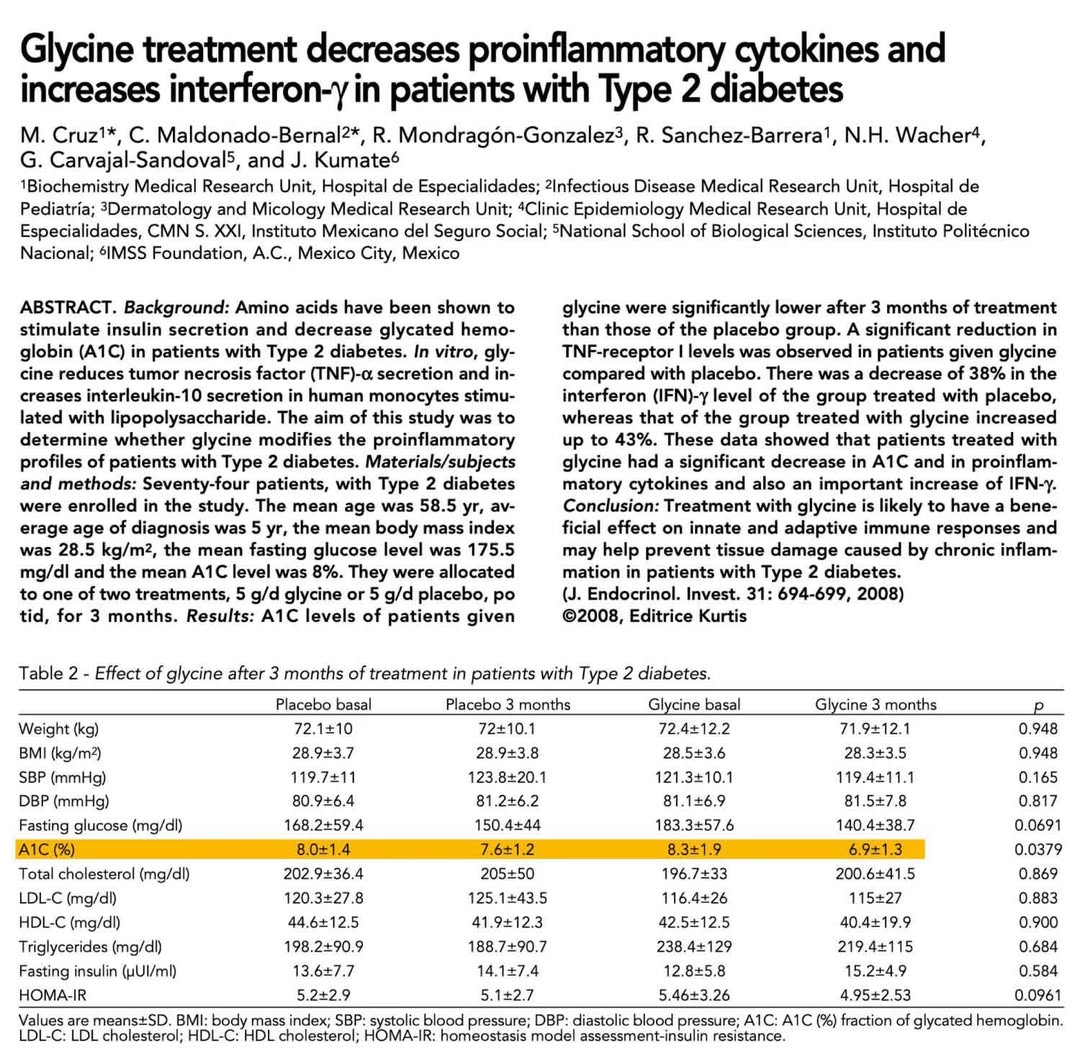
The best strategy is to do things that naturally increase your own endogenous production of glutathione inside cells. You can do this by eating foods/spices that activate Nrf2, which naturally increases glutathione production in cells. For example, eating broccoli sprouts or turmeric will do this. And you can also do it by making sure that you get enough cysteine and glycine in your diet. These two amino acids are the rate limiting factors in glutathione production inside cells.
As proof of the potential dangers of exogenous glutathione, you can look up the many anecdotes of people online who actually whitened their skin by taking exogenous glutathione, either accidently or on purpose. This is not a good thing. It proves that taking exogenous glutathione causes serious side effects that natural production of glutathione inside cells does not cause.
Exogenous glutathione lightens skin primarily because high circulating levels inhibit tyrosinase—the enzyme responsible for melanin production. Because this happens systemically and can lead to toxicities in the kidneys, liver, and nervous system at high doses, regulatory bodies like the FDA have repeatedly warned against high-dose exogenous glutathione for cosmetic use.
This skin lightening effect is a systemic side effect of an unnatural extracellular overload, not a sign of “healthy cellular rejuvenation” as some prominent influencers have claimed. It is particularly a problem with intravenous use. But even oral supplements can be strong enough to whiten skin (as many anecdotes online attest to), especially when taken liposomally or in reduced form.
Even if you try to force the glutathione into your cells by taking it liposomally, a large percentage will still end up outside the cells where it may cause harm. This does not happen when you increase glutathione inside cells naturally by activating Nrf2 or by increasing dietary intake of cysteine and glycine. There is zero evidence that these natural strategies, even in very high doses, cause skin whitening or systemic harm to kidneys, liver, and nervous system. Endogenous upregulation of glutathione via Nrf2 and raw amino acid building blocks respects natural cellular homeostatic limits, avoiding the risks and skin-bleaching side effects seen with taking glutathione exogenously in supplement or IV form.