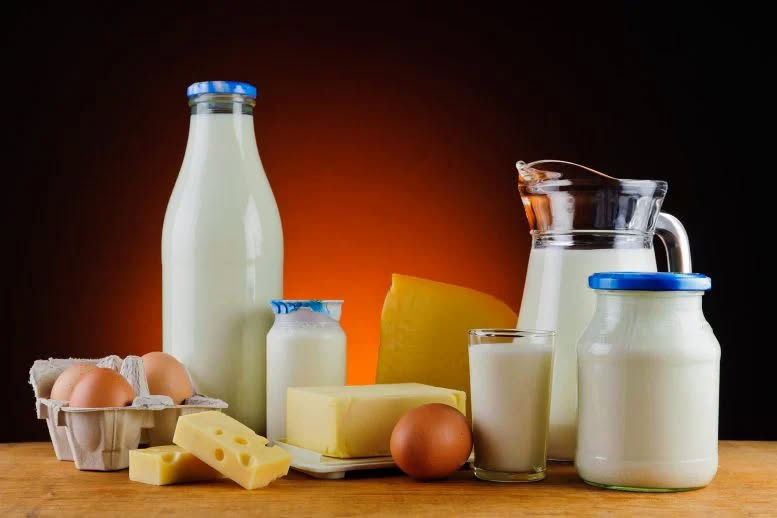
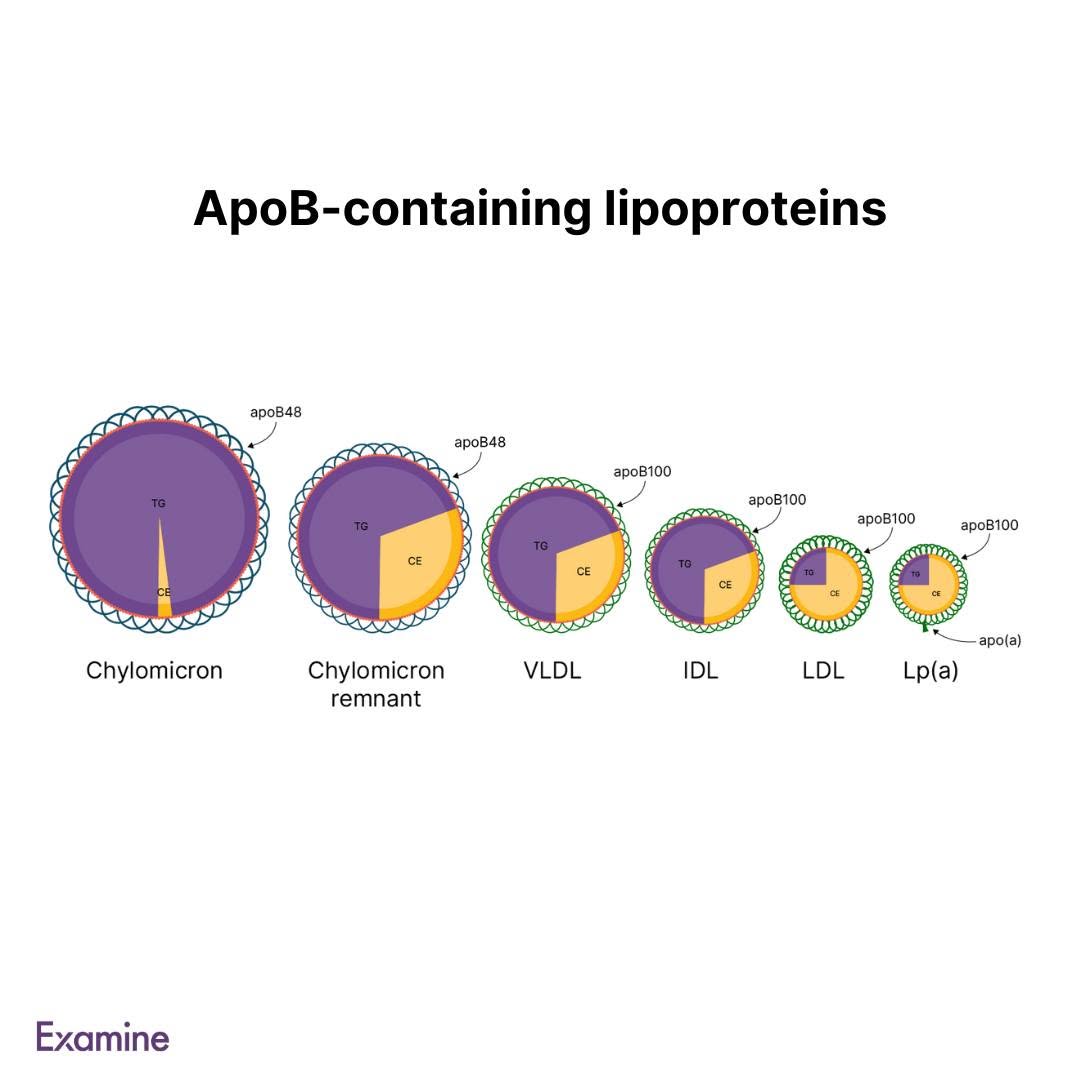
Amazingly, butter and cheese have very different effects on LDL— even if they have the same amount of saturated dairy fat.
This is because the “food matrix” is very different.
Quoted:
Butter and cheese are both high in saturated fat. So why does one raise LDL cholesterol more than the other?
The food matrix, or the structure of a food, can change how nutrients are digested, absorbed and used by the body.
Even though butter and cheese contain similar fats, those fats are wrapped up very differently. Creating butter strips away the natural “wrapper” around milk fat, leaving behind pure fat that your body absorbs quickly. In cheese, those fat droplets stay locked inside a solid mesh of protein and protective membranes.
This structure can change the way it’s digested which may benefit health. Plus, the calcium in cheese may also modify how the fat is absorbed.
Fermentation may also play a part because cheese and yogurt are fermented dairy foods, and fermentation changes the structure and composition of the food in ways that can affect how our bodies respond to it.
Does this mean unlimited cheese is a free pass? No, it’s still high in calories and salt, and melting it heavily can break down that protective structure.
But it’s a great reminder that looking at a single number on a nutrition label never tells the whole story.
#saturedfatHD #dairyHD #foodmatrixHD #butterHD #cheeseHD #yogurtHD #fermentedfoodHD #calciumHD #milkHD #mfgmHD