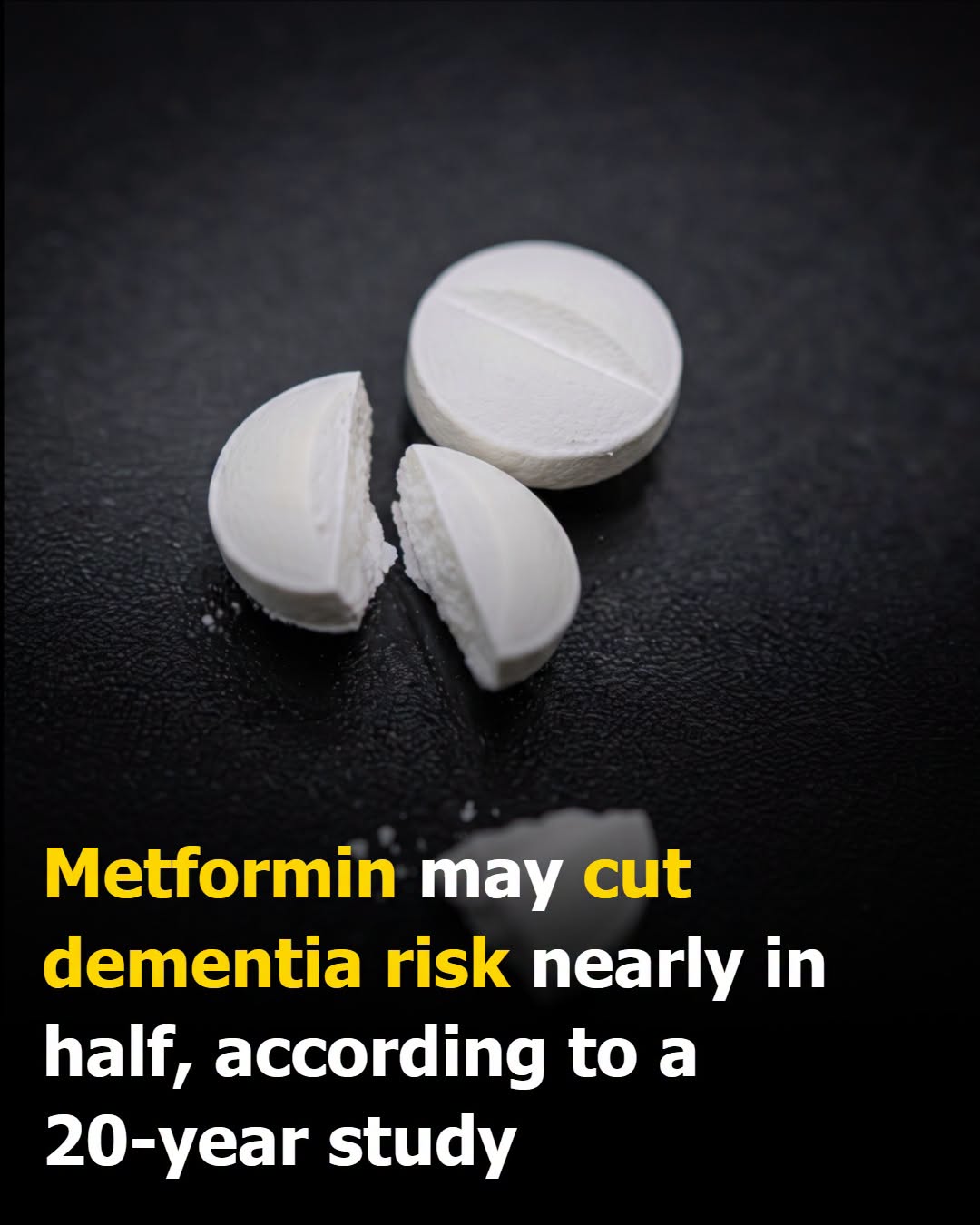
A drug that has been around for decades is now raising a very different question: could metformin also help protect the brain?
Researchers followed 1,483 people from the Diabetes Prevention Program for more than 20 years. The participants had originally been randomized to metformin, an intensive lifestyle intervention, or placebo.
The numbers caught my attention. Dementia was eventually diagnosed in 1.9% of people assigned to metformin. That compared with 4.2% in the intensive lifestyle group and 3.5% among those who received placebo.
Dr. José Luchsinger of Columbia University says the unusually long follow-up provides the strongest evidence so far that metformin might have a brain-protective effect.
But there is a strange gap in the story. Scientists still do not know exactly why the drug might be doing this. Possible explanations include less vascular inflammation, better glucose metabolism, or changes in immune responses.
That uncertainty matters. These results do not establish metformin as a treatment or cure for dementia.
What makes the finding especially interesting is the drug itself. Metformin is inexpensive, widely available, and already commonly prescribed for type 2 diabetes. Researchers are now studying whether an existing medication could be repurposed against Alzheimer’s disease and other forms of cognitive decline.
Ongoing clinical trials are expected to provide a much clearer answer about whether metformin can actually slow or prevent these diseases.