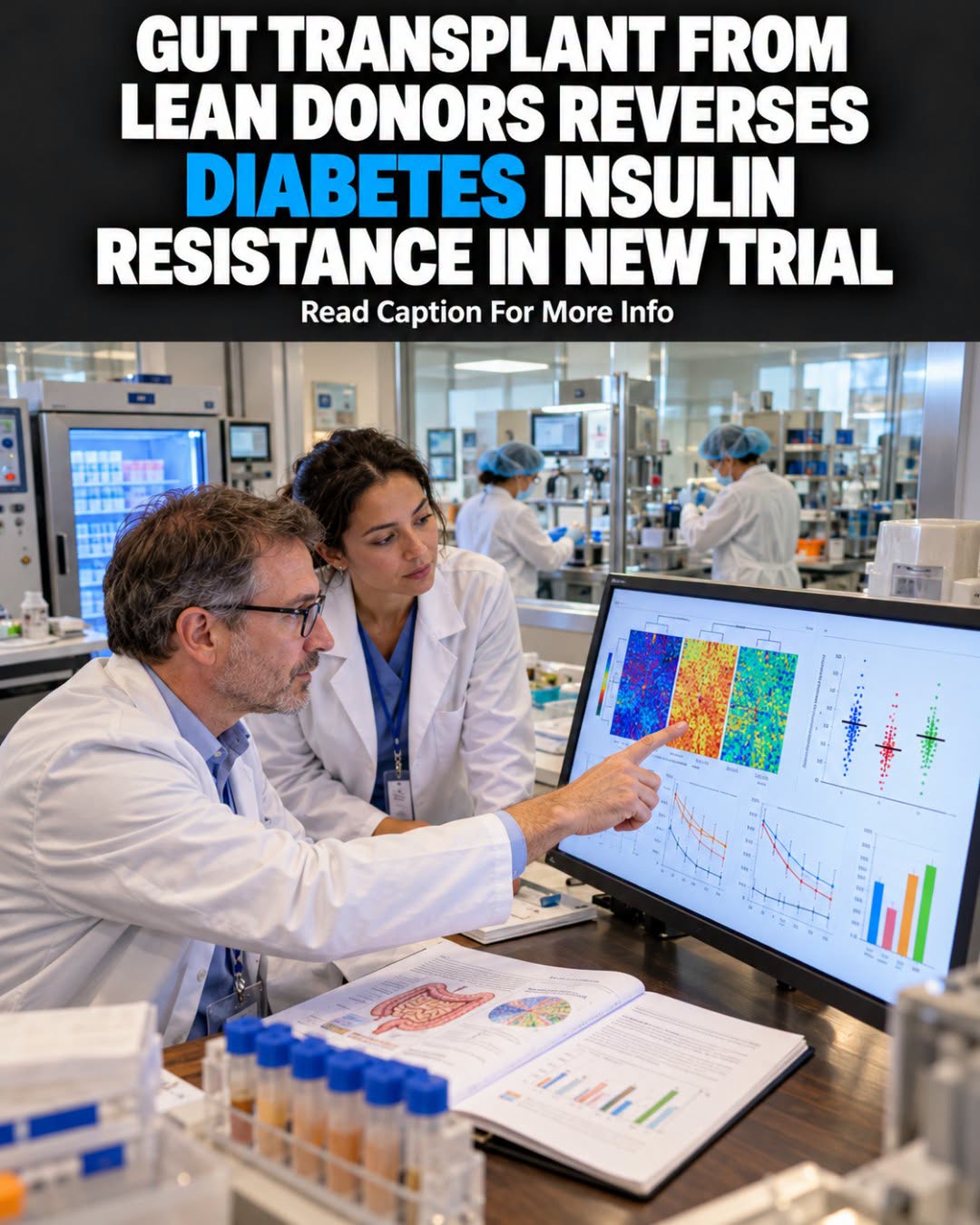
Proof that the microbiome plays a role in the development of diabetes, at least in some people.
#microbiomeHD #fecaltransplantHD #diabetesHD #insulinresistanceHD
The shared description of the DIABMET-FMT randomized trial says repeated fecal microbiota transplant capsules from lean, metabolically healthy donors improved insulin sensitivity, microbiome diversity and short-chain fatty acid production in adults with type 2 diabetes, without diet, drug or exercise changes. The poster sees it as evidence that the microbiome contributes to diabetes in some people. The details come from the post only and could not be verified here.
Proof that the microbiome plays a role in the development of diabetes, at least in some people.
#microbiomeHD #fecaltransplantHD #diabetesHD #insulinresistanceHD
The DIABMET-FMT trial - a double-blind randomized controlled trial of fecal microbiota transplantation from metabolically healthy lean donors to adults with established Type 2 diabetes and confirmed gut dysbiosis - has published its 12-week primary endpoint data in Cell Host and Microbe in 2025, confirming that repeated FMT from carefully phenotyped lean metabolically healthy donors produces significant improvements in insulin sensitivity, gut microbiome diversity, and short-chain fatty acid production in Type 2 diabetic recipients without changes in diet, medication, or physical activity.
The DIABMET-FMT trial enrolled 124 adults with Type 2 diabetes (HbA1c 7.0 to 10.0 percent, BMI 27 to 40 kg/m2, confirmed low gut microbiome alpha-diversity on baseline sequencing) randomized to receive either FMT capsules from metabolically healthy lean donors (BMI below 23, fasting glucose below 5.0 mmol/L, high gut diversity on sequencing) or autologous FMT capsules as placebo, administered weekly for 6 weeks and then monthly for 6 weeks.
Donor selection was the most rigorously phenotyped in any FMT metabolic trial to date - donors required to meet criteria on gut microbiome composition (minimum 500 species, high Faecalibacterium prausnitzii and Akkermansia muciniphila abundance, low Proteobacteria relative abundance) in addition to standard metabolic health criteria.
At the 12-week primary endpoint: active FMT recipients showed HOMA-IR insulin resistance score improvements averaging 23 percent versus 6 percent in the placebo group. Fasting blood glucose fell by an average of 14 mg/dL in the active group versus 3 mg/dL in placebo. Stool sequencing confirmed significant microbiome diversity increases in the active group with specific expansion of donor-derived Faecalibacterium prausnitzii and Akkermansia muciniphila strains confirmed by strain-level sequencing. Stool SCFA measurement confirmed significant butyrate and propionate increases in the active group at 6 and 12 weeks.
The HbA1c change at 12 weeks - a secondary endpoint - showed a trend toward improvement (0.3 percent reduction in active versus 0.1 percent in placebo) that did not reach statistical significance, consistent with the 3-month HbA1c lag from biological changes occurring at weeks 6 to 12. A 6-month extension is currently following participants.
Always consult your doctor before making changes to your diet or treatment plan.
Comment YES if you found this helpful.
📌 RESOURCES
Cell Host and Microbe 2025 - DIABMET-FMT Fecal Microbiota Transplantation Type 2 Diabetes Trial
American Diabetes Association - Gut Microbiome Research - Diabetes journal microbiome section
FMT Donor Selection Metabolic Outcomes - PubMed search: “FMT fecal microbiota transplantation lean donor insulin resistance Type 2 diabetes SCFA”#Diabetes #Type2Diabetes #DiabetesResearch #BloodSugar #DiabetesManagement
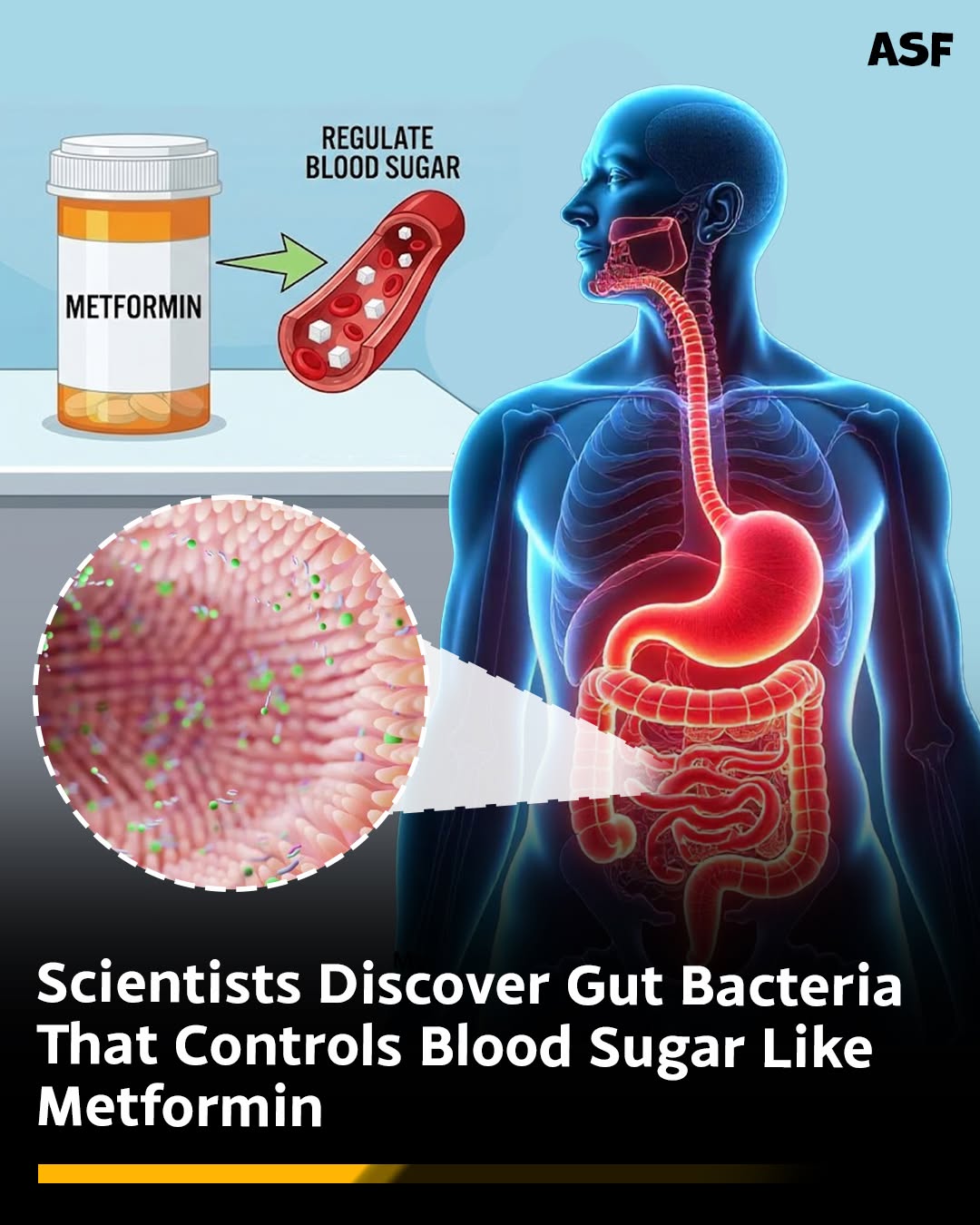
A shared post says studies show metformin increases helpful gut species such as Akkermansia and Bacteroides that improve glucose control. Findings are mostly in animals and organoids; no bacteria have replaced metformin in large human trials.
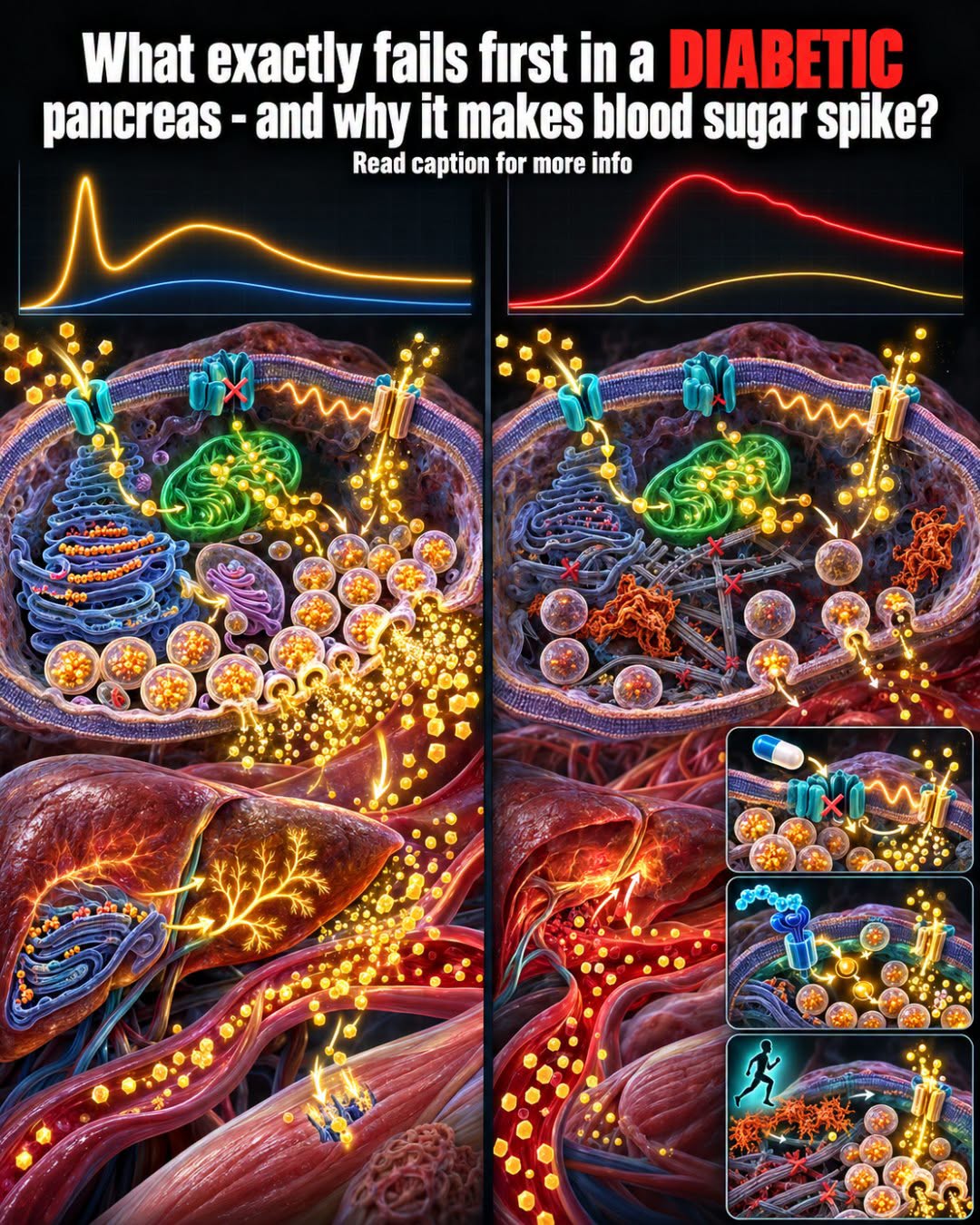
The poster argues that the pancreatic failure behind type 2 diabetes, including loss of first-phase insulin secretion, can be reversed by losing fat in the pancreas. He cites Professor Roy Taylor's randomized trial in humans, and the shared text explains how loss of first-phase insulin secretion causes the post-meal glucose spike.
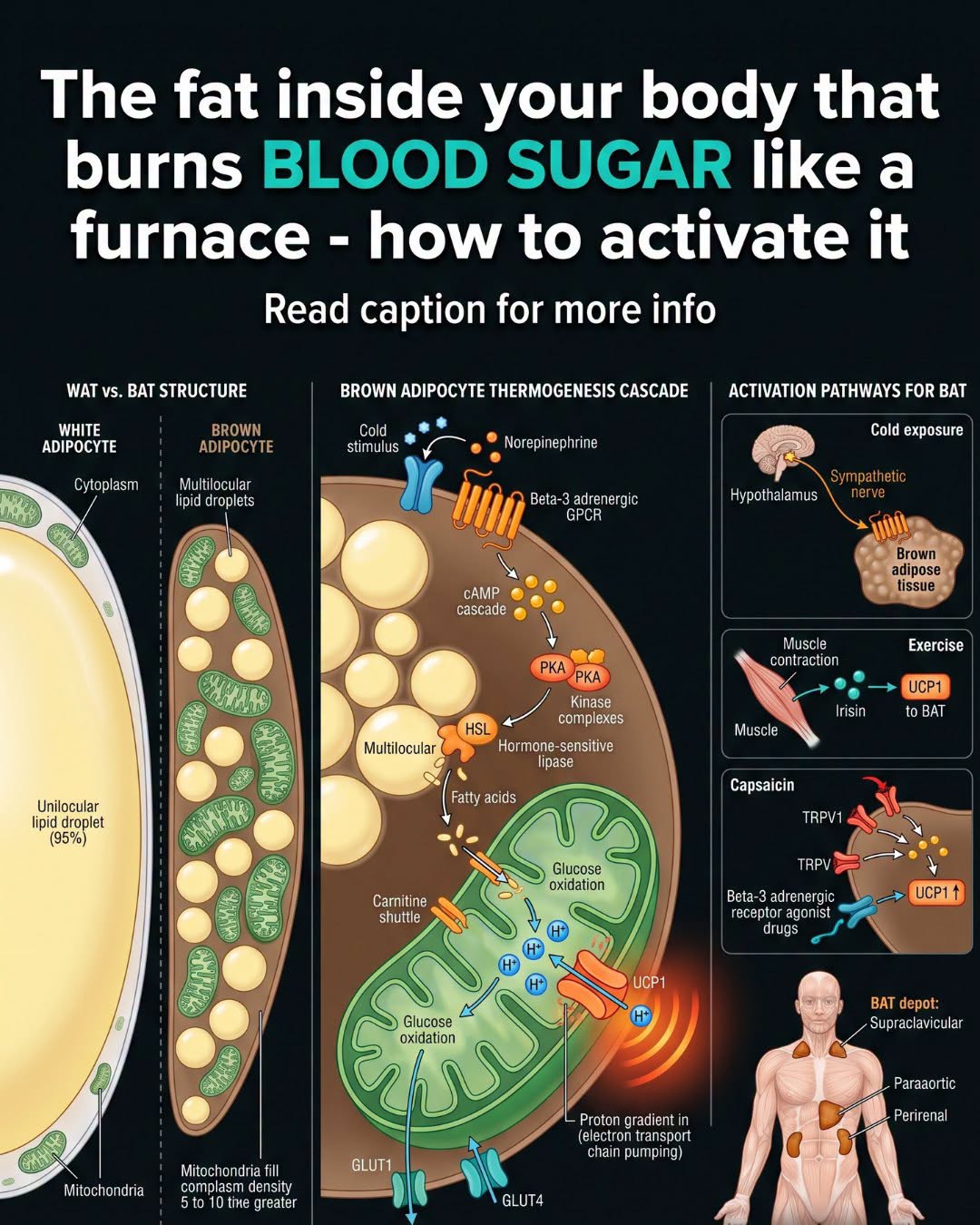
A shared post describes brown adipose tissue as metabolically active fat that consumes glucose and fatty acids for heat, activating a glucose-lowering pathway independent of insulin, even in insulin-resistant tissue. Louis added only a hashtag.
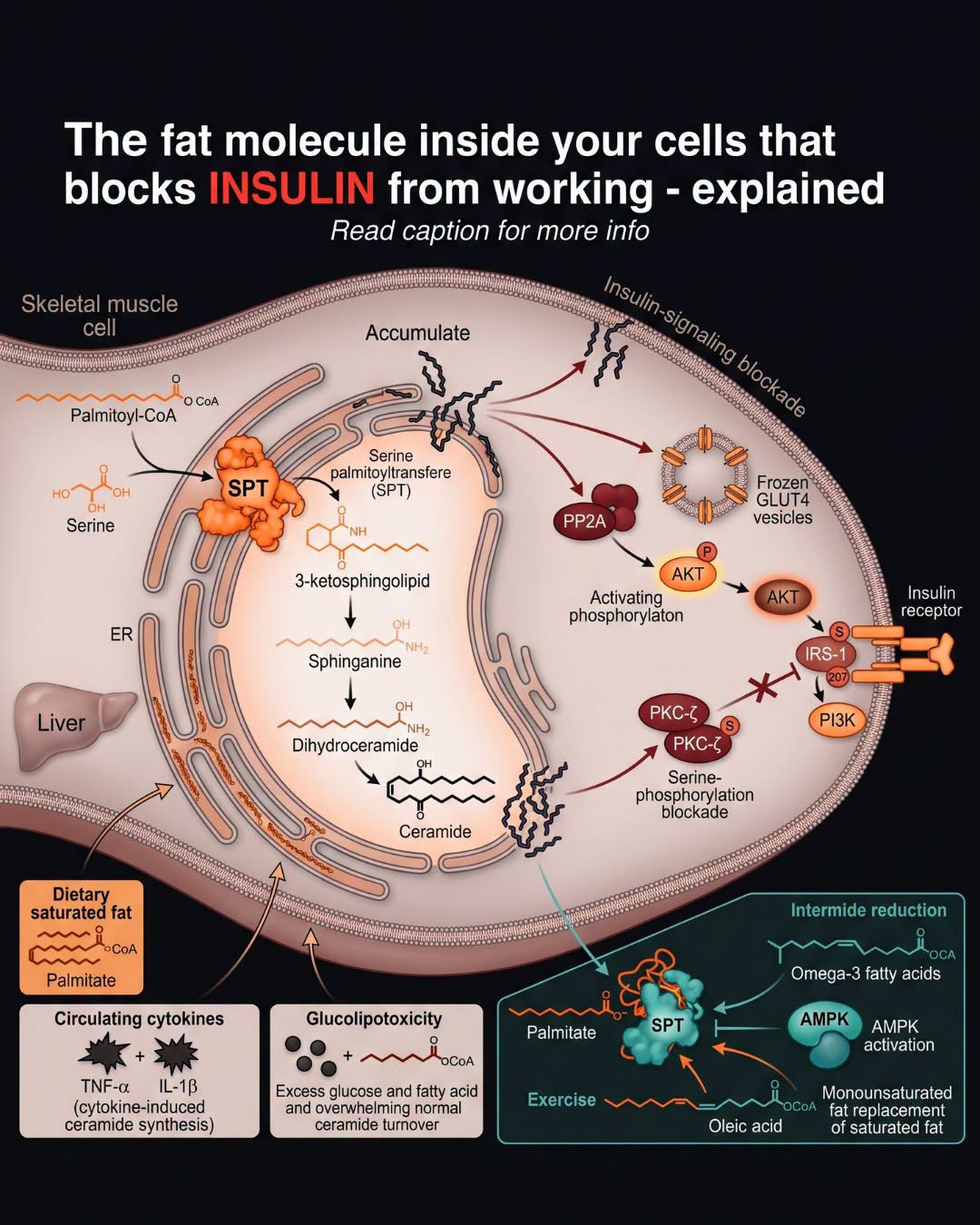
Louis shares a post on ceramide, a sphingolipid that accumulates in cells and blocks insulin signaling. He adds a revised takeaway from Gemini AI, which corrected technical inaccuracies and overstatements: reducing saturated fat lowers the substrate for ceramide and exercise helps. The fact-check is in the comments.
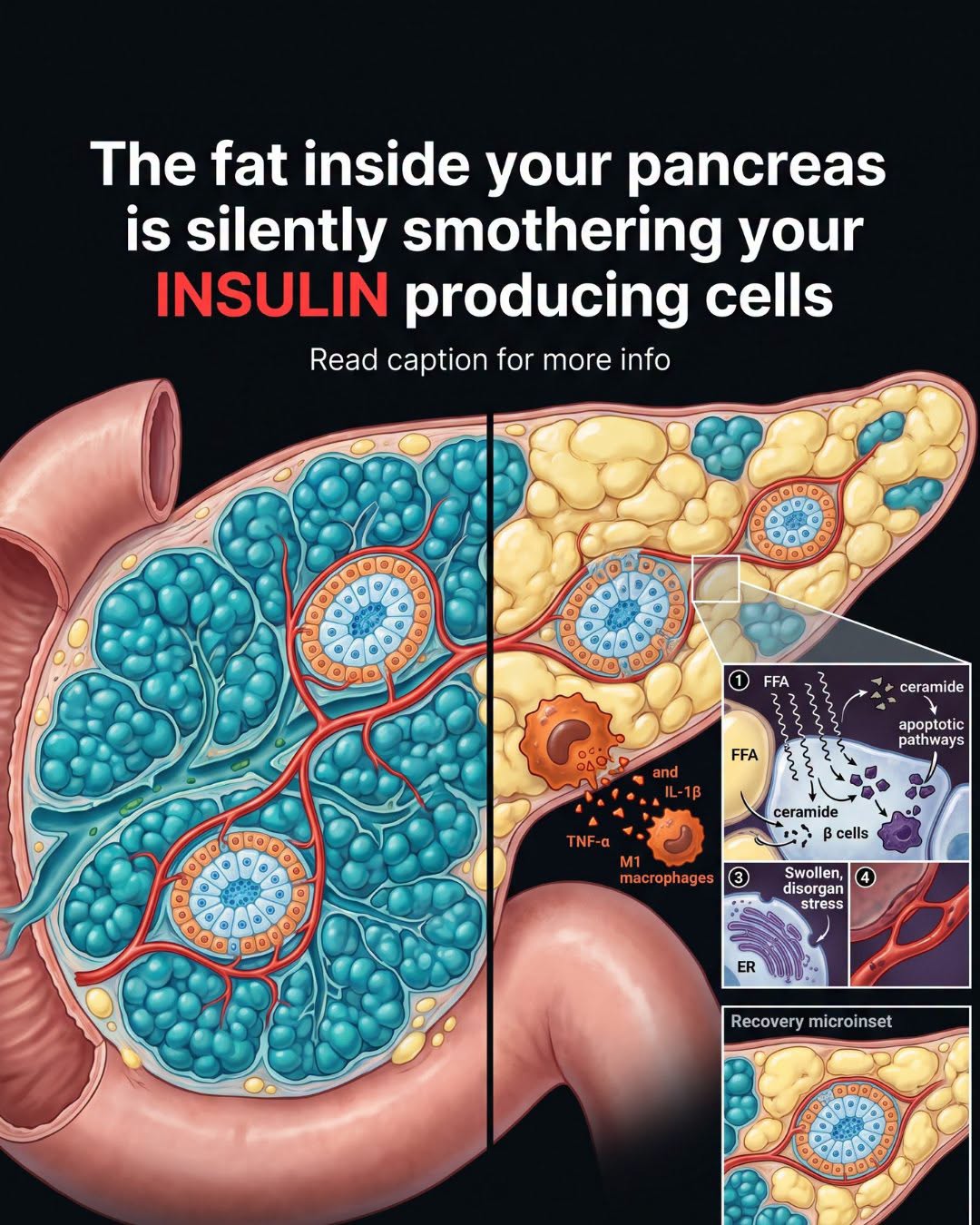
Louis shares a post describing pancreatic fat as a key cause of beta-cell dysfunction in type 2 diabetes, citing Roy Taylor's work at Newcastle. Fat clears from the liver within weeks and from the pancreas over months of dietary change, with beta-cell function partly or fully returning.
Argues low-carb gives better remission and HbA1c at 6 months, but the edge fades. A 2021 BMJ meta-analysis (23 RCTs) found benefit at 6 months diminishing by 12; Silverii 2020 (37 RCTs, 3,301 patients) found HbA1c differences vanishing and reversing by 24 months; a 2-year calorie-matched RCT showed identical weight loss. Concludes the benefit comes from adherence, not metabolic magic.