HD-OPM Archive
Hashtags

#supplements

61 posts

New vitamin K2 trial slowed arterial calcification but did not reduce plaque, video argues

Aug 31, 2026 · Gokhan Can ♥ 23 · 💬 38 Supplements & vitamins

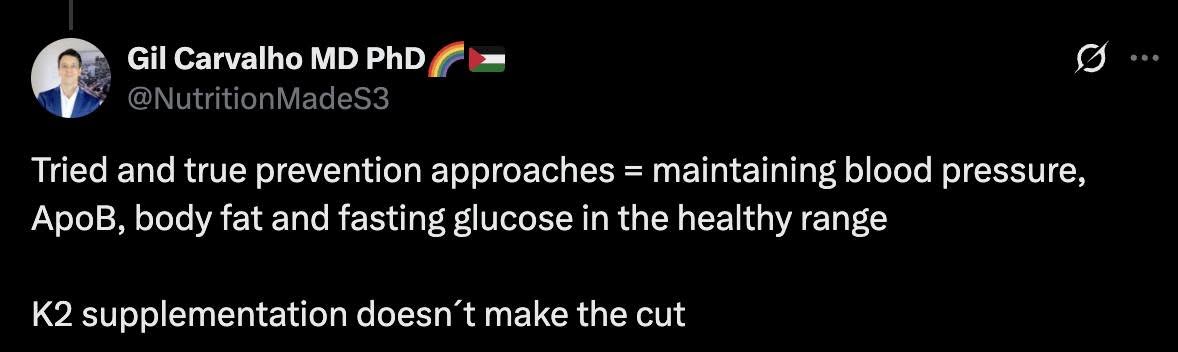
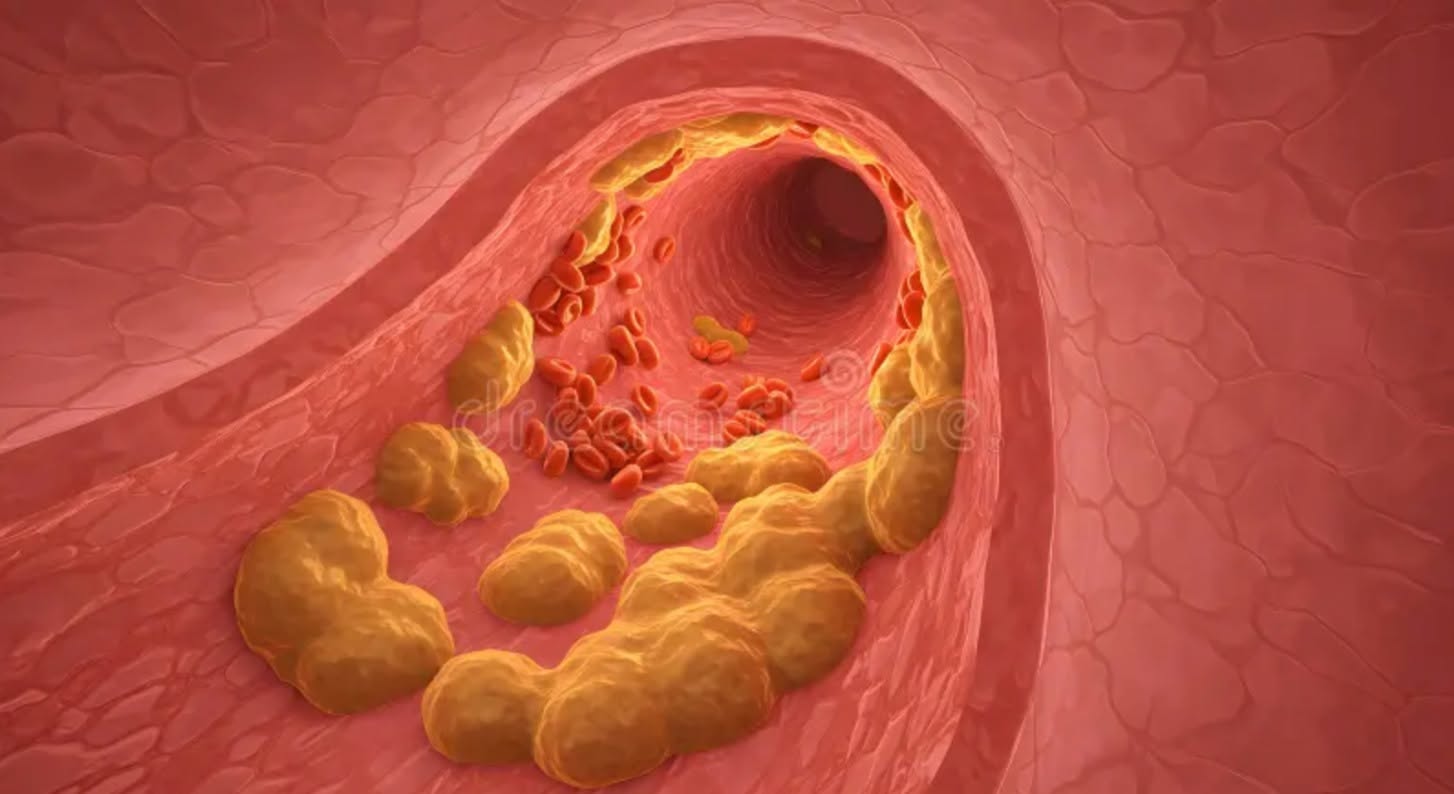
Summarises a Gil Carvalho video on a randomized trial of vitamin K2: calcification progressed more slowly, but total plaque did not fall, the plaque was just less calcified. Carvalho argues calcium stabilises plaque, so slowing calcification without reducing plaque could even be harmful, and no evidence shows K2 reduces heart attacks or strokes, so he advises relying on proven therapies, diet and exercise.

Dr Carvalho: evidence for vitamin K2 supplements and arterial calcium is weak

Nov 16, 2025 · Gokhan Can ♥ 19 · 💬 27 Supplements & vitamins

Summarises a Carvalho video: arterial calcium is a marker of long-standing plaque, not the cause of risk, so lowering a calcium score can mislead, just as statins raise calcium while lowering risk. No large properly powered trials show K2 reduces heart attacks or strokes, and he warns of false reassurance. The admin adds that supplement use is fine but expectations should stay grounded.

The longer the lower the better: lifelong LDL lowering and an estimated 60% risk reduction

Nov 20, 2023 · Gokhan Can ♥ 17 · 💬 21 ↩ 2 LDL, ApoB & lipid panel

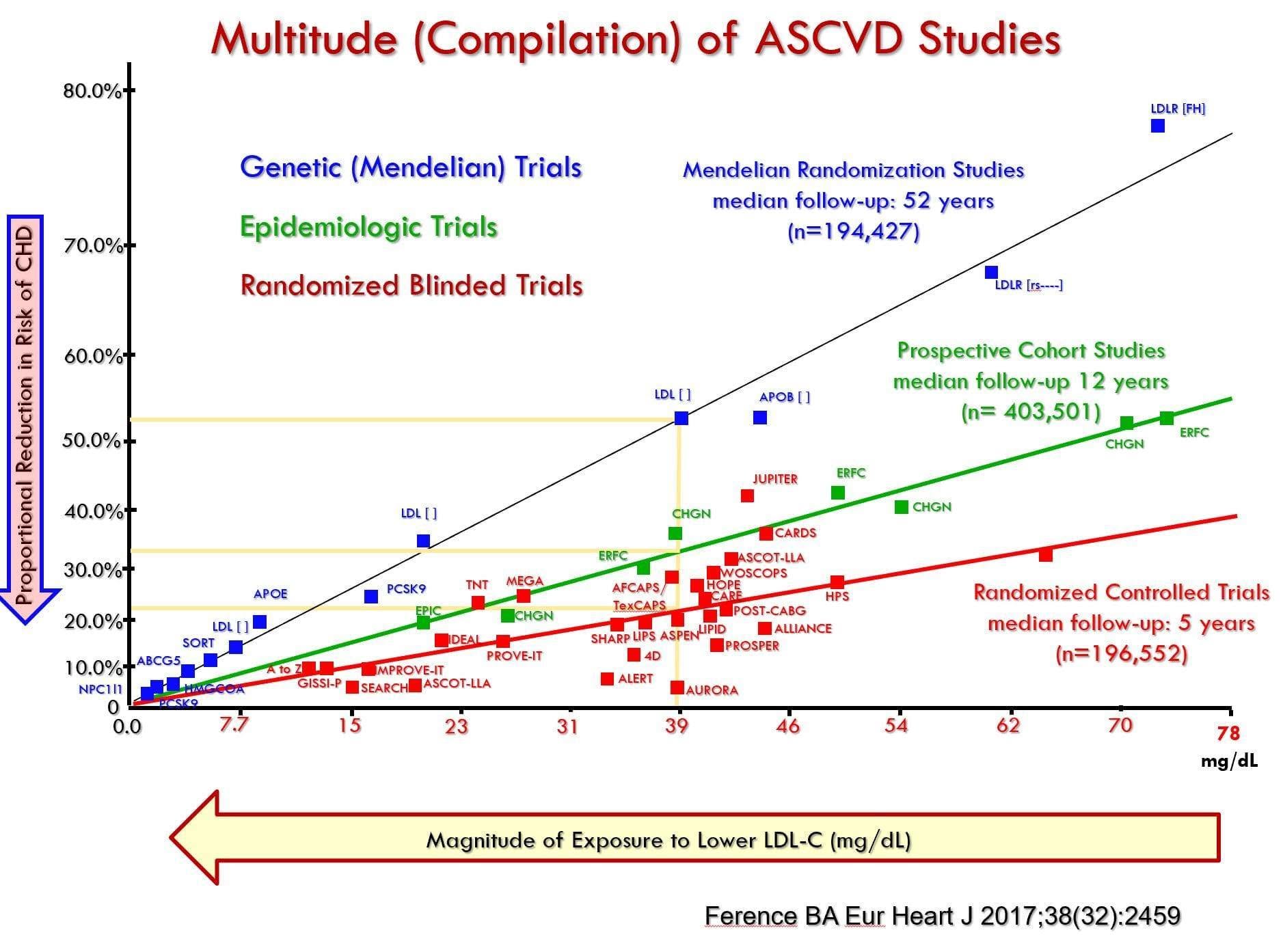
Argues that the benefit of LDL lowering depends on both how much and how long LDL is reduced. The author, one of the group's admins, is betting on very low-dose statins to hold LDL at 70-100 mg/dL, and estimates about 60% lifetime risk reduction from a 70-point lowering sustained for 30 years. The post also cites Charles Grashow as a case of CAC regression.

Red yeast rice vs statins: lovastatin removed, other monacolins remain, no outcome RCTs

Feb 11, 2024 · Louis Nervegna ♥ 22 · 💬 15 Supplements & vitamins

Louis explains that the FDA forced US red yeast rice products to remove lovastatin (monacolin K), the first statin, approved in 1986 as Mevacor, yet they still lower cholesterol through related monacolins. Some people intolerant of statins tolerate it, but it is unregulated with variable potency and lacks large long-running RCTs proving fewer heart attacks and strokes, so it is a gamble for high-risk people.

Strategies for lowering TMAO: diet, supplements and repurposed drugs

Aug 29, 2025 · Gokhan Can ♥ 22 · 💬 18 ↩ 1 Gut microbiome

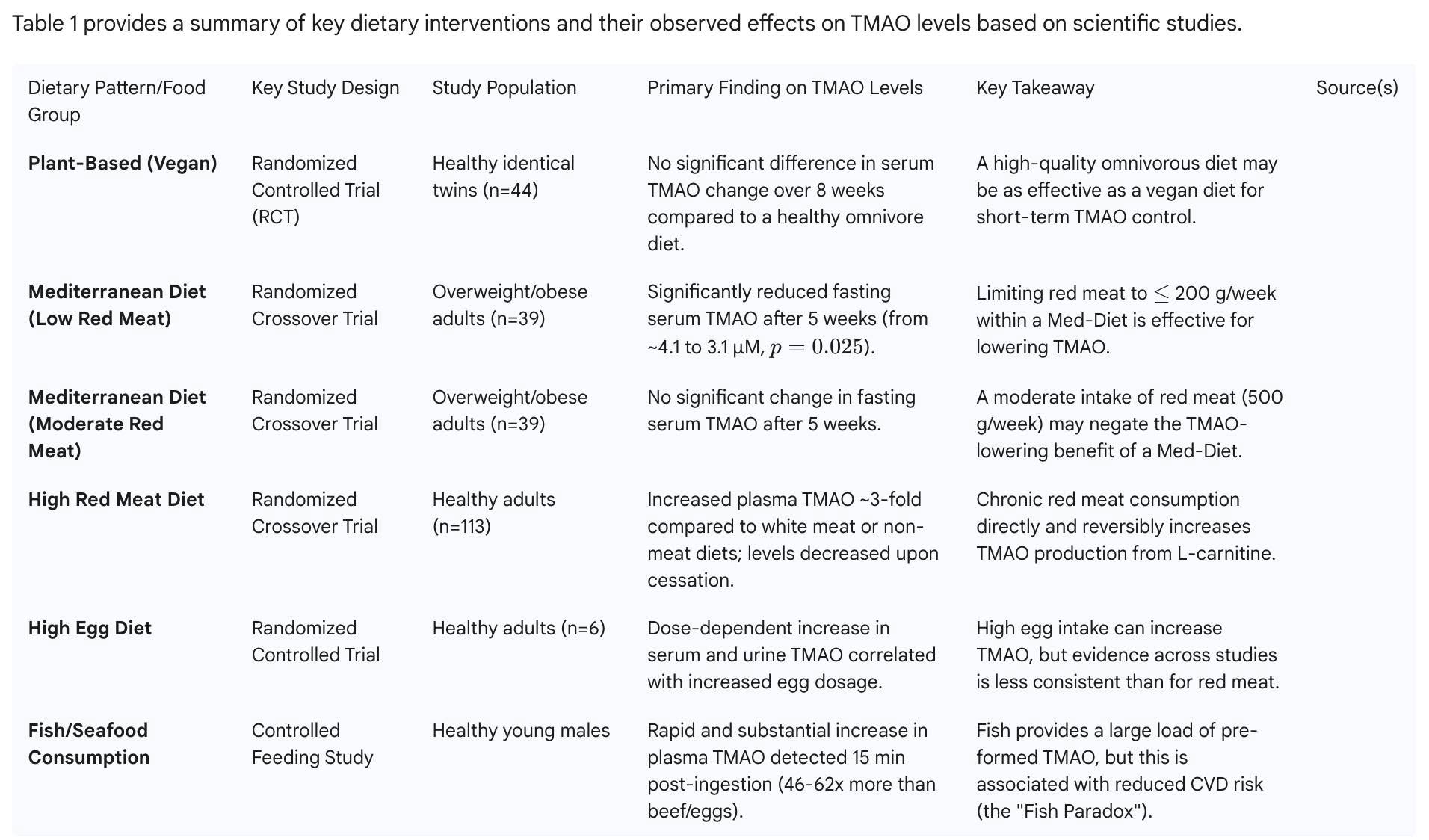
A written review of how TMAO forms from choline and carnitine via gut bacteria and the liver, and how to lower it. It points to less red meat and egg yolk, a fiber-rich Mediterranean-style diet, polyphenols and allicin, and statins and metformin. Gokhan says TMAO is not his top concern but worth knowing; he mentions a small human berberine trial that lowered TMAO and plaque.

Tricaprin supplement reversed atherosclerosis in two patients with TGCV

Jan 09, 2025 · Gokhan Can ♥ 18 · 💬 22 Supplements & vitamins

Osaka University research in the European Heart Journal reported that tricaprin, a dietary supplement that promotes lipid breakdown in heart muscle cells, reversed atherosclerotic lesions and relieved chest pain in two diabetic patients with TGCV. This condition involves triglyceride deposits and resists standard treatment. Only two patients were reported.

Six strategies shown to regress plaque in human randomized trials

Feb 27, 2025 · Louis Nervegna ♥ 27 · 💬 10 ↩ 3 Plaque, CAC & CT angiography

Louis lists strategies with RCT evidence for plaque regression: major weight loss, a Mediterranean or DASH diet, LDL-lowering drugs, colchicine, exercise and high-dose EPA. He notes six RCTs show diet can regress plaque and that Ornish's results resembled PREDIMED and CORDIOPREV, while Esselstyn's data are not from RCTs.

Alpha-ketoglutarate (AKG): longevity data in worms and mice, plus anti-thrombotic effects

Mar 02, 2024 · Gokhan Can ♥ 13 · 💬 13 Supplements & vitamins

Summarizes the case for the supplement AKG, which extended lifespan in worms by about 50% and healthspan in aged mice, apparently by mildly suppressing mitochondrial function and mimicking calorie restriction. The linked EBioMedicine paper suggests AKG inhibits thrombosis and inflammation. The human evidence for cardiovascular benefit is limited and the author notes he personally uses it.

Platelet reactivity score (PRESS) predicts cardiovascular events in PAD patients

Aug 20, 2024 · Gokhan Can ♥ 6 · 💬 19 Aspirin, antiplatelets & blood thinners

NYU researchers developed PRESS, combining platelet aggregation responses and RNA sequencing, to detect platelet hyperreactivity. In PAD patients, hyperreactive platelets predicted more major adverse cardiac or limb events within 30 days of revascularization, and PRESS above the median carried a 90% higher risk of major events over 18 months. It might help target aspirin.

Review of 884 supplement RCTs: omega-3, folic acid and CoQ10 helped; beta-carotene harmed

Nov 30, 2023 · Louis Nervegna ♥ 12 · 💬 7 ↩ 2 Supplements & vitamins

Louis quotes a JACC systematic review of 884 randomized trials (883,627 participants) on 27 micronutrients. Omega-3 reduced CVD mortality, heart attack and CHD events; folic acid reduced stroke; CoQ10 reduced all-cause mortality; vitamins C, D, E and selenium had no effect on CVD or type 2 diabetes; beta-carotene increased mortality and stroke. Several others improved risk factors with moderate-to-high quality evidence.

Eliquis and supplements question; mother's suspected DVT proved a false positive

Dec 30, 2024 · Louis Nervegna ♥ 10 · 💬 21 Aspirin, antiplatelets & blood thinners

Louis asks whether group members take Eliquis and how supplements interact with it, since some supplements add to the anticoagulant effect and it is metabolized by CYP3A4. In an edit he reports his mother's calf DVT diagnosis was wrong: repeat ultrasound and D-dimer in a vascular clinic showed clear veins, noting ultrasound alone is only about 60% accurate for DVT.

Charles Grashow's protocol to regress coronary calcium over two years

Dec 02, 2023 · Gokhan Can ♥ 18 · 💬 7 ↩ 2 Plaque, CAC & CT angiography

Describes how Charles Grashow responded to worsening coronary calcium in 2020-2021 with an intensive regimen of lifestyle, high-dose nattokinase, LDL-lowering and anti-inflammatory supplements and off-label drugs. His later scans reportedly showed that the trajectory of his coronary disease had reversed. It is a single-patient story, not a trial.

Peter Attia's current supplement stack

Nov 23, 2023 · Gokhan Can ♥ 8 · 💬 14 Supplements & vitamins

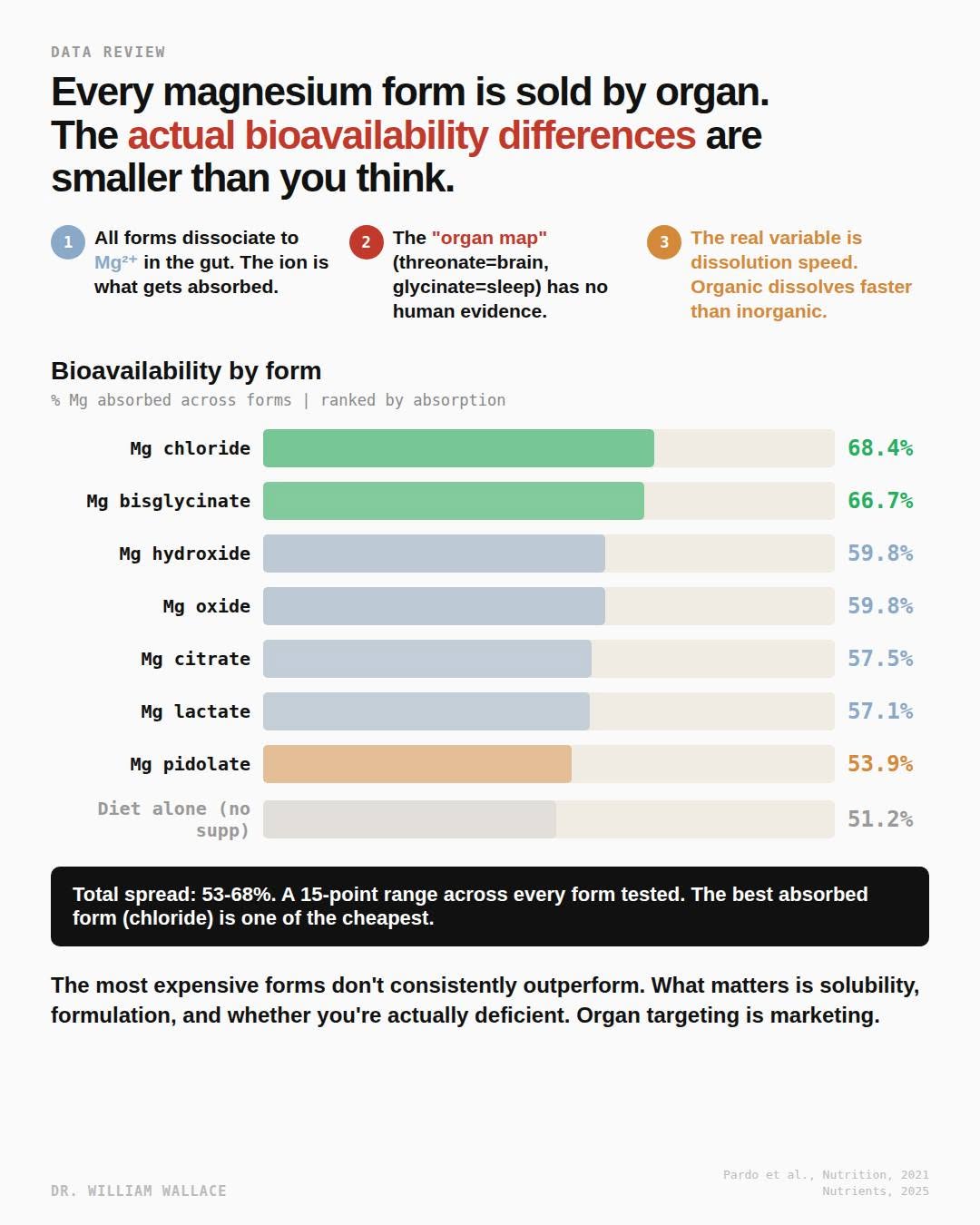
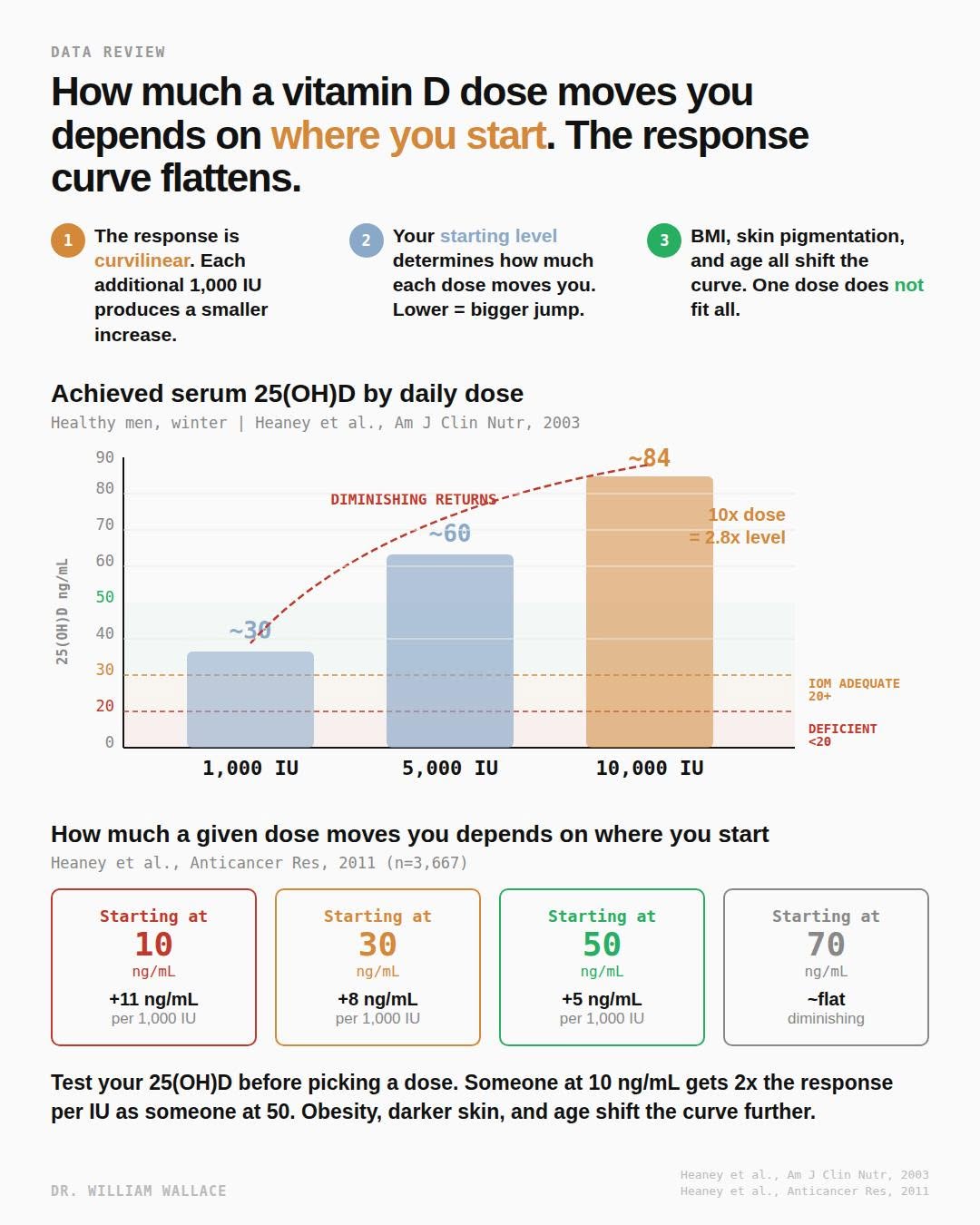
Summarizes the supplements Peter Attia says he takes: B6, high-EPA fish oil aimed at a red-cell EPA+DHA level near 12%, vitamin D 5,000 IU, several forms of magnesium, methylfolate and B12 to keep homocysteine below nine, and baby aspirin. This is a personal regimen, not evidence.

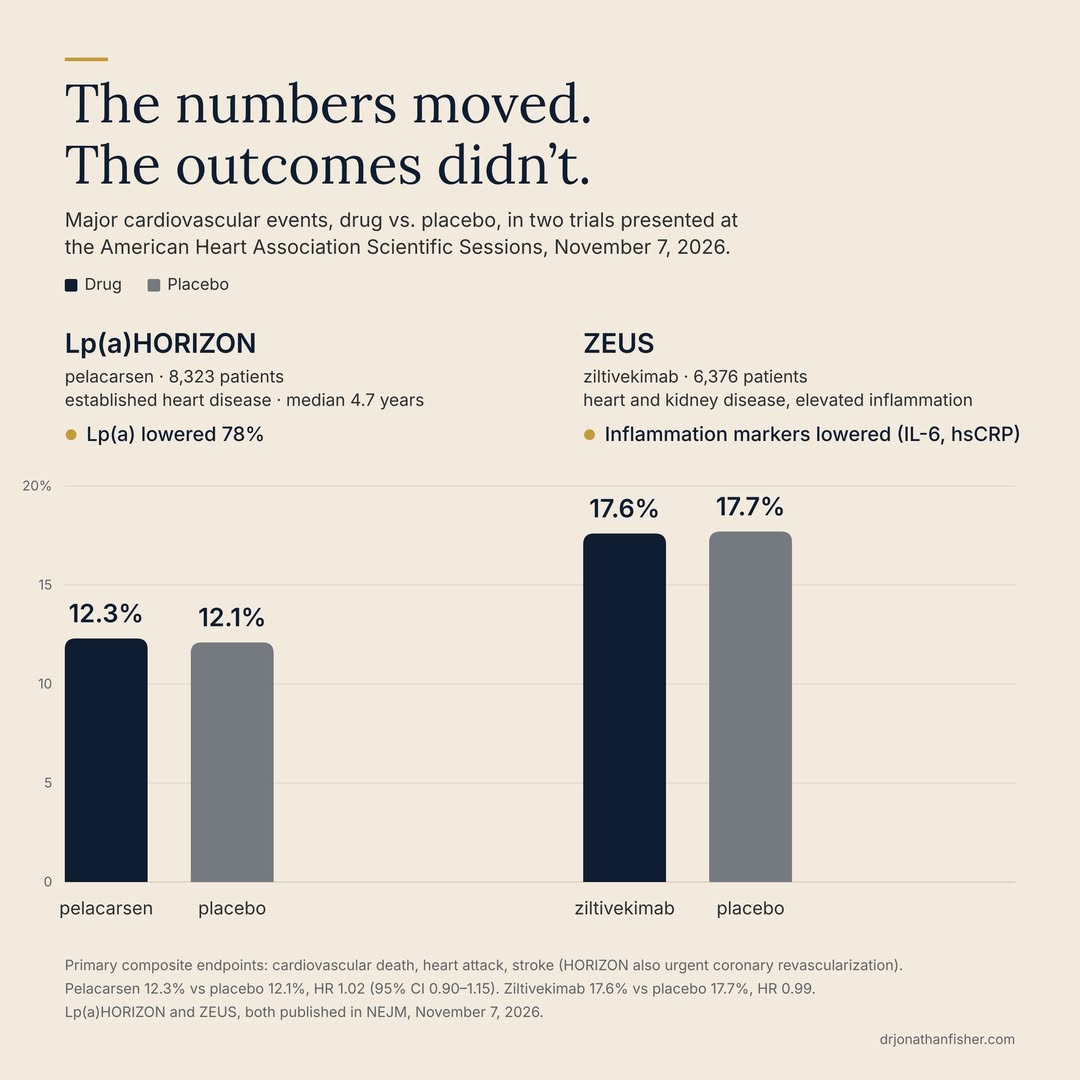
Pelacarsen and ziltivekimab lowered their targets but not events, and why that matters

Nov 08, 2026 · Louis Nervegna ♥ 8 · 💬 6 Lp(a)

Louis shares a physician's commentary on the Lp(a) and inflammation trials presented at AHA: one drug lowered Lp(a) nearly 80% and another sharply cut inflammation, yet event rates matched placebo. The lesson is that measuring and changing a marker does not guarantee benefit, and that the underlying risk factors still matter.

Rhonda Patrick's morning and evening supplement list

May 18, 2024 · Gokhan Can ♥ 11 · 💬 5 Supplements & vitamins

Reposts a list of the supplements Rhonda Patrick takes, including multivitamin, fish oil, vitamin D, K2, ubiquinol, cocoa extract, sulforaphane, berberine and urolithin A, plus evening magnesium and more fish oil. It is a personal regimen with no supporting studies attached, so it is context rather than evidence.

A framework for choosing longevity interventions: four evidence criteria

Dec 09, 2023 · Gokhan Can ♥ 15 · 💬 2 Aging & longevity

Outlines a strategy for deciding which longevity interventions to bet on: prefer those that lowered all-cause mortality in long human RCTs or are associated with longer human life, then mouse lifespan data with short human RCT support, then biomarker-guided treatment and personal N=1 tracking. The full post continues on the author's blog.

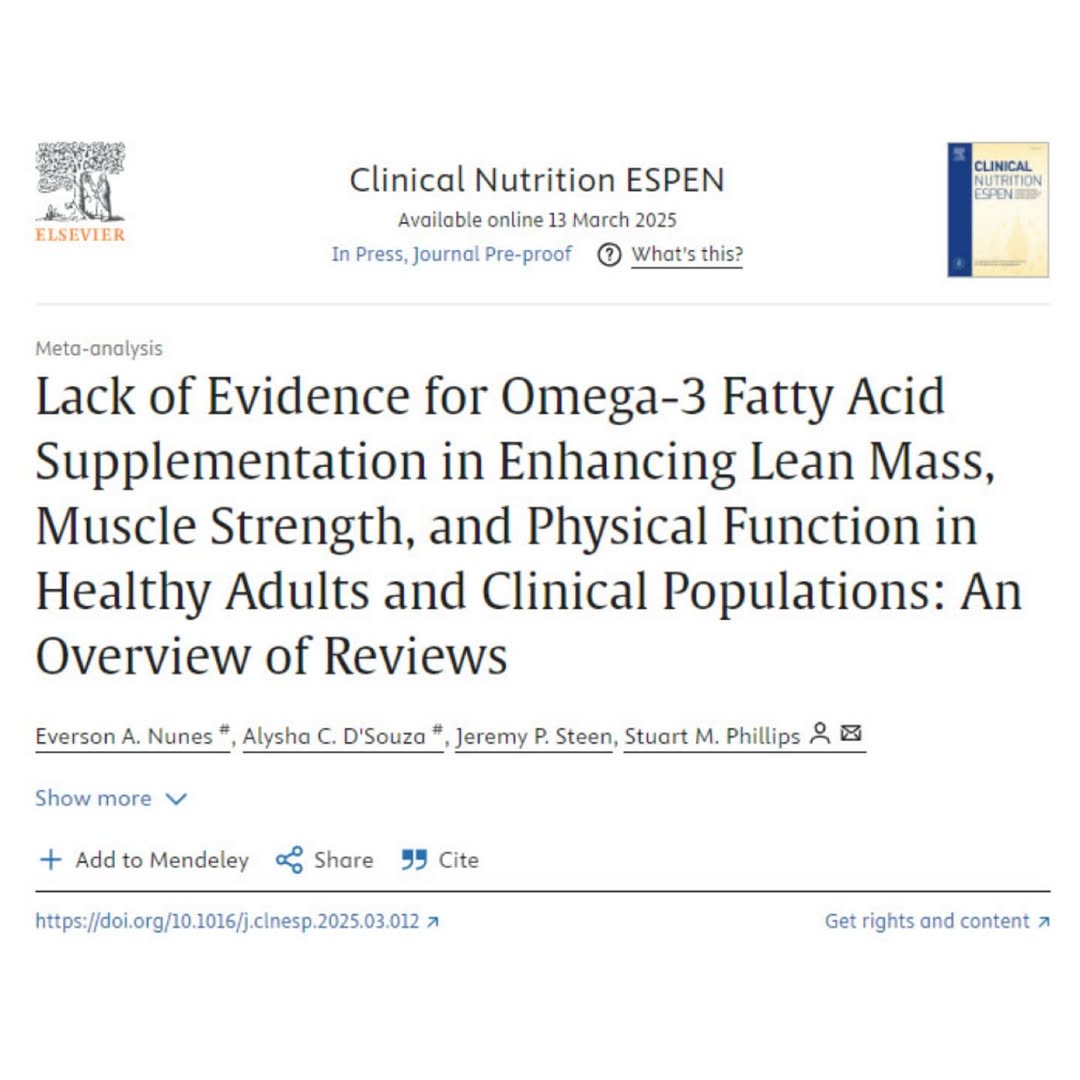
Review of 33 systematic studies finds little evidence omega-3 supplements build muscle

Mar 14, 2025 · Louis Nervegna ♥ 11 · 💬 2 Supplements & vitamins

Louis shares Stuart Phillips' summary of a 2025 Clinical Nutrition ESPEN review of 33 systematic studies, which found little evidence that omega-3 supplements improve lean mass, muscle strength or physical function in healthy adults or clinical groups. Some small benefits in older adults were suggested, but exercise and protein remain the best strategies.

Why new therapies take 10+ years and $100M+ for FDA approval, and what doctors can do

Jan 15, 2024 · Louis Nervegna ♥ 11 · 💬 2 Guidelines, policy & public health

Louis explains FDA approval needs three phases (safety, preliminary efficacy, full efficacy), typically a decade or more and at least $100 million, sometimes near $1 billion. Phase 3 trials are large and long and often fail, so promising therapies may never be tested. Meanwhile doctors can use GRAS supplements and prescribe drugs off-label, which lets science-based clinicians go beyond the standard of care.

Absence of evidence is not evidence of absence: weighing unproven interventions

Oct 30, 2026 · Louis Nervegna ♥ 6 · 💬 1 How to read research

Louis explains that an intervention that has not been properly studied is indeterminate, not proven ineffective, and that this differs from interventions proven not to work. For speculative items such as supplements, he suggests assigning a subjective probability from limited evidence, while warning against betting your life on indeterminate interventions.

Summary of how micronutrients such as vitamin C and CoQ10 affect endothelial function

Jul 16, 2025 · Louis Nervegna ♥ 13 Blood vessels, circulation & endothelium

Louis shares a Linus Pauling Institute review summarising studies on micronutrients and endothelial dysfunction. Quoted examples include pooled RCTs showing vitamin C improved endothelial markers in heart failure, atherosclerosis or diabetes but not hypertension, and CoQ10 150-300 mg/day modestly improving function in five small trials.

Vitamin C has not reduced heart attacks or strokes and plaque data are mixed

Apr 12, 2026 · Gokhan Can ♥ 5 · 💬 1 Supplements & vitamins

Admin summarises that vitamin C alone has been tested widely without reducing hard outcomes (MACE), and plaque-reversal data are mixed: supportive in animals, better/worse/no effect in human trials. He does not advise it as a heart-disease cure, though physiological doses appear safe; he takes 250 mg/day to avoid deficiency. Links an (largely AI-generated, author-vetted) summary document.