We're All Programmed to Die, But Technology Offers Hope
(A letter from your crazy uncle)
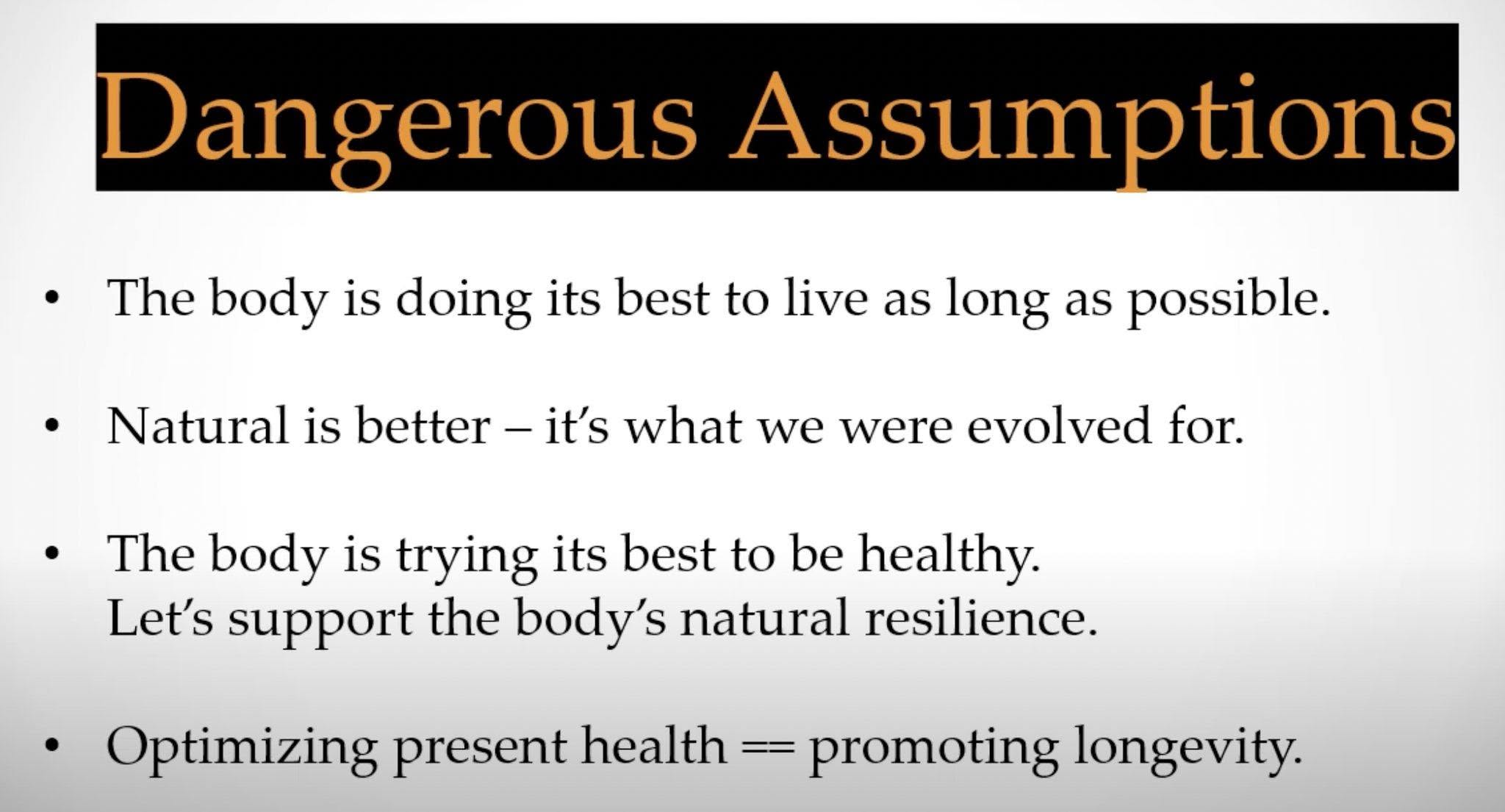
As humans, we're programmed by nature to decay and ultimately die. Our bodies are organic machines with an expiration date. This harsh reality can be depressing, but it's simply the natural order of things.
However, just because we're programmed to die doesn't mean we have to passively accept our fate. Advancements in technology and medicine give us tools to fight back against nature's plan. With the right knowledge and willingness to optimize, we can extend our healthspans and potentially our lifespans.
The quest for longevity has led many people, myself included, to experiment with "biohacks" - interventions aimed at improving health and delaying aging. The internet has spawned a whole subculture around this, with forums, gurus, and questionable doctors normalizing extreme practices.
I went through my own journey trying increasingly intensive biohacks. I was seduced by the promises, and even deluded myself into thinking some very unnatural things were completely natural. Looking back, many of these practices were just hacks...clever tricks but not sustainable solutions.
For instance, at one point I was convinced that extreme low-carb diets were the key to curing every major disease on earth. I fell into the trap of believing the marketing around keto, carnivore, etc. Online communities reinforced the notion that loading up on meat and fat was somehow "going back to our roots."
In reality, some of the things I was doing were quite absurd. Eating sticks of butter, pouring heavy cream over everything, forcing down pounds of ribeye every day - none of it was truly natural. But when you're desperate to fight metabolic disorders, you can convince yourself of anything.
I had some initial success on low-carb (actually for several years), but couldn't make it work long-term. My energy would crash, cravings would return, and weight would rebound. The hack would stop working.
Other natural health fads followed a similar arc for me. Fasting, intermittent fasting, trying out vegan ...I embraced them all at one point. But the results were fleeting.
None of those things could overcome the programming embedded in my genes. Diet and lifestyle tweaks only go so far. Human biology has its limits.
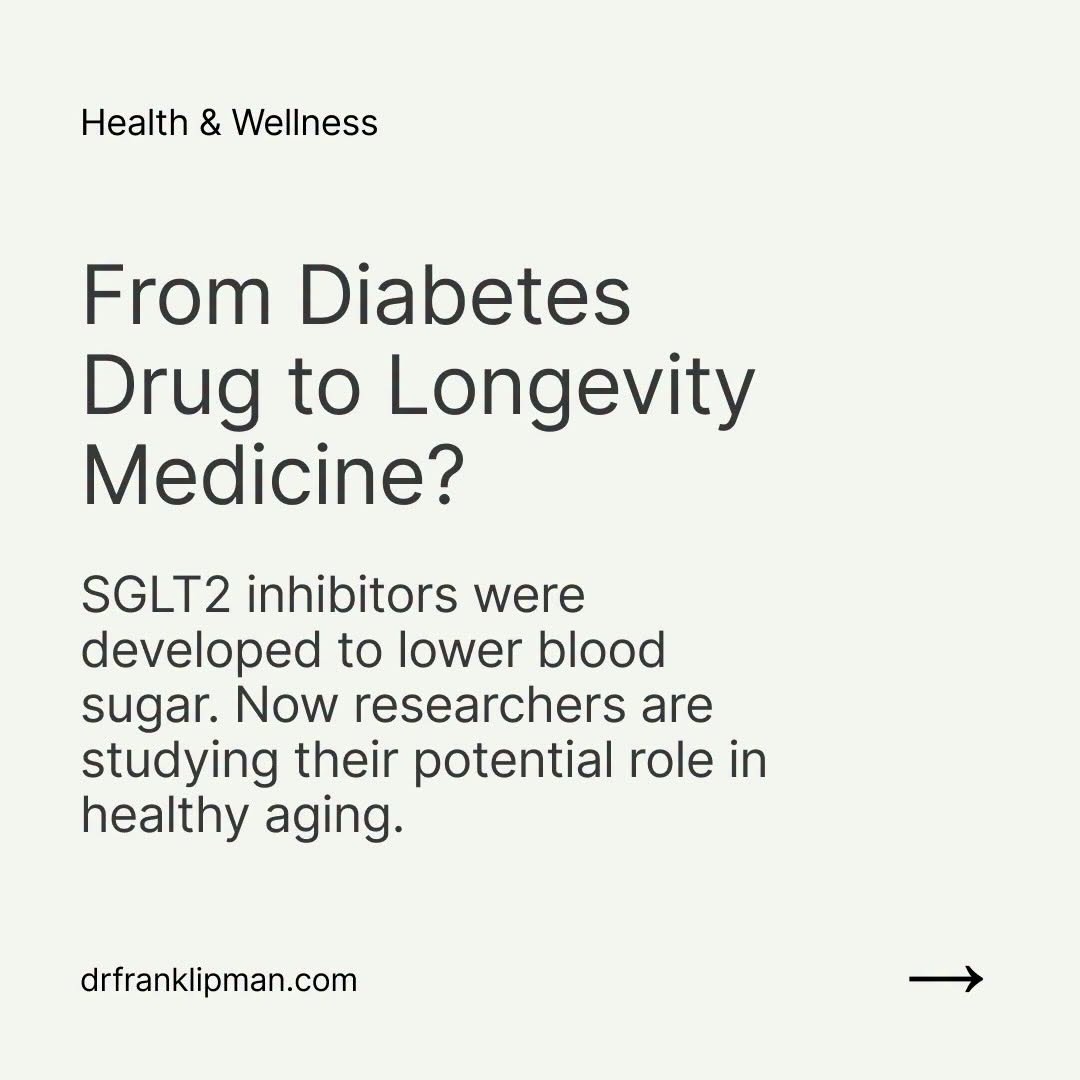
So I'm now more open to technological solutions that work WITH my biology rather than against it. Drugs proven to extend lifespan, up and coming longevity-focused supplements - these tools hold real promise.
Are they natural? Not exactly. But nothing about modern life is truly natural. We left our primitive roots long ago.
I now see medical technology as the most viable path forward. Science fiction is becoming reality in labs around the world. With an open mind and pragmatic approach, we can leverage tech to live better for longer.
Some parts of the natural order are worth preserving. But the programmed breakdown of our bodies and minds seems like a flaw worth fixing. Just because something is natural doesn't mean it can't be improved.
Our lives are already deeply intertwined with technology. Smartphones, computers, medical devices - we gladly adopt tech that enhances our capabilities. So why not go further to enhance our longevity?
We need balance and moderation, not dogmatic refusal or reckless abandonment. Biohacks, lifespan extending drugs, and longevity supplements should all be considered part of a toolkit to help us live long, healthy lives according to our values.
I still have many moments of confusion, doubt and fear around aging. But I try to reframe it as an engineering challenge, solvable with the right tools. We're programmed to die but not doomed to accept it passively. Technology offers hope to rewrite nature's program and extend our stay.
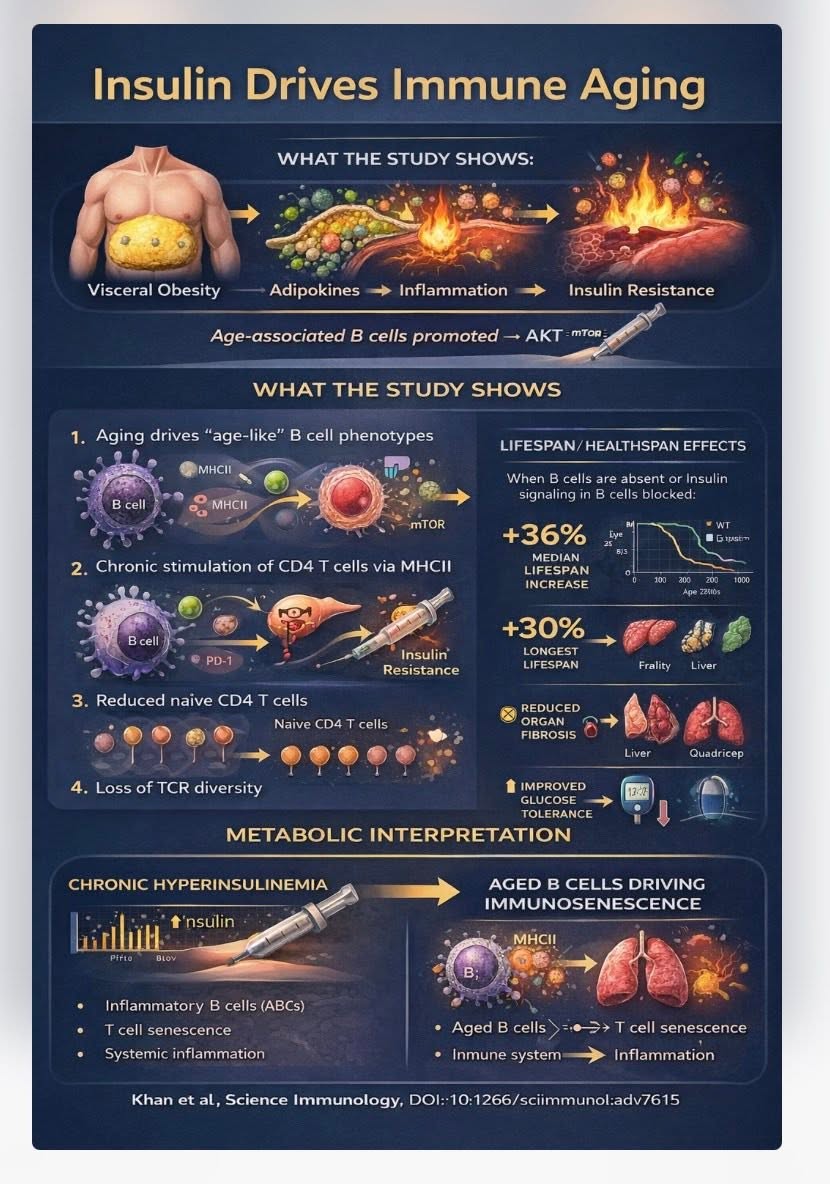
It's up to us to examine the medical literature to identify those life extending drugs and supplements. The big book of anti-aging hasn't been written yet. But there are bits and pieces scattered in the medical literature. Some of the existing drugs and supplements (not all!) definitely serve this purpose. It's up to us to find them and take advantage of them.