Rapamycin does NOT prevent atherosclerosis in marmosets (primates).

This has been rigorously tested by Adam Salmon’s research group.
Unlike in mice, rapamycin does not have any clear effect on slowing aging of the cardiovascular system in marmosets— the shortest lived primate. Marmosets on rapamycin develop atherosclerosis at the same rate as controls.
Marmosets are much closer to humans than mice.
INTERVENTION WITH RAPAMYCIN TO IMPROVE HEALTHY AGING AND LONGEVITY IN A NON-HUMAN PRIMATE
Adam B Salmon, Innovation in Aging, November 2019
Quoted:
“Unlike previous reports in rodents, rapamycin does not have clear effects on aging cardiovascular function in marmosets.”
I think it is unwise to rely on rapamycin as a primary method to prevent heart disease.
Note:
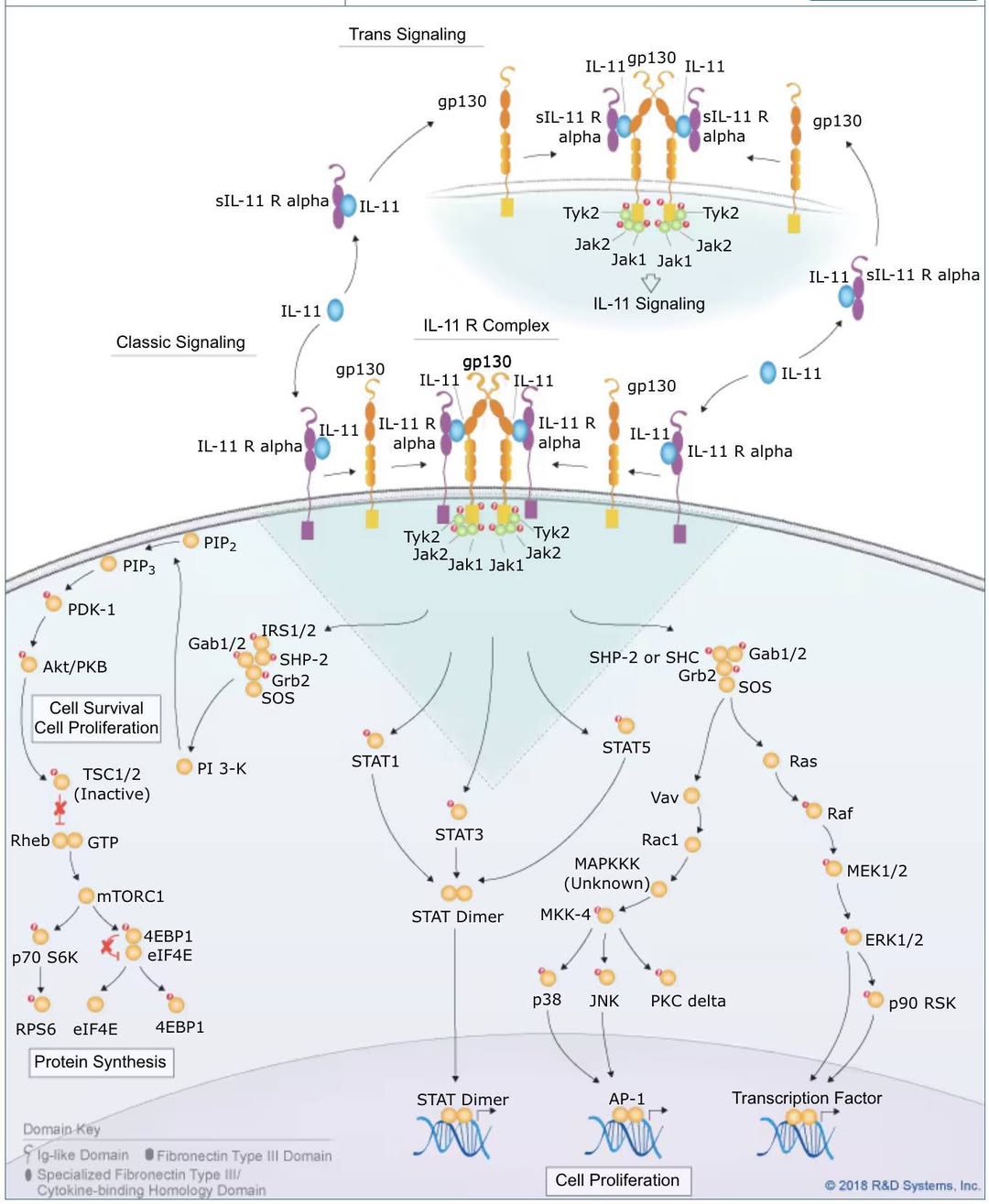
Rapamycin is included in human heart stents mainly because it prevents the growth of scar tissue due to overproliferation of vascular smooth muscle cells. Not because it prevents growth of plaque in humans. It is a potent antifibrotic. Scar tissue is what usually causes rapid restenosis of heart stents, not plaque. Plaque and scar tissue are different things. Plaque is a complex accumulation of lipids, inflammatory cells, and fibrous tissue that develops over a long period, while arterial scar tisue (neointimal hyperplasia) is a rapid, short-term healing response to vessel injury.