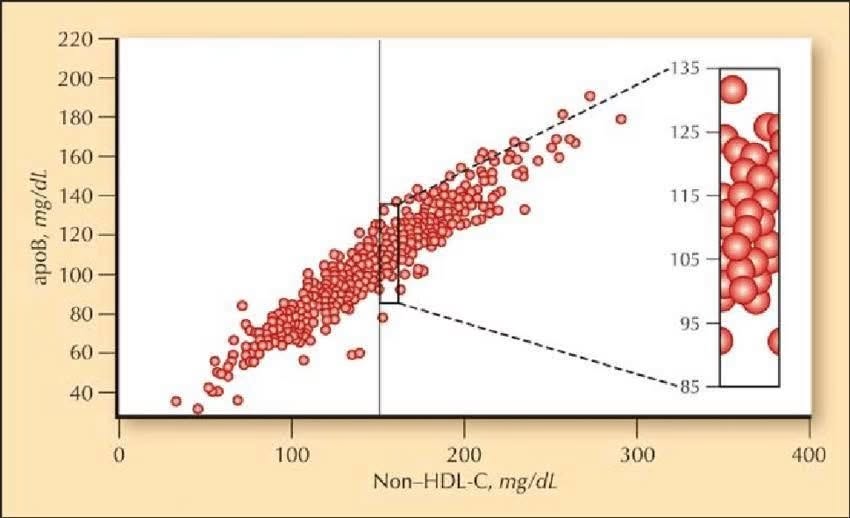
Let’s remember that lowering LDL (or ApoB) alone is not a cure for heart disease.
Nor is it a guaranteed way to prevent heart disease from ever developing in the first place.
Yes, many randomized controlled trials have shown that it lowers risk, especially when done aggressively.
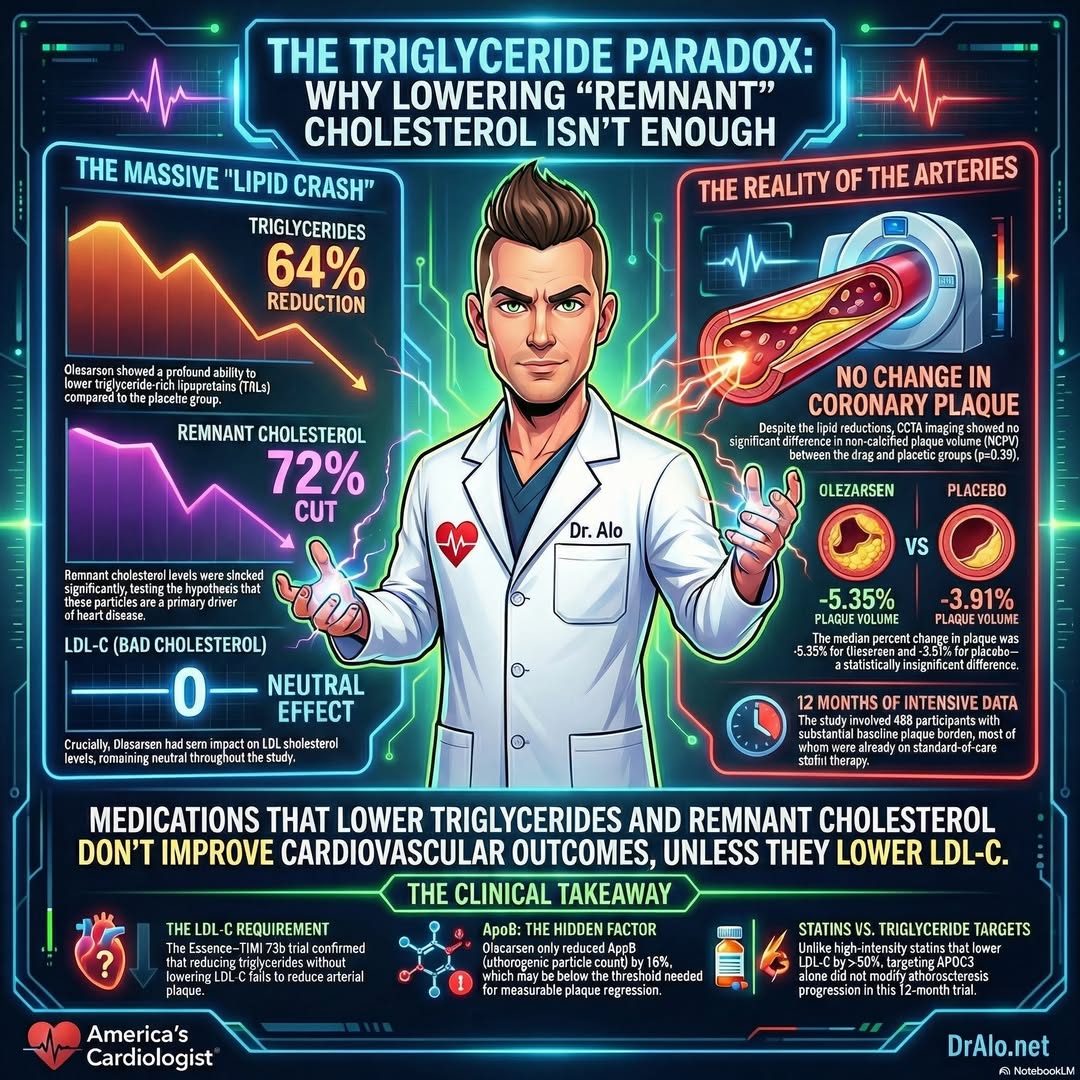
But in every randomized controlled trial that’s been run so far, there is still considerable residual risk after the target LDL is achieved— no matter how low in LDL the trial has gone. The older you are, the higher that residual risk appears to be.
Claiming that aggressively lowering LDL or ApoB alone is a cure or guaranteed preventative is FALSE. This is not what the human clinical trials actually show— there is still residual risk in every single randomized controlled trial ever run.
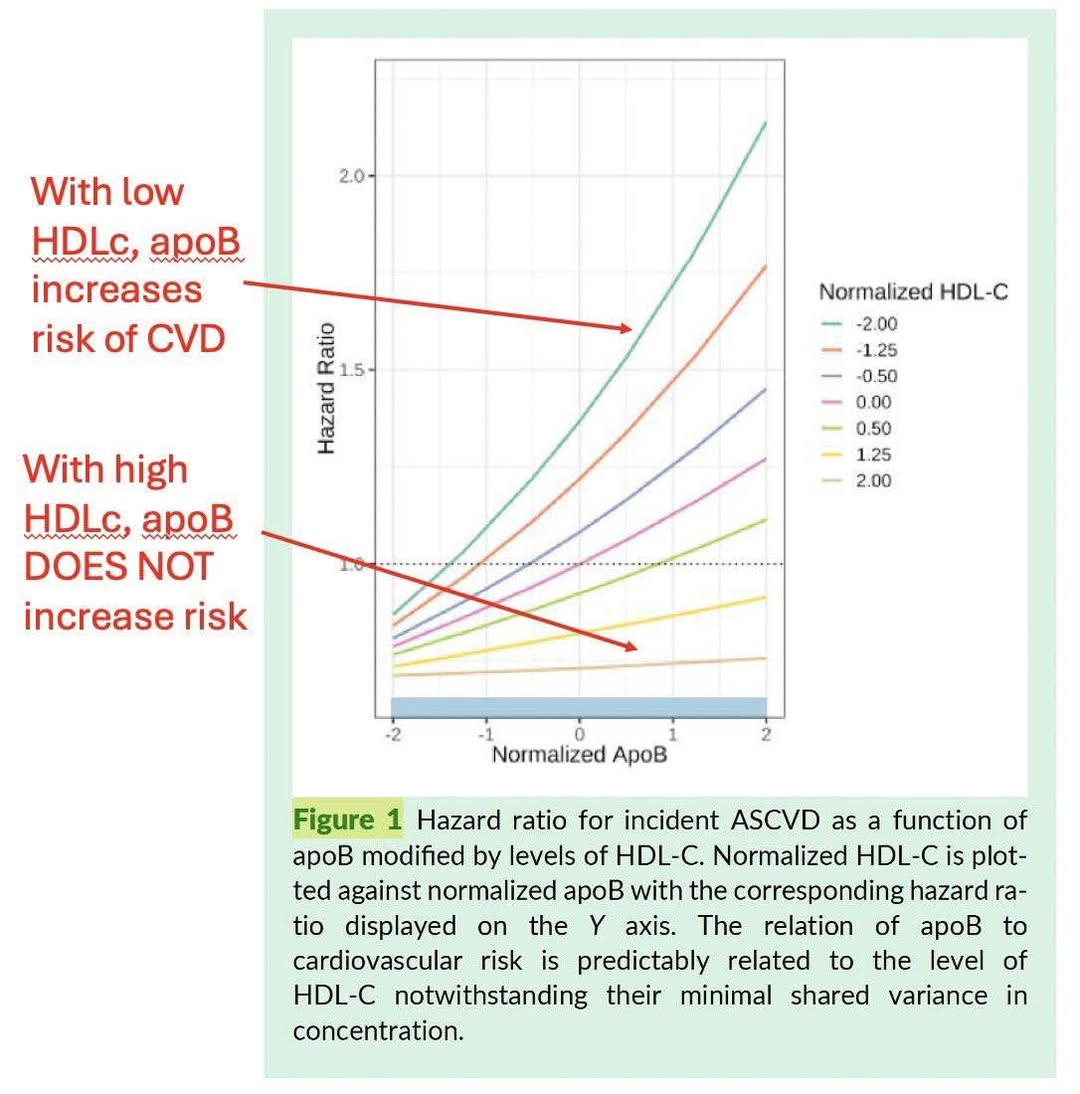
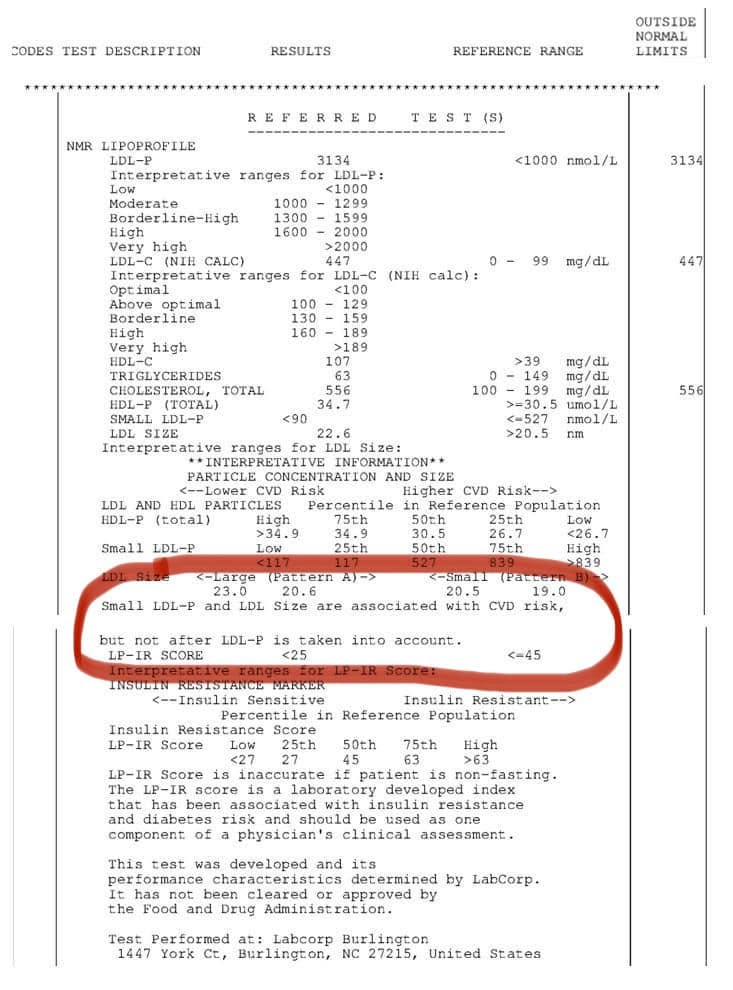
There are a lot more risk factors for heart disease than just LDL and ApoB. Some obvious examples are family history, blood pressure, smoking, excess body weight, chronic inflammation, poor diet, being sedentary, and metabolic syndrome (insulin resistance) or diabetes. There are likely dozens of other risk factors, some more important than others.
facebook.com/share/p/dokRWn2H1YPhgwe3
facebook.com/share/p/Lb3pKZdTkoUWdANi
Many of these risk factors can be targeted through diet & nutrition, exercise, and other lifestyle factors, as well as appropriately prescribed medication (e.g. for blood pressure and diabetes). There may also be a role for certain supplements and off-label drugs.
Remember that AGE is the biggest risk factor of all. Bigger than almost all other risk factors by over 10x, including LDL and ApoB. The aging process itself is likely the single biggest causal contributor to atherosclerosis in older people. Any real cure for heart disease would have to first address the role that the aging process itself plays in the pathogenesis of CVD.