Bempedoic Acid as A Potential Life Extension Drug
Study Overview: Bempedoic Acid Cardiovascular Outcomes Study
- Population: 4,206 statin-intolerant primary prevention patients at high cardiovascular risk
- Intervention: Bempedoic acid 180 mg daily vs. placebo
- Primary Outcome: Composite of cardiovascular death, nonfatal MI, nonfatal stroke, or coronary revascularization
Key Results
- Primary outcome: 30% reduction (HR 0.70, 95% CI 0.55-0.89)
- Cardiovascular death, MI, or stroke: 36% reduction (HR 0.64, 95% CI 0.48-0.84)
- Myocardial infarction (MI): 39% reduction (HR 0.61, 95% CI 0.39-0.98)
- Cardiovascular death: 39% reduction (HR 0.61, 95% CI 0.41-0.92)
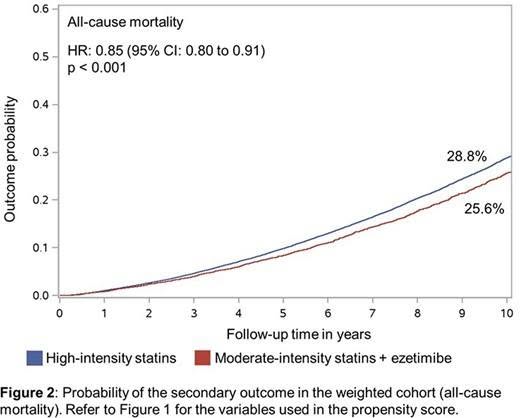
- All-cause mortality: 27% reduction (HR 0.73, 95% CI 0.54-0.98)
Mechanism of Action
- LDL cholesterol reduction: 21.3%
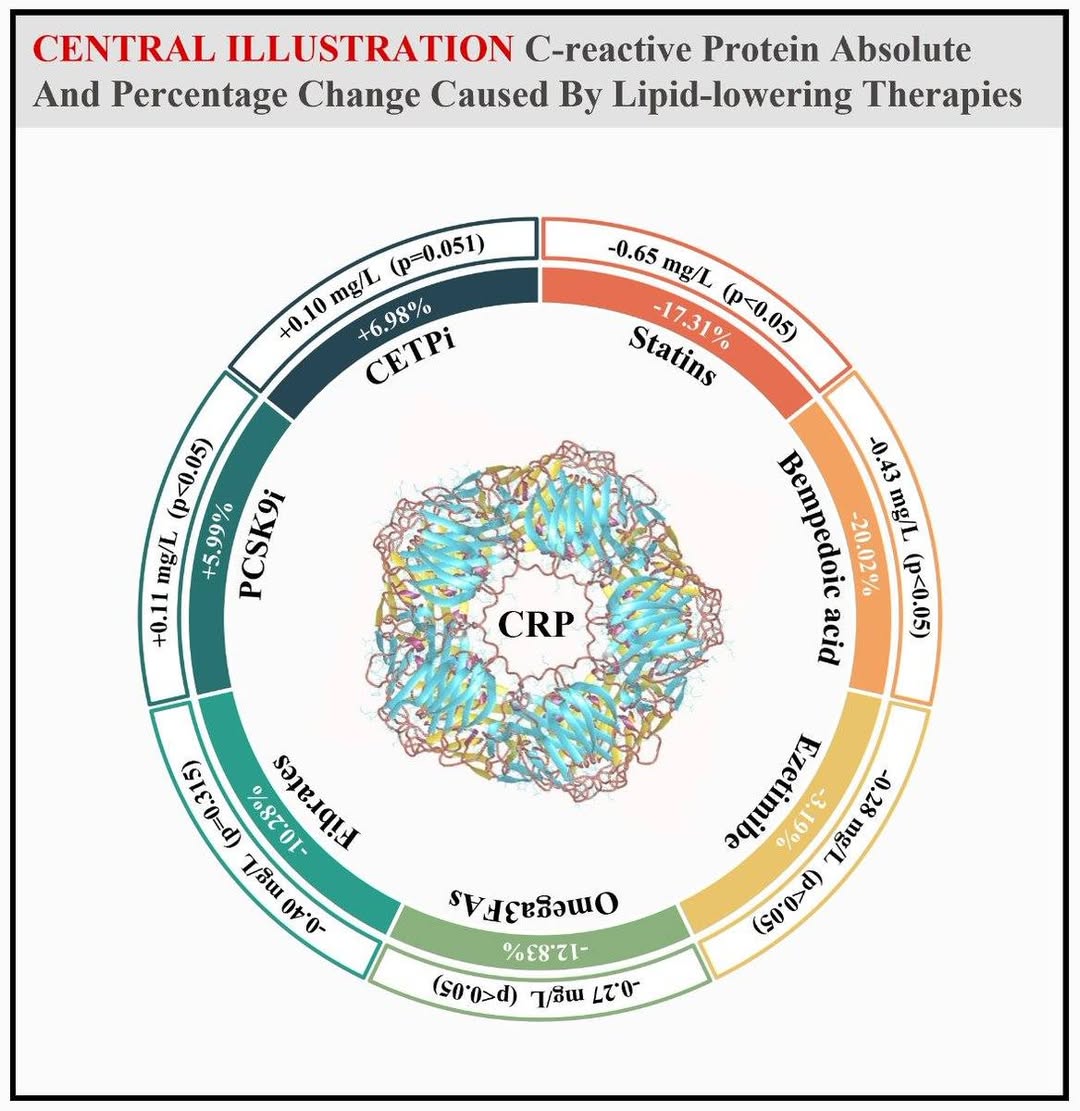
- High-sensitivity C-reactive protein reduction: 21.5%
Adverse Effects
- Increased incidence of gout and cholelithiasis
- Elevated serum creatinine, uric acid, and hepatic enzyme levels
ACLY and Cellular Senescence Study
- Identified ATP-citrate lyase (ACLY) as a key driver of age-related inflammation
- ACLY activates the senescence-associated secretory phenotype (SASP)
- Inhibiting ACLY reduced inflammation in aging cells and aged mice
Bempedoic Acid as a Potential Life Extension Drug
Mechanism
- Known action: Inhibits ATP-citrate lyase (ACLY)
- Dual action potential:Lowers cardiovascular risk through LDL reduction May suppress age-related inflammation by inhibiting ACLY
Addressing Hallmarks of Aging
- Dyslipidemia
- Chronic inflammation
- Potentially cellular senescence
Life Extension Potential
- Significant reductions in cardiovascular events and all-cause mortality suggest potential life extension in high-risk primary prevention patients intolerant to statins
- May have broader anti-aging effects beyond cardiovascular health
- Could influence other age-related conditions (e.g., dementia, diabetes)
Implications and Future Directions
- Need for long-term studies to confirm effects on lifespan and healthspan
- Importance of assessing long-term safety and optimal use in different populations
- Potential to extend healthspan by reducing age-related diseases
Conclusion
Bempedoic acid shows promise as a life extension drug due to its demonstrated cardiovascular benefits and potential to address fundamental aging processes through ACLY inhibition. Further research is needed to fully understand its long-term effects on overall lifespan and health span.
References
1
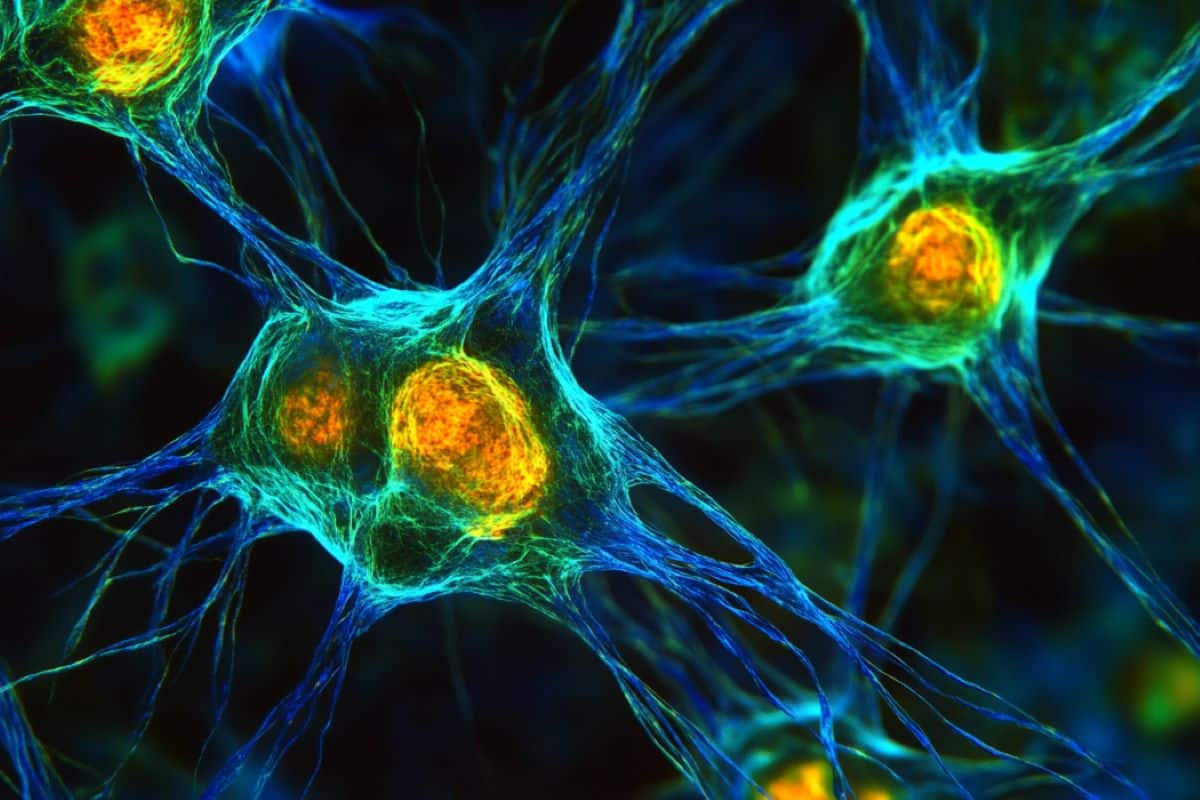 Neuroscience NewsKey Enzyme Found to Drive Inflammation in Aging Cells - Neuroscience NewsResearchers have discovered that the enzyme ATP-citrate lyase (ACLY) plays a critical role in driving the inflammatory process linked to aging, known as the senescence-associated secretory phenotype (SASP).neurosciencenews.com
2
Paper · JAMAJAMA articlejamanetwork.com3
Paper · Cell ReportsCell Reports articlecell.com4
ncbi.nlm.nih.govChecking your browser - reCAPTCHAncbi.nlm.nih.gov