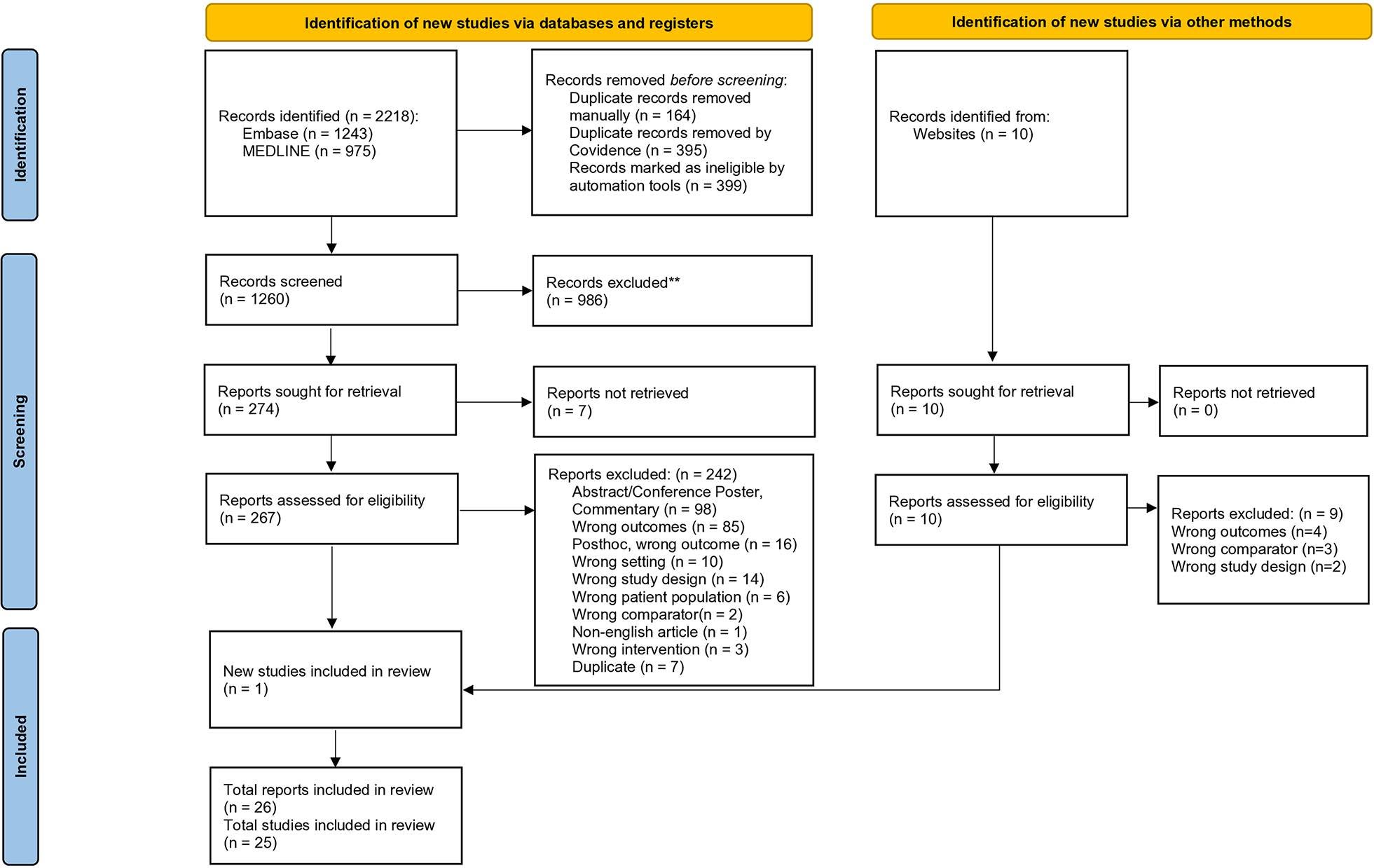
In a meta-analysis of 25 randomized trials:
GLP-1 agonist drugs reduce risk of having a heart attack by 14% compared to placebo, over a time period of 3.5 years.
They reduce cardiovascular mortality by 13%, MACE events by 13%, and stroke by 12%, compared to placebo.
This is true in a broad range of patients, either with or without diabetes. The higher the BMI, the larger the reduction in risk that was seen.
Note that these reductions are in addition to optimal treatment with other drugs like statins and blood pressure medication. The placebo and intervention groups in these studies were all on these other medications.
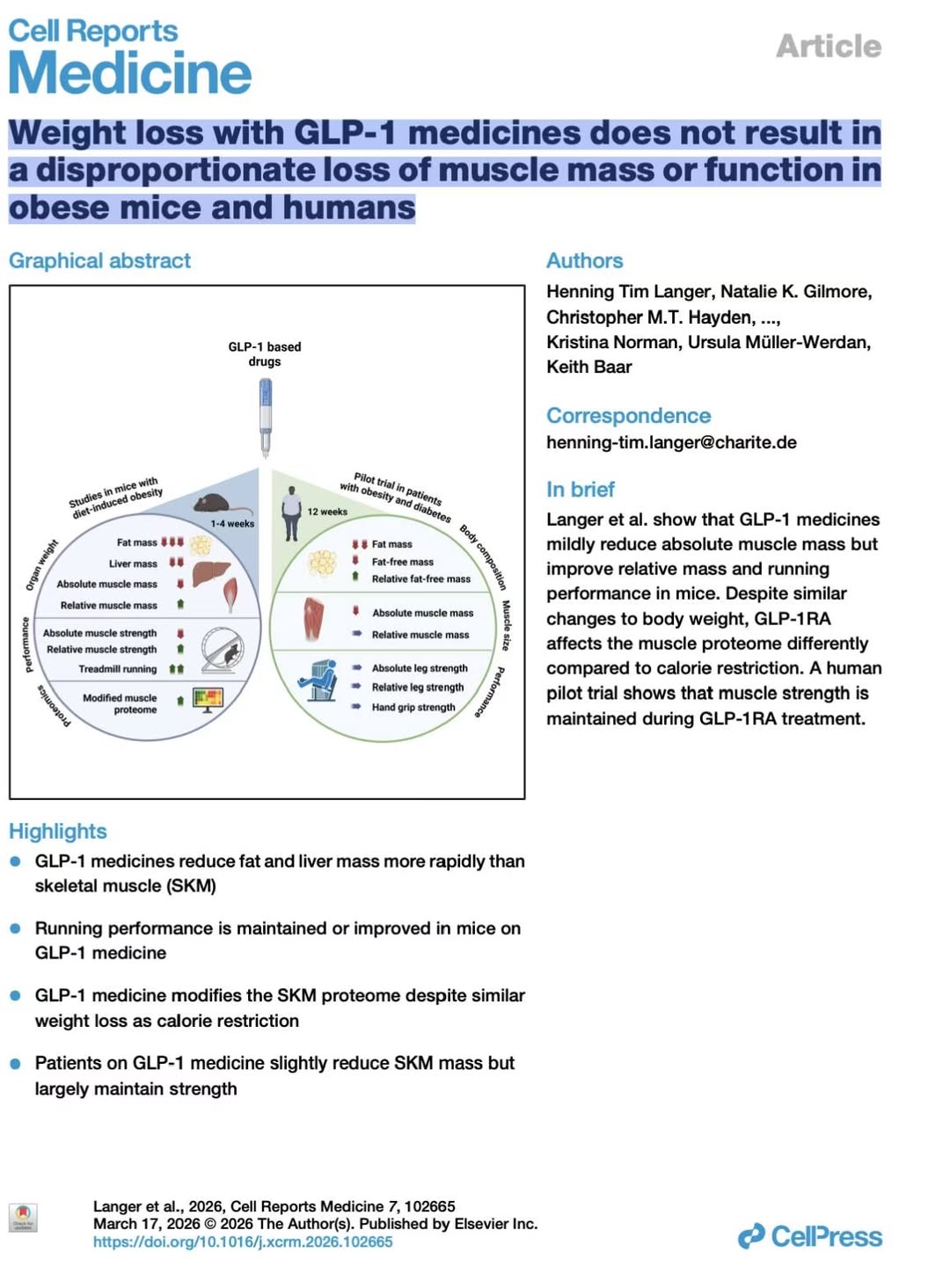
Paper · Cardiovasc Diabetol · 2025Glucagon-like peptide-1 receptor agonist in myocardial infarction and atherosclerotic cardiovascular disease risk reduction: a comprehensive meta-analysis of number needed to treat, efficacy and safetycardiab.biomedcentral.comThere is nothing magical about these drugs. They work by calorie restriction. You can likely get the same benefit by simply cutting calories and losing weight, if you stick with it long term.
Quoted:
“Glucagon-like peptide-1 receptor agonist in myocardial infarction and atherosclerotic cardiovascular disease risk reduction: a comprehensive meta-analysis of number needed to treat, efficacy and safety
Results-
109,846 patients from 25 unique studies were included. Over a follow-up duration of 3.48 ± 1.51 (1.55 to 5.47) years, GLP-1RA reduced the risk of total MI (RR: 0.86, p < 0.01), with numbers needed to benefit (NNTB) of 207 to prevent one event of MI. Higher body mass index was associated with greater MI risk reduction (β: -0.09, p = 0.03) in GLP-1RA users. GLP-1RA reduced cardiovascular mortality (RR: 0.87, p < 0.01, NNTB 170), MACE (RR: 0.87, p < 0.01, NNTB 67) and stroke (RR: 0.88, p < 0.01, NNTB 335) compared to placebo. GLP-1RA commonly resulted in gastrointestinal side-effects amongst other systems (RR: 1.55, p < 0.01, NNTH 9).
Conclusion-
GLP-1RA reduced the risk of MI, stroke, cardiovascular mortality and MACE in a broad range of patients with and without T2DM and/or prior ASCVD, supporting its role in ASCVD prevention, especially in the cohort with high BMI.”