Calprotectin is a marker of neutrophil activation.
It rises in association with arterial inflammation.
It appears to predict risk for CVD independent of traditional risk factors, and there are mechanistic reasons for why.
Quoted:
“There is growing evidence of the immune system’s pivotal role in the progression of atherosclerotic cardiovascular disease (ASCVD). Triggered by endothelial damage and lipid deposition, innate and adaptive immune cells become activated, leading to vascular inflammation and contributing to atherosclerotic plaque formation and progression [1]. This understanding has intensified research into links between the immune system and ASCVD development [1]. Innate immune cells, such as neutrophils and macrophages, are the first responders to tissue damage and are crucial in initiating inflammation and tissue repair [2,3]. Heightened neutrophil production appears to be a key factor in the development and progression of atherosclerotic plaques.”
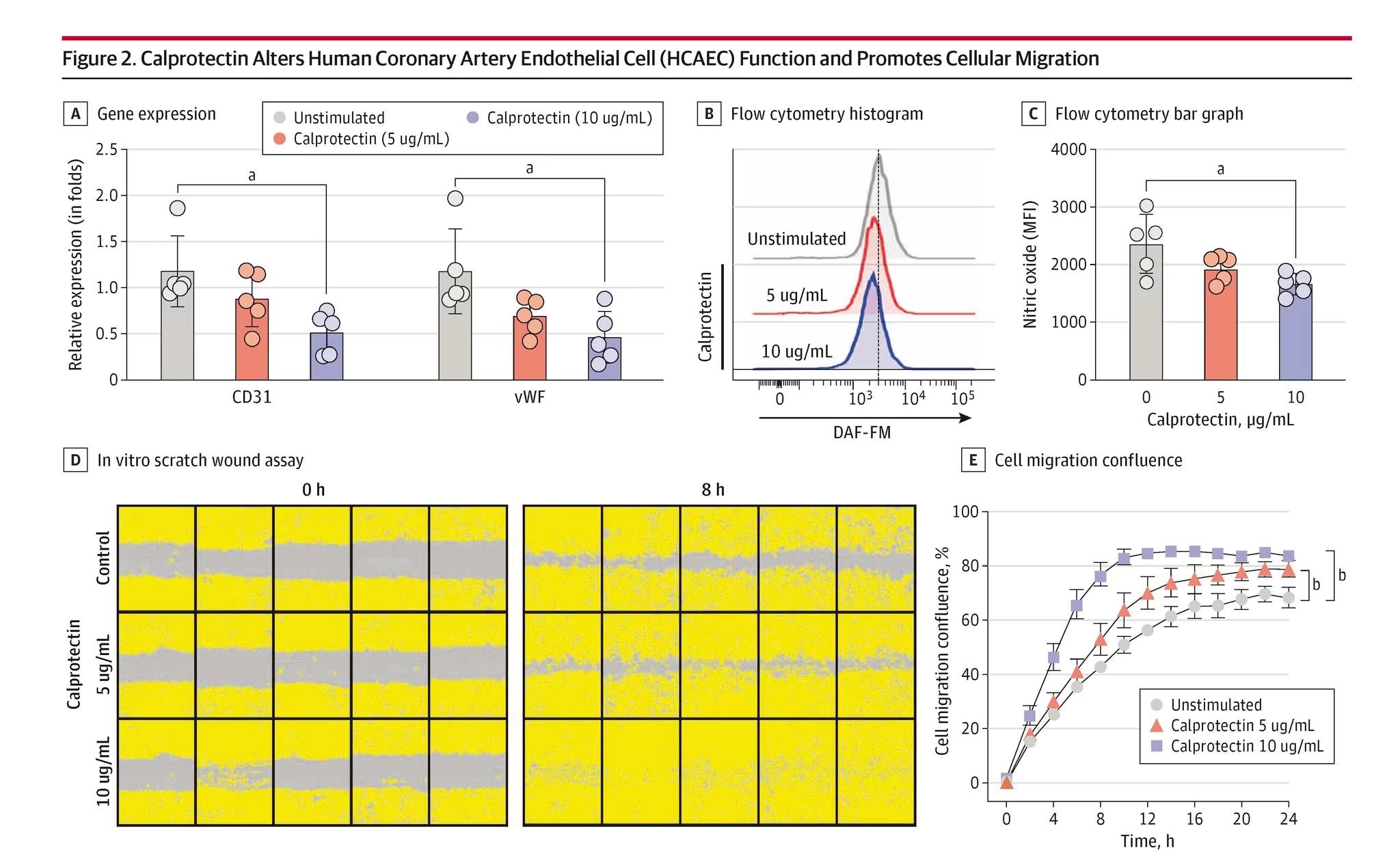
“Findings: High calprotectin levels were associated with an increased risk of ASCVD events over 8 years, even after adjusting for traditional cardiovascular risk factors as well as high-sensitivity C-reactive protein, N-terminal pro–brain natriuretic peptide, and high-sensitivity cardiac troponin T. Mechanistically, calprotectin impaired coronary endothelial integrity, reduced nitric oxide production, and promoted endothelial to mesenchymal transition.
Meaning: Calprotectin has the potential to be a mechanistically informed biomarker for ASCVD, independent of traditional and contemporary cardiovascular risk factors and biomarkers.”
#calprotectinHD #neutrophilsHD #inflammationHD #plaqueHD #endotheliumHD #nitricoxideHD