🫀 Heart Meds & The Bedroom: An Honest Deep Dive into Lipids, Libido, and Hormone Health
Let’s have a conversation that often gets skipped in the cardiologist’s office.
If you are managing high cholesterol (dyslipidemia), you’ve likely heard the whispers—or read the terrifying forums—claiming that statins and other lipid-lowering therapies will destroy your testosterone, kill your libido, or cause erectile dysfunction (ED).
It is a logical fear. After all, cholesterol is the building block of testosterone and estrogen. If we take drugs to aggressively lower cholesterol, are we starving our body’s ability to produce sex hormones?
We dug into the latest research—including massive clinical trials and the "n-of-1" SAMSON study—to separate the myths from the biochemistry. The results are surprising: For many people, treating cholesterol actually improves sexual function.
1. The "Supply Chain" Fear: Does Lowering Cholesterol Lower Testosterone?
To understand the fear, you have to understand the chemistry. Your body produces testosterone in a process called steroidogenesis. This process requires cholesterol as the raw material.
Because Statins (like atorvastatin or rosuvastatin) stop the liver from making cholesterol by inhibiting an enzyme called HMG-CoA reductase, the theory is that they might "shut down the factory."
The Reality:
Science shows a "yes, but..." result.
Comprehensive meta-analyses (studies of studies) have found that statin use is associated with a statistically significant reduction in total testosterone.
- The Number: The average drop is about 9–13 ng/dL.
- The Context: Normal testosterone levels range from 300 to 1,000 ng/dL. A drop of 13 points is biochemical "noise" for the vast majority of men. It is rarely enough to push a healthy man into hypogonadism (low T).
The Takeaway: While the biochemical number dips slightly, your body is incredibly resilient. Your cells prioritize making hormones over almost everything else. Unless you are already on the borderline of Low T, this small dip is usually imperceptible.
2. The Statin Paradox: Why Your Erections Might Get Better
Here is where the story gets fascinating. While statins might lower testosterone by a tiny fraction, they often improve erectile function.
How is that possible?
The Plumbing Matters More Than the Paint.
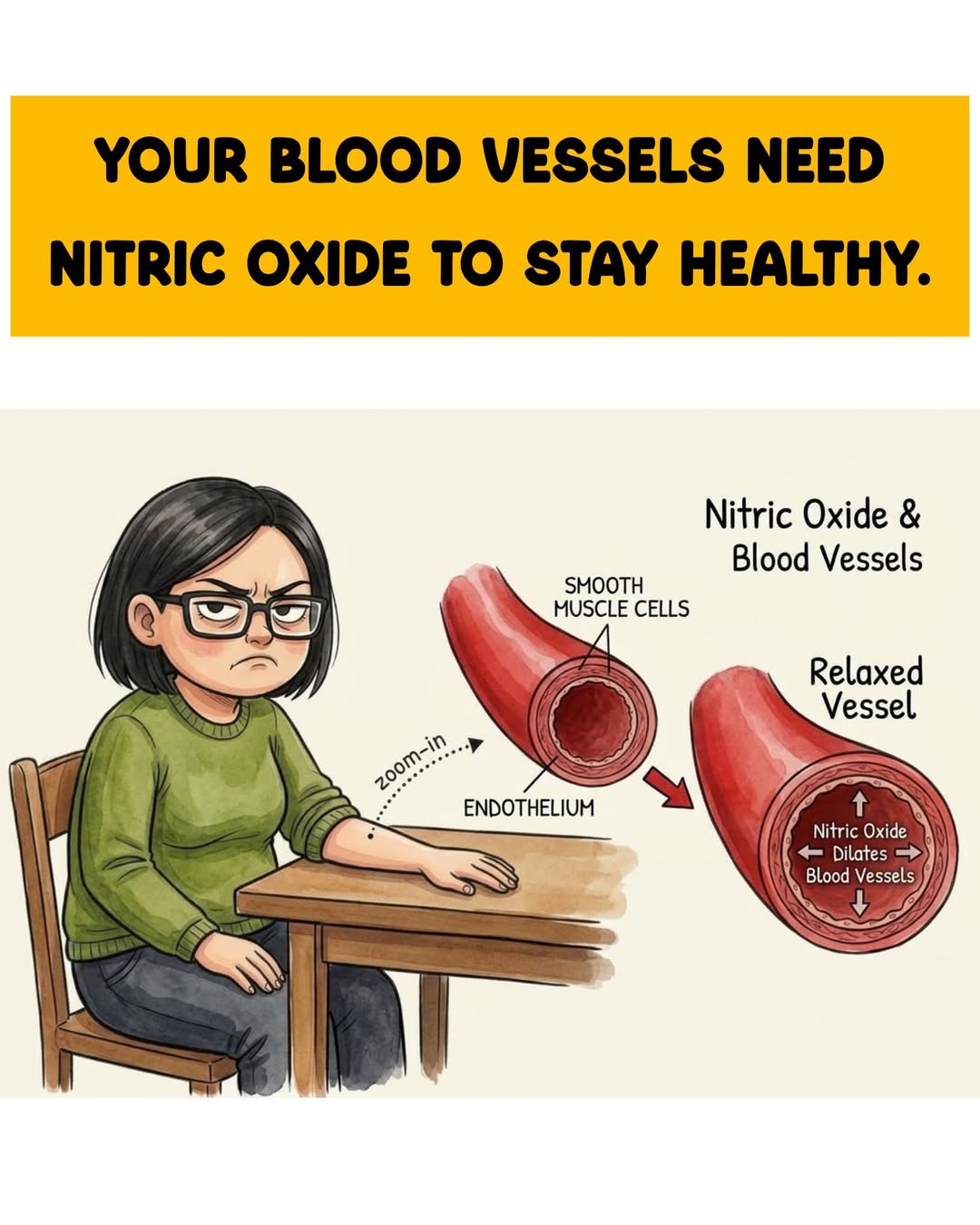
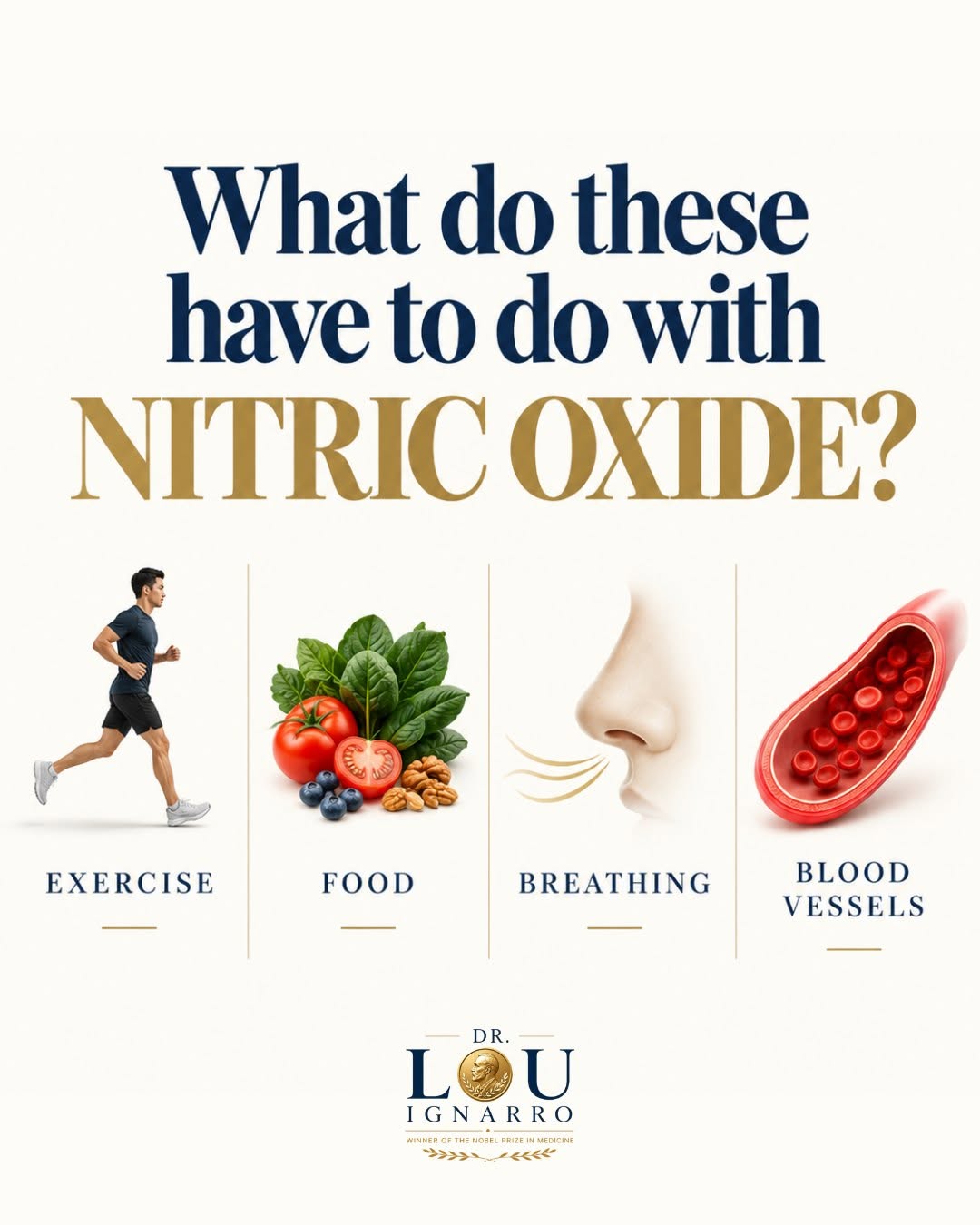
An erection is a hydraulic event. It requires blood flow. That blood flow is controlled by the endothelium (the inner lining of your blood vessels). When you are aroused, your endothelium releases Nitric Oxide (NO), which tells the blood vessels to relax and open up.
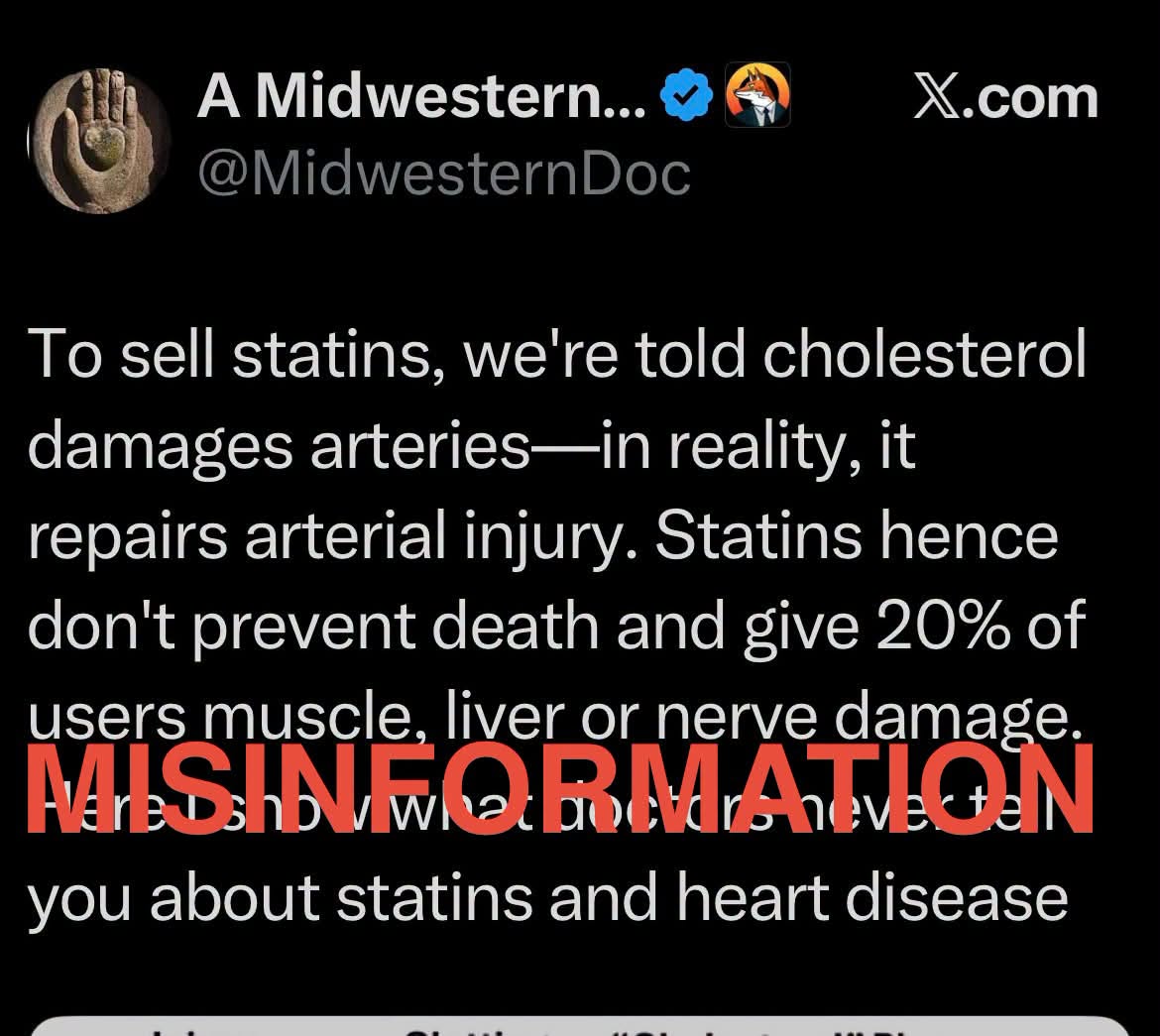
High cholesterol damages the endothelium. Oxidized LDL (ox-LDL) acts like rust in the pipes, reducing Nitric Oxide and increasing oxidative stress (specifically superoxide anions, or O_2^-). This is why Erectile Dysfunction is often the first sign of heart disease—it’s an early warning system that your arteries are struggling.
How Statins Help:
Statins are "pleiotropic," meaning they do more than just lower cholesterol. They:
- Rehabilitate the Endothelium: They boost the production of eNOS (endothelial nitric oxide synthase).
- Rescue the Response: They make the vessels more responsive to Nitric Oxide.
The Data:
Studies show that for men with high cholesterol and ED, statins improved their erectile function scores significantly—about one-third to one-half as much as taking a drug like Viagra would. In fact, if you are a "non-responder" to Viagra (meaning it doesn't work for you), fixing your lipids with a statin can actually make the Viagra work again by restoring the Nitric Oxide foundation it needs.
3. The "Nocebo" Effect: Is It All in Your Head?
We cannot talk about statin side effects without discussing the SAMSON Trial. This was a breakthrough study for anyone who has felt terrible on statins (muscle pain, brain fog, low libido) and felt great when they stopped.
In this trial, patients who had previously quit statins were given three bottles to use over a year:
- Statin
- Placebo (sugar pill)
- Empty bottle (no pill)
The Shocking Result:
Patients reported the exact same intensity of symptoms (including fatigue and libido issues) when taking the Placebo as they did when taking the Statin.
- The Nocebo Ratio: 90% of the symptoms were caused by the act of taking a pill, not the drug itself.
This doesn't mean the pain isn't real. It means the brain is powerful. Because we are told statins cause muscle pain and weakness, our brain generates those physical sensations. Understanding this allows many people to retake control and successfully restart therapy without fear.
4. The New Era: Non-Statin Options & The "Zero-LDL" Myth
Some people simply cannot tolerate statins, or statins alone aren't enough. What about the newer drugs?
PCSK9 Inhibitors (Repatha, Praluent)
These powerful injectable drugs can lower LDL to levels we’ve never seen before—sometimes below 20 mg/dL.
- The Fear: If cholesterol is that low, will my hormones crash?
- The Evidence: The FOURIER and OSLER trials looked exactly at this. Even with "ultra-low" LDL, there was no change in testosterone, estrogen, or cortisol production. Your glands are smart; they can pull the cholesterol they need from inside the cell, even if blood levels are low.
- Bonus: In patients with Familial Hypercholesterolemia (genetic high cholesterol), PCSK9 inhibitors actually improved sexual health scores by reversing arterial stiffness.
Ezetimibe (Zetia)
The gentle add-on. It blocks cholesterol absorption in the gut.
- Verdict: Expected to be neutral. It has no impact on hormones or sexual function. It is one of the safest drugs in the arsenal. In one study, replacing high dose statin with low dose statin + ezetimibe significantly improved testosterone by 20%.
5. A Note for Women: Libido and Menopause
Most studies focus on men, but women suffer from CVD too.
Many women report a drop in libido when starting statins. However, this often coincides with the age of perimenopause or menopause.
- The Science: Large studies show that while "desire" scores might dip slightly on statins, "orgasm" satisfaction scores often improve (likely due to that better blood flow mentioned earlier!).
- The Strategy: Before blaming the med, talk to your doctor about whether hormonal shifts related to menopause are the primary driver.
The Bottom Line
The narrative that "cholesterol meds kill your sex life" is largely a myth.
While statins cause a tiny dip in testosterone, they compensate by healing the arteries that make sex physically possible. Newer drugs like PCSK9 inhibitors and Bempedoic Acid offer potent alternatives with zero hormonal impact.
Protecting your heart ensures you have the stamina and vascular health to enjoy your life, in and out of the bedroom, for decades to come.
References:
docs.google.comGoogle Docdocs.google.com