Harvest of Doubt: Navigating the Science and Safety of Glyphosate
Glyphosate, the active ingredient in herbicides like Roundup, stands as the most heavily used agricultural chemical in history. Its journey from a novel herbicide in 1974 to a globally ubiquitous compound is a story of technological synergy, intense debate, and growing public health concern. A comprehensive analysis of its usage trends, the conflicting scientific assessments of its safety, and its pervasive presence in the food supply reveals a complex picture with significant implications for consumers and policymakers.
The Rise of a Global Herbicide: Usage and Drivers
Glyphosate's ascent was not gradual; it was explosive, driven almost entirely by the introduction of genetically modified (GM) "Roundup Ready" crops in 1996. These crops, engineered to withstand the herbicide, allowed farmers to spray entire fields, killing weeds without harming their primary crop. This paradigm shift caused global glyphosate use to surge by nearly 15-fold. Of the 8.6 billion kilograms of glyphosate ever used worldwide, an astonishing two-thirds of it was applied in the single decade from 2004 to 2014.
In the United States, which accounts for nearly 20% of global use, over 280 million pounds are now applied annually. This application is heavily concentrated in the Midwest on GM corn and soybeans, which constitute over 90% of their respective crops.
However, a second, critical agricultural practice is a primary driver of glyphosate's presence in food: pre-harvest desiccation. This involves spraying glyphosate on non-GM crops like oats, wheat, and legumes (chickpeas, lentils) shortly before harvest. The herbicide kills the plant, causing it to dry down quickly and uniformly, which facilitates an earlier and more efficient harvest. This direct application onto the grains and beans destined for human consumption is the main reason why many non-GM foods carry the highest residue levels.
The Scientific Schism: Conflicting Safety Assessments
The central controversy surrounding glyphosate is whether it causes cancer. The world's leading scientific and regulatory bodies have arrived at starkly different conclusions, a discrepancy rooted in different methodologies and philosophies.
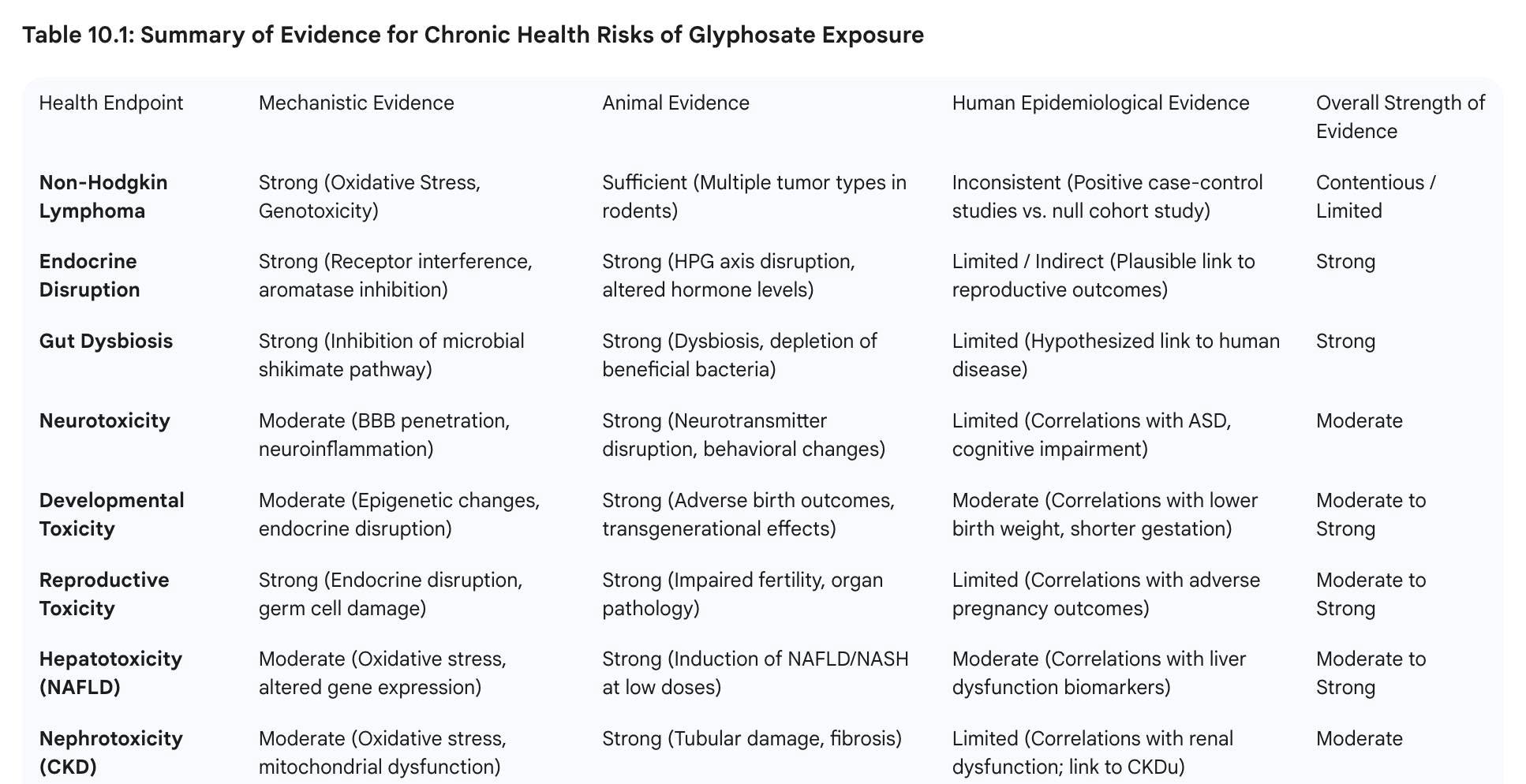
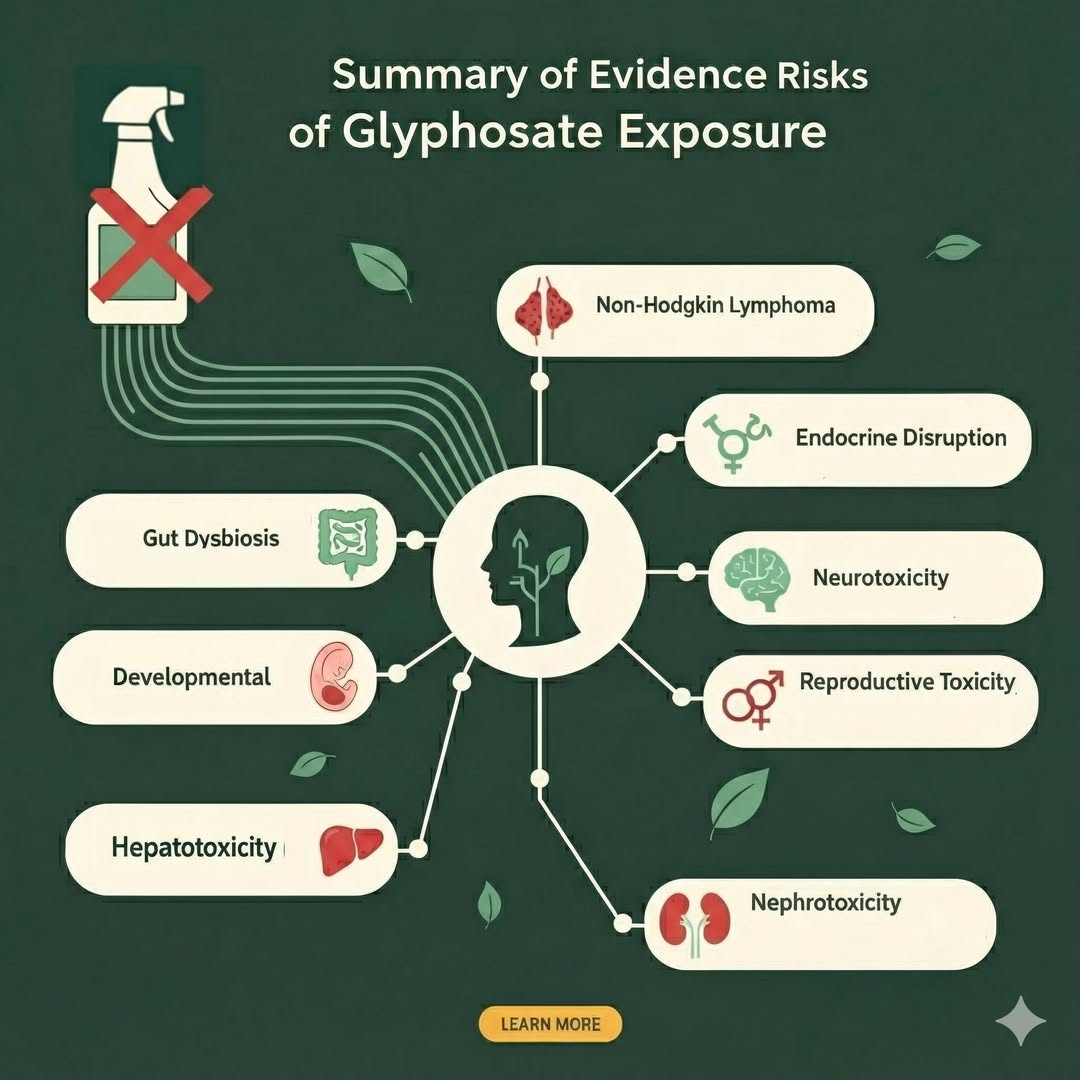
- The International Agency for Research on Cancer (IARC): In 2015, this specialized cancer agency of the World Health Organization classified glyphosate as "probably carcinogenic to humans" (Group 2A). This conclusion was based on a hazard assessment—evaluating whether the substance can cause cancer under certain conditions—using only publicly available, peer-reviewed studies. IARC found "limited" evidence linking high occupational exposure to Non-Hodgkin Lymphoma (NHL) in humans, "sufficient" evidence of tumors in lab animals, and "strong" evidence that glyphosate can cause DNA damage (genotoxicity).
- The U.S. Environmental Protection Agency (EPA) & European Food Safety Authority (EFSA): In contrast, these regulatory bodies have concluded that glyphosate is "not likely to be carcinogenic to humans." Their conclusions are based on a risk assessment, which evaluates the probability of harm under real-world exposure levels. These agencies consider a larger body of evidence, including proprietary studies submitted by the herbicide manufacturers. They argue that the weight of evidence, including large epidemiological studies like the Agricultural Health Study (AHS), does not show a clear causal link between glyphosate and cancer at expected exposure levels.
This fundamental difference between hazard vs. risk assessment is the primary source of public confusion. IARC identifies a potential danger, while regulators like the EPA assess the likelihood of that danger manifesting and have deemed it acceptably low.
Beyond Cancer: Emerging Health Concerns
While the cancer debate dominates headlines, emerging science points to other significant health risks, challenging the foundational argument that glyphosate is safe for humans because we lack the "shikimate pathway" it targets in plants.
- Gut Microbiome Disruption: This is perhaps the most significant emerging concern. The bacteria in the human gut do possess the shikimate pathway. Glyphosate was patented as an antibiotic, and studies show it can act as one in the gut, selectively killing beneficial bacteria while sparing harmful ones. This can lead to gut dysbiosis (an imbalanced microbiome), a condition linked to inflammatory bowel disease, obesity, and even neurological disorders. Research suggests these effects can occur at levels currently permitted by regulators. The exposure is analogous to chronic, low-dose antibiotic use, which is known to be detrimental to long-term health.
- Neurotoxicity: Animal studies suggest glyphosate can cross the blood-brain barrier, inducing neuroinflammation, oxidative stress, and cell death. While human evidence is preliminary, some studies have noted a correlation between prenatal glyphosate exposure and an increased risk for autism spectrum disorder.
Glyphosate on the Plate: Food Contamination
Testing by government agencies and independent groups has confirmed glyphosate's widespread presence in the food supply, with contamination concentrated in specific categories.
The highest and most frequent residues are found in foods derived from crops that undergo pre-harvest desiccation:
- Oats and Oat-Based Products: Conventional oatmeal, oat cereals (like Cheerios and Quaker products), and granola bars consistently show the highest levels, with some samples containing over 2,800 parts per billion (ppb).
- Legumes: Conventional chickpeas, hummus, and lentils are also highly contaminated. Tests have found over 2,000 ppb in popular hummus brands and levels approaching the legal limit in dry chickpeas.
- Wheat Products: Wheat-based products like pasta, crackers, and bread also contain detectable glyphosate, though typically at lower levels than oats.
It is crucial to understand the conflict between legal limits and health benchmarks. The EPA's legal tolerance for glyphosate in oats is 30,000 ppb. In contrast, the Environmental Working Group (EWG) has set a health-protective benchmark of 160 ppb, which includes an extra safety margin for children. Many popular foods, while perfectly legal, contain glyphosate at levels hundreds or thousands of times higher than this health benchmark.
Applying the Precautionary Principle: Recommendations for Action
The precautionary principle states that when an activity raises threats of harm to human health or the environment, protective measures should be taken even if some cause-and-effect relationships are not fully established scientifically. Given the legitimate scientific dispute over glyphosate's carcinogenicity and the growing evidence of other harms (particularly to the gut microbiome), a precautionary approach is warranted.
Recommendations for Individuals and Families
##
- Prioritize Organic for High-Risk Foods: The single most effective step to reduce dietary glyphosate exposure is to choose certified organic versions of the most contaminated foods: oats, chickpeas/hummus, lentils, and wheat products. Organic farming prohibits the use of glyphosate. While trace contamination from environmental drift is possible, levels are drastically lower than in conventional products.
- Diversify Your Grains: Reduce over-reliance on wheat and oat-based foods. Incorporate a wider variety of grains like quinoa, millet, buckwheat, and sorghum, which are not typically desiccated with glyphosate.
- Avoid Personal Use: Eliminate the use of glyphosate-based herbicides (like Roundup) for lawn and garden care. This removes a direct and significant route of exposure for families and pets.
Recommendations for Public Policy and Agriculture
##
- Ban Pre-Harvest Desiccation: The use of glyphosate as a drying agent is a practice of convenience, not necessity. Prohibiting this single application would eliminate the largest source of high-level dietary glyphosate exposure. This is the most impactful and targeted policy change available.
- Re-evaluate EPA Tolerances: The EPA's legal limits for glyphosate in food should be re-evaluated based on the latest independent science, particularly the emerging evidence on gut microbiome disruption and endocrine effects. The current tolerances, some of which were raised to accommodate desiccation, do not reflect these modern scientific concerns.
- Increase Independent Research and Monitoring: Federal funding should be directed toward independent, long-term studies on the health effects of low-dose glyphosate exposure. Furthermore, the USDA and FDA should conduct routine, transparent, brand-level testing for glyphosate in the food supply to provide consumers with actionable information.
- Incentivize Alternatives: Agricultural policy should shift to support farmers in transitioning to regenerative and organic farming systems that build soil health and reduce or eliminate the need for chemical herbicides.
In conclusion, the body of evidence surrounding glyphosate reveals a chemical that is far from benign. While scientific debate on its carcinogenicity continues, the documented risks to the gut microbiome and the pervasive contamination of staple foods justify a decisive shift toward a more precautionary approach to protect public health
docs.google.comGoogle Docdocs.google.com