HD-OPM Archive
Hashtags

#publichealth

20 posts

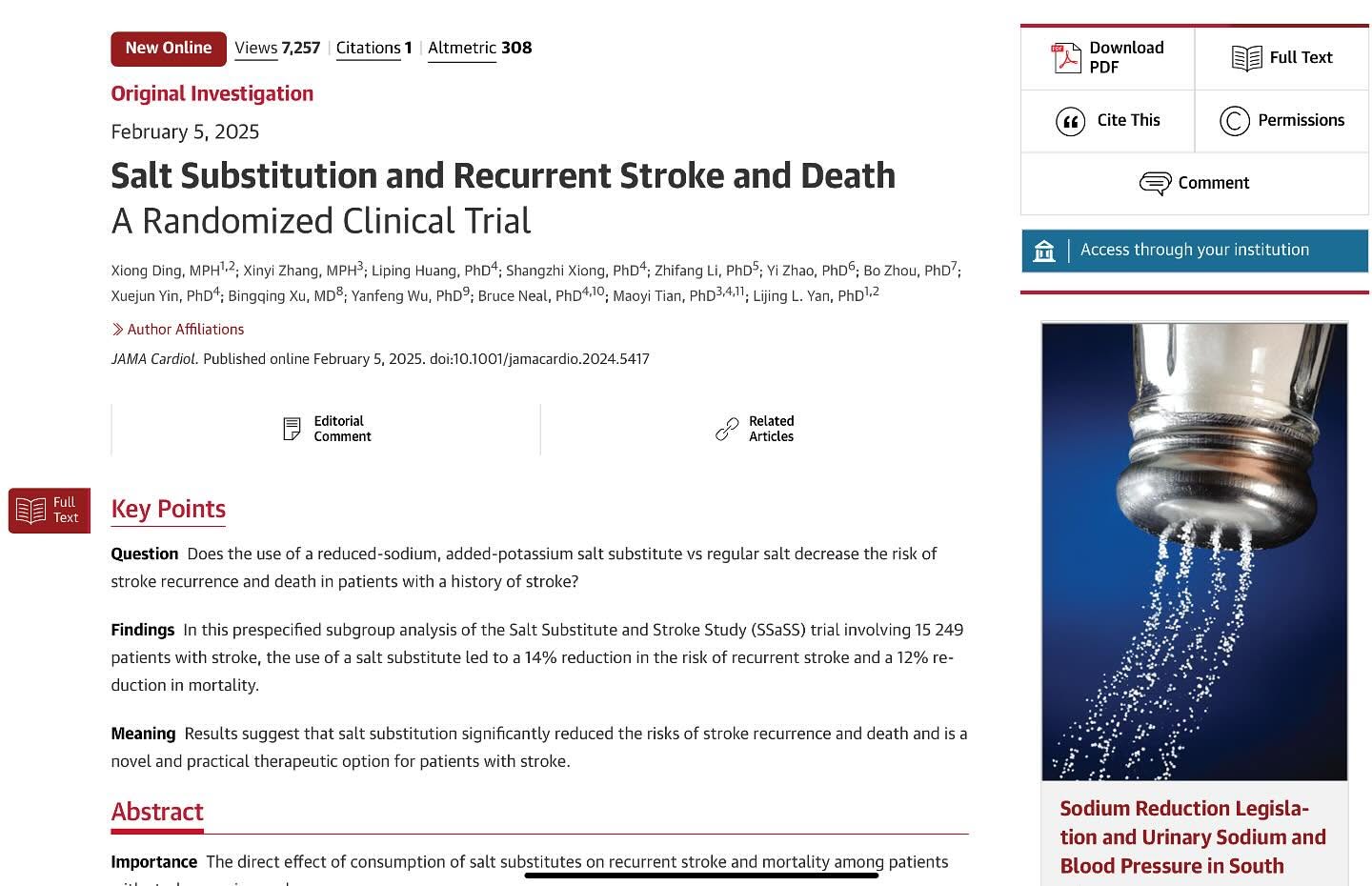
SSaSS in stroke survivors: potassium salt substitute cut recurrent stroke 14%, deaths 12%

Mar 13, 2025 · Louis Nervegna ♥ 10 · 💬 12 Blood pressure, salt & potassium

Louis shares Luigi Fontana's summary of a cluster randomized trial in 15,249 stroke patients in northern China, in which a low-sodium, potassium-enriched salt substitute reduced recurrent stroke and death with no increase in hyperkalemia. Louis personally uses a 50/50 sodium chloride and potassium chloride blend that tastes nearly like regular salt.

Upcoming RCT will test red wine vs CVD; Louis explains why he drinks mild red wine

Jun 10, 2025 · Louis Nervegna ♥ 17 · 💬 7 Alcohol, smoking & vaping

Louis announces a planned 5-year randomized trial of red wine and cardiovascular disease, run in PREDIMED style by the same principal investigator, with cancer and all-cause mortality as secondary endpoints. Meanwhile he drinks red wine several days a week, citing PREDIMED data where a biomarker of mild-to-moderate wine intake was linked to 50% lower risk. This is a personal view, not proof of benefit.

White potatoes: short-term endothelial decline (MODERATE) and more hypertension in cohorts

Apr 19, 2026 · Louis Nervegna ♥ 12 · 💬 7 Blood vessels, circulation & endothelium

Summarizes the MODERATE trial, where participants who ate boiled, baked or mashed potatoes in the previous 24 hours had 1.7% lower flow-mediated dilation, roughly the 1.2%-per-decade aging decline for 14 years, as a short-term effect. It is linked to cohort data (Nurses' Health Studies and Health Professionals) tying baked, boiled or mashed potatoes to hypertension.

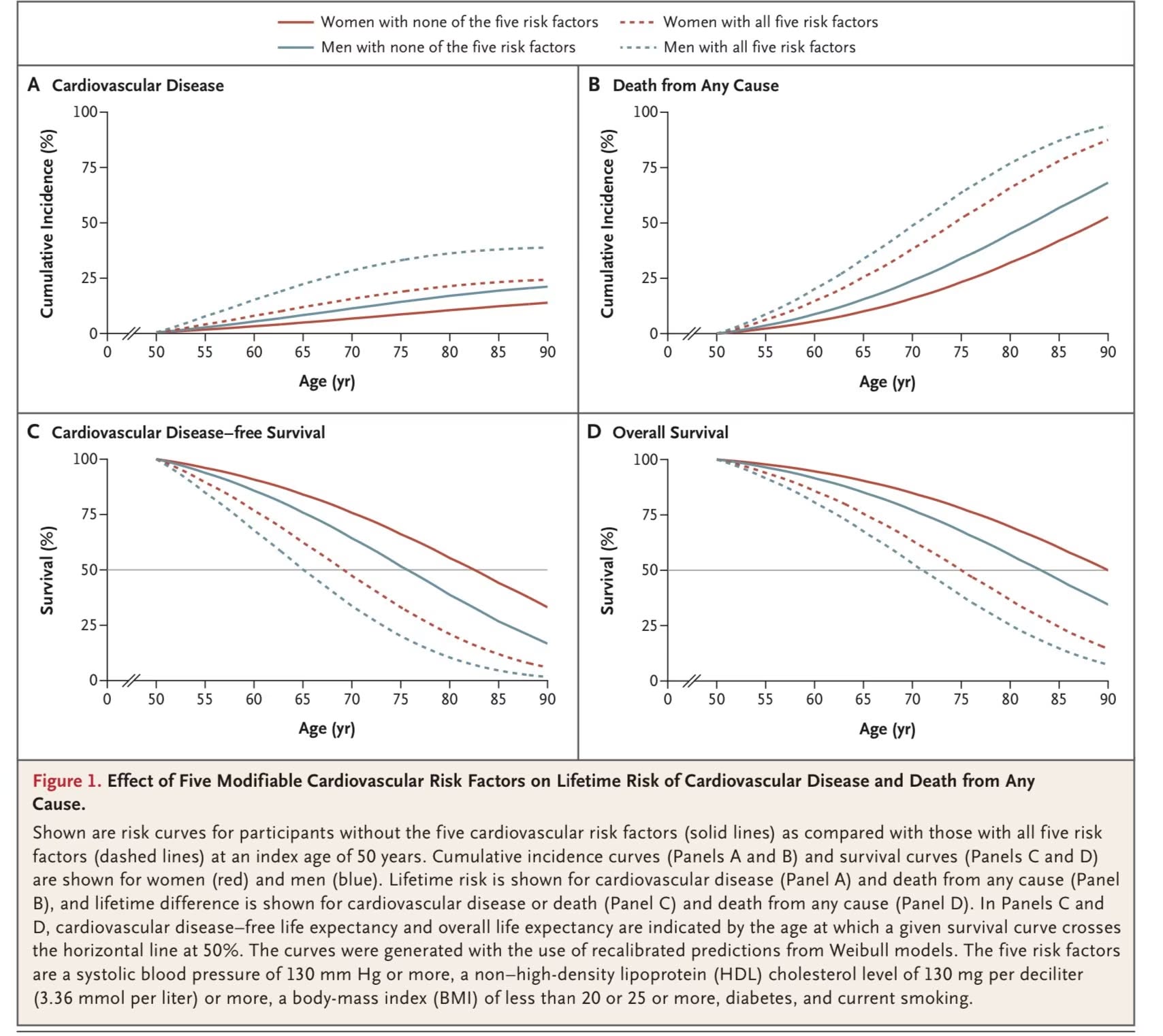
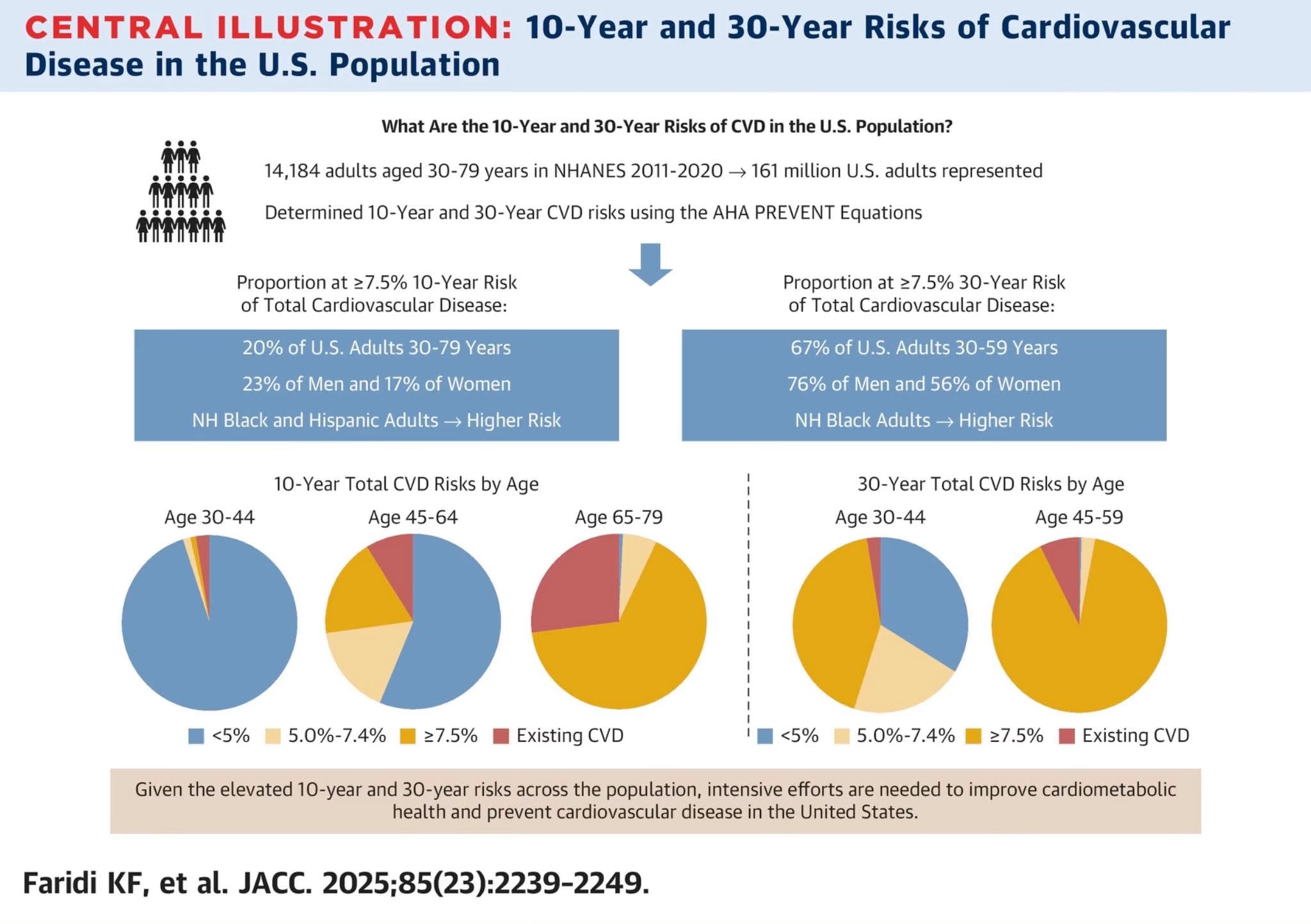
No risk factors at 50 meant up to 13.3 more CVD-free years in a 2M-person NEJM analysis

Apr 25, 2025 · Louis Nervegna ♥ 20 · 💬 1 Cardiovascular disease: the big picture

Luigi Fontana's summary of a NEJM pooled analysis of over 2 million people in 39 countries on blood pressure, non-HDL cholesterol, BMI, diabetes and smoking. At age 50, no risk factors versus all five meant up to 13.3 more CVD-free years and lower lifetime CVD risk; modifying risk factors at 55-60 still helped. Only about half of CVD events are attributable to the five classic factors.

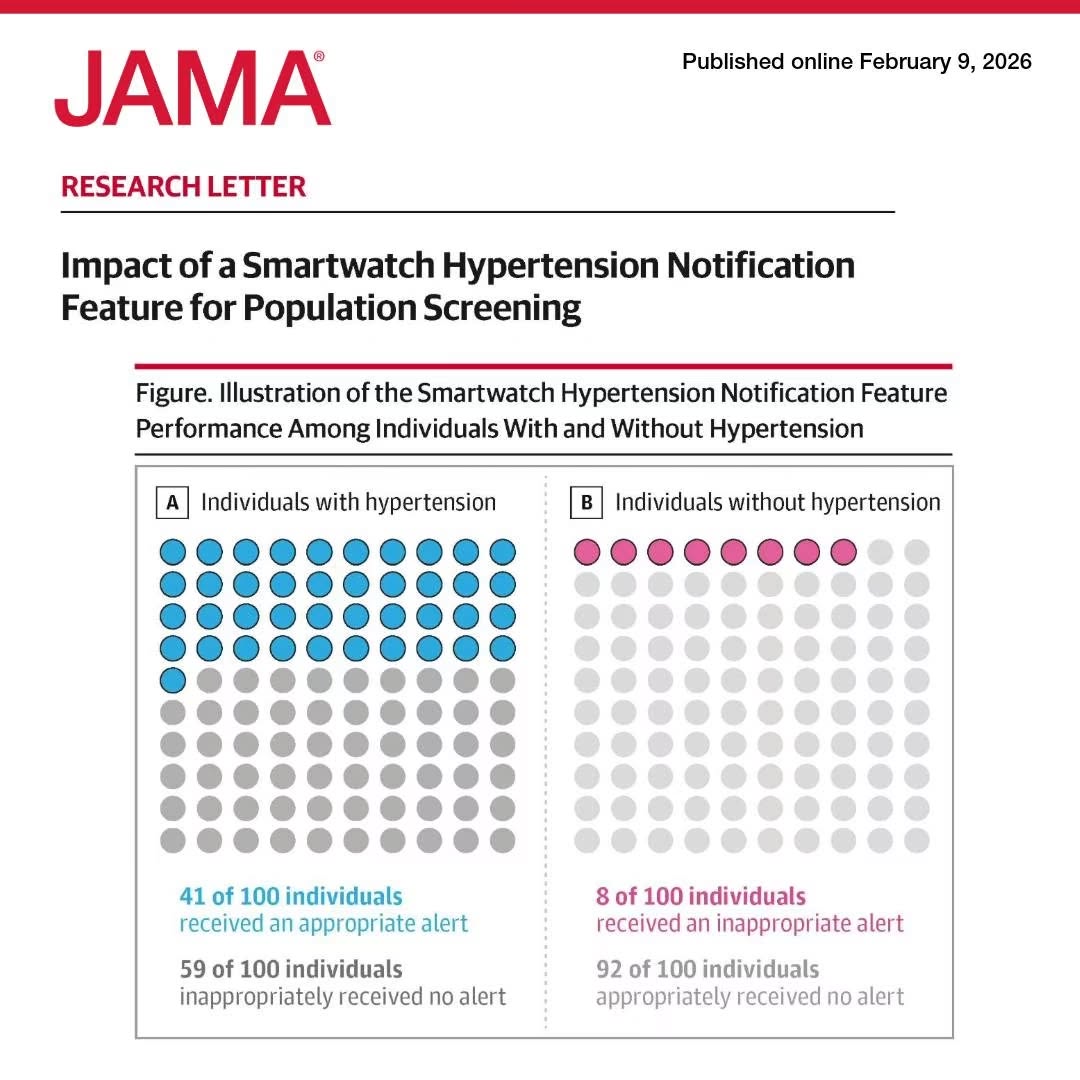
Apple Watch hypertension alerts: 69% of alerts correct, 79% of non-alerts correct

Feb 15, 2026 · Gokhan Can ♥ 7 · 💬 5 Blood pressure, salt & potassium

Shares a JAMA Cardiology analysis of the FDA-cleared Apple Watch hypertension notification using Apple's reported performance on national survey data: 69% of people alerted would have hypertension and 79% not alerted would not. Admin judges it better than relying on a doctor to catch it but worse than a proper cuff; cuff measurement remains the diagnostic standard.

Nuts, seeds and corn did not raise diverticulitis risk in nearly 30,000 women

May 09, 2025 · Louis Nervegna ♥ 15 · 💬 2 Nuts, fish, coffee, tea, cocoa & other foods

Louis shares Luigi Fontana's summary of a large prospective cohort study in women showing that eating nuts, seeds, corn or seeded fruit did not increase diverticulitis risk, while healthy diet patterns (DASH, Mediterranean-style) were linked to lower risk. He notes his mother with diverticulosis was told to avoid nuts for years. Peripheral to heart health but relevant to nut-eating advice.

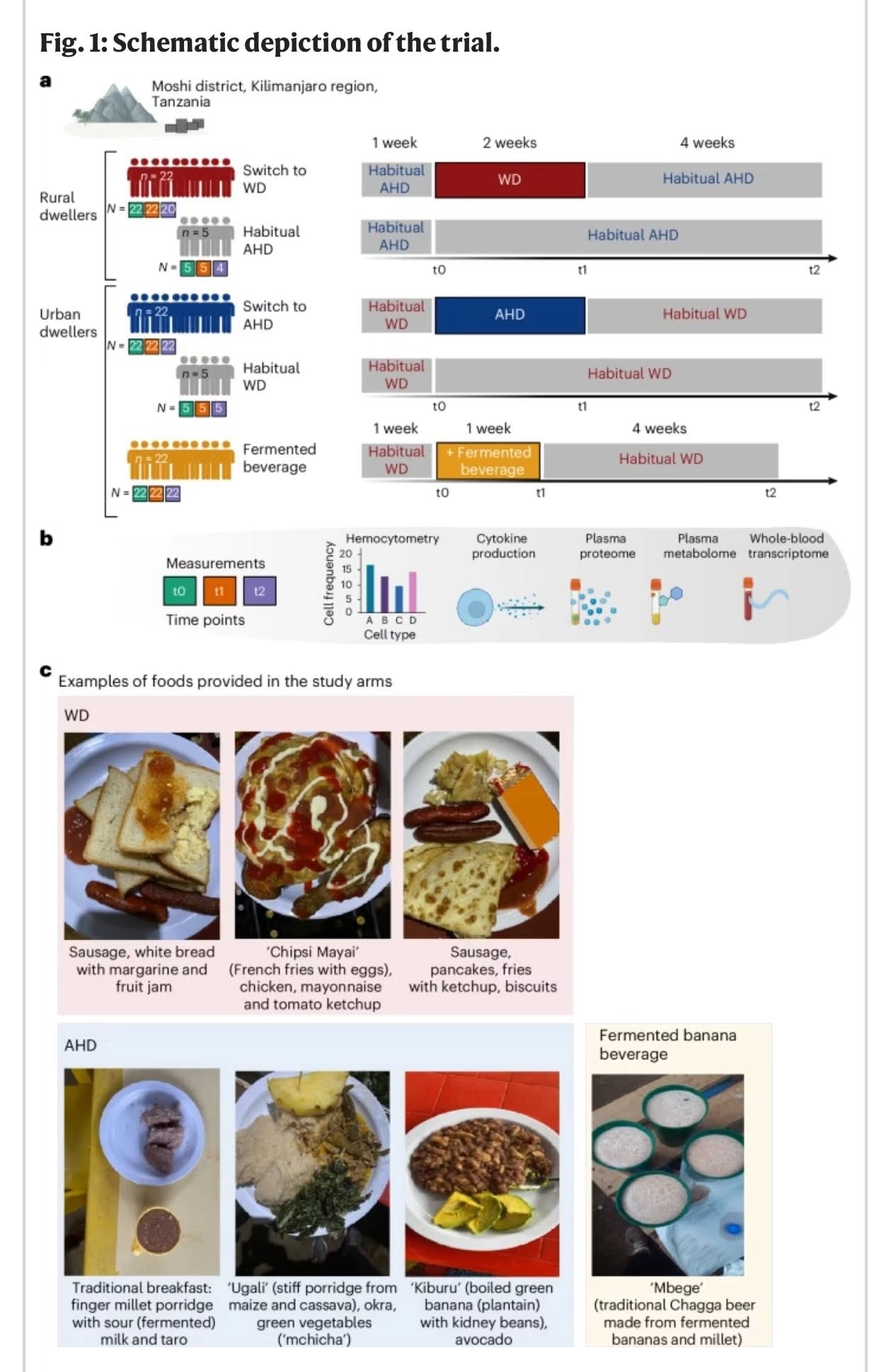
Swapping to a Western diet for weeks raised inflammation in a Tanzanian multiomics trial

Jun 04, 2025 · Louis Nervegna ♥ 5 · 💬 1 Mediterranean, DASH, MIND & plant-forward diets

A Nature Medicine study of 77 healthy Tanzanian men tested a switch between a traditional Kilimanjaro diet and a Western diet, plus a Western diet with the fermented banana drink mbege. The Western diet quickly increased weight and inflammatory and cardiometabolic proteins, while the heritage diet and mbege reduced inflammatory markers.

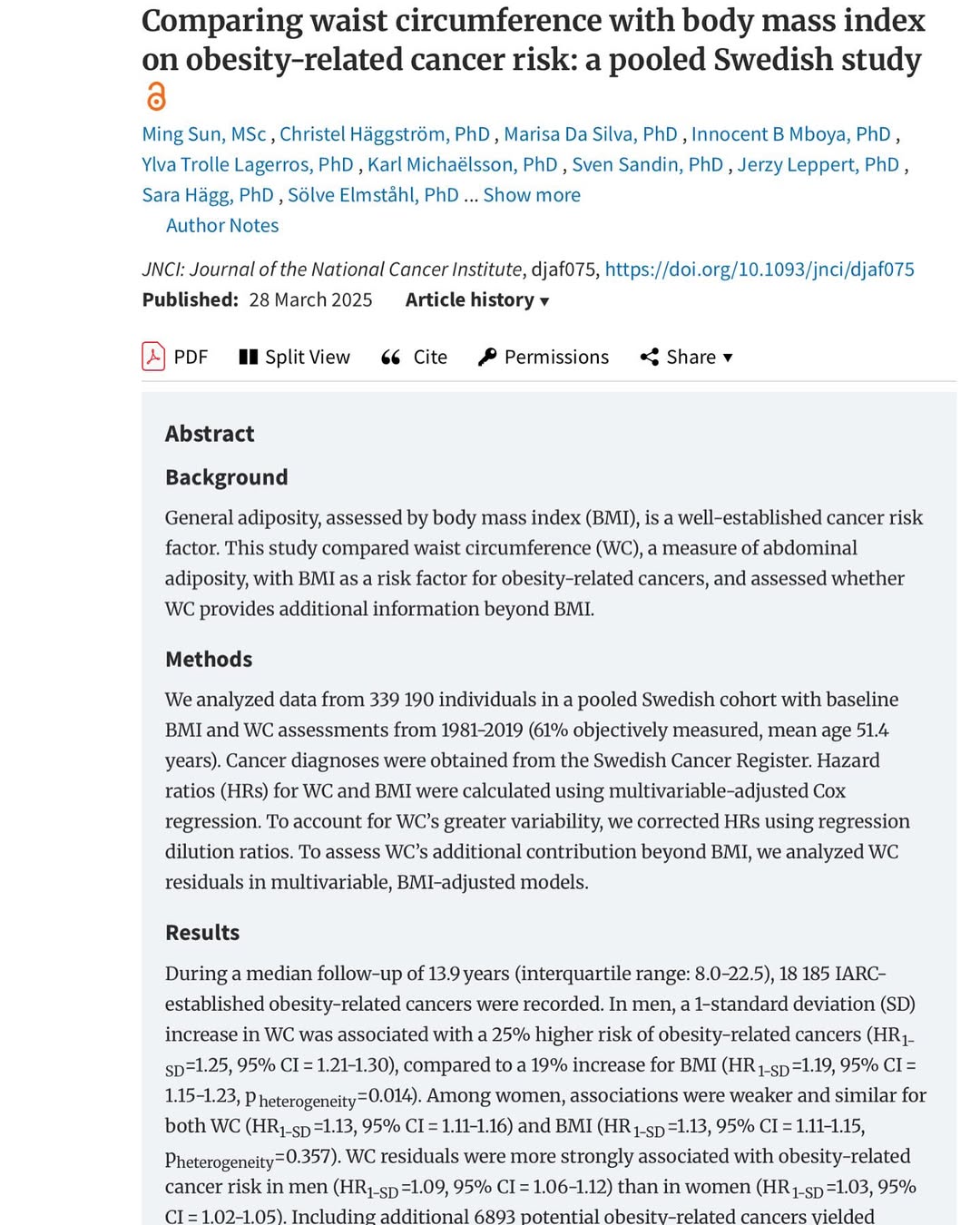
Waist circumference beat BMI for predicting obesity-related cancer in 339,000 Swedish men

Apr 16, 2025 · Louis Nervegna ♥ 2 Weight, visceral & liver fat

Luigi Fontana's summary of a large Swedish cohort showing waist circumference was a stronger predictor of obesity-related cancer than BMI in men, with added value after adjusting for BMI; the link was weaker in women. He argues abdominal fat signals metabolic dysfunction and should prompt deeper evaluation. Primarily cancer, linked to visceral fat.