(no text — see the shared post below)
Not all fat is equal—especially when it comes to cancer risk.
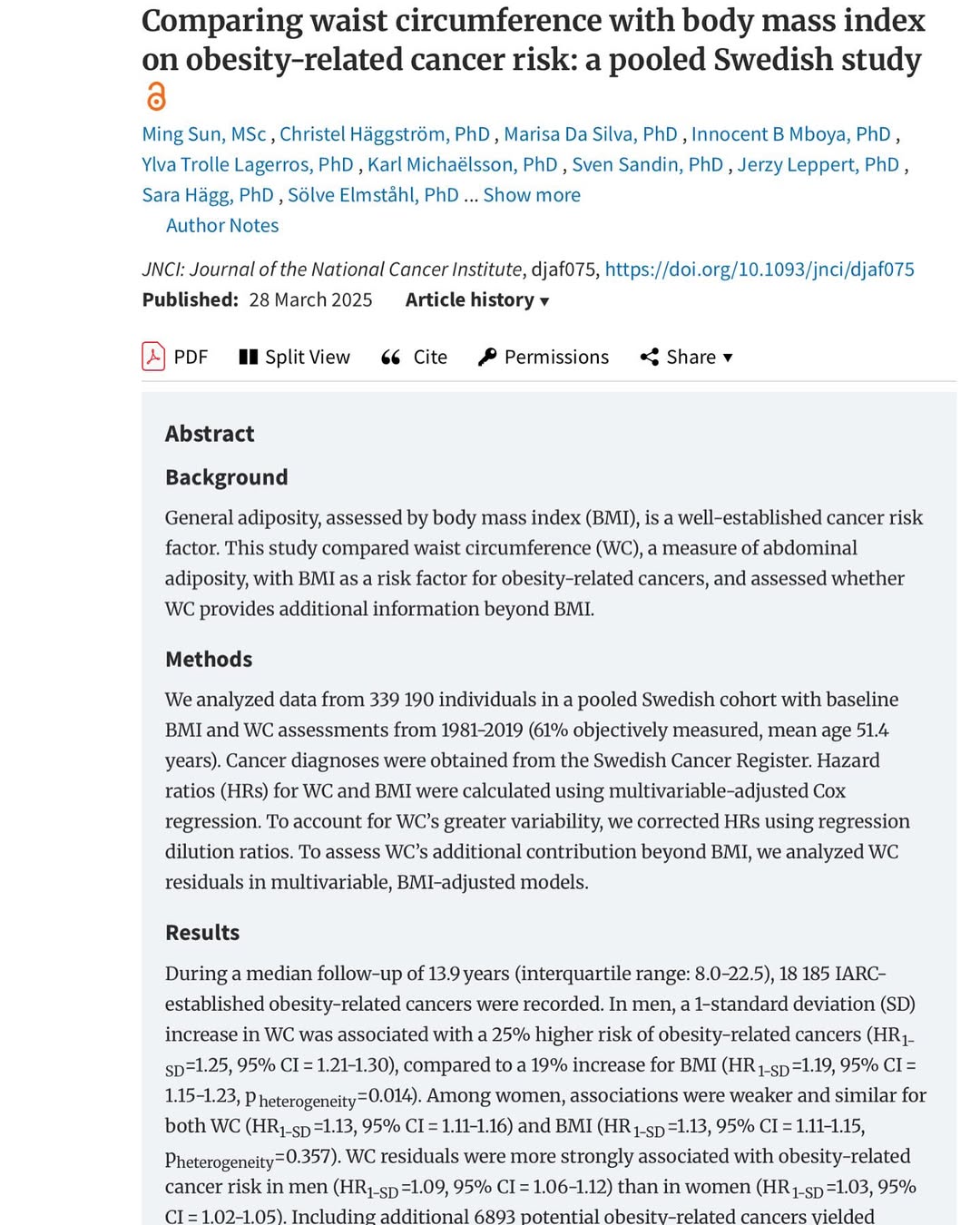
A new large-scale Swedish cohort study involving over 339,000 individuals suggests that waist circumference (WC) is a stronger predictor of obesity-related cancers in men than body mass index (BMI).
 lnkd.inLinkedInThis link will take you to a page that’s not on LinkedInlnkd.in
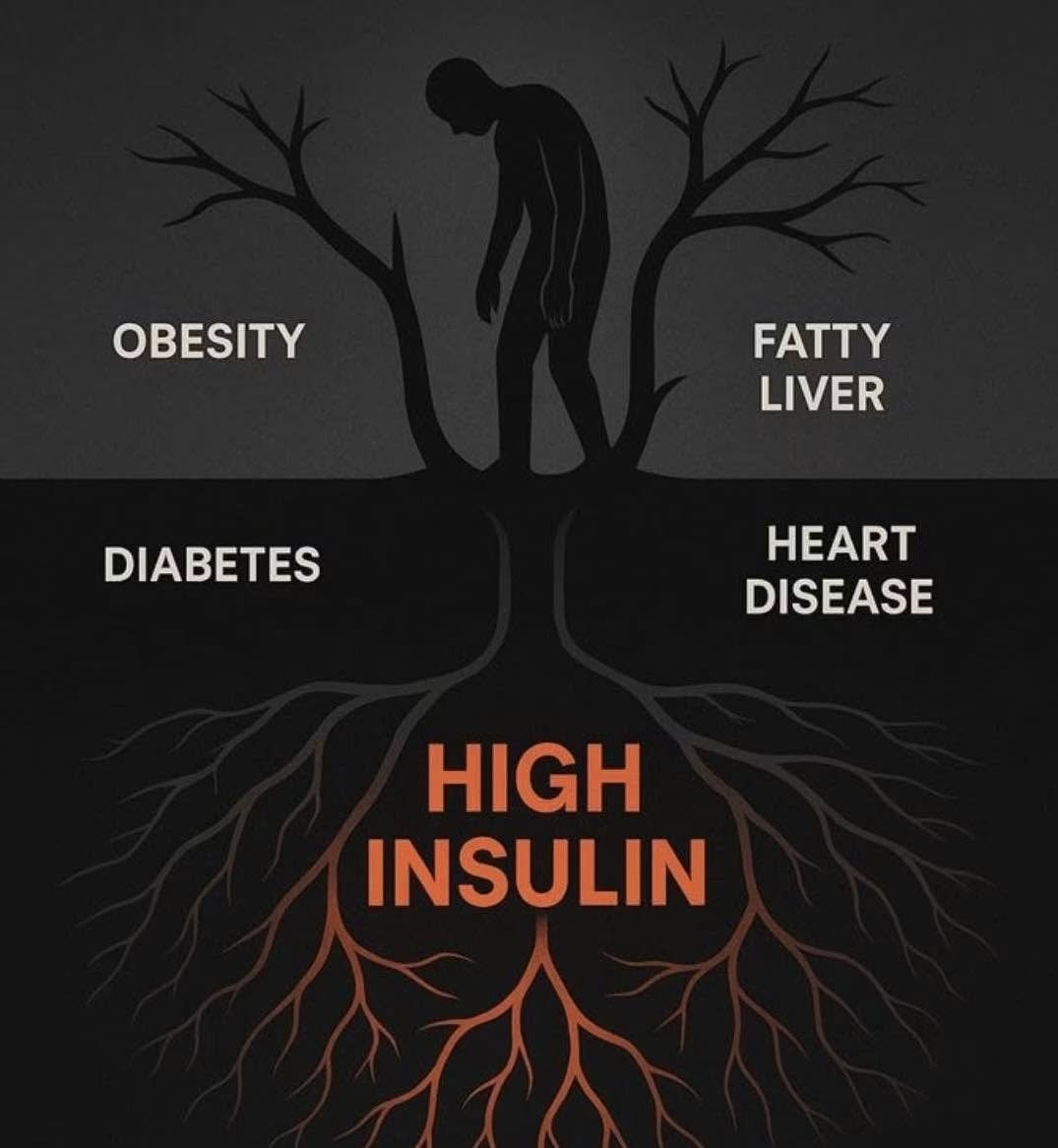
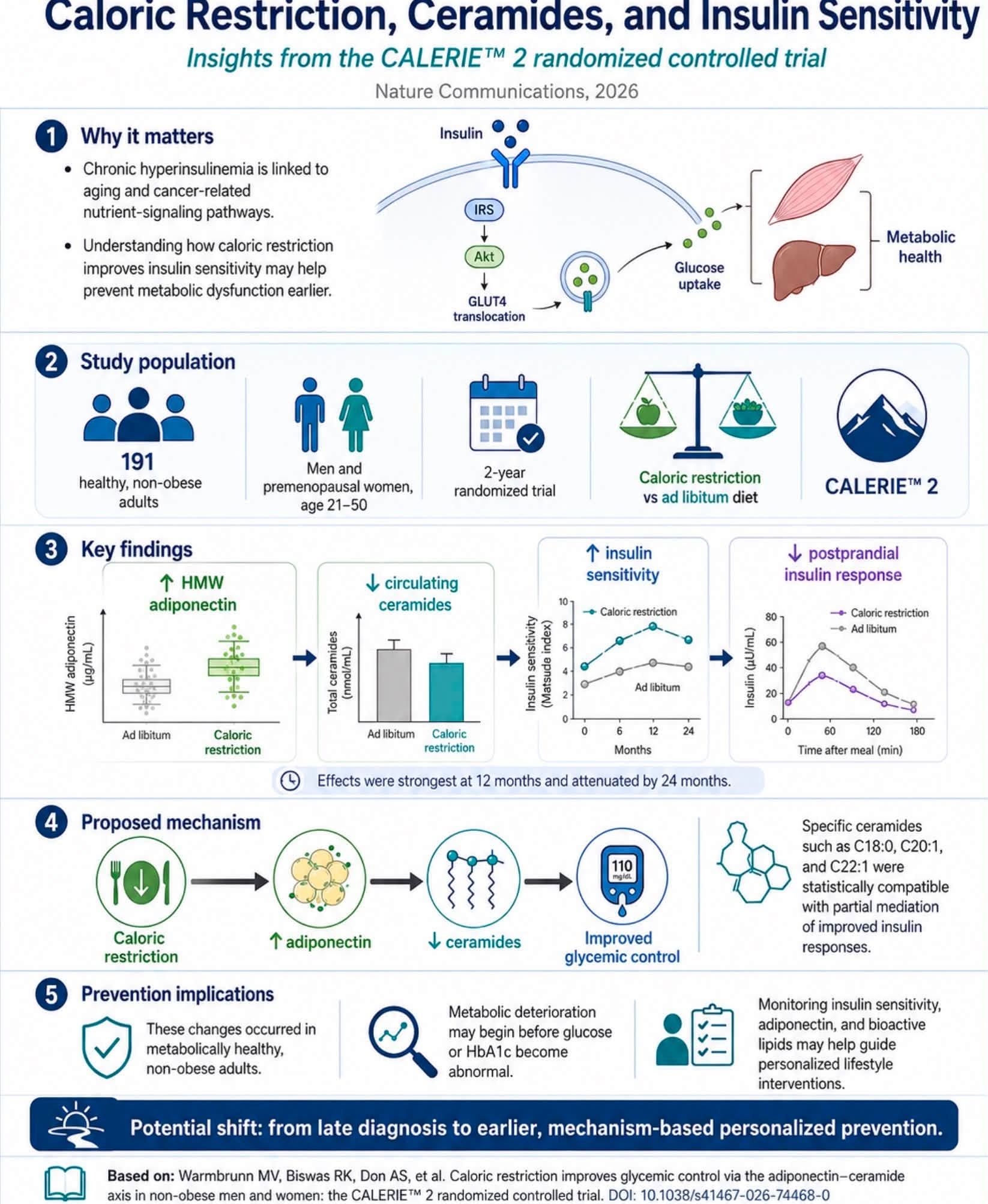
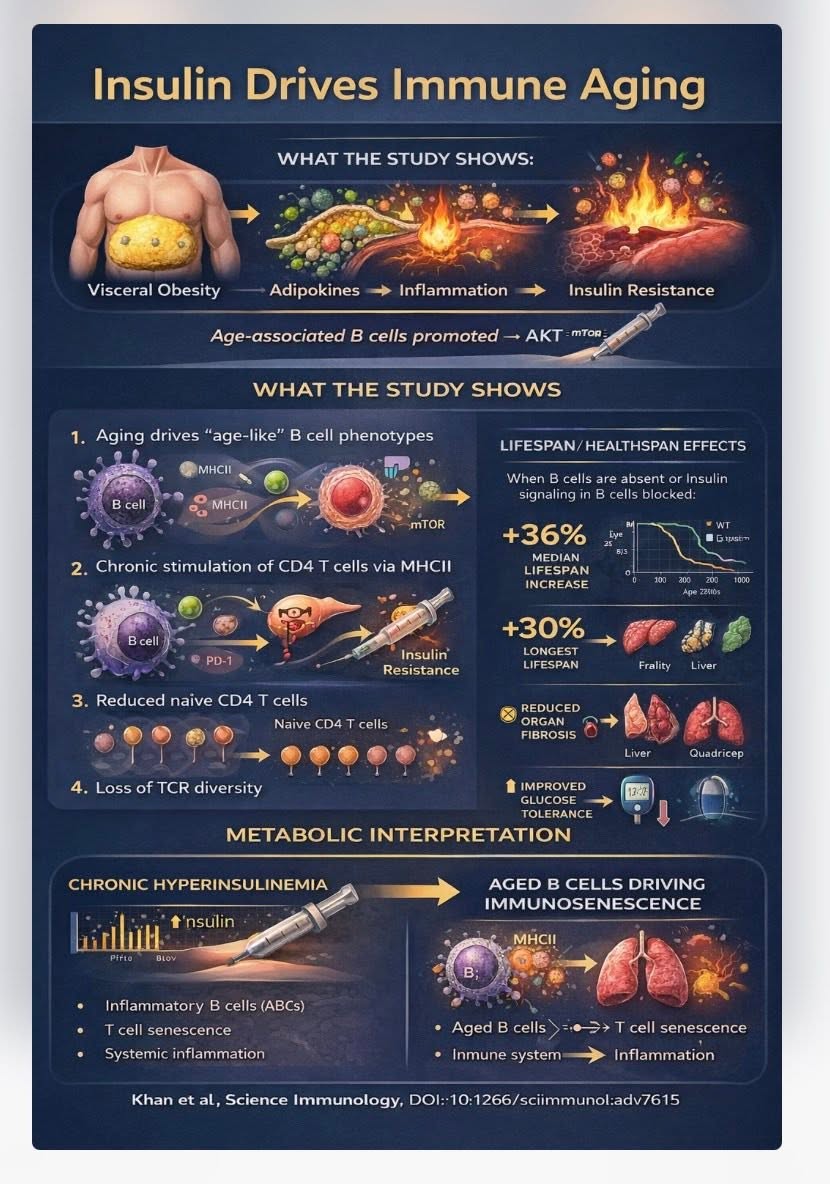
While BMI has long been used as the standard measure of adiposity, this research highlights the importance of assessing abdominal fat distribution, which is linked to metabolic dysfunction, insulin resistance, compensatory hyperinsulinemia, increased bioavailability of IGF1, testosterone, estrogens, and chronic inflammation—key drivers of genomic instability, lowered DNA repair activity, and ultimately carcinogenesis.
Key takeaway:
In men, WC not only correlates more strongly with cancer risk than BMI but also provides additional predictive value, even after adjusting for BMI. In women, the relationship is less pronounced.
This study strengthens the case for incorporating waist circumference (WC) as a routine clinical and public health metric—not just as a risk marker, but as a biological signal that should trigger deeper metabolic evaluation.
An increased WC is more than a cosmetic or weight-related issue; it is a biomarker of visceral adiposity and metabolic dysfunction, both of which are closely linked to chronic inflammation and cancer risk.