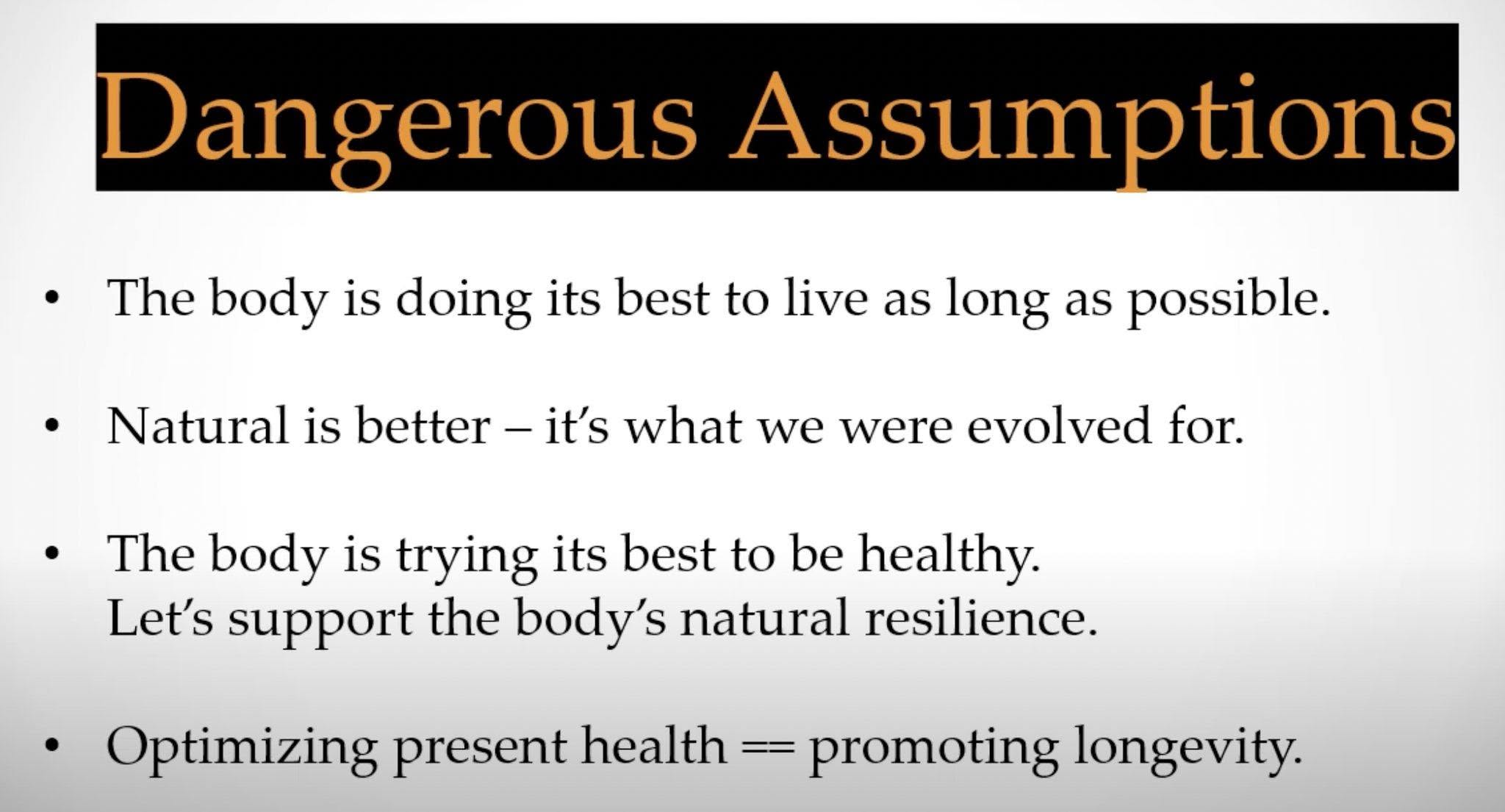
A revolutionary shift in cancer research reframes the disease as an ecological problem, moving away from the idea that cancer is caused by a rare accumulation of DNA mutations. This new paradigm reveals that so-called "driver" mutations are surprisingly common in healthy, aging tissues but are normally suppressed by a powerful natural defense: clonal competition, a constant Darwinian struggle where fitter, healthy cells actively eliminate pre-cancerous neighbors. Cancer arises when this balance is tipped by non-mutagenic "promoters," such as chronic inflammation triggered by air pollution or metabolic stress from a high-fat diet. These factors don't cause new DNA damage but instead alter the tissue "soil," giving a selective advantage to the dormant, mutated "seeds" already present. Consequently, this opens a new frontier of cancer prevention focused not on toxic therapies, but on restoring the ecosystem's health using interventions like anti-inflammatory drugs or metabolic modulators like metformin to bolster the body’s natural defenses and keep potentially dangerous clones in a dormant state.
The Ecological Paradigm: A New Understanding of Cancer
#
A revolutionary shift is underway in cancer research, moving away from the classical Somatic Mutation Theory (SMT), which posits that cancer arises from a rare, linear accumulation of DNA mutations. The emerging paradigm, supported by a wave of recent discoveries, reframes cancer as an ecological problem. In this view, our tissues are dynamic ecosystems, teeming with cells carrying cancer-driving mutations that arise naturally with age. The development of a tumor is not determined simply by the presence of these mutated "seeds," but by a breakdown in the health of the tissue "soil"—the complex environment of competition and cooperation that normally keeps these dangerous clones in a dormant state. This new understanding reveals that many carcinogens and risk factors promote cancer not by causing new mutations, but by disrupting this delicate balance, and it opens a new frontier of non-toxic therapies designed to restore the ecosystem's health rather than simply trying to poison the weeds.
Part 1: The "Seeds" Are Everywhere - Driver Mutations in Normal Tissue
The foundational discovery underpinning this paradigm shift is that so-called "driver" mutations are not rare events but are astonishingly common in the healthy, normal tissues of aging individuals. Our bodies are complex mosaics of genetically distinct cell populations, a natural consequence of the mutations that accumulate in our stem cells over a lifetime.
- Foundational Studies: Pioneering work from Dr. Iñigo Martincorena and colleagues provided the first clear evidence of this phenomenon. A 2015 study in Science on normal, sun-exposed skin revealed a shockingly high density of driver mutations in genes like
NOTCH1andTP53. A subsequent landmark 2018 study, also in Science, showed that this was not unique to mutagenized tissue. They found that by middle age, over 50% of the normal esophageal lining is colonized by mutant clones. The sheer prevalence of these initiated cells—far exceeding the incidence of actual cancer—was the first major clue that acquiring a driver mutation is not the rate-limiting step in cancer development. - A Universal Phenomenon: This observation has since been extended to numerous other tissues. A 2025 study in Nature found that driver-mutant cells occupy roughly 10% of the stomach lining by age 60. Similarly, longitudinal studies of the blood system, known as clonal hematopoiesis (CH), show that clones driven by mutations in genes like
DNMT3AandTET2become pervasive with age. The inescapable conclusion is that for most of our adult lives, our bodies harbor millions of initiated, pre-cancerous cells. This raises a critical question: If the seeds are everywhere, what prevents them from growing?
Part 2: The Natural Defense - Clonal Competition as a Tumor Suppressor
The answer appears to lie in a powerful, intrinsic defense mechanism: clonal competition. Tissues are not passive containers but are dynamic Darwinian battlefields where countless cell clones constantly compete for space and resources. This continuous contest for survival serves as a potent form of quality control that actively suppresses and eliminates cancerous threats.
- Eliminating Nascent Tumors: A groundbreaking 2021 Nature study by Colom et al. provided direct proof of this mechanism. Using mouse models of esophageal cancer, they observed that the majority of newly formed, microscopic tumors did not progress. Instead, they were actively outcompeted, squeezed out, and eliminated by their fitter, non-malignant neighboring clones. This process occurred without the involvement of the immune system, demonstrating that the tissue's own competitive architecture can function as a primary tumor suppressor.
- The
NOTCH1Paradox: This ecological view helps solve perplexing biological puzzles. For instance,NOTCH1mutations are the most common driver mutations in the normal esophagus but are surprisingly rare in esophageal cancers. A 2023 study in Nature Genetics resolved this paradox by showing that losingNOTCH1function gives cells a powerful competitive advantage in normal tissue, allowing them to take over large areas. However, this same mutation becomes a disadvantage for an established tumor, impairing its growth. In a sense, the widespread colonization of the esophagus by these "beneficial"NOTCH1mutant clones creates a highly competitive, tumor-resistant landscape that is hostile to the development of true cancers. - Lifelong Dynamics: Longitudinal studies of clonal hematopoiesis reveal that this competition unfolds over a lifetime. A 2022 Nature study by Fabre et al. tracked blood clones for over a decade and found that different clones have distinct life histories.
DNMT3Aclones, for example, tend to expand early in life and then slow down in old age as they encounter a more competitive environment. In contrast, clones with mutations in splicing genes likeSRSF2often emerge late in life but expand explosively, and these are the ones most associated with a high risk of leukemia. This dynamic "waxing and waning" shows that our tissues can tolerate a high burden of mutant cells as long as the competitive balance is maintained.
Part 3: Tipping the Balance - How Non-Mutagenic Promoters Cause Cancer
Cancer arises when this competitive balance is disrupted. A host of environmental and lifestyle factors, many previously classified as "carcinogens," are now understood to act primarily as non-mutagenic promoters. They do not cause cancer by inflicting new DNA damage; instead, they alter the tissue environment to give a selective advantage to the dormant, pre-cancerous clones that are already there.
Inflammation: The Fertilizer for Cancer's Seeds
Chronic inflammation is one of the most powerful tumor-promoting forces.
- Air Pollution and Lung Cancer: A definitive 2023 Nature study from Dr. Charles Swanton's lab perfectly illustrates this mechanism. They showed that exposure to PM2.5 air pollution is linked to lung cancer in non-smokers, not because it mutates DNA, but because it triggers a potent inflammatory response. Inhaled particles cause an influx of immune macrophages into the lung, which then release the inflammatory signal interleukin-1β (IL-1β). This IL-1β acts directly on dormant lung cells that already harbor pre-existing
EGFRorKRASmutations, "waking them up" and driving their proliferation into a full-blown tumor. - Clinical Proof: This mechanism received stunning clinical validation from the CANTOS trial. This large cardiovascular study tested an IL-1β-blocking antibody called canakinumab. A secondary analysis revealed that patients receiving the drug had a 67% reduction in lung cancer incidence and a 77% reduction in lung cancer mortality. This provides compelling human evidence that blocking the inflammatory promoter signal can prevent initiated cells from ever becoming cancer.
Metabolism: Fueling the Unfittest
The body's systemic metabolic state, dictated by diet and weight, is another critical factor that can alter the rules of clonal competition.
- Metformin and a High-Fat Diet: A 2024 study in Nature Genetics demonstrated this principle in the esophagus. In mice, pre-cancerous clones with mutations in the
PIK3CAgene normally have a slight growth advantage. However, when the mice were fed a high-fat diet, a condition that mimics obesity and diabetes, this advantage was significantly enhanced, and the clones expanded rapidly. The most exciting finding was that this could be reversed. Treating the mice with metformin, a common diabetes drug, completely negated the competitive advantage of the mutant cells, slowing their expansion. This was mirrored in humans, where individuals with a higher BMI were found to harbor morePIK3CA-mutant cells.
Part 4: A New Frontier - Non-Toxic Interception and Prevention
This ecological paradigm shifts the focus of cancer prevention from avoiding mutagens (an impossible task) to managing the tissue environment. This opens the door to a new class of non-toxic interventions aimed at strengthening the body's natural defenses and keeping dormant clones in check.
- Anti-Inflammatory Agents: Targeting promoter pathways is a key strategy. The success of canakinumab in the CANTOS trial suggests that anti-inflammatory drugs could be used to prevent cancer in high-risk individuals, such as former smokers or those exposed to high levels of pollution.
- Metabolic Modulators: The metformin study provides a powerful proof-of-concept for using metabolic interventions to tip the competitive balance back in favor of healthy cells. This provides a strong mechanistic rationale for lifestyle interventions—such as a healthy diet, exercise, and weight management—as direct, potent cancer prevention strategies.
- "Pro-Competitive" Therapies: A more futuristic approach involves actively enhancing the fitness of healthy cells. A 2019 Cell Stem Cell study showed that by using an antioxidant to protect normal esophageal cells from a specific stressor, they could be induced to outcompete and eliminate their
p53-mutant neighbors. This concept of pharmacologically "backing the good guys" represents a revolutionary new direction for cancer interception.
In conclusion, the emerging understanding of cancer is one of profound optimism. By recognizing that our bodies have powerful, built-in systems for suppressing tumors, and by identifying the environmental and lifestyle factors that undermine these defenses, we can develop novel, non-toxic strategies for prevention. The future of fighting cancer may lie less in waging war on established tumors and more in the gentle, proactive stewardship of our own cellular ecosystems, ensuring the soil of our tissues remains healthy and inhospitable to the seeds of malignancy.
Deep Dive:
docs.google.comGoogle Docdocs.google.com economist.comScientists are discovering a powerful new way to prevent cancereconomist.com