Absolute Risk & Statins
There’s a lot people in these heart disease groups online who are fond of quoting the statistic that many statin trials only show reductions in absolute risk of about 1-2%.
What they are not telling you is this:
- These trials only run for a few years.
- The absolute risk of having a heart attack or stroke is only around 2-5% in just a few years, even for higher risk people.
- So reducing absolute risk by 1-2% during that short timeframe is excellent.
The picture looks very different in the long term…
Over an entire lifetime, the absolute risk of having a heart attack is around 20%.
(One in five Americans will have a heart attack in their lifetime.)
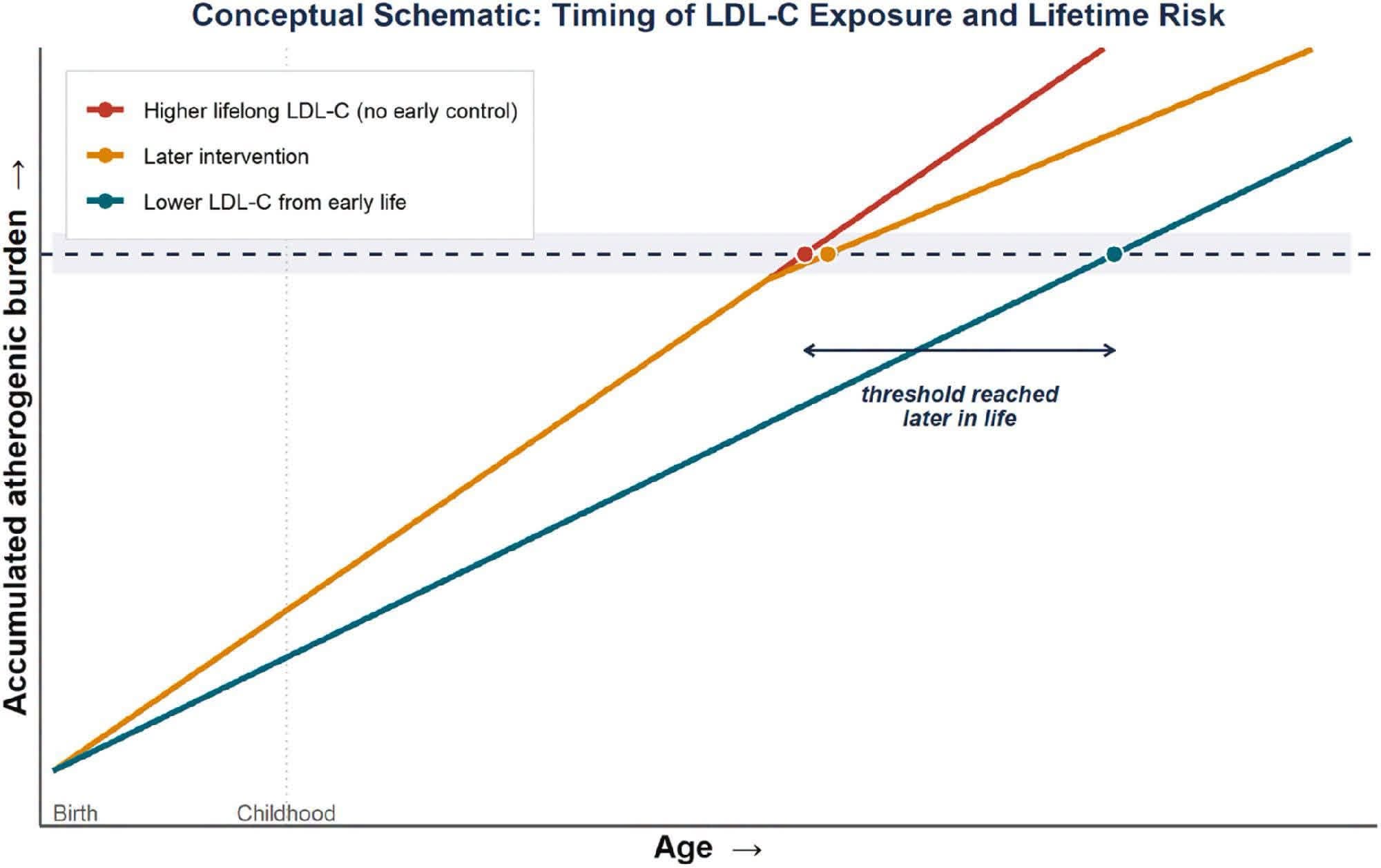
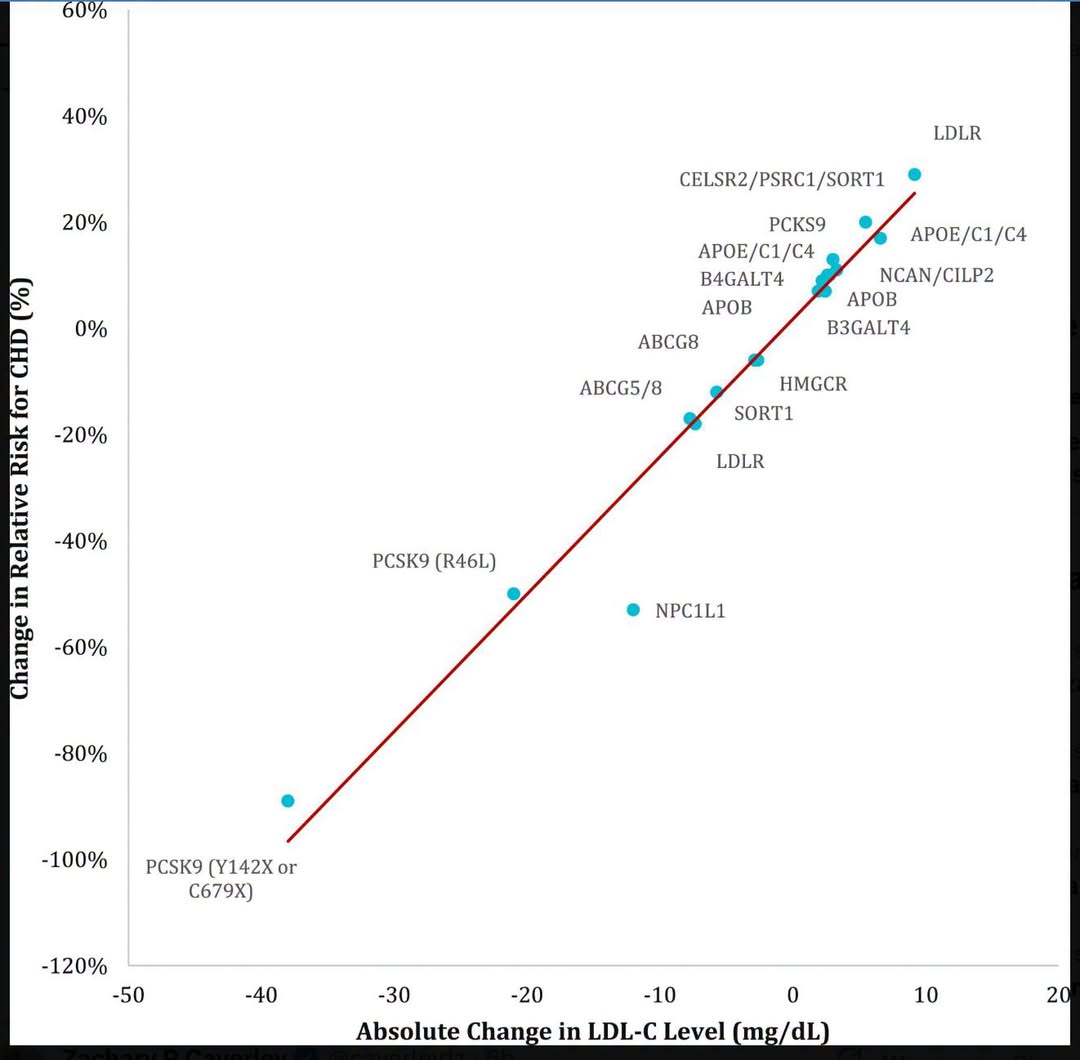
Someone who takes a statin for a large part of their adult life can easily reduce this absolute risk to less than 10%— just from the statins alone. We know this from both long term prospective cohort studies and Mendelian randomization studies.
The benefits of statins on absolute risk reduction are CUMULATIVE. During the first few years, the absolute risk reduction is only a few percent. But over the course of a lifetime, it can easily exceed 10%.
That 10% number is a huge deal when you consider that the lifetime absolute risk of a heart attack itself is only around 20%. Cutting your lifetime risk from 20% to 10% means cutting your chances of a heart attack in HALF!
All by just taking 30 seconds to swallow a pill each day.
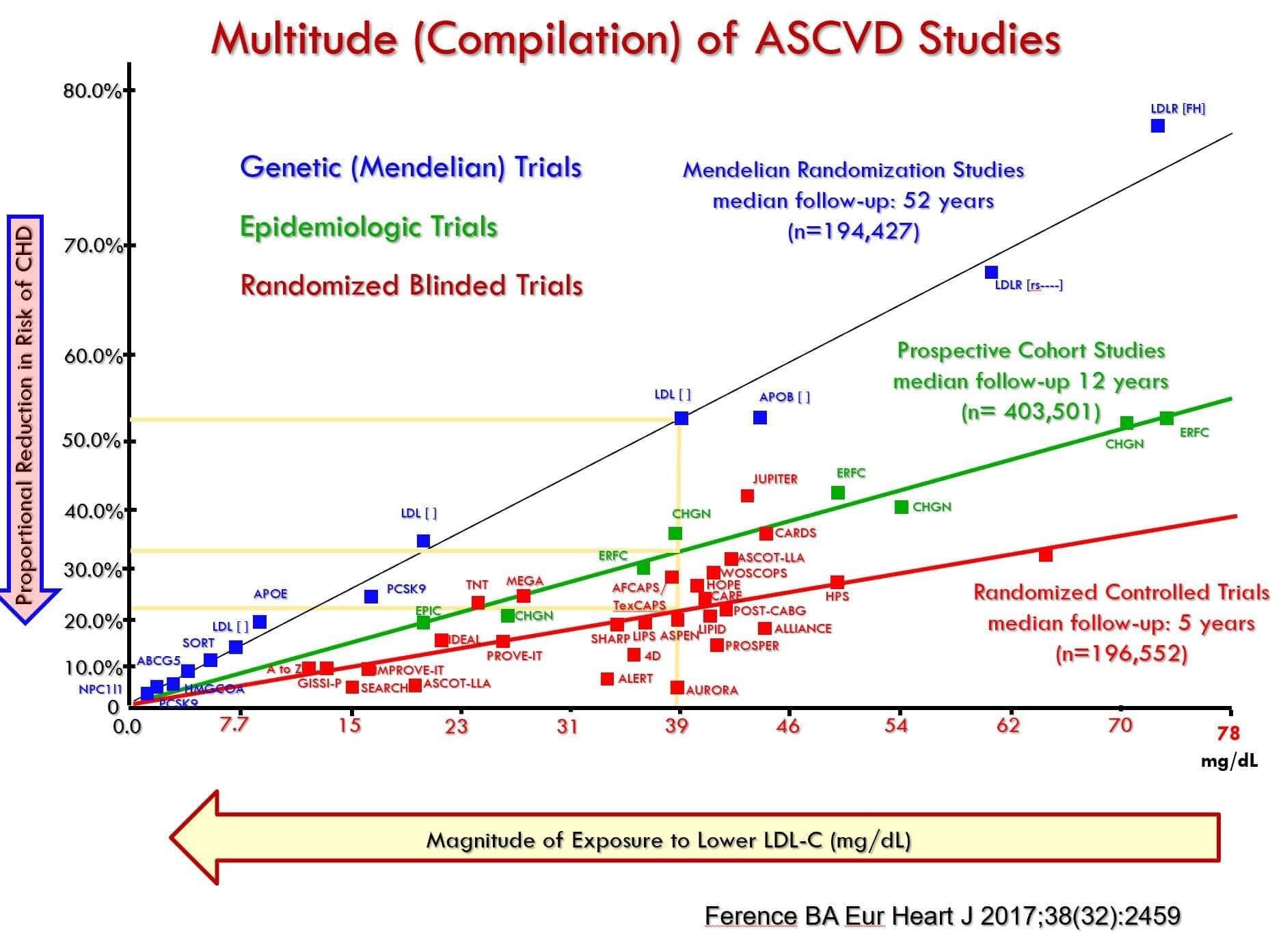
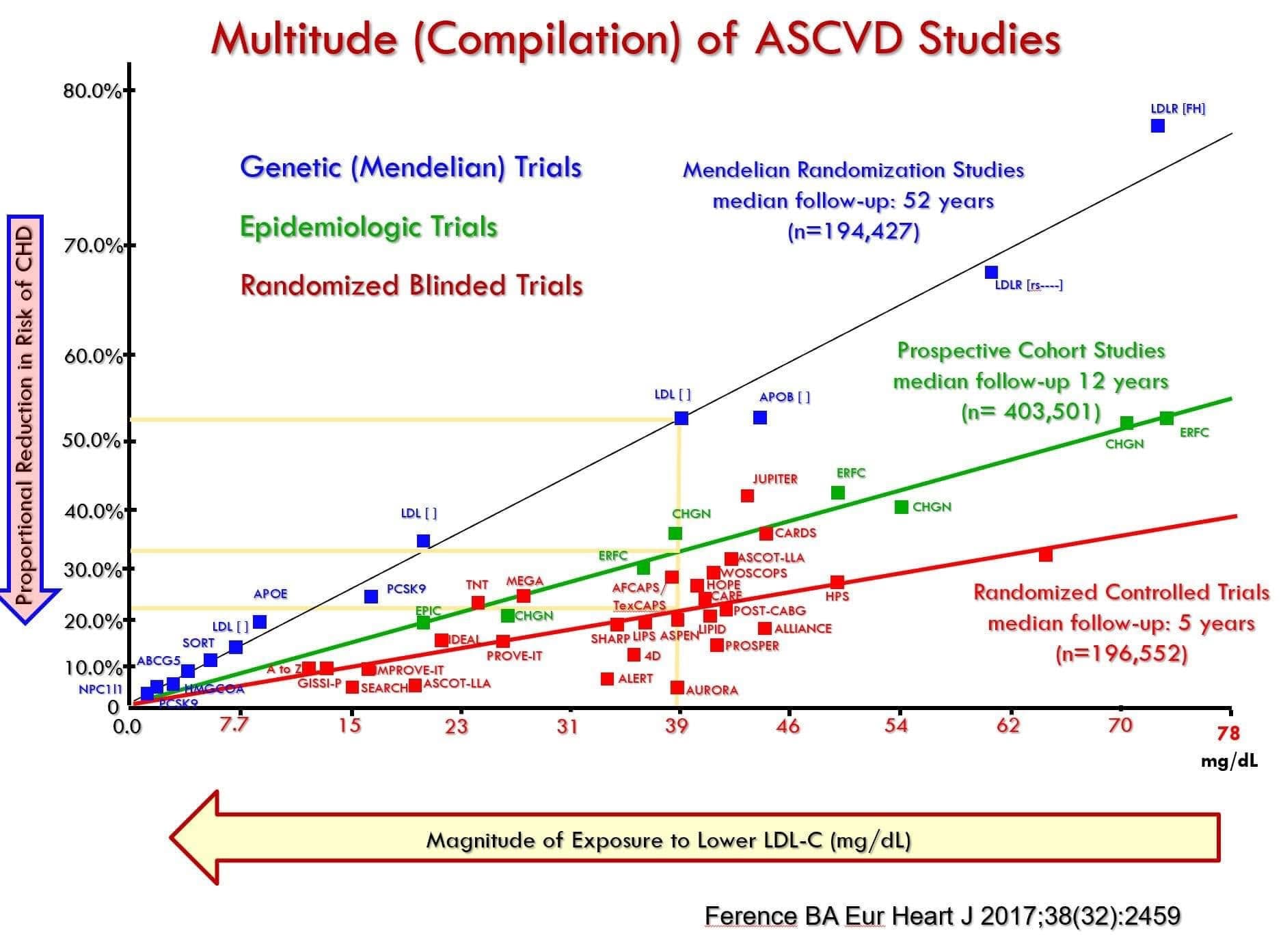
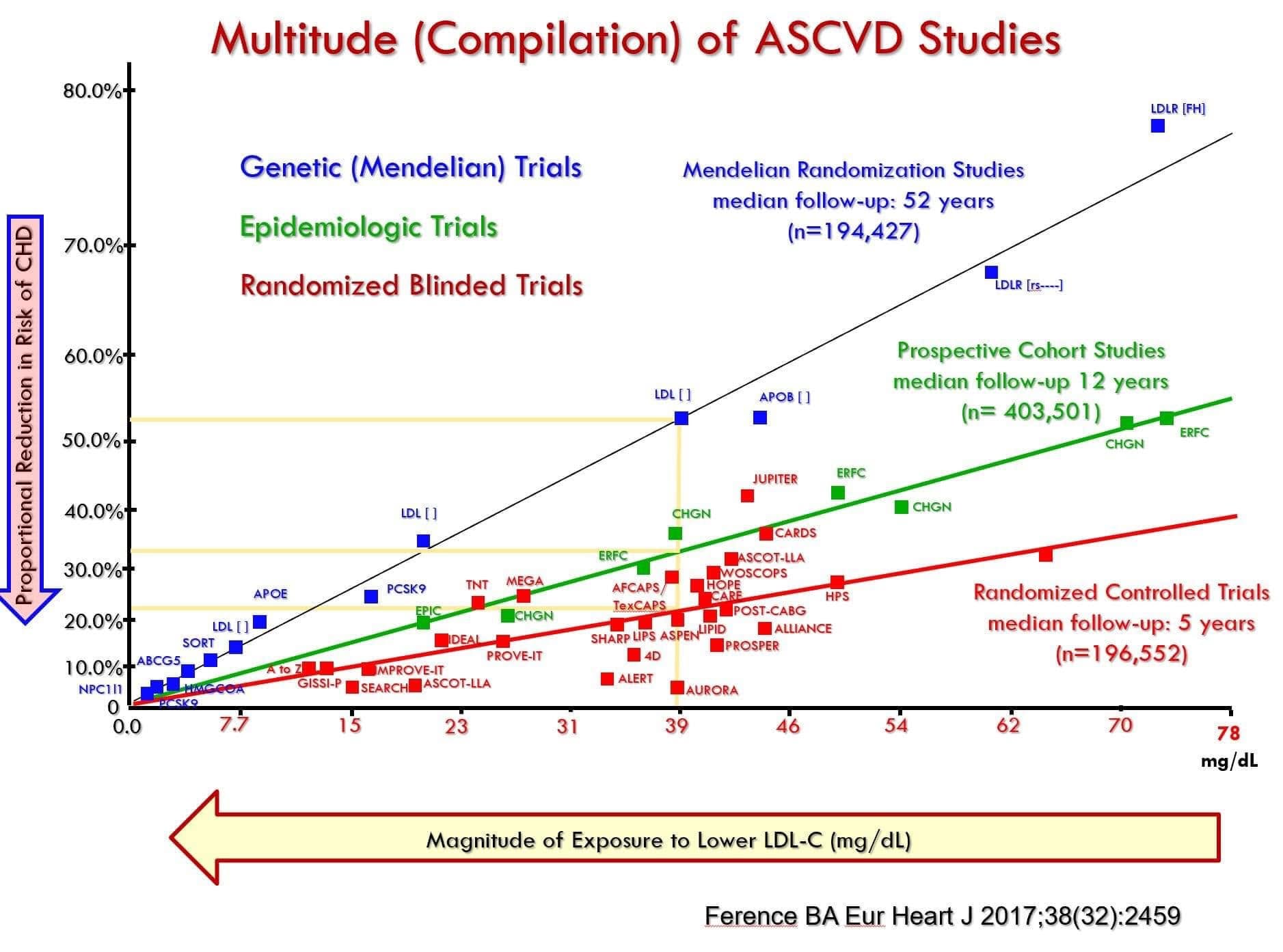
Randomized controlled trials with statins only run for about 5 years. To understand the risk reduction of statins over longer periods of time, we must look at prospective cohort studies and Mendelian (genetic) randomization studies.
This graph summarizes all of this data in one place.
The yellow lines (vertical/horizontal) on the graph show that reducing your LDL by 39mg/dL— achievable by a very low dose statin— potentially reduces your risk of heart attack (compared to placebo or matched controls) by:
- over 20% after a 5 year period (the red line, from randomized controlled trials).
- over 30% after a 12 year period (the green line, from prospective cohort studies).
- over 50% after a 52 year period (the blue line, from Mendelian randomization studies).
Note that the x-axis represents a change in LDL, not an absolute value of LDL. So the difference between the value of 78mg/dL and 0 mg/dL on the x-axis might correspond to a difference between 178mg/dL and 100mg/dL, for example, or any other combination that represents this difference. The y-axis also represents a percentage change in risk.
—-
How does this translate into absolute risk reduction?
1 in 5 people in the USA will have a heart attack in their lifetimes. So the average American has an absolute risk of 20% of having a heart attack during their entire lives. This is why heart disease is the #1 killer in the USA.
Dropping your LDL by 39mg/L potentially cuts this risk by half as explained above (blue line), if you do it for a long time.
So your absolute risk of a heart attack potentially drops from 20% to 10% over your entire lifetime.
All by just taking a very low dose statin and starting fairly young.
In my case, 10mg of atorvastatin is enough to drop my LDL by around 39 mg/dL. If I stick with this for the rest of my life, I will be potentially dropping my absolute risk of a heart attack from 20% to 10%. Not bad for something that takes me 30 seconds to take each day and causes me zero side effects.
Combine this low dose statin with all the other health interventions that I do, and I am fairly confident that I can get my lifetime absolute risk of a heart attack to near zero.
#statinrctsHD #absoluteriskHD #ldlrctsHD #mendelianrandomizationHD #mrHD #statinsmrHD #ldlmrHD