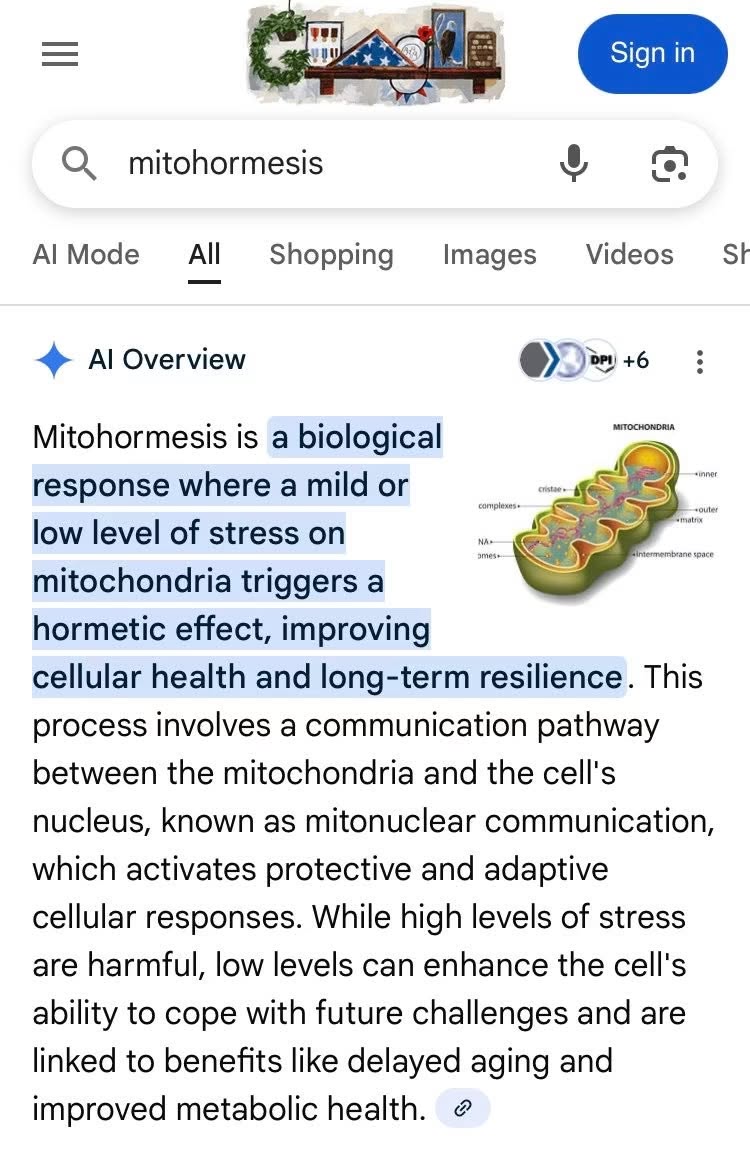
Please understand that just because something is mildly toxic to mitochondria does not mean that it is bad for you. In fact, it often means that it is good for you!
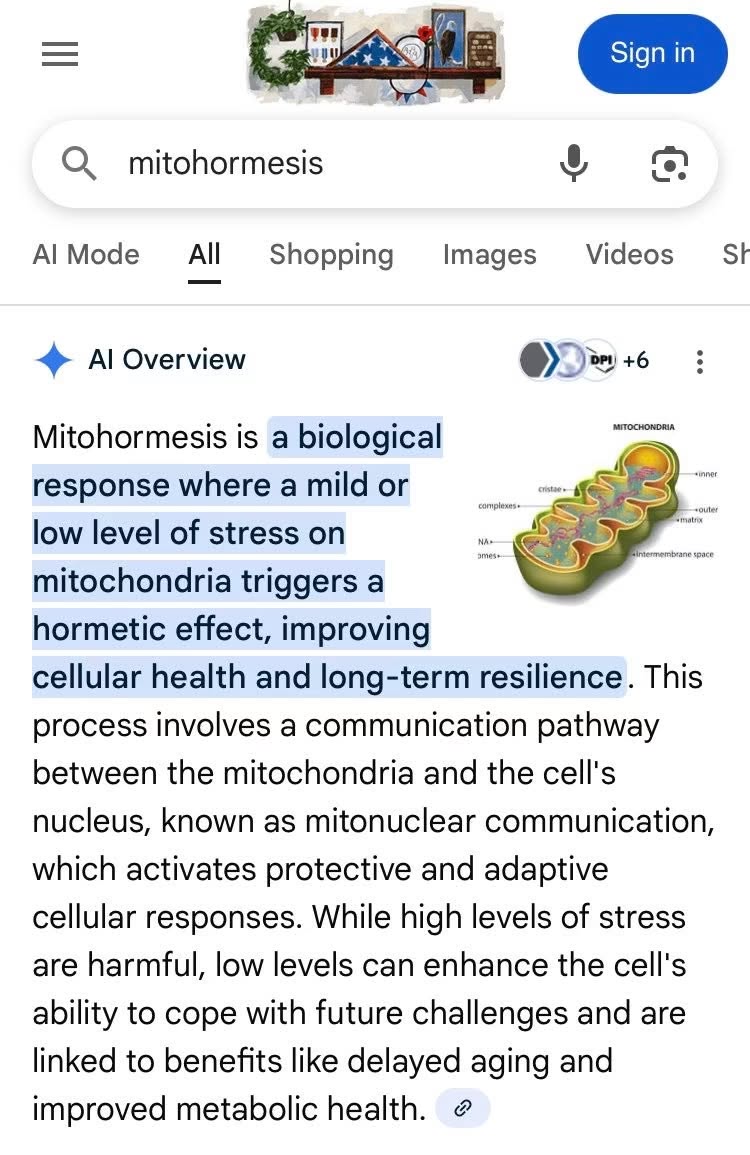
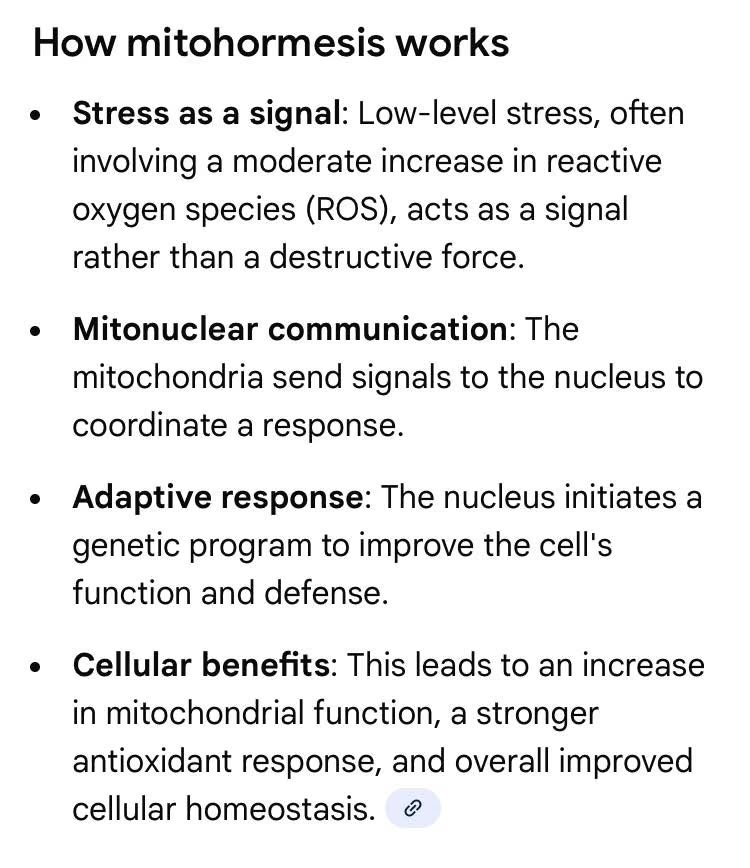
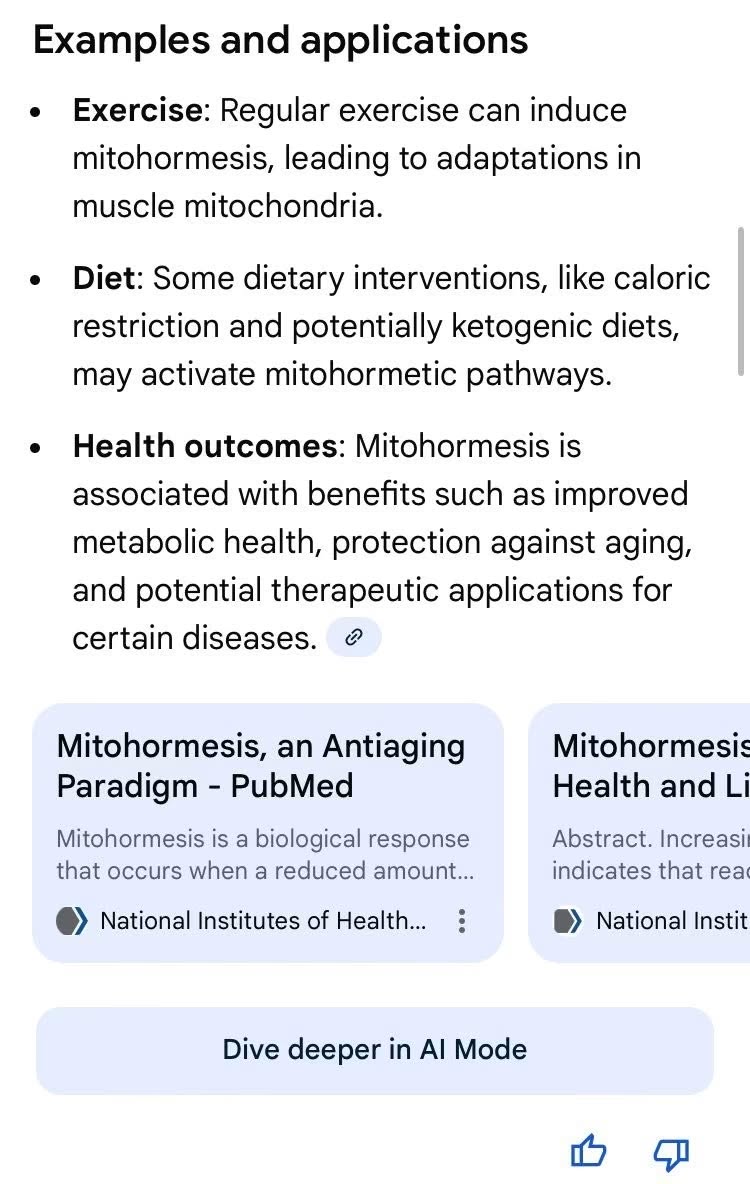
The term for this is mitohormesis. This is how metformin and statins both work. It is also how exercise and calorie restriction work, as well as many different kinds of plant molecules (e.g. urolithin A from pomegranites). They all work by creating hormetic stress in mitochondria, i.e. mitohormesis.
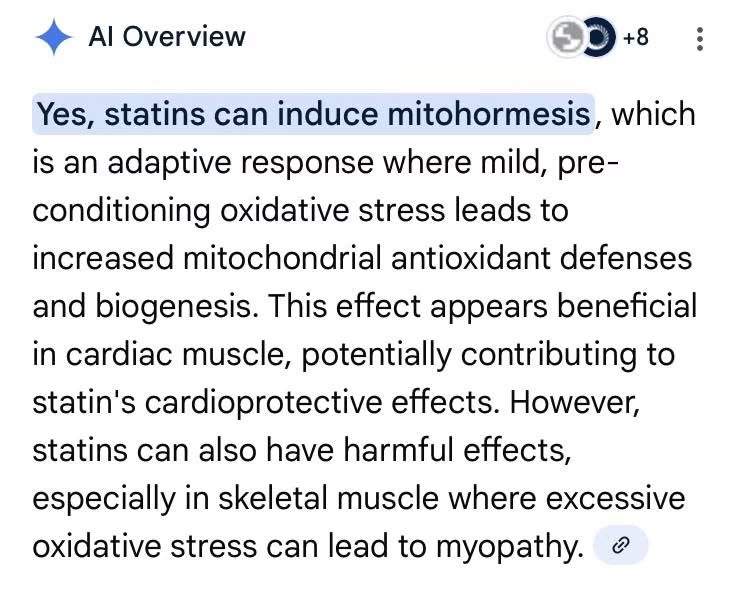
Statins induce mitohormesis:
Paper · Eur Heart J · 2012Mitohormesis: another pleiotropic effect of statins?pmc.ncbi.nlm.nih.gov↪ Statins activate AMPK via mild mitochondrial stress, which Louis argues is beneficial
Google “mitohormesis”. It has many health benefits.
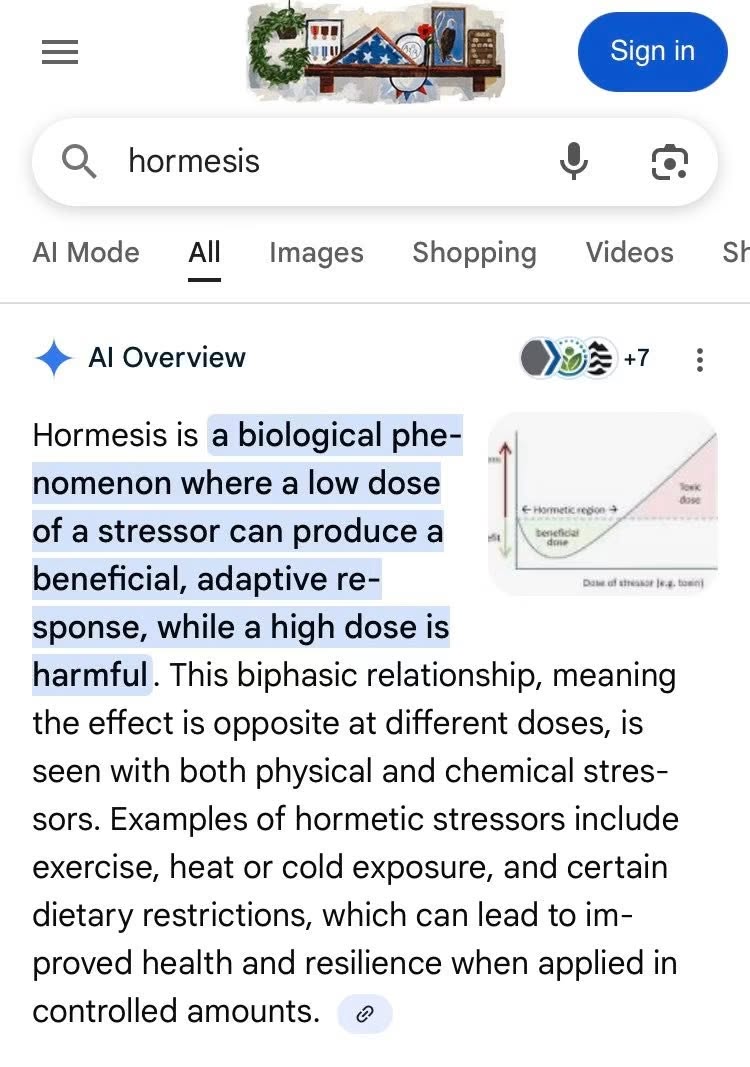
The key is the dose…
The same substance that can be very good for you at low doses— via hormesis— can also be outright toxic to you at very high doses.
We need to get past this oversimplified idea that substances are always bad or good. When it comes to substances that work by hormetic mechanisms like statins and metformin, the dose is what matters. Normal doses of statins and metformin are hormetic in mitochondria.
#mitohormesisHD #hormesisHD #metforminHD #statinsHD #exerciseHD #calorierestrictionHD #urolithinaHD #mitochondriaHD