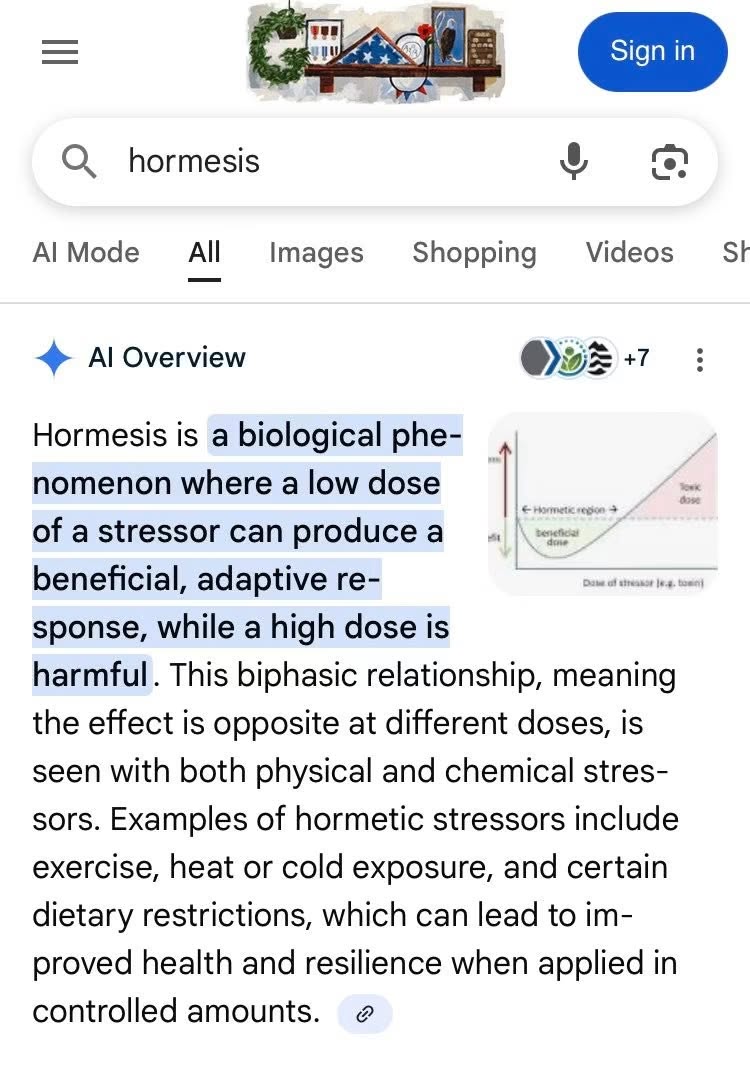
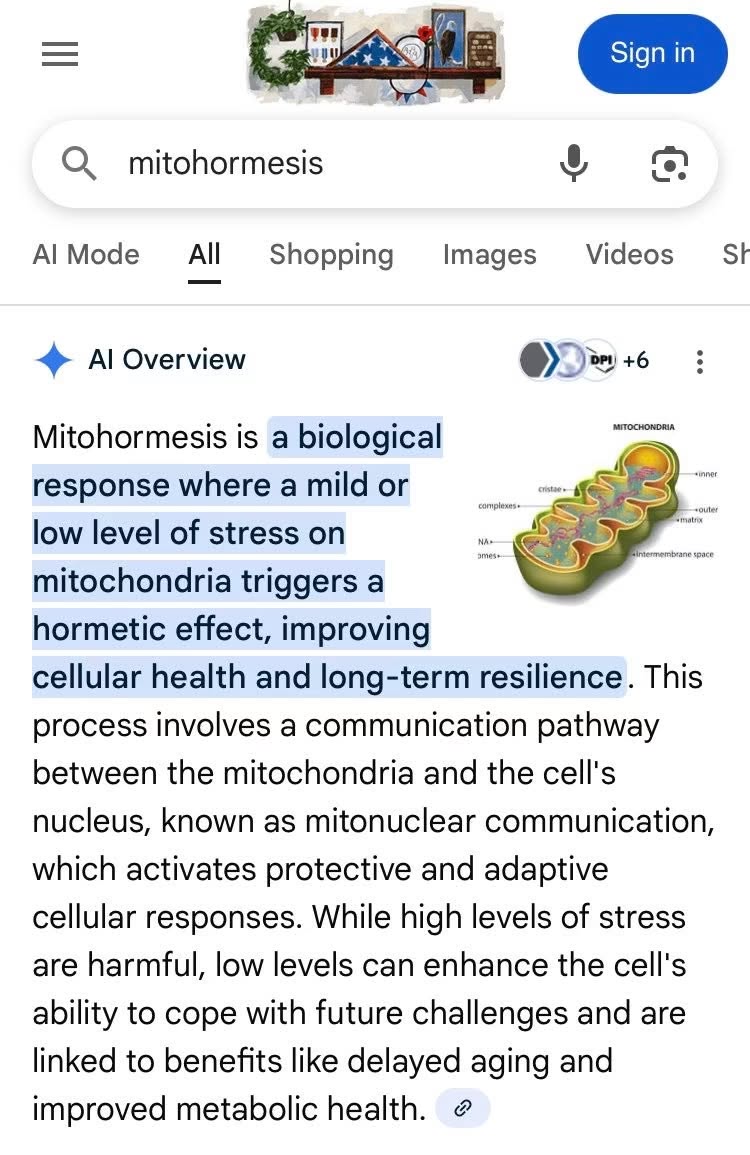
I’m getting really sick of this whole “statins are toxic to mitochondria” nonsense. For the vast majority of people, the mild toxicity that statins have in mitochondria is hormetic. It is believed to be one of the explanations for the pleiotropic benefits of statins. Everyone needs to take a minute to google the terms “hormesis” and “mitohormesis”. Influencers are taking something that is probably very good for you and trying to turn it into a bad thing. The key is the dose. The same substance can be very good for you at low doses— via hormesis— and also outright toxic to you at very high doses. It is important to differentiate these two extreme cases. Normal doses of statins are hormetic in mitochondria for the vast majority of people. If you’re not getting any genuine side effects from statins (e.g. myopathy), it is ridiculous to worry about them “harming your mitochondria”. The opposite is probably true in this case.
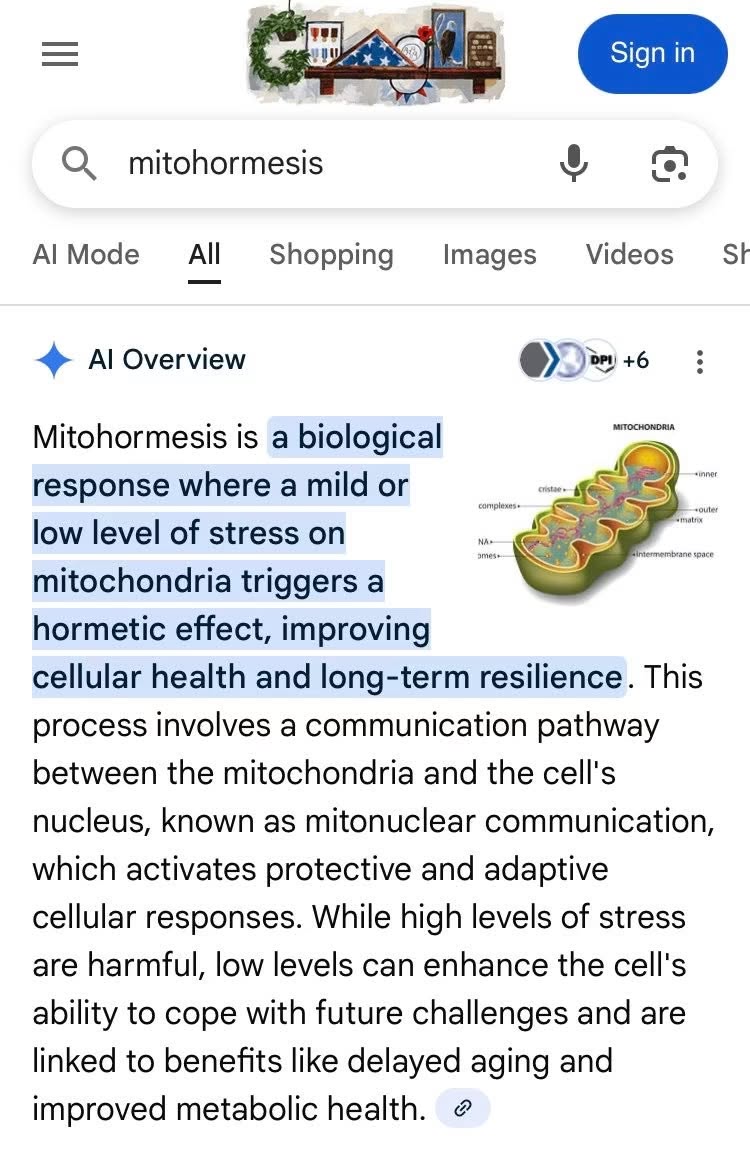
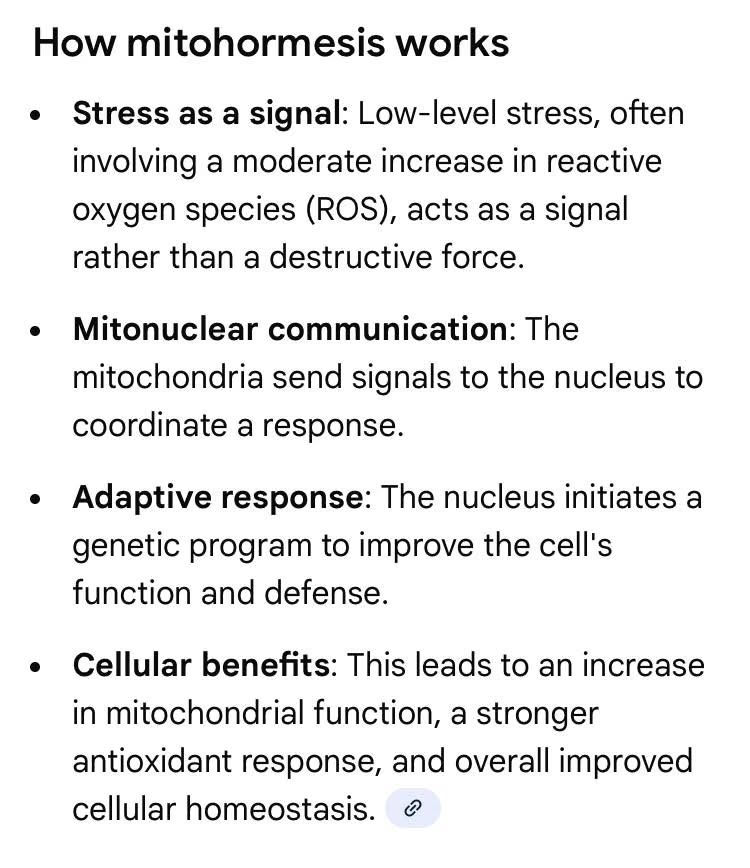
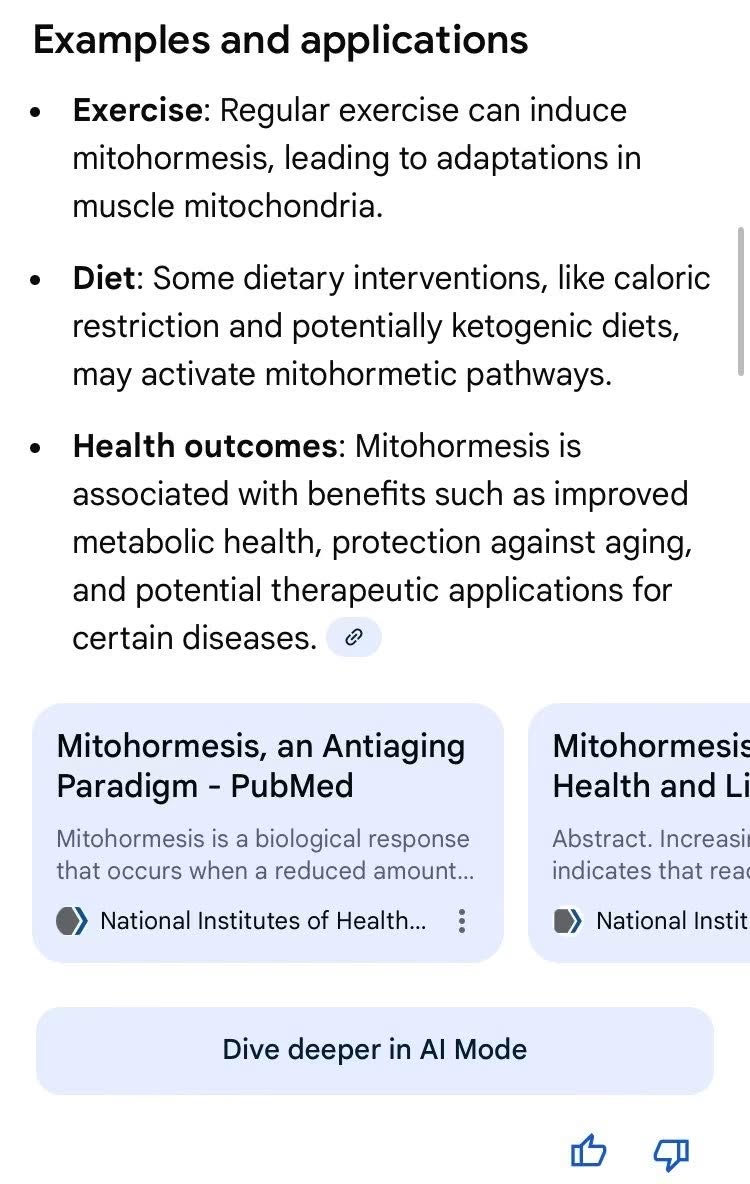
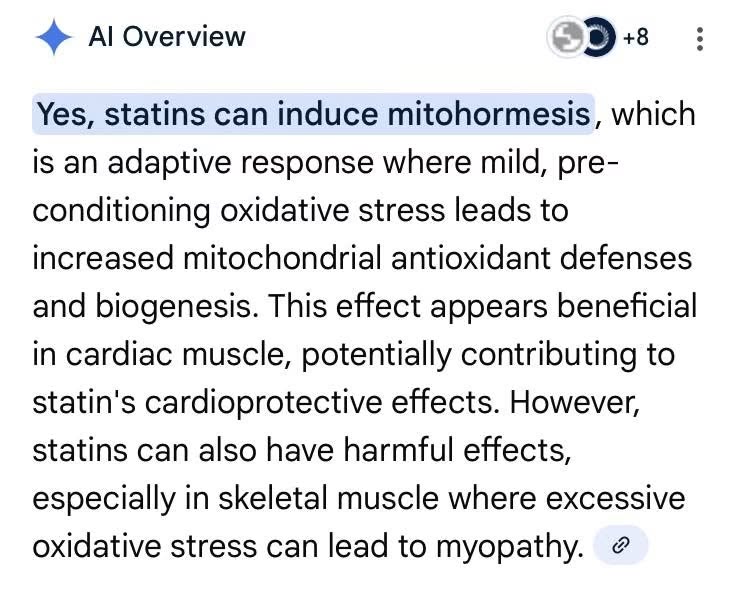
Statins create mild mitochondrial stress that triggers protective mitohormesis
Louis explains that mild mitochondrial toxicity is not necessarily harmful and can be beneficial through mitohormesis, the mechanism he links to metformin, statins, exercise and calorie restriction. He cites a review proposing mitohormesis as another pleiotropic effect of statins and stresses that dose matters.