A recently published observational study links uterine fibroids with heart disease.
Women with uterine fibroids may have over 80% higher long-term risk for heart disease (like heart attack, stroke, PAD) compared to those without, with especially strong links for women under 40. This suggests that fibroids might act as a cardiovascular risk marker needing enhanced heart health management.
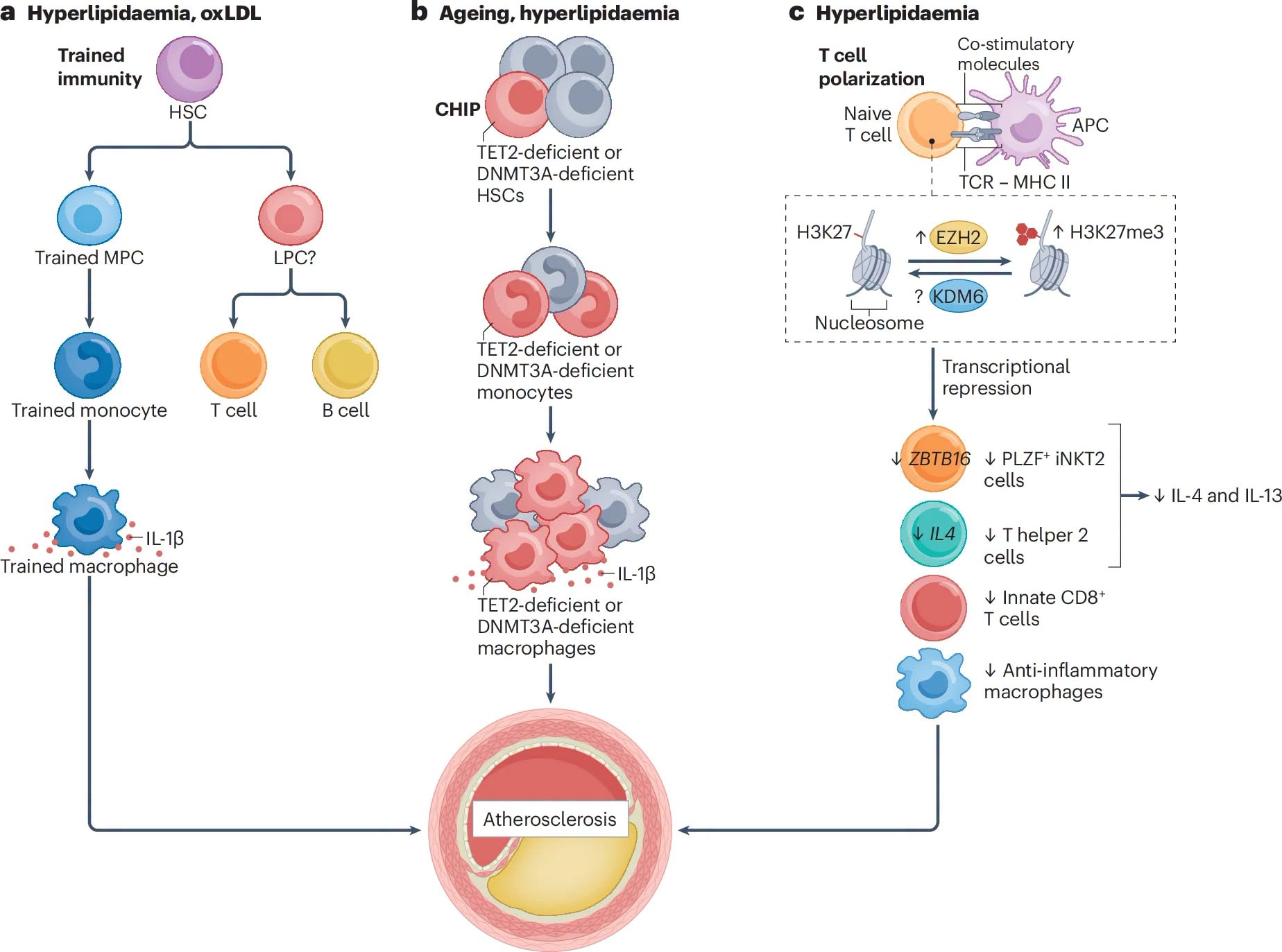
Some studies have shown that fibroids and cardiovascular disease share biological pathways, including the growth of smooth muscle cells, the excessive buildup of fibrous connective tissue, calcification and inflammatory responses.
Quoted:
“Long-term heart disease risk in women diagnosed with uterine fibroids was more than 80% higher than in women without fibroids, according to new independent research published today in the Journal of the American Heart Association, an open access, peer-reviewed journal of the American Heart Association.
Fibroids are predominately benign growths that develop from the muscle tissue of the uterus. The U.S. Office of Women’s Health notes that as many as 20% — and possibly up to 80% — of women will develop fibroids by the time they reach age 50.”
“Some studies have shown that fibroids and cardiovascular disease share biological pathways, including the growth of smooth muscle cells, the excessive buildup of fibrous connective tissue, calcification and inflammatory responses.”
“Researchers looked at a U.S. database of health information from 2000 to 2022. They studied more than 450,000 females (average age 41 years) with fibroids compared to nearly 2,251,000 females who had not been diagnosed with the fibroids. Over the next decade, researchers monitored for incidences of coronary artery disease (including heart attack), cerebrovascular disease (stroke and related conditions) and peripheral artery disease.”
“At 10 years, more than 5.4% of women with fibroids had experienced a cardiovascular event compared to 3% of women without fibroids.
Among younger women, under age 40, the risk for cardiovascular disease was 251% higher (or more than 3.5 times more likely) in those with fibroids compared to those without fibroids.”
“The strength of the relationship between heart disease risk and uterine fibroids was striking,” DiTosto said. “However, it's important to note that more research is needed to confirm these findings in other populations before formal changes are made to cardiovascular risk assessment guidelines. In the meantime, these results support having thoughtful conversations between women and their providers about heart health in the context of a fibroid diagnosis.”
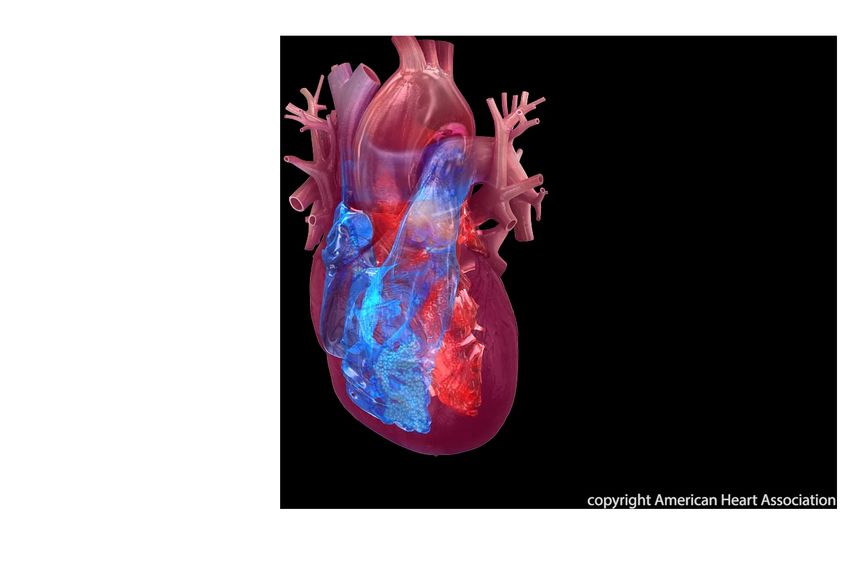 American Heart AssociationUterine fibroids linked to elevated heart disease riskResearch Highlights: Long-term heart disease risk among women diagnosed with uterine fibroids was more than 80% higher than in women without uterine fibroids, according to a 10-year study of more than 2.7 million U.S. women. The elevated heart...newsroom.heart.org