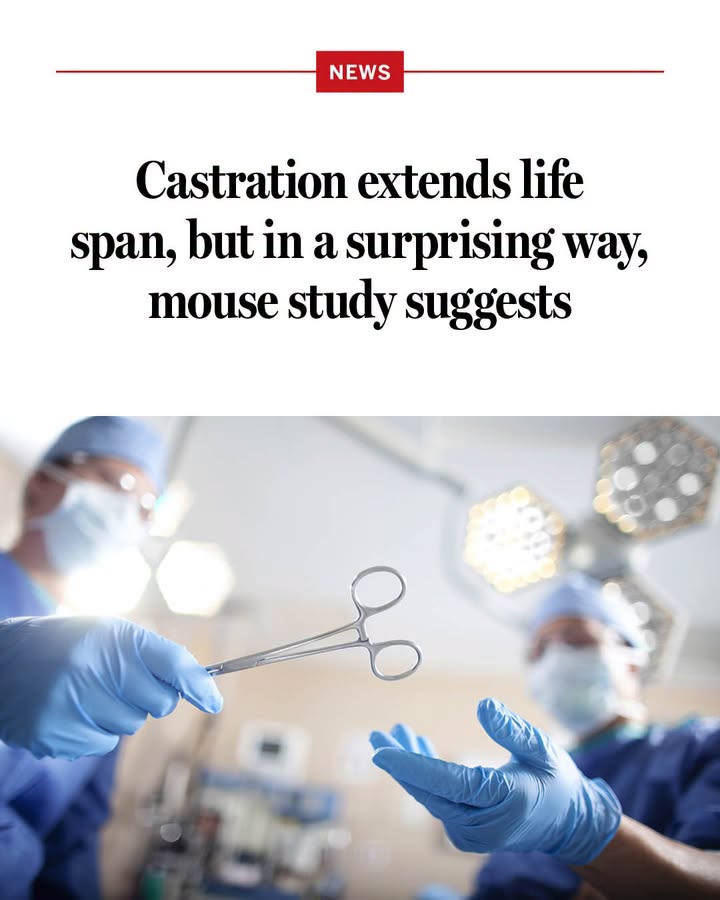
Analysis of zoo data from around the world demonstrates that castration, contraception, and sterilization extends lifespan by 10-20% in 117 different vertebrate species, including many mammals.
These results are comparable to calorie restriction in their apparent generality to various species.
Link to full paper in Nature:
Paper · Nature · 2026Sterilization and contraception increase lifespan across vertebratesnature.comIf I had only two words to describe this study, they would be: “antagonist pleiotropy”.
For those unfamiliar with the term, antagonistic pleiotropy means that there is often a tradeoff between reproductive fitness and longevity. Maximizing one may come at the cost of minimizing the other. This tradeoff is a fundamental part of our biology that is difficult to circumvent. It’s been programmed-into our genes over millions of years of evolution.
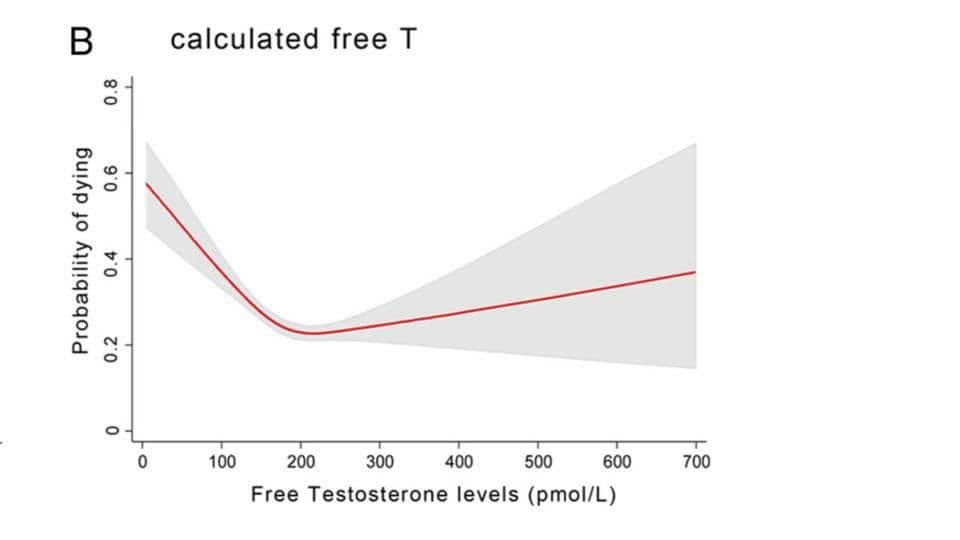
Animal studies like this are the reason why I remain deeply suspicious of idea that high levels of sex hormones are “anti-aging”. Lifetime overexposure to sex hormones likely shortens lifespan in many different species of mammals and other vertebrates.
Quoted:
Using data from zoos around the world, Shinichi Nakagawa and an international team of researchers found that sterilization and contraception increased life expectancy in both males and females by 10 to 20 per cent — but for different reasons.
“This is the first demonstration that an external intervention, other than dietary restriction, can prolong vertebrate life,” says Nakagawa, professor in the Department of Biological Sciences and Canada Excellence Research Chair in Open Science and Synthesis in Ecology and Evolution. “Surprisingly, there’s not much difference in the greater lifespan of males and females.”
Nakagawa and his colleagues, led by Michael Garratt of the University of Otago in New Zealand, completed a comprehensive literature review of other vertebrate sterilization studies, along with a meta-analysis of data from 117 zoo species. The results were published this week in Nature.
 ualberta.caNew research reveals the cost of reproductionPreventing reproduction increases lifespan in many vertebrate species, according to research involving a U of A evolutionary biologist.ualberta.ca
#trtHD #hrtHD #testosteroneHD #estrogenHD #antagonisticpleiotropyHD #agingHD #longevityHD