HD-OPM Archive
Hashtags

#testosterone

38 posts

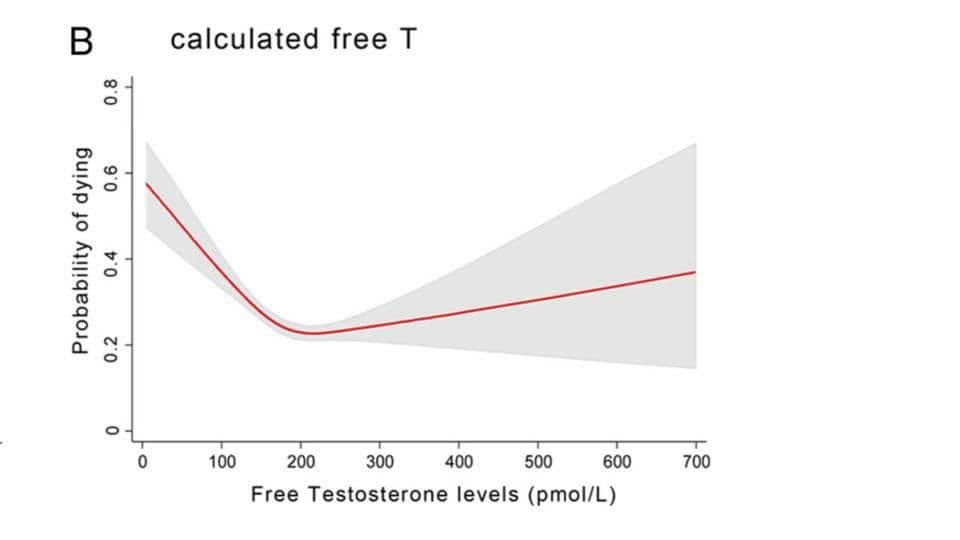
Testosterone for anti-aging lacks proven longevity benefit; high levels tied to deaths

Mar 23, 2024 · Louis Nervegna ♥ 13 · 💬 34 ↩ 1 Hormones, women's & men's health

Louis warns that the only proven benefit of testosterone therapy is treating clinically diagnosed hypogonadism and no credible study shows longevity benefit. He cites data from 3,690 men aged 70-92 showing an inverse U-shaped relation between testosterone and mortality, with risk rising above an optimal level, plus animal studies showing androgens shorten and castration extends lifespan. The animal evidence and sex-difference argument are suggestive, not proof in humans.
Tissues make their own cholesterol: even very low LDL-C does not impair hormone production

Sep 17, 2026 · Louis Nervegna ♥ 15 · 💬 11 LDL, ApoB & lipid panel

Louis explains that the blood holds only a small fraction of the body's cholesterol and that tissues, including the brain, mostly synthesize what they need. The steroid hormone demand supplied by blood is only tens of milligrams a day, easily met at very low LDL-C. He cites FOURIER and ODYSSEY OUTCOMES, in which LDL-C below 15-20 mg/dL did not impair adrenal or gonadal hormone production or vitamin D.

Why the LMHR phenotype happens: starvation-like physiology in lean keto dieters

Jan 25, 2024 · Louis Nervegna ♥ 10 · 💬 11 ↩ 9 Low-carb, keto & carnivore

Louis proposes that the lean mass hyper-responder (LMHR) pattern, with extremely high LDL-C on keto/carnivore diets, reflects an ancient starvation response described in calorie-restriction literature. With near-zero body fat and no carbohydrate, the body acts as if starving, raising circulating LDL to deliver fat as fuel, lowering leptin, LDL receptors and thyroid and sex hormones. He links a trial showing fasting raised LDL and ApoB in healthy non-obese people, and cautions that overdoing restriction is the danger. This is a hypothesis, not proof of harm or safety.

Why LMHR happens: starvation-like physiology in very lean people on keto raises LDL

Jul 23, 2024 · Louis Nervegna ♥ 14 · 💬 4 LDL, ApoB & lipid panel

Reposting his earlier explanation, Louis argues that the lean mass hyper-responder phenotype reflects an old starvation response: with near-zero body fat, no carbohydrate and constant ketosis, the body raises circulating LDL to deliver fat as fuel, while lowering thyroid function and sex hormones. He links to a paper showing fasting increases total cholesterol, LDL-C and apoB in healthy nonobese humans.

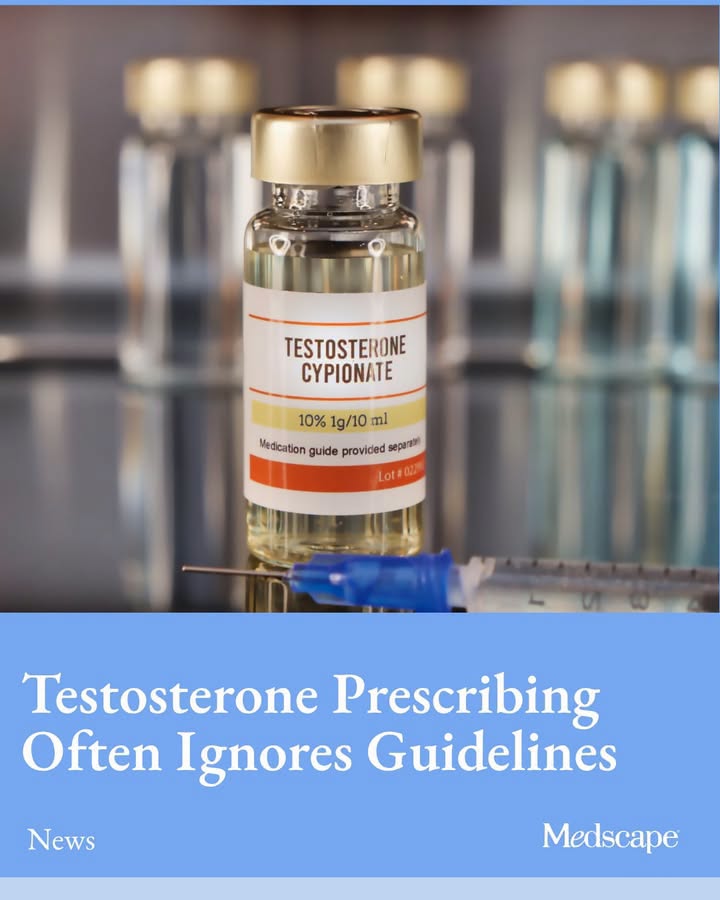
Only 12% of men prescribed testosterone had recommended diagnostic testing

Jun 21, 2026 · Louis Nervegna ♥ 7 · 💬 7 Hormones, women's & men's health

Louis shares a Medscape report of a University of Michigan single-center study finding that most men prescribed testosterone did not get recommended diagnostic testing, and many had contraindications. Prescriptions have quadrupled in three decades despite stable hypogonadism diagnosis rates. Louis's remark about 'incompetence and greed' is opinion.

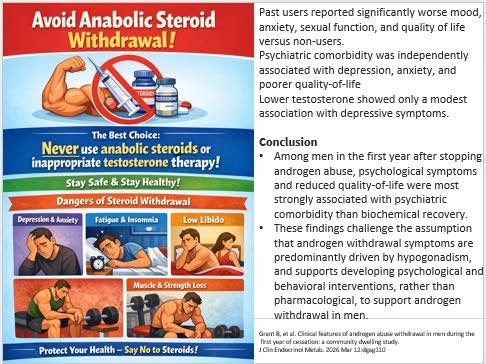
Anabolic steroid users had 3x heart attack and 8.9x cardiomyopathy risk (Circulation)

Mar 15, 2025 · Louis Nervegna ♥ 4 · 💬 5 Hormones, women's & men's health

Louis notes that excess exogenous testosterone is also an anabolic steroid and shares Luigi Fontana's summary of a Circulation study comparing 1,189 anabolic androgenic steroid users with 59,450 controls over 11 years. Users had several-fold higher risks of heart attack, revascularization, clots, arrhythmias, cardiomyopathy and heart failure.

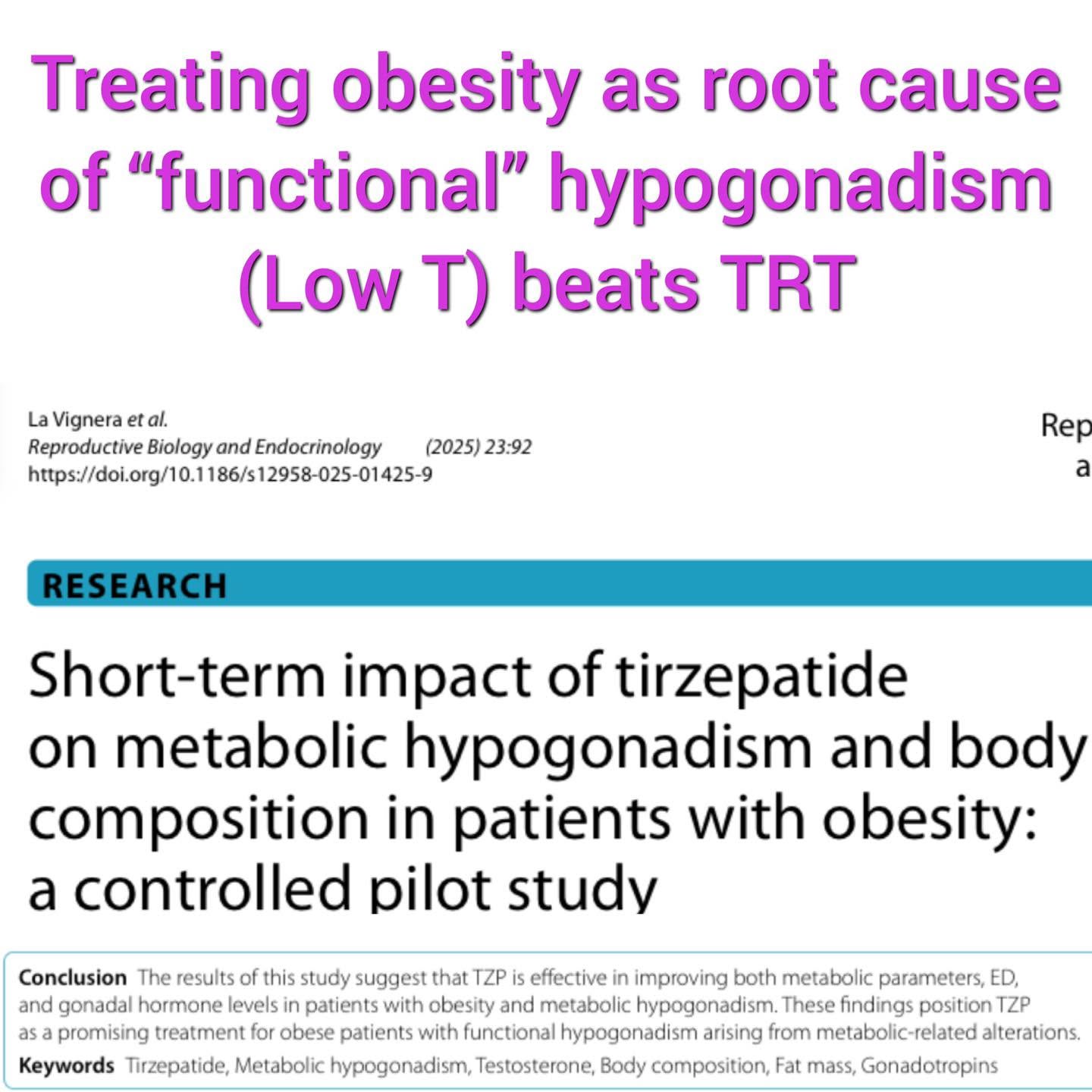
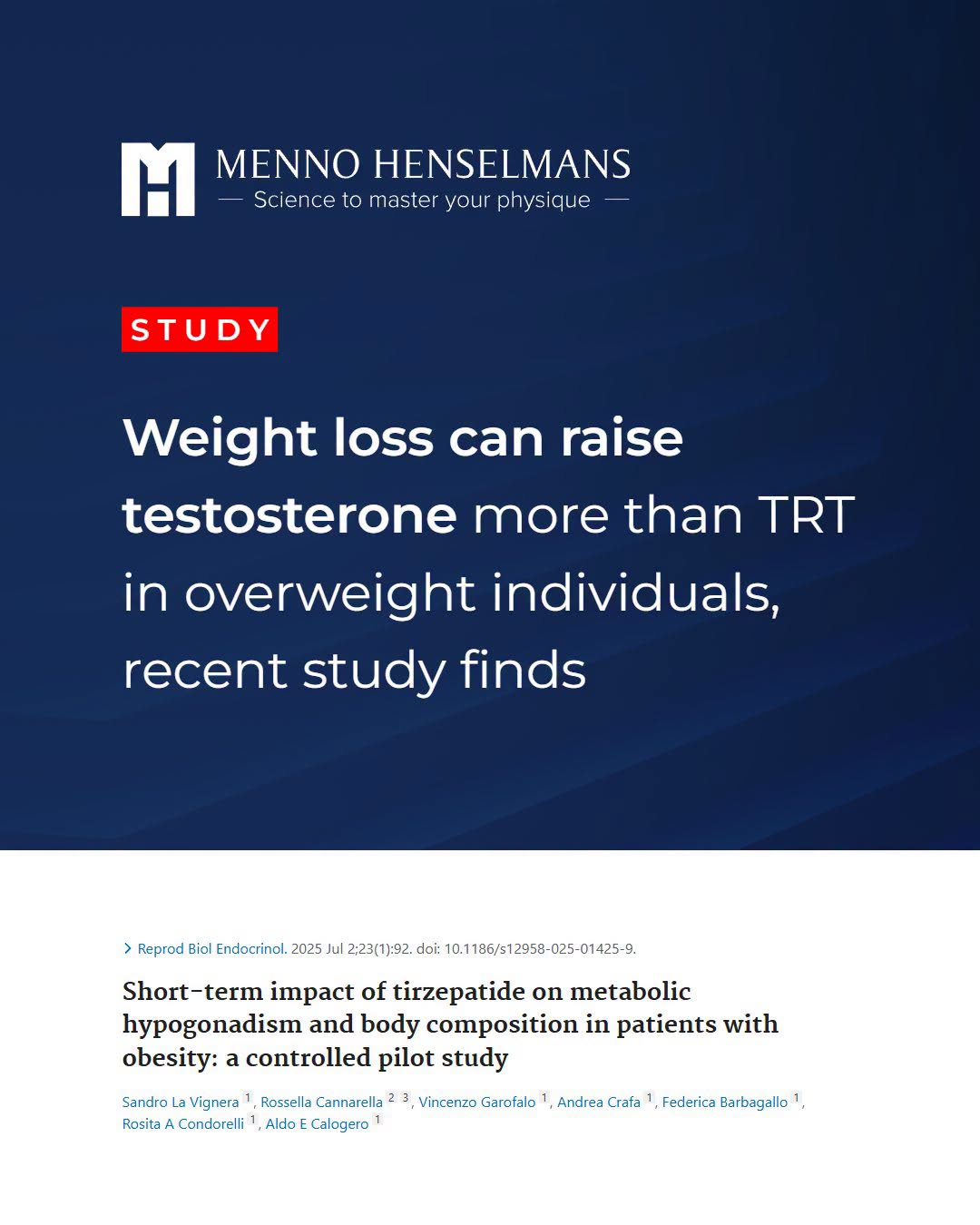
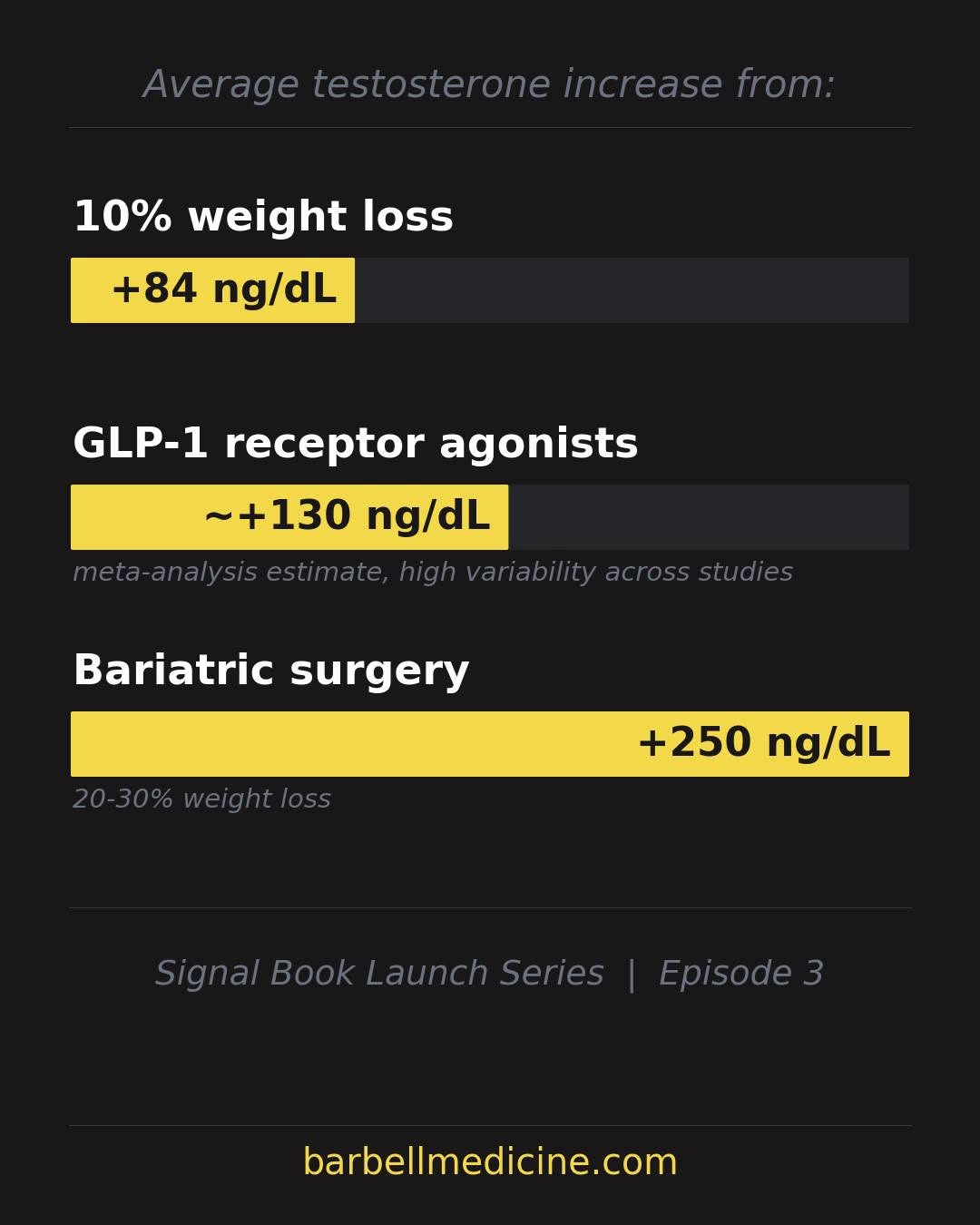
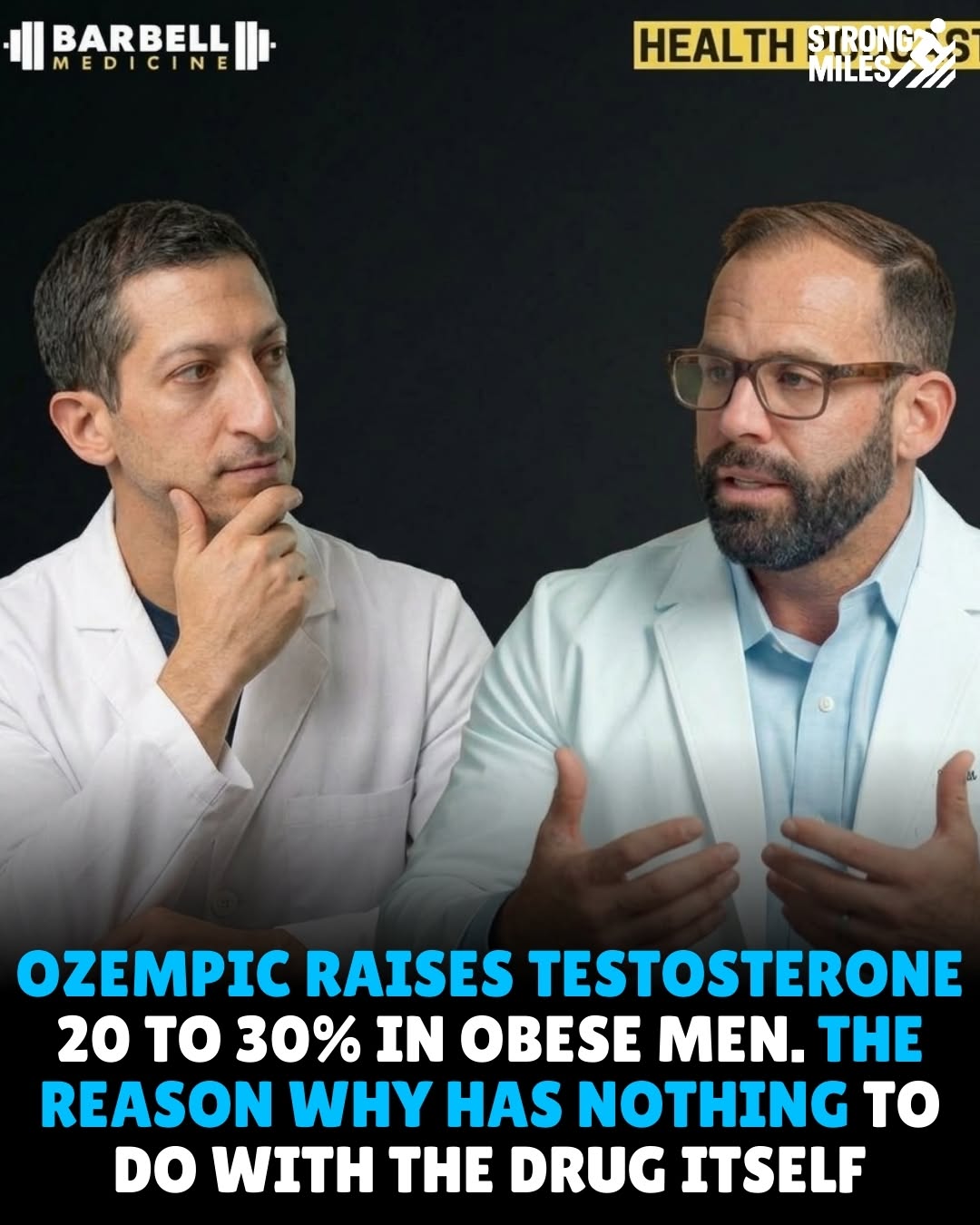
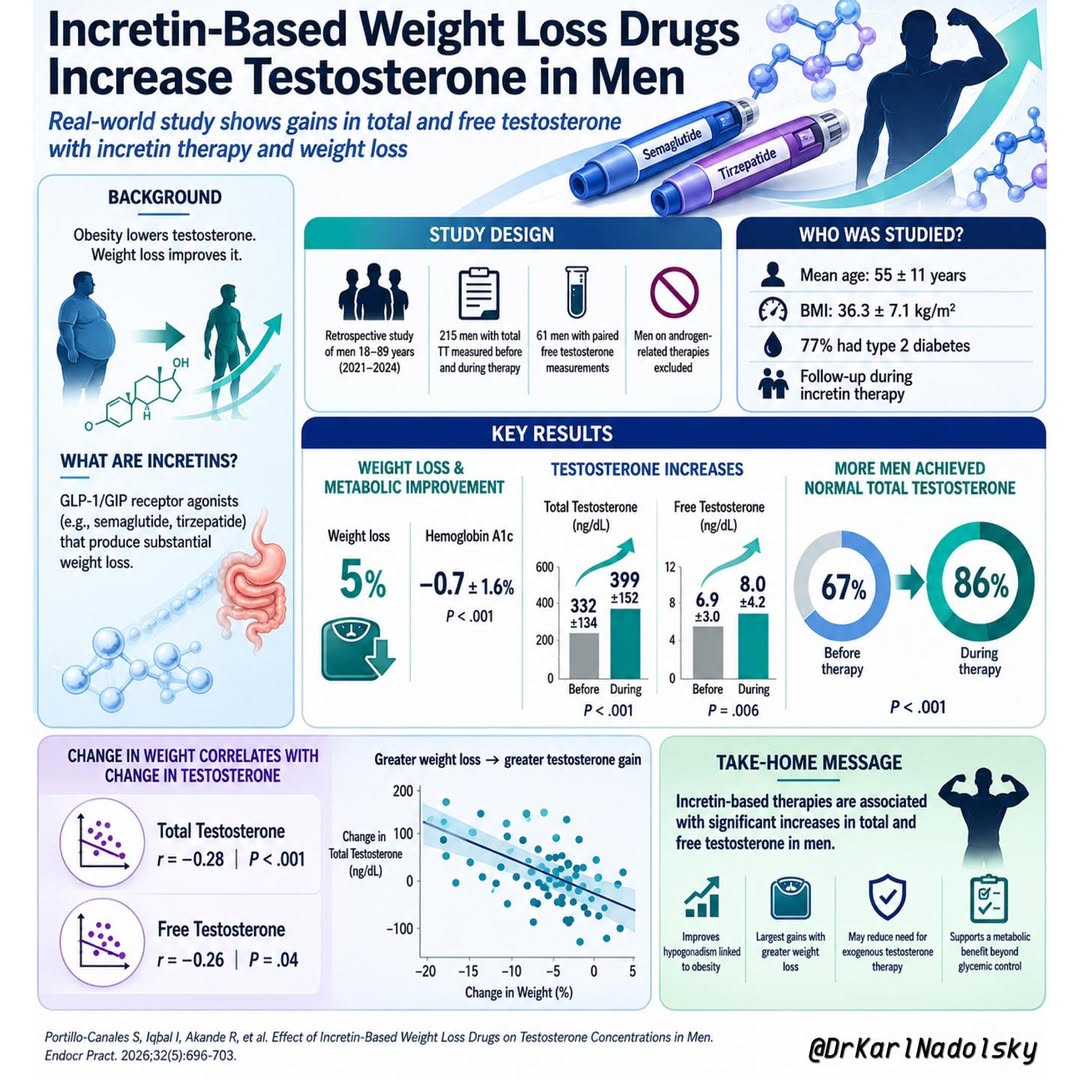
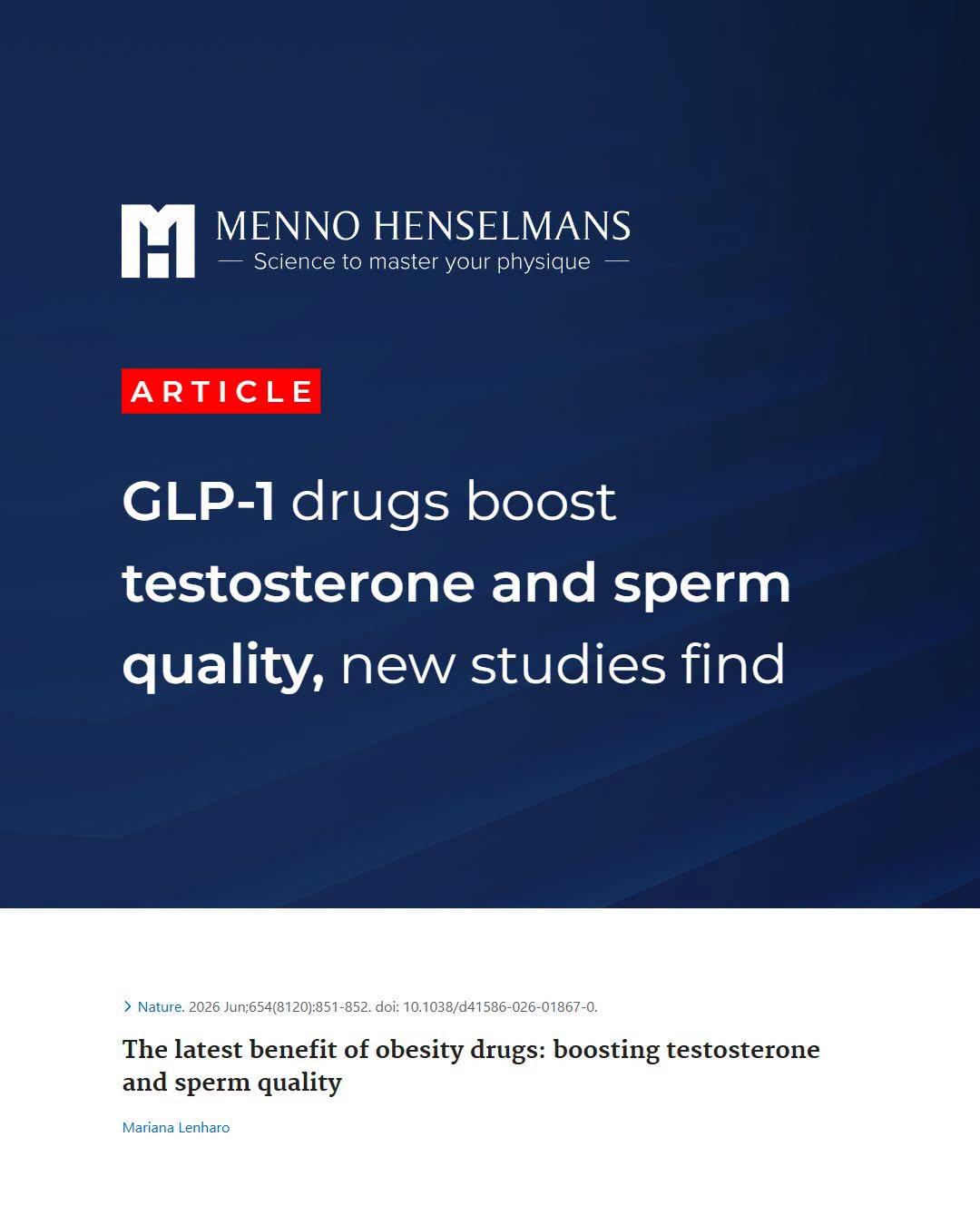
Tirzepatide beat testosterone therapy for raising testosterone in obese men (pilot, n=83)

Jul 19, 2025 · Louis Nervegna ♥ 13 · 💬 1 ↩ 2 GLP-1 drugs (semaglutide, tirzepatide)

Louis argues that low testosterone in middle-aged men is mainly driven by visceral fat and should be treated by fat loss rather than TRT. The shared pilot study in 83 men with obesity found tirzepatide plus lifestyle gave the greatest weight and fat loss and raised testosterone, LH and FSH more than lifestyle alone or TRT.

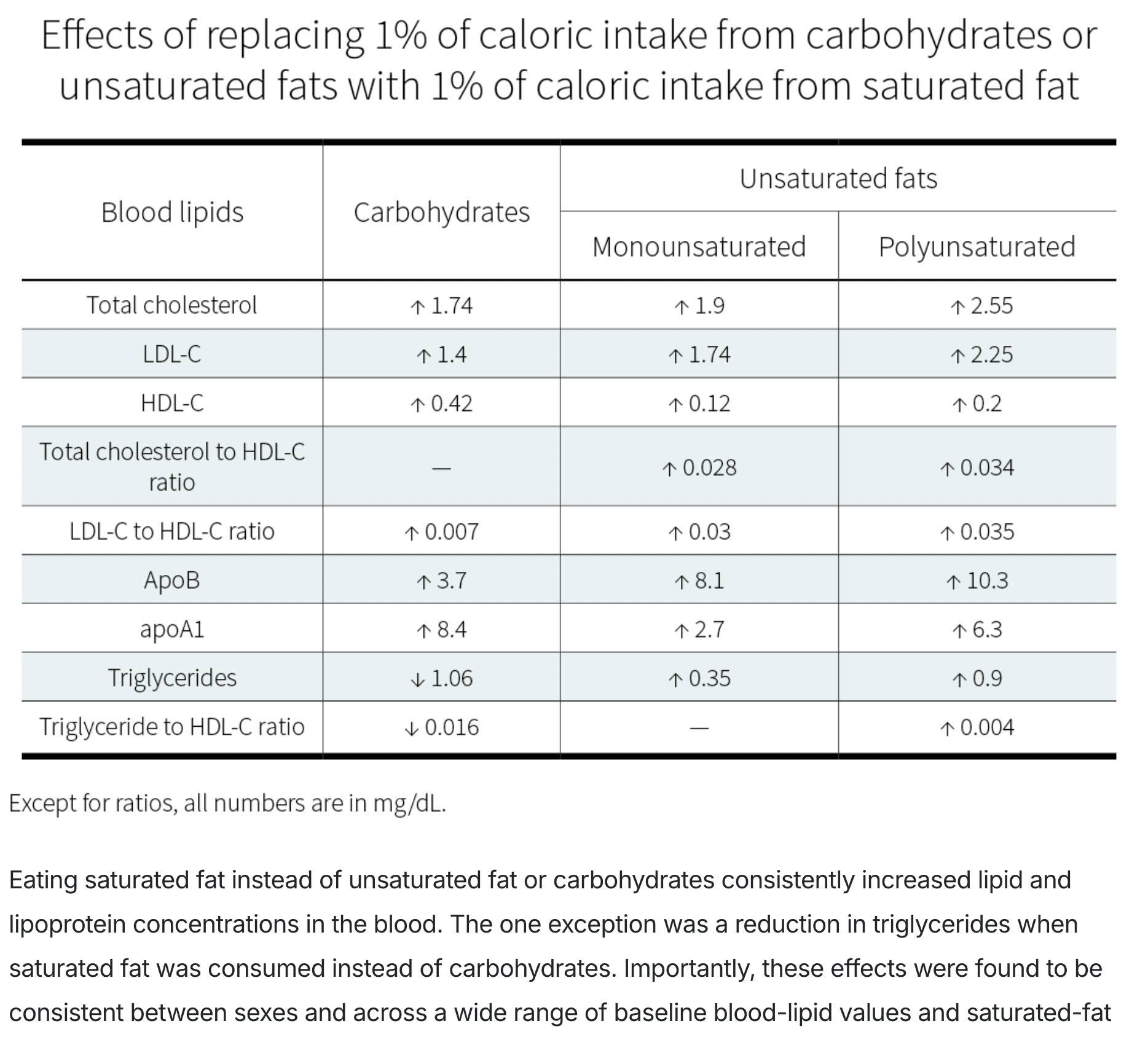
Examine: saturated fat raises LDL-C and apoB in WHO meta-analysis of 84 RCTs

Sep 05, 2024 · Gokhan Can ♥ 5 · 💬 3 Fats & oils (saturated fat, seed oils, omega-6, olive oil)

Summary of Examine's article on saturated fat. A 2016 WHO meta-analysis of 84 RCTs (2,353 healthy adults) examined replacing 1% of calories from carbohydrates or unsaturated fat with saturated fat. Saturated fat raised LDL-C and apoB (suggesting higher risk), and HDL rose only about one-tenth as much as LDL-C, raising the LDL/HDL ratio.

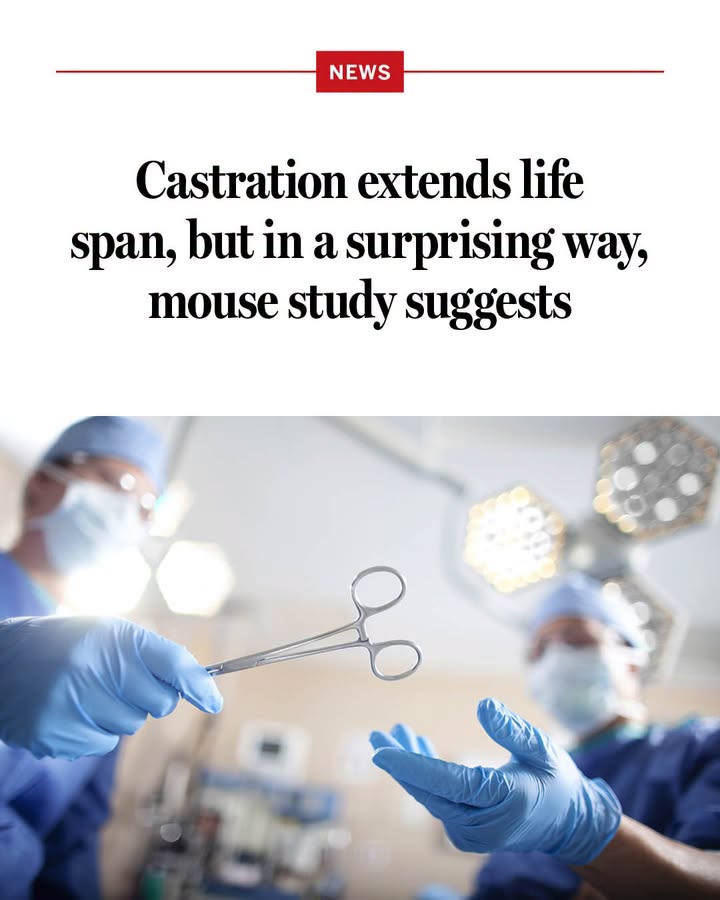
Neutering adult male mice extended lifespan over 30%, doubting testosterone as anti-aging

Nov 04, 2026 · Louis Nervegna ♥ 2 · 💬 8 Aging & longevity

Louis shares a preprint reported by Science in which neutering older male mice lengthened life by more than 30%, even when done in adulthood. He argues this undermines claims that raising testosterone in older men is anti-aging, noting no randomized trial shows benefit in men without clinical hypogonadism. It is mouse preprint data, not a human option.

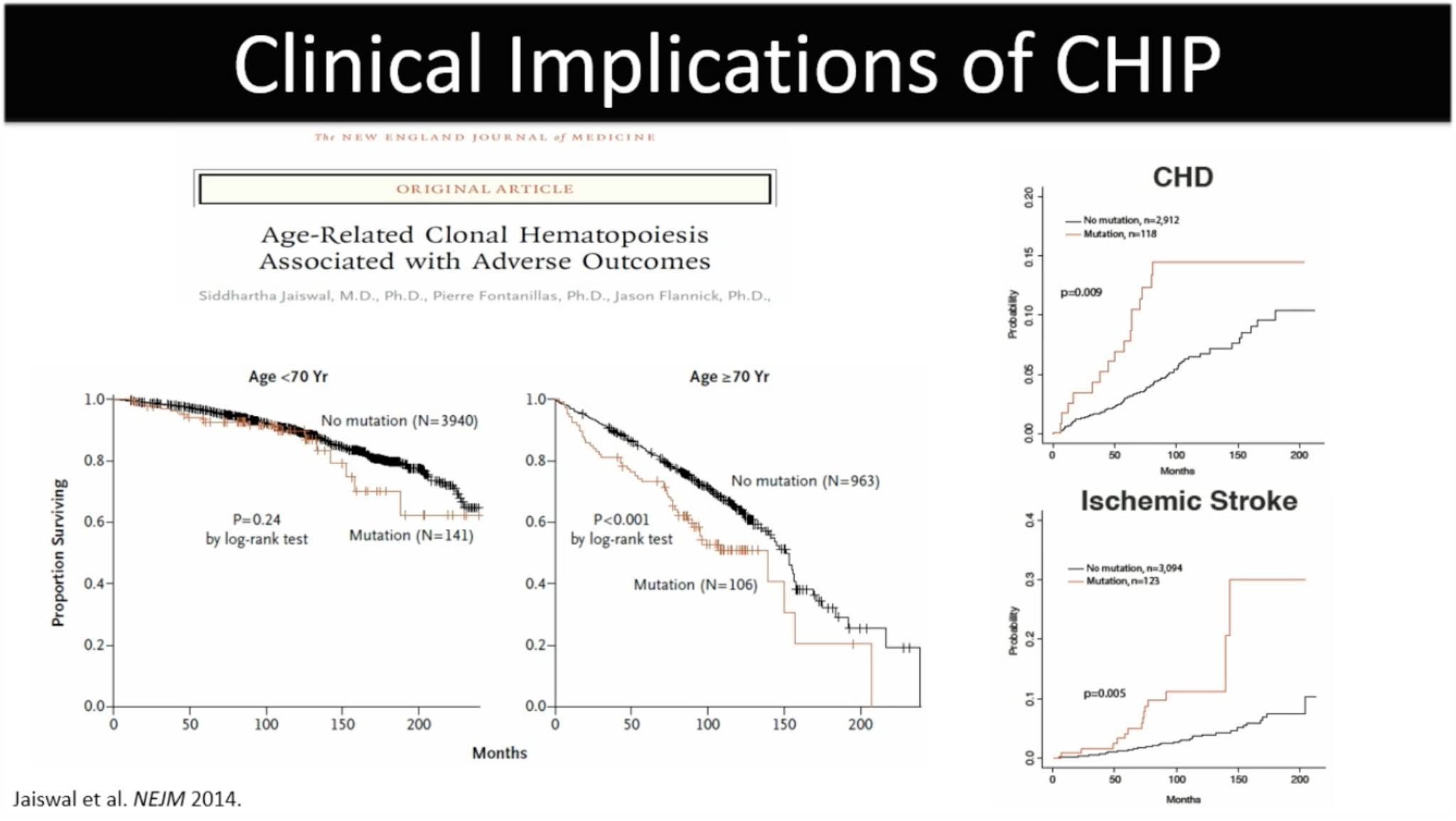
CHIP (clonal hematopoiesis): a little-known risk factor for heart disease and stroke

Apr 08, 2024 · Gokhan Can ♥ 5 · 💬 3 Risk assessment & lab tests

Explains clonal hematopoiesis of indeterminate potential: blood cells carrying acquired mutations that raise the risk of blood cancers, coronary disease and stroke. It becomes more common with age, can be detected with a next-generation sequencing panel, and has no specific treatment yet. The post notes testosterone therapy and anything strongly stimulating bone marrow may help CHIP expand.

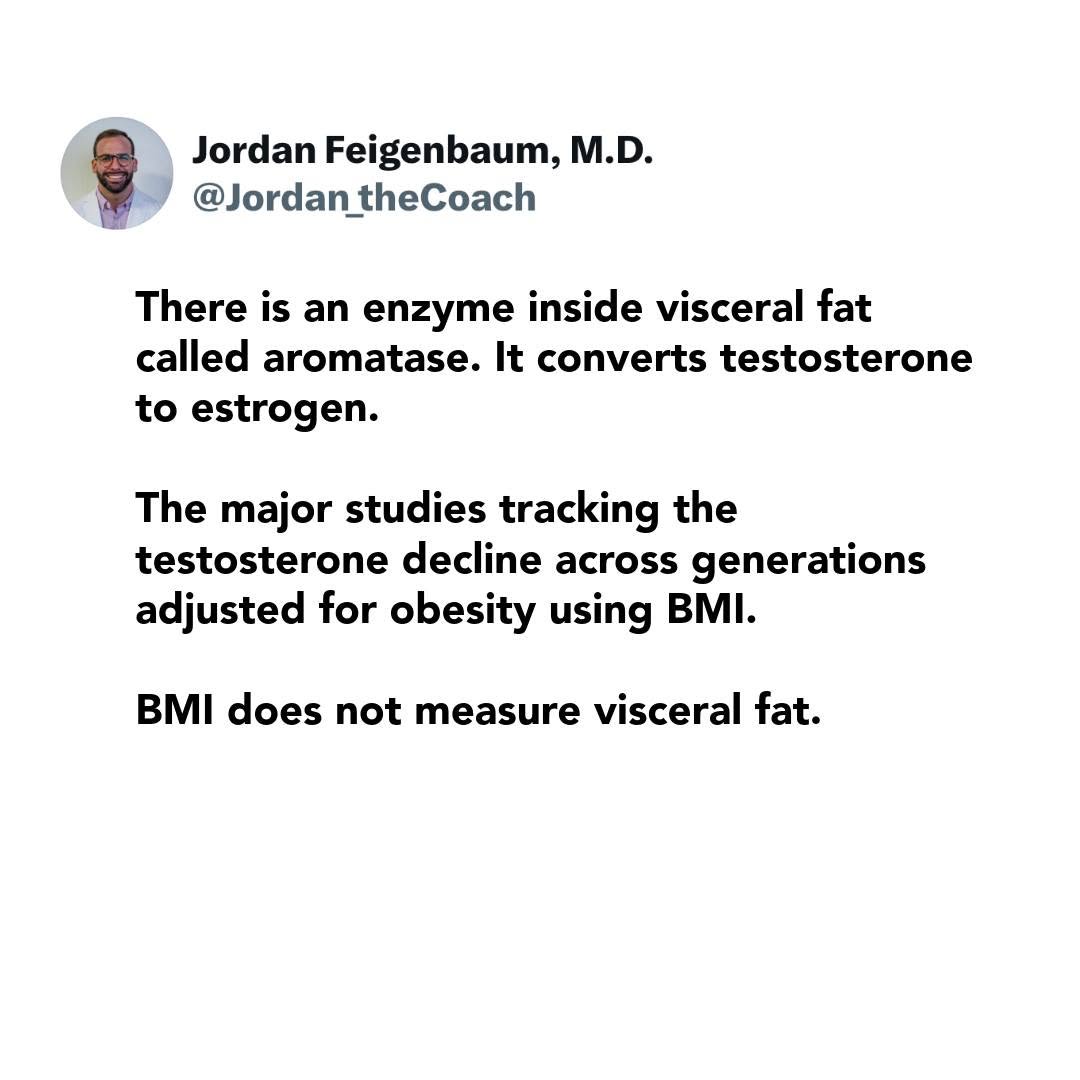
Excess body fat can cut testosterone by up to half a reference range; fat loss restores it

Mar 25, 2026 · Louis Nervegna ♥ 3 Hormones, women's & men's health

Louis posts that overweight and obesity can lower testosterone by as much as half a reference range (about 350 ng/dL) and that losing visceral fat often returns levels to normal. The shared FoundMyFitness post explains that extra fat raises aromatization of testosterone to estrogen, which signals the brain to reduce testosterone production.

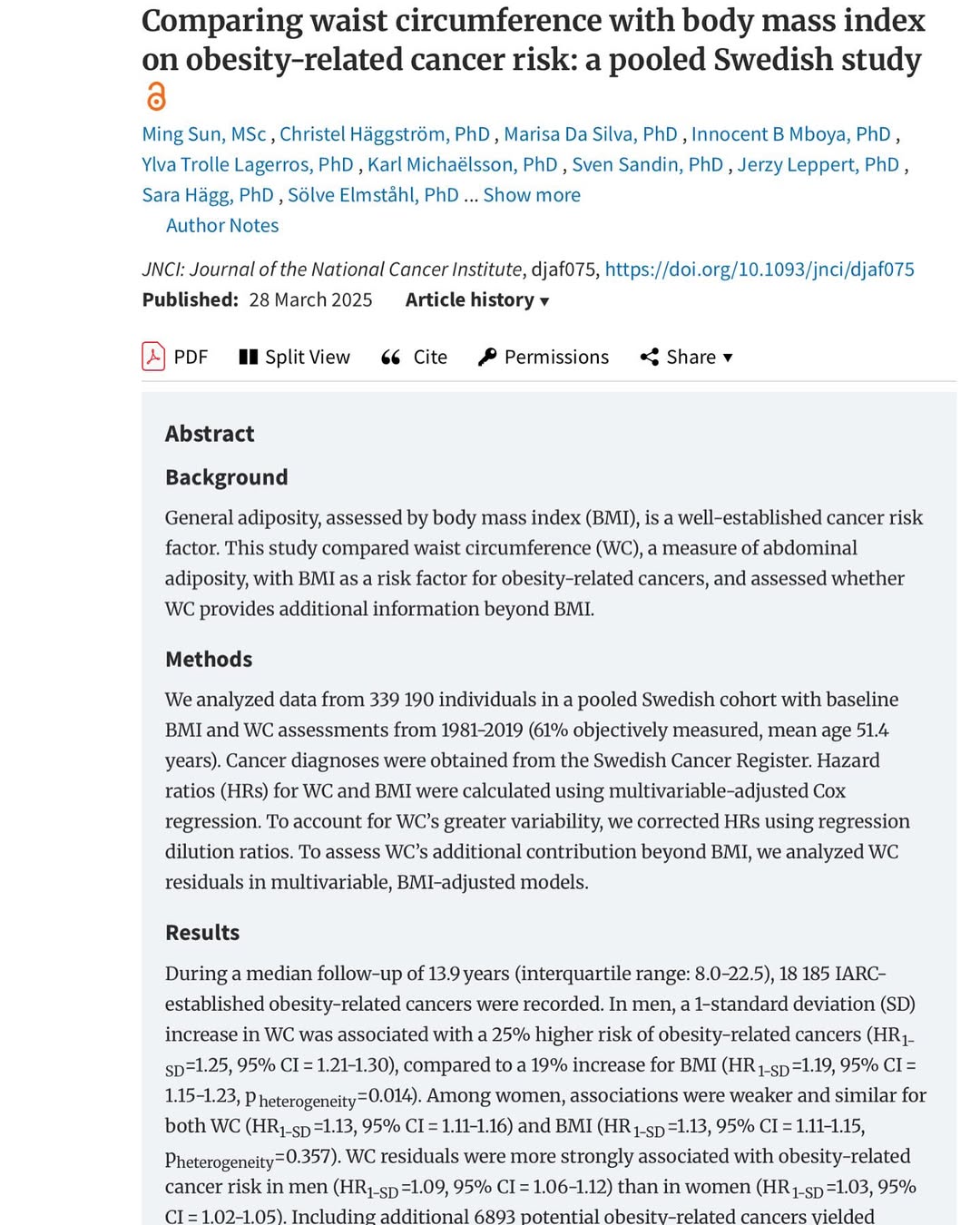
Waist circumference beat BMI for predicting obesity-related cancer in 339,000 Swedish men

Apr 16, 2025 · Louis Nervegna ♥ 2 Weight, visceral & liver fat

Luigi Fontana's summary of a large Swedish cohort showing waist circumference was a stronger predictor of obesity-related cancer than BMI in men, with added value after adjusting for BMI; the link was weaker in women. He argues abdominal fat signals metabolic dysfunction and should prompt deeper evaluation. Primarily cancer, linked to visceral fat.