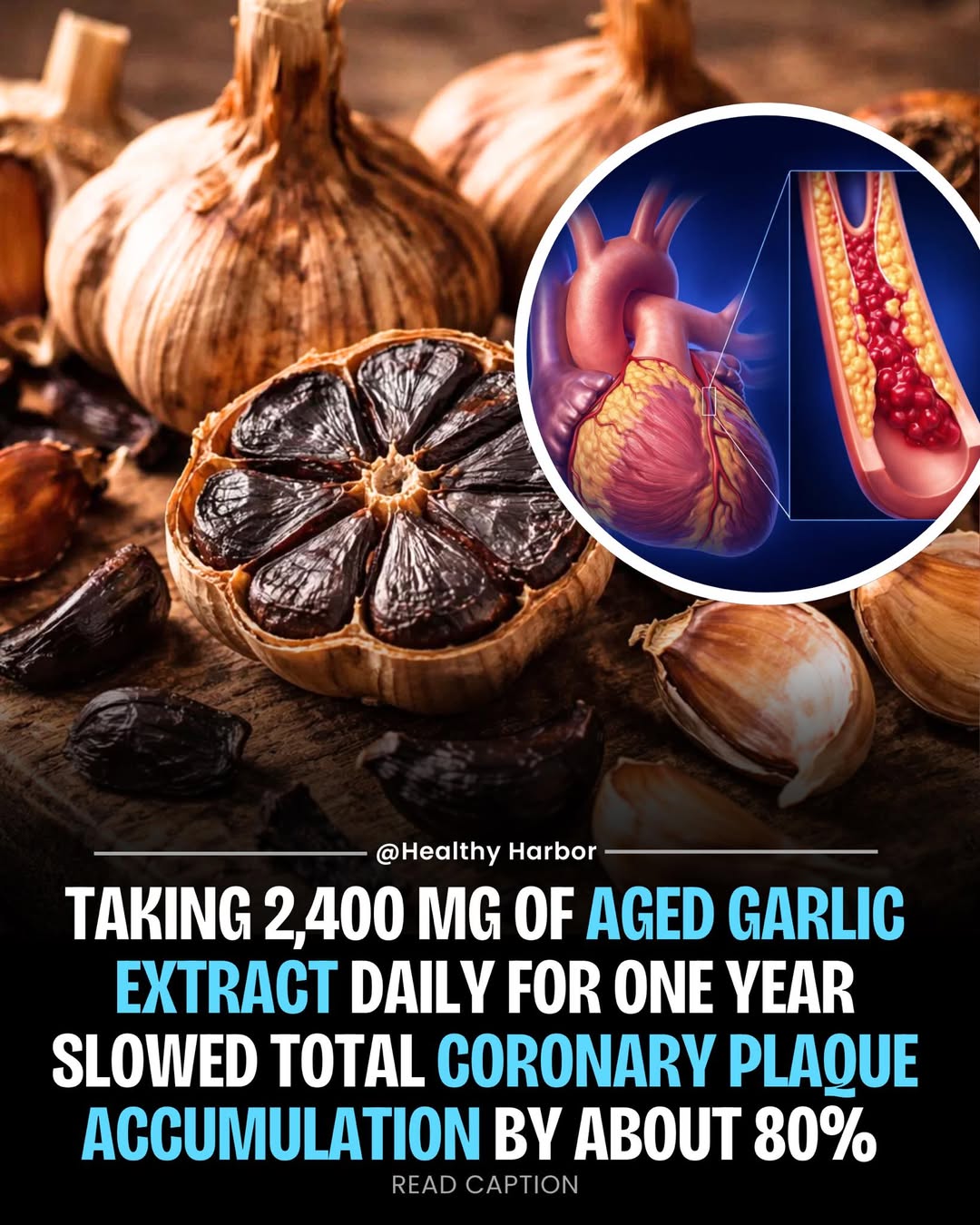
Aged garlic extract reduced high-risk soft plaque in a small CT-angiography RCT
A small randomized, double-blind trial using CT angiography found aged garlic extract reduced low-attenuation soft plaque in coronary arteries of patients with diabetes.
15 posts
A small randomized, double-blind trial using CT angiography found aged garlic extract reduced low-attenuation soft plaque in coronary arteries of patients with diabetes.
Louis summarizes the EVAPORATE randomized trial, where purified EPA (icosapent ethyl) shrank coronary plaque in patients with elevated triglycerides, and warns high doses can increase AFib.
Louis highlights a Budoff-led CCTA trial in which low-dose colchicine reduced percent atheroma volume by over 1% in a year, with lower CRP and a slowing of calcified plaque. He contrasts this with the Keto-CTA study, where PAV rose 0.8% on a keto diet. Budoff notes it was a small study but supports colchicine in chronic stable coronary disease.
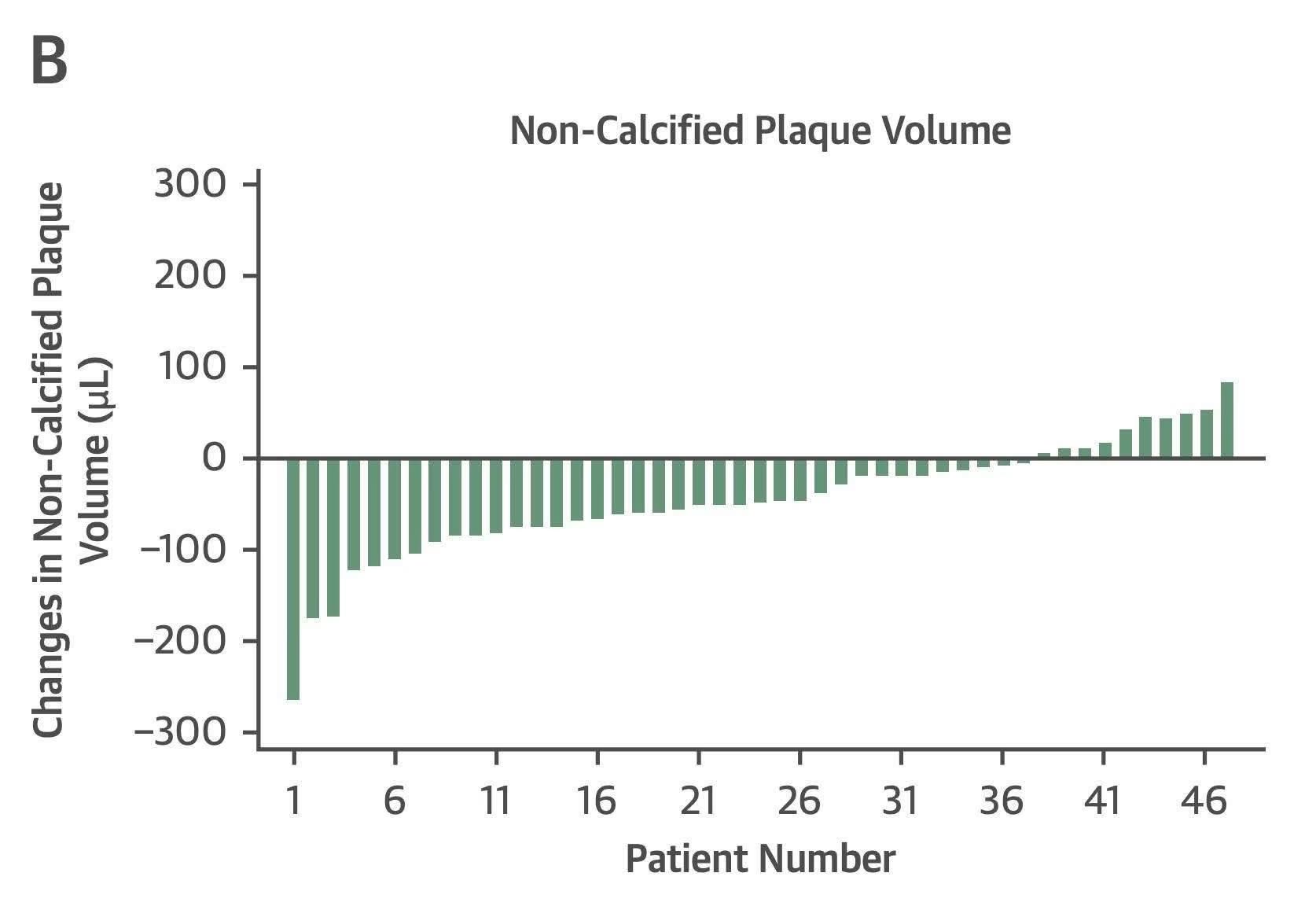
In a small imaging study, intensive LDL lowering with the PCSK9 inhibitor evolocumab (average LDL about 30 mg/dL) shrank non-calcified plaque while total plaque volume was unchanged. Louis compares this with the roughly 5 uL/year soft plaque growth in people untreated at risk.
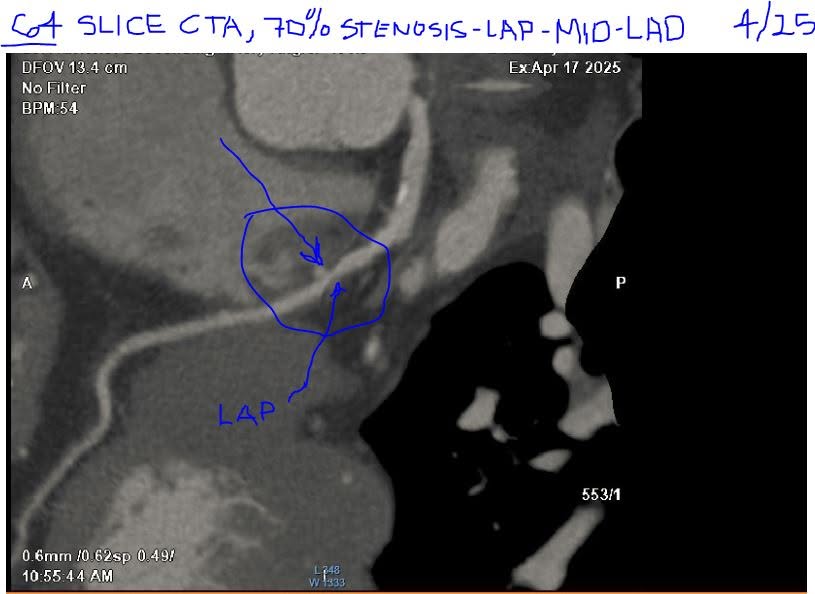
Louis shares a member's case: a 70% stenotic soft plaque in the LAD shrank on CCTA after about 6 months on 6 g/day OTC EPA plus baby aspirin and no statin. He links it to EVAPORATE and warns high-dose fish oil can raise AFib risk.
Louis cites a video in which Keto-CTA principal investigator Matthew Budoff recommends statins, low-dose aspirin and tight blood pressure control for patients on keto diets with significant plaque on CT angiography, and CT scans for his ketogenic patients. He says the statin is to treat plaque, since statins slow plaque progression even at low LDL.
Louis covers a 2017 randomized trial by Matthew Budoff using CT angiography. Testosterone users had much more noncalcified plaque growth than placebo, compared with a typical ~5 mm3/year; TRT is beneficial only in true hypogonadism.
Louis highlights a video in which Keto-CTA senior author Matthew Budoff reportedly acknowledges major problems with the published paper, says a revised version will replace it, and the JACC editor will publish a statement. Louis adds strongly worded opinion about Budoff's involvement.
Louis summarizes a 2017 RCT by Matthew Budoff in which older men on testosterone had about 41 mm3 greater soft plaque (NCPV) growth in a year versus placebo, equal to roughly 8 years of typical progression. He notes TRAVERSE (2023) found no increase in heart attacks or strokes with treated hypogonadism over a few years.
Summarizes three small double-blind RCTs using Kyolic aged garlic extract (about 1.2 g/day) with CAC as a surrogate. In each, CAC progression over a year was lower than with placebo, though the studies were small and used some co-supplements.
Louis says that, per a video, the Keto-CTA authors did not know the primary outcome result after publication, and Budoff says claims his co-authors made on social media are wrong and that he is rewriting the paper. Commentary based on a YouTube analysis.
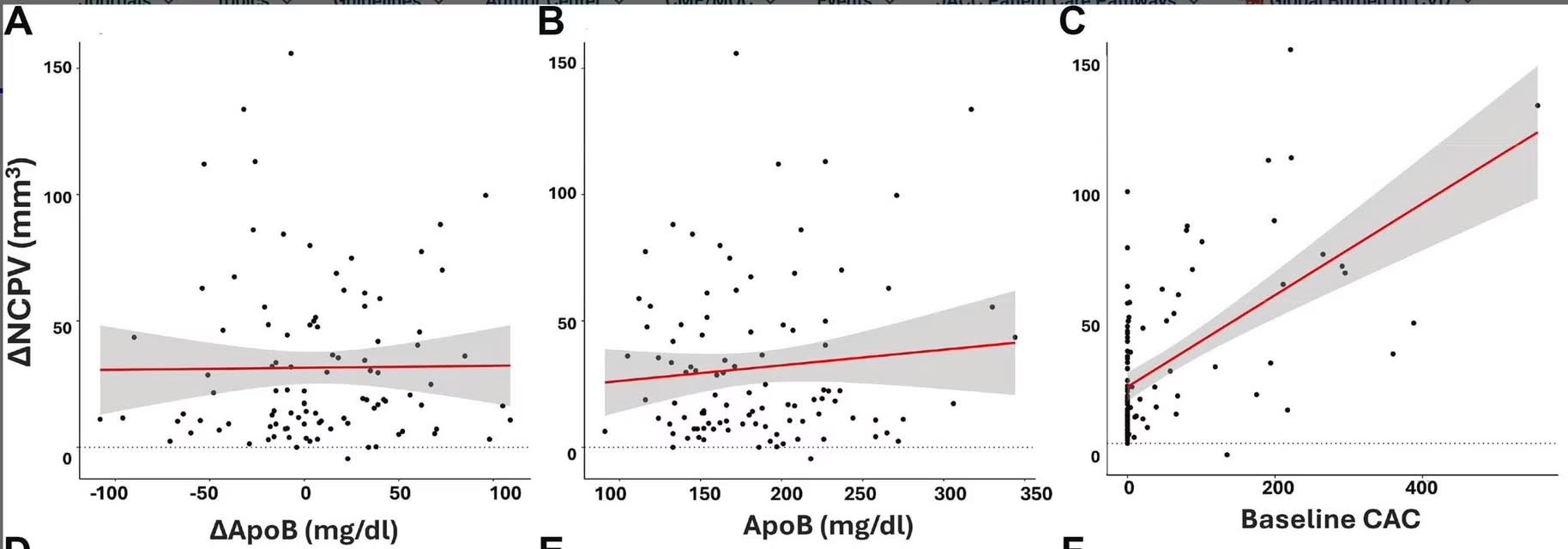
Louis compares non-calcified plaque volume (NCPV) changes in the Keto-CTA (LMHR) study with a second Matthew Budoff study in higher-risk people whose LDL was lowered to about 30 mg/dL with the PCSK9 inhibitor Repatha. The lean, healthy keto group with LDL 254 mg/dL progressed, while the hypertensive, higher-risk Repatha group mostly showed major regression. He also notes that uL and mm^3 are the same unit when comparing NCPV across studies.
Gokhan shares a short Radcliffe Cardiology video in which Dr Matthew Budoff presents CT data and key EVAPORATE findings on how icosapent ethyl, with or without a PCSK9 inhibitor, affects plaque. No commentary was added; the video was supported by an Amarin educational grant.
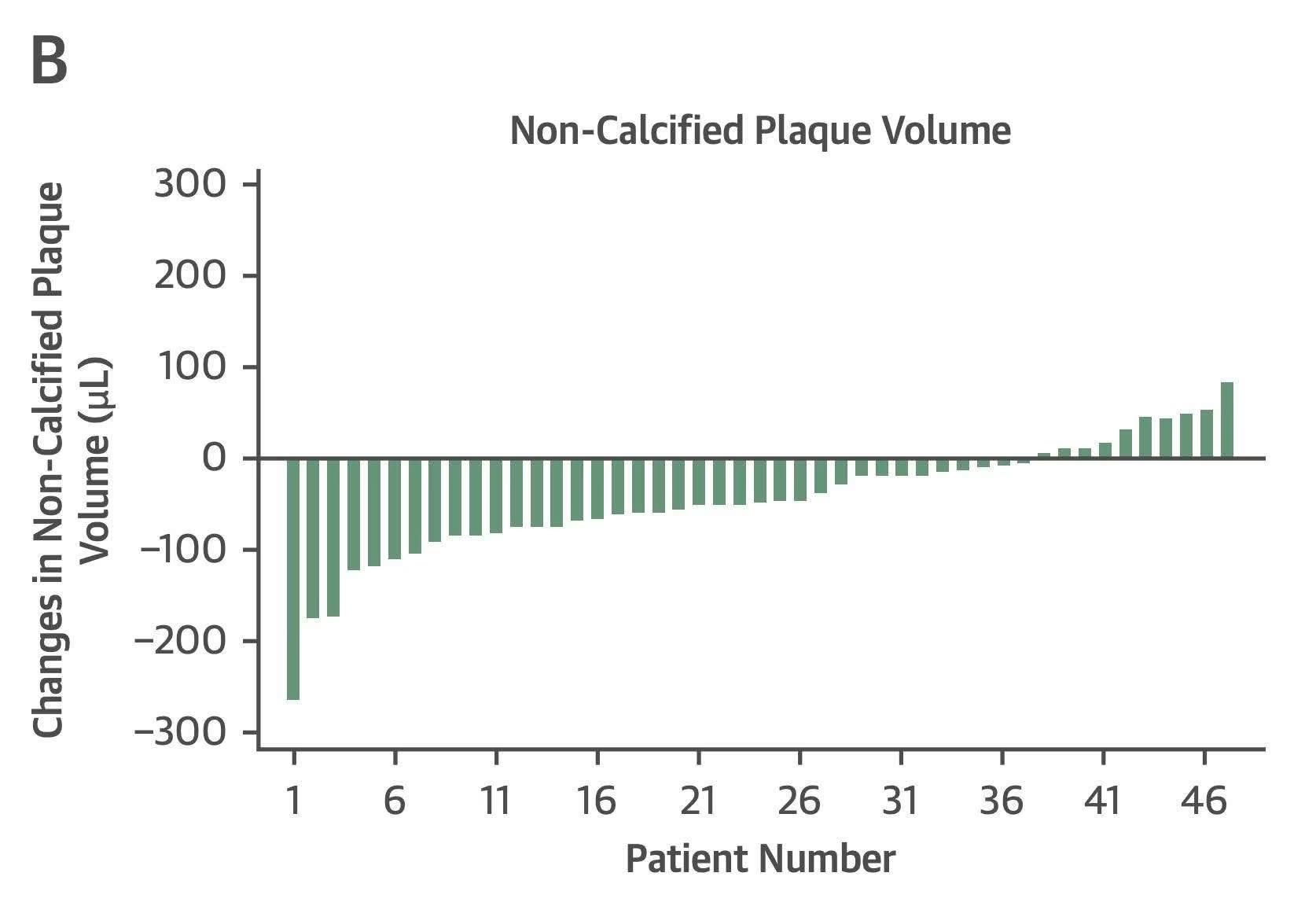
Louis explains a small uncontrolled study of the PCSK9 inhibitor evolocumab with CT angiography. Average LDL was about 30 mg/dL, 37 of 47 patients had some non-calcified plaque regression, and many had large reversals worth years of typical growth (about 5 mm3 per year). He cautions it was small with no randomization or control group, and that PCSK9 monotherapy is not yet proven to reduce heart attacks.
Louis quotes Alex Leaf's critique: the Keto-CTA paper barely mentioned non-calcified plaque volume (NCPV), the primary outcome, saying only 'most participants presented with stable NCPV'. The lead author later gave a median increase of 18.8 mm3, over 2.5x the 7 mm3 predicted, comparable to metabolic syndrome over 3 years or type 2 diabetes per year, and nearly 3x SMARTool high-risk non-statin users.