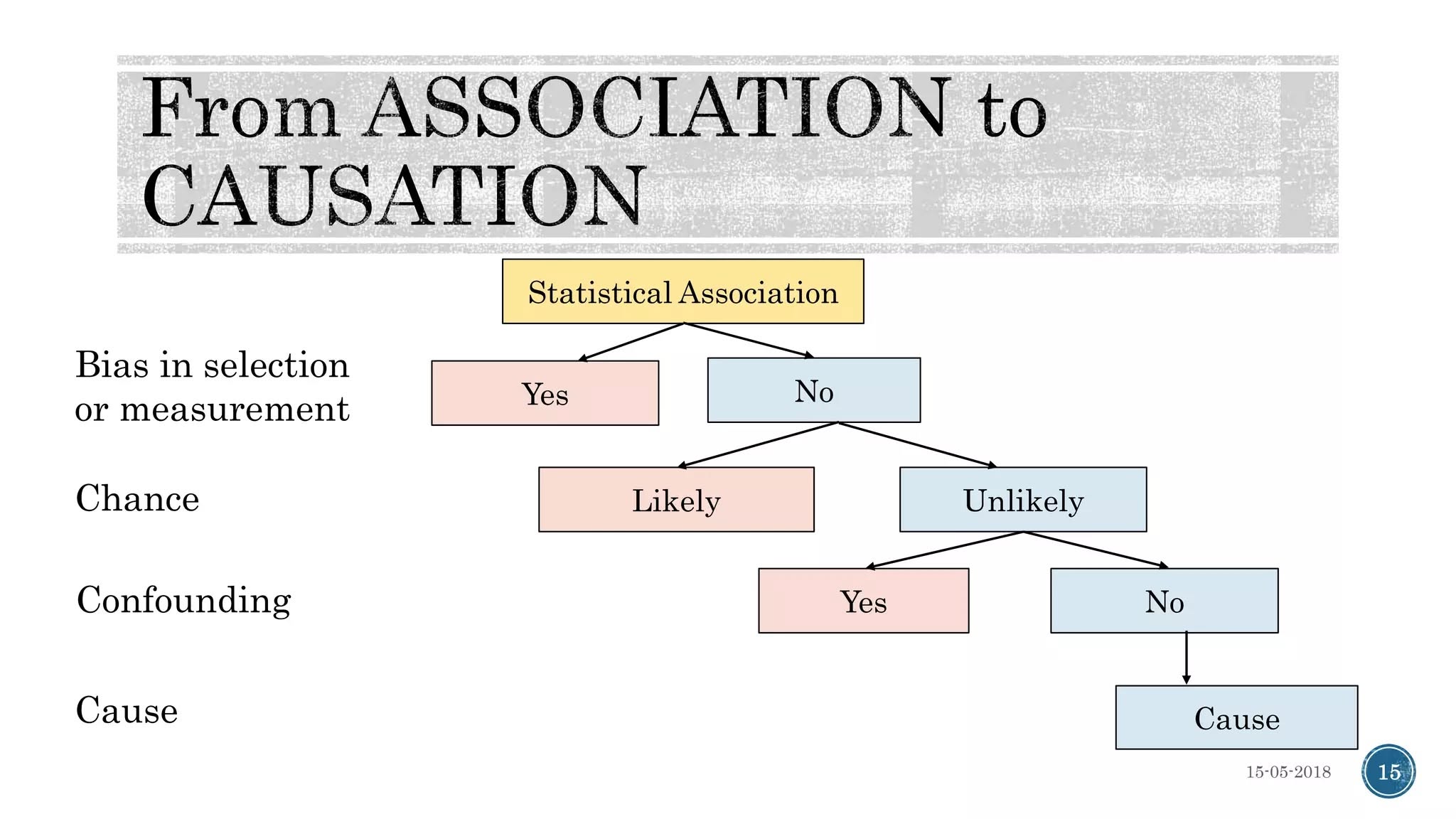
This recent observational study on fish oil and Alzheimer’s made headlines on social media. The results contradicted numerous well-done studies showing the opposite.
Reverse causality is the most likely explanation.
Louis shares USC neurologist Hussein Yassine's critique of an ADNI observational study reporting faster cognitive decline in fish oil users. The likely explanation is reverse causation: people notice early memory problems and start supplements. It contradicts well-done studies and decades of biological reasoning.
This recent observational study on fish oil and Alzheimer’s made headlines on social media. The results contradicted numerous well-done studies showing the opposite.
Reverse causality is the most likely explanation.
yassinelab.orgWhat a New Study Gets Wrong About Fish OilAnd why association is not causationyassinelab.org
Hussein Yassine, Professor of Neurology at USC, researches APOE ε4, lipid metabolism, and dementia risk. In a May 10 substack post, he provides a nuanced interpretation of a study about fish oil supplements and risk of dementia diagnosis.
🧠 The Headline Finding (and Why It Raised Eyebrows)
A study using data from the Alzheimer’s Disease Neuroimaging Initiative ( ADNI) reported something unexpected:
➤ People taking omega-3 (fish oil) supplements showed faster cognitive decline than those who didn’t.
This decline showed up on standard tests (like MMSE and ADAS-Cog), and brain scans suggested reduced glucose metabolism (a marker of brain cell dysfunction), not classic Alzheimer’s markers like amyloid or tau.
🔹 Why This Finding is Surprising
Omega-3s (especially DHA) are widely thought to be neuroprotective, supporting:
➤ Brain cell membranes
➤ Synaptic function
➤ Anti-inflammatory processesSo a harmful effect would contradict decades of biological reasoning.
⚠️ Why This Result May Not Be Valid:
🔹 The key issue: this was an observational study, not a randomized trial.
➤ Reverse causation (the biggest concern) : People may have started fish oil because they were already noticing subtle cognitive decline. Early Alzheimer’s changes can begin years before tests detect them People often self-medicate (or are advised to) during this phase.👉 So the study may be detecting:
“People declining faster are more likely to take supplements” NOT “Supplements cause decline”➤ Hidden differences between groups
Even with statistical matching, supplement users may differ in ways that aren’t measurable, with more health concerns, early symptoms not captured in data, different medical advice.👉 These are called "unmeasured confounders", and they can fully explain the result.
➤ The “wrong direction” problem
Usually, supplement users look healthier (healthy user bias), but here they looked worse — which suggests:
👉Something unusual (like confounding or reverse causation) is likely driving the result.➤ Supplement quality (a plausible but unproven explanation)
Fish oil is chemically fragile and easily oxidized; many commercial products are partly oxidized before consumption. Oxidized fats can produce harmful byproducts
👉 If anything real is happening, it may reflect: Poor-quality supplements — not omega-3 biology itself🧪 What Stronger Evidence Shows
🔹 Large population-based data over time from the UK Biobank found Omega-3 users had lower dementia risk, not higher.
🔹Randomized controlled trials (RCTs) in which people do not know whether they are on a supplment or not are considered much more reliable.
They consistently show:➤ No meaningful benefit in people with Alzheimer’s or mild cognitive impairment (not separating out ApoE 4 carriers)l but also no meaningful harm
👉 So the best evidence says:
Omega-3 supplements are neutral, not dangerous❤️ Why APOE4 matters for omega-3s
🔹 People with APOE4:
➤ Transport fats differently in the brain
➤ May have reduced DHA delivery to neurons
➤ Often show earlier metabolic dysfunction👉 This creates two important possibilities:
- ApoE4 carriers might benefit MORE — if treated early
🔹 The PreventE4 trial is a major ongoing study testing high-dose DHA in cognitively normal APOE4 carriers (before symptoms)
👉 If positive, it would suggest:
Timing is everything — intervention must happen before damage begins🔹 APOE4 carriers MIGHT respond differently or poorly in later stages when brain glucose metabolism is impaired, oxidative stress is high, mitochondria are dysfunctional in that environment. DHA may not be used effectively
It may even be more prone to oxidation👉 So in APOE4 carriers:
Omega-3s may help early, but have limited impact later❤️ Take-Aways (Especially for APOE4 Carriers)
The ADNI study is interesting but not causal.
The most likely explanation is reverse causation, not harm.
Early, preventive strategies may matter more than late treatment
Results from the PreventE4 trial are highly anticipated
Response to omega-3s is likely individual and timing-dependent👉 The big picture:
Alzheimer’s prevention is driven by systems and lifestyle, not a single nutrient.This post was created using ChatGPT in part to summarize Dr. Yassine's substack, which is available at the link.
Louis comments on a Medscape report of a trial of high-dose omega-3 in older adults at high dementia risk. It found no improvement in memory, cognition or hippocampal volume, although DHA reached the cerebrospinal fluid equally in APOE4 carriers and non-carriers. He notes the trial was short at two years, and APOE4 carriers with the highest DHA to arachidonic acid ratio declined less.
Louis reports the PREVENT-E4 randomized trial found no cognitive or hippocampal-volume difference between DHA and placebo over two years, though it showed 2 g DHA reached spinal fluid equally in APOE4 carriers and non-carriers. The trial was small and designed mainly to test brain penetration.
Louis quotes a Harvard Gazette profile of JoAnn Manson, whose VITAL randomized trial of 25,000 people aged 50 and older tested vitamin D and fish oil omega-3. The quoted text reports a 28% reduction in heart attack with omega-3 (about 40% in those with low fish intake) and little effect of vitamin D on heart disease.
Louis shares a Rutgers clinical trial of alpha-linolenic acid in APOE4 carriers. The rationale is that APOE4 carriers transport DHA poorly across the blood-brain barrier, which may explain weak DHA trial results, while ALA enters the brain more easily and can be converted locally to DHA. ALA is found in plant foods such as flaxseed.
A genetic analysis of 13,541 ASPREE participants found aspirin did not prevent dementia overall, but in the top 20% of a platelet-count genetic score dementia occurred in about 1% on aspirin versus 3.3% on placebo. Major bleeding was more than twice as common in this subgroup, so the post cautions against starting aspirin for dementia prevention.
The European Commission approved obicetrapib, a low-dose oral CETP inhibitor, on 21 September 2026 in two versions: obicetrapib 10 mg alone and combined with ezetimibe 10 mg. Phase 3 trials reported LDL-C reductions of about 40% alone and about 50% with ezetimibe versus placebo. The poster says the drug has shown promise for both cardiovascular disease and Alzheimer's.