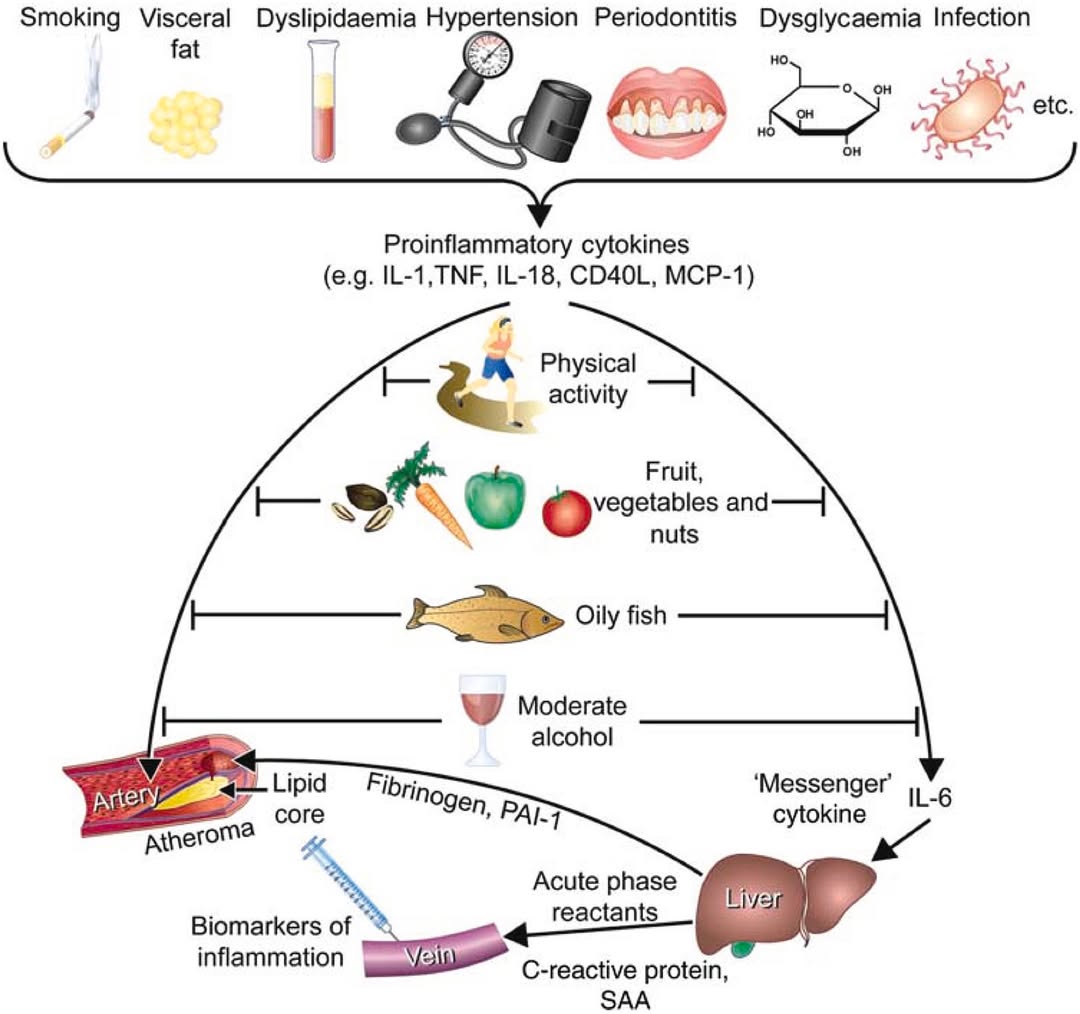
The latest scientific statement from the American College of Cardiology (ACC) on inflammation and CVD:
Paper · J Am Coll Cardiol · 2026Inflammation and Cardiovascular Disease: 2025 ACC Scientific Statement: A Report of the American College of Cardiology.The crucial role of inflammation in the pathogenesis and clinical outcomes of cardiovascular disease (CVD) has recently gained increased attention. In particular, residual inflammation, measured with high-sensitivity C-reactive protein (hsCRP) remains strongly predictive of recurrent events, even in statin-treated patients. Similarly, elevated hsCRP in apparently healthy individuals identifies a higher-risk group in…jacc.orgfacebook.com/share/v/1Brs4i2eKC
Quoted:
The evidence linking inflammation with ASCVD is no longer exploratory but is compelling and clinically actionable," write the authors, led by Writing Committee Chair George A. Mensah, MD, FACC. "The time for taking action has now arrived."
- High-sensitivity C-reactive protein (hsCRP) is an inexpensive and widely available blood test. While there has been debate within the medical community regarding the utility of hsCRP, this statement details the data confirming its value in clinical decision making in primary and secondary prevention.
- In patients with known CVD, hsCRP level is at least as predictive of future events as LDL cholesterol levels, even in patients treated with statin therapy.
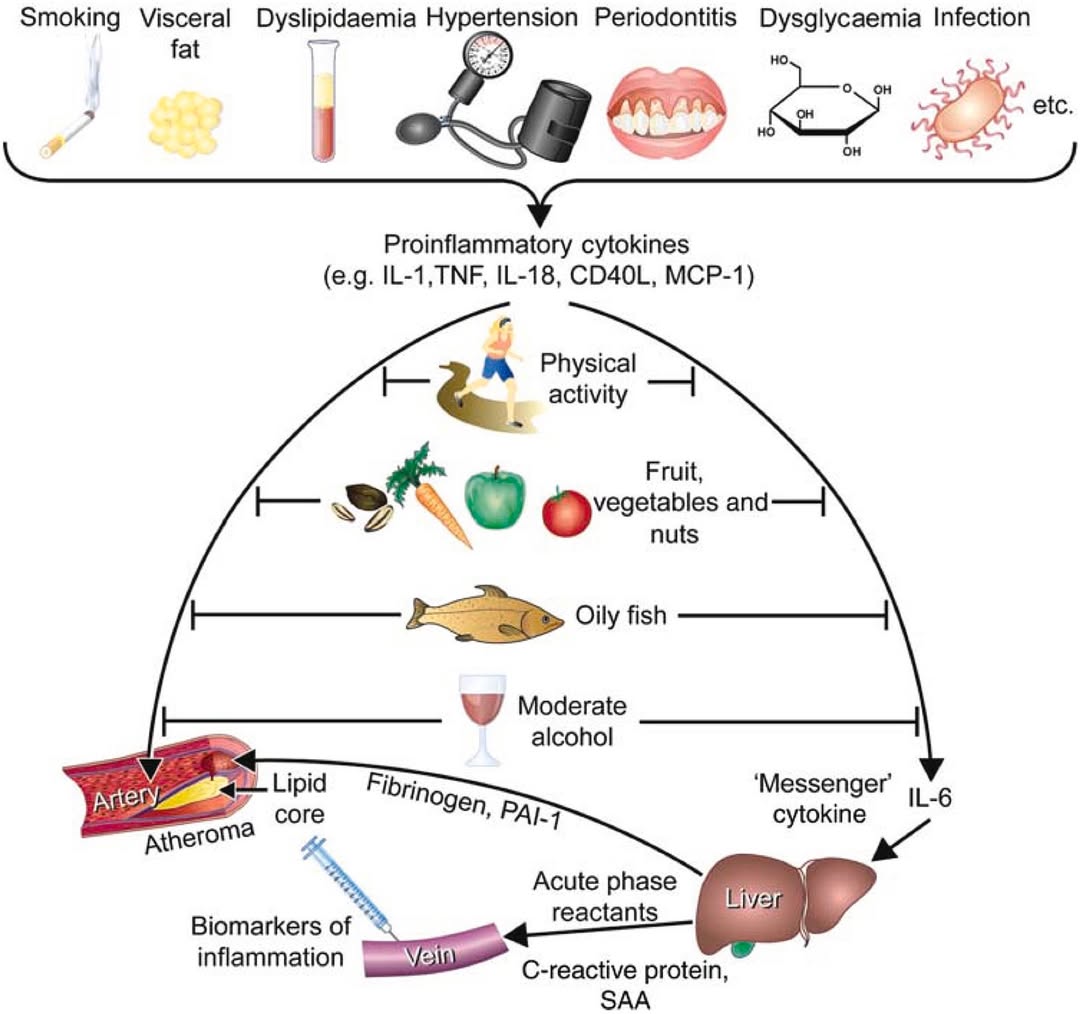
- The important role of lifestyle interventions to reduce systemic inflammation is emphasized, including regular exercise (at least 150 minutes/week), Mediterranean or DASH Diet, and intake of omega-3 fatty acids, including two to three meals per week of fatty fish high in EPA and DHA. This advice aligns with lifestyle management recommendations in the 2025 ACC/AHA High Blood Pressure Guideline.
#inflammationHD #crpHD #accHD #mediterraneanHD #dashHD #omega3HD #seafoodHD #fishHD #fishoilHD #guidelinesHD #alcoholHD