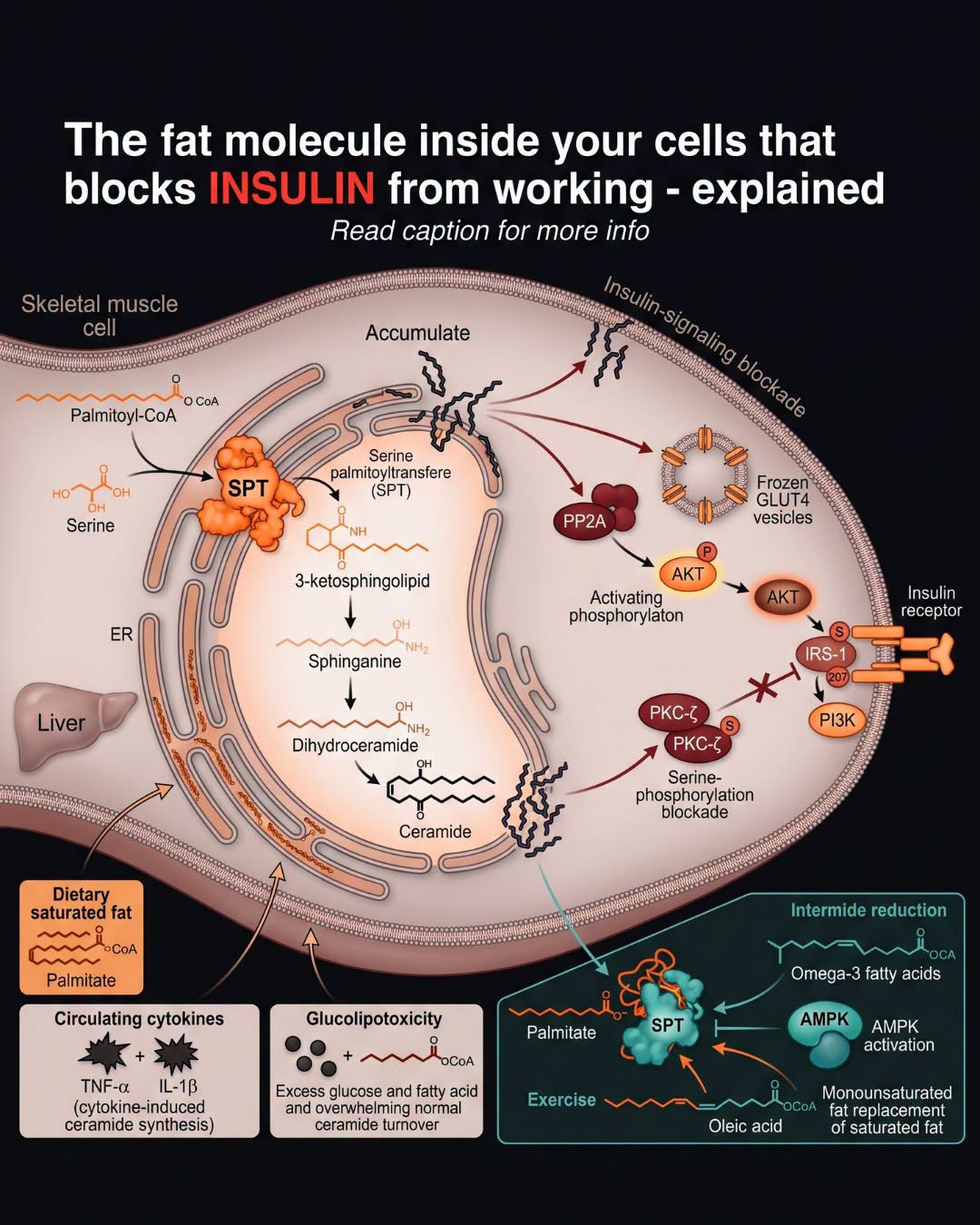
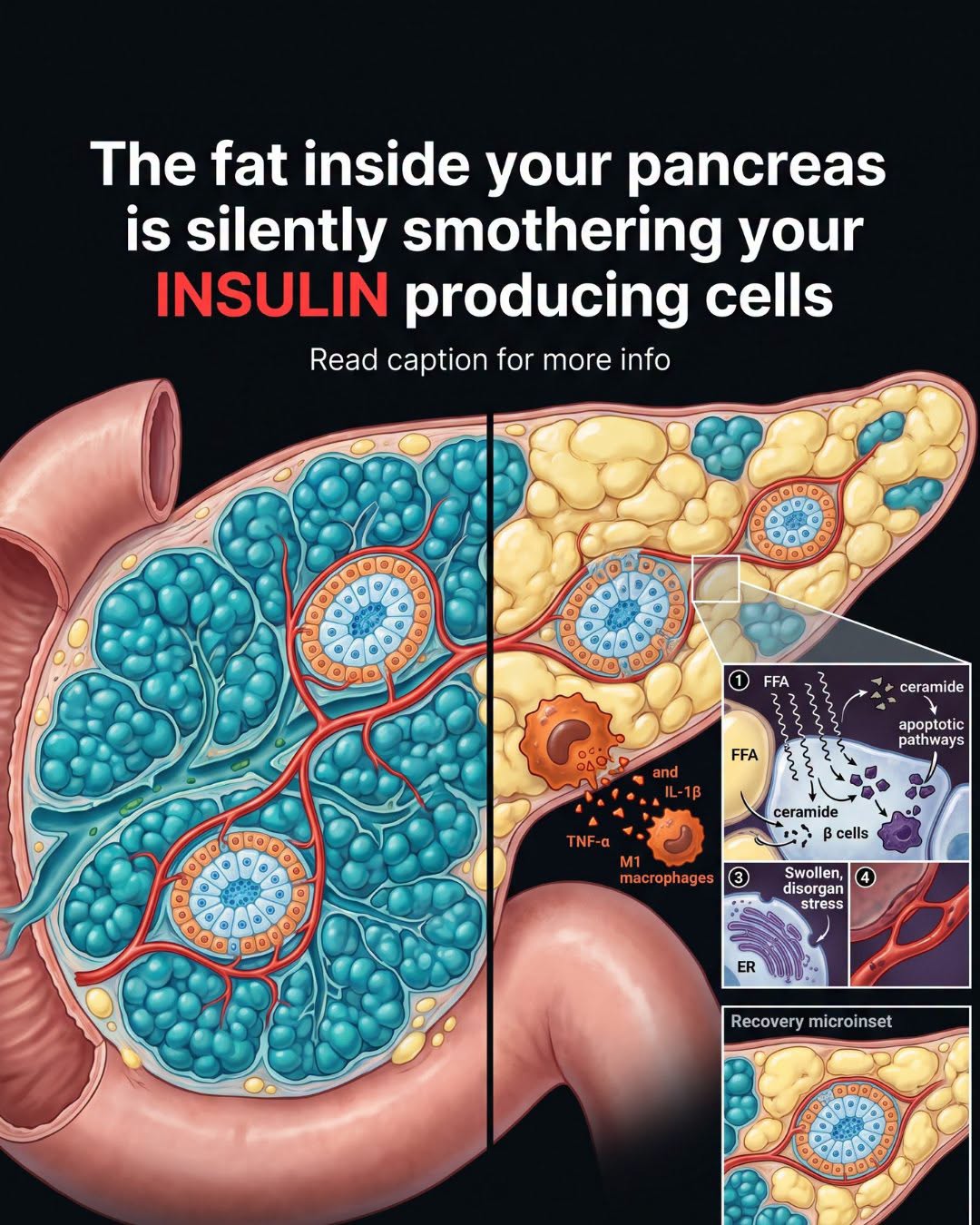
It’s a good summary.
Just ignore the line about omega 6 being pro-inflammatory and promoting insulin resistance. This is nonsense. Over 30 randomized trials in humans have shown in aggregate that omega 6 do not increase markers of inflammation: ↪ 30 RCTs show higher linoleic acid intake does not raise inflammatory markers. And over 100 randomized trials in humans have shown in aggregate that omega 6 improve insulin sensitivity and glycemic control: ↪ 100+ trials: polyunsaturated fat improves glucose and insulin markers, saturated doesn't. Nuts & seeds are loaded with essential omega 6 fats, and study after study shows that they protect against CVD and diabetes: ↪ Ornish program now allows nuts and seeds, citing 30-50% lower CVD risk and PREDIMED.
#nutsHD #seedsHD #diabetesHD
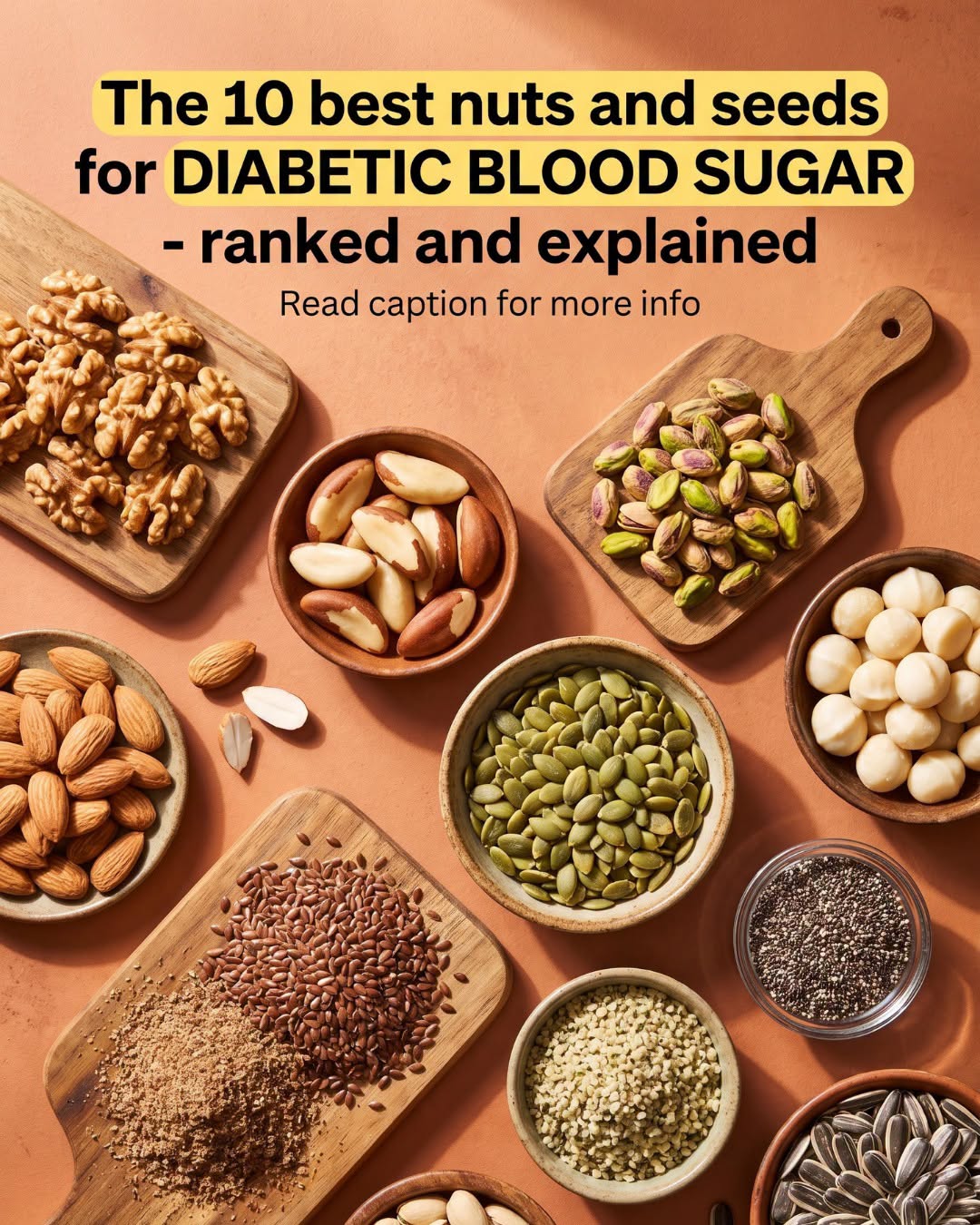
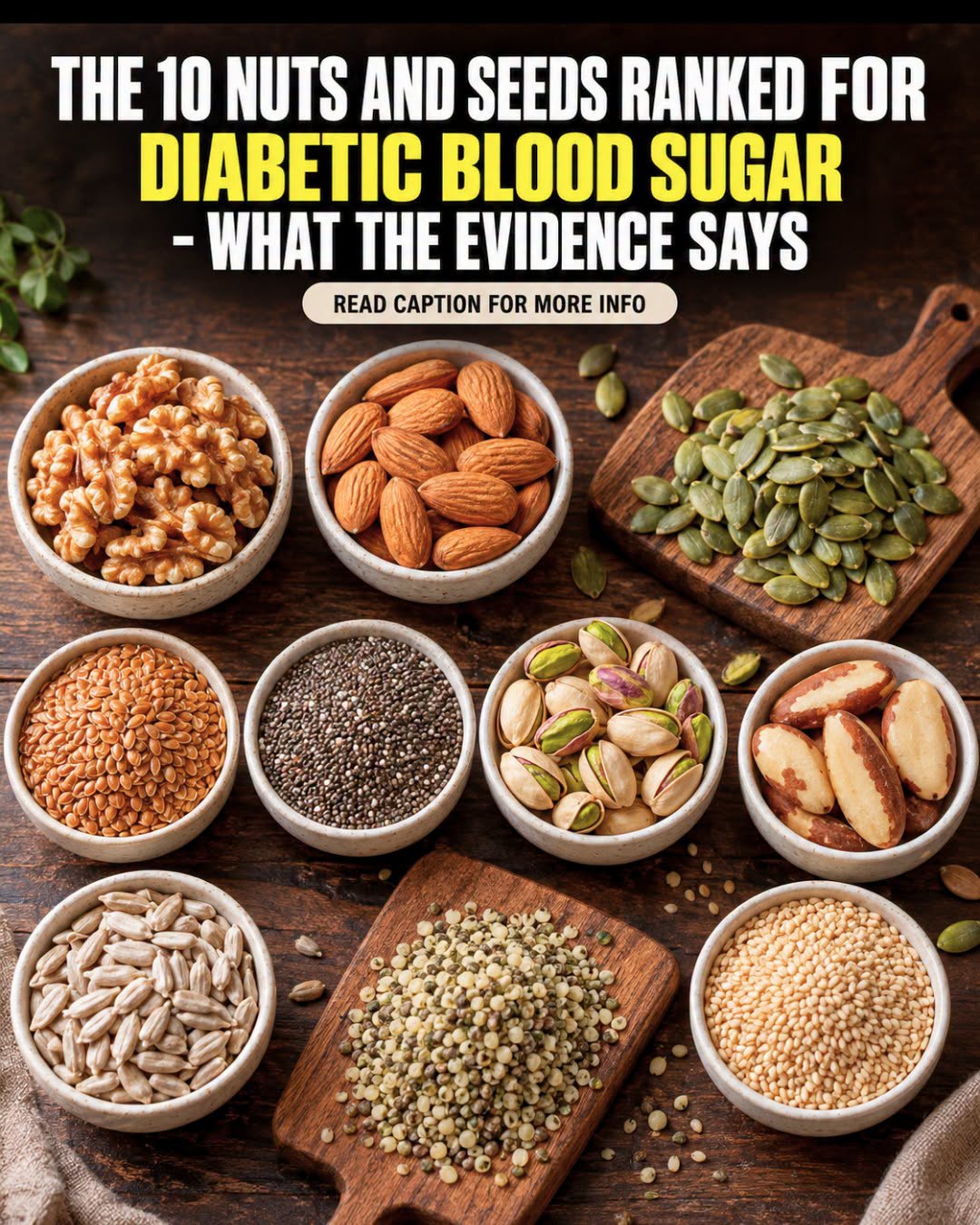
Nuts and seeds are the most consistently blood-sugar-protective portable food group available to Type 2 diabetics - carrying GI values near zero across all varieties, providing protein and fat that simultaneously slow glucose absorption from co-consumed foods, and delivering specific anti-diabetic phytonutrients that extend their benefit far beyond simple glycemic neutrality.
Walnuts lead the anti-diabetic nut ranking by a significant margin. Their unique combination of ALA omega-3 (2.5 grams per 30-gram serving), ellagitannins (converted to urolithin A in the gut - shown in human trials to improve mitochondrial biogenesis in skeletal muscle), arginine (precursor to endothelial nitric oxide supporting vascular health in diabetic vasculature), magnesium, and polyphenols makes them the most mechanistically comprehensive anti-diabetic nut available. A meta-analysis of 13 trials confirmed significant improvements in fasting blood glucose and insulin sensitivity with regular walnut consumption.
Almonds provide the highest magnesium content of any tree nut - 76mg per 30-gram serving - directly addressing the cofactor deficiency that impairs insulin receptor tyrosine kinase function in over 80 percent of Type 2 diabetics. Vitamin E from almonds protects beta cell membranes from oxidative damage. Research has confirmed that eating almonds before a high-glycemic meal reduces post-meal blood sugar peaks significantly through fat-mediated gastric emptying delay.
Brazil nuts - one to three per day provides the entire recommended daily selenium intake. Selenium is an essential cofactor for glutathione peroxidase - one of the primary antioxidant enzymes protecting beta cells from the oxidative stress of chronic hyperglycemia. Selenium deficiency is common in Type 2 diabetics and independently associated with poor beta cell function recovery after dietary intervention.
Pistachios at GI 15 are the lowest-glycemic tree nut consumed in meaningful quantities and provide the highest lutein content of any nut - protecting retinal tissue from diabetic retinopathy. Research specifically in Type 2 diabetics confirmed post-meal blood sugar reduction when pistachios replaced other snack foods.
Pumpkin seeds provide the highest zinc content of any plant food - 2.2mg per 30-gram serving, directly addressing the insulin receptor tyrosine kinase cofactor deficiency shown to independently produce insulin resistance. Magnesium from pumpkin seeds further supports this dual mineral correction.
Ground flaxseeds provide the highest ALA omega-3 of any plant seed (2.4 grams per tablespoon) alongside lignans (secoisolariciresinol diglucoside) shown in research to improve insulin sensitivity. Ground rather than whole - whole flaxseed passes undigested; grinding releases the ALA and lignans for absorption.
Hemp seeds provide the most complete amino acid profile of any plant food alongside a 3:1 omega-6 to omega-3 ratio that is the most favorable of any commonly available seed for reducing the pro-inflammatory omega-6 to omega-3 imbalance that drives insulin resistance.
Chia seeds in liquid form a viscous gel identical in mechanism to psyllium husk - providing 5 grams of soluble fiber per tablespoon that physically slows intestinal glucose absorption from the meal. The gel forms in the stomach before digestion begins - providing pre-digestion glucose-slowing protection.
Key takeaway: A daily 30-gram portion of mixed nuts and seeds - walnuts, almonds, Brazil nuts, and pumpkin seeds as a core - delivers omega-3 fatty acids, zinc, magnesium, selenium, ellagitannins, and arginine simultaneously at zero glycemic cost.
Tag a friend who thinks nuts are too high in calories to eat regularly. Down arrow
📌 RESOURCES
Walnut Meta-Analysis and Diabetes: pubmed.ncbi.nlm.nih.gov - search "walnut consumption fasting blood glucose insulin sensitivity meta-analysis"
American Diabetes Association - Nuts and Seeds: diabetes.org/healthy-living/recipes-nutrition/superfoods
Almond Pre-Meal and Blood Sugar: pubmed.ncbi.nlm.nih.gov - search "almond pre-meal postprandial glucose Type 2 diabetes"
#Diabetes #Type2Diabetes #DiabetesDiet #BloodSugar #DiabetesAwareness